
Film
Tales of Ordinary Madness
- Drama
- Very dark
Ferreri's savage 1981 portrait of a poet drowning in Los Angeles depravity. Ben Gazzara stumbles through a fever dream of bars, strangers, and self-destruction with unflinching brutality. Formally audacious and deeply uncomfortable, it's a film that doesn't flinch from its own ugliness—for better and worse. For viewers who want cinema that wounds.
Should you watch it?
Watch it if you enjoy rough, funny character studies of a self-destructive drifter whose appetites are the whole point, told with a poet's eye for the squalid.
Skip it if the drinking and sex are relentless and the story circles rather than climbs, so if you need warmth or a clear arc, it will grind you down.
What it asks of you: Just over an hour and forty minutes of unhurried, shambling episodes, light on plot and heavy on mood; you have to let the seediness accumulate patiently.
Not sure? Find tonight's pick in a minute.
If you liked this
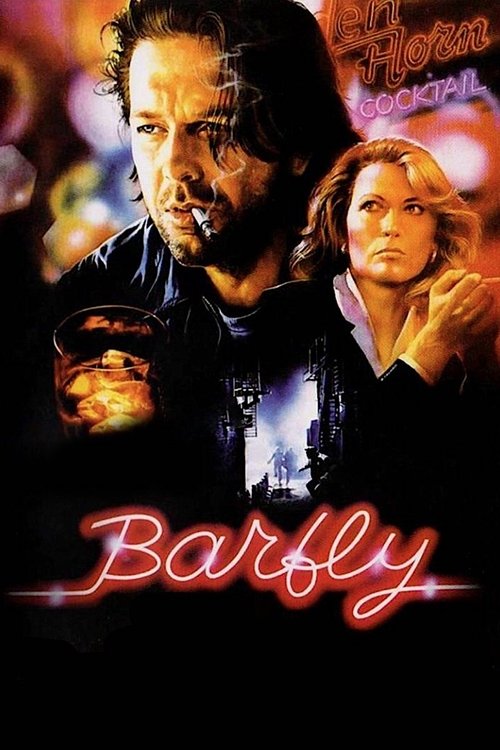
Barfly1987
Faye Dunaway and Mickey Rourke in Schroeder's love letter to Bukowski's alcoholic underworld. Raw, funny, tender—it understands the seduction of the bottle without sanitizing it.
But The romance of addiction can feel enabling, and the film knows this but doesn't entirely care. Some will find that irresponsible.
Come and See1985
Elem Klimov's Soviet masterpiece about a boy soldier in WWII. Like Ferreri, it refuses to look away from human degradation, but with apocalyptic scope. Formally daring and genuinely shattering.
But Relentlessly grim with no catharsis, redemption, or irony to cushion the blow. This is a test of endurance.

In the Mood for Love2000
Wong Kar-wai's aching study of two strangers discovering a betrayal. Formal perfection and human mess coexist—every frame is composed like a painting, but the longing is raw.
But Glacially paced and entirely internal. If you need plot momentum or dialogue, this will feel like watching someone's memories.

Not sure tonight? Get a pick in a minute, starting from Tales of Ordinary Madness
The wildcard
Something you would not have found on your own.
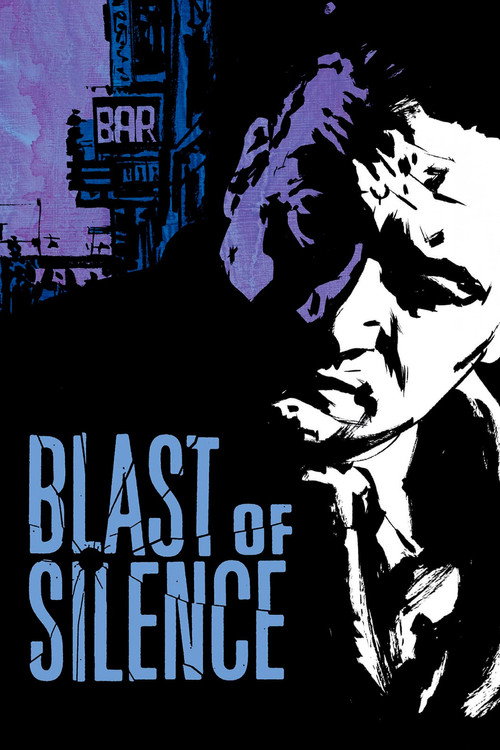
Blast of Silence1961
Both are outsider portraits of men whose inner disintegration is the whole story. No redemption arc, no explanation—just a descent into the logic of their own damage.
Allen Baron's noir about a hired killer returning to Brooklyn. Shot in grainy B&W with poisonous lyricism—it's a fever dream of alienation and professional detachment. Formally radical and utterly alone.
But Extremely low-budget, which shows. Idiosyncratic performances and a mannered style that prioritizes mood over clarity. Very much a cult object.
More like this (7)
Under the Skin2014
Scarlett Johansson in Glazer's hallucinatory sci-fi nightmare. Disorienting, sensual, elliptical—it trusts you to assemble meaning from mood and abstraction. A film that lives in your nervous system.
But Deliberately obscure plot, long silences, and images that unsettle without explaining. Patience required; answers withheld.

Synecdoche, New York2008
Kaufman's recursive descent into artistic obsession and mortality. Philip Seymour Hoffman as a man losing grip on reality and self. Intellectually daring and emotionally devastating.
But Wilfully confusing, self-pitying, and exhausting. Some will find its ambition insufferable rather than inspiring.

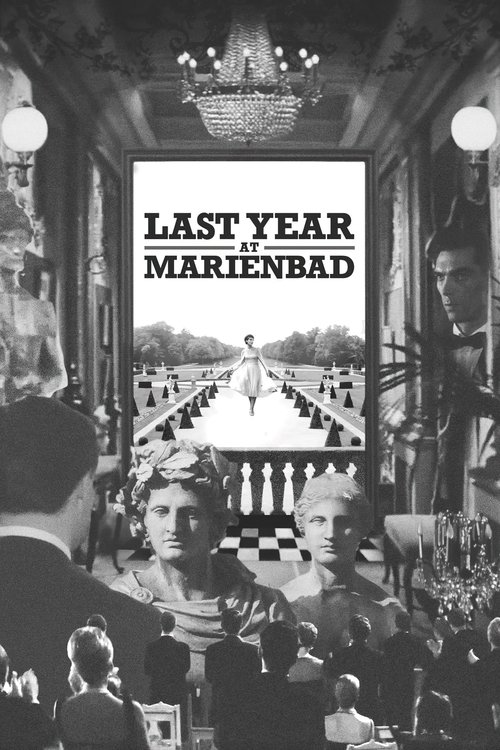
Last Year at Marienbad1961
Resnais and Robbe-Grillet's bewildering puzzle about memory, desire, and whether any of this happened. Visually hypnotic; it rewires how you think about narrative.
But Almost aggressively opaque. There is no solution, only interpretation. For many, that's frustration masquerading as art.
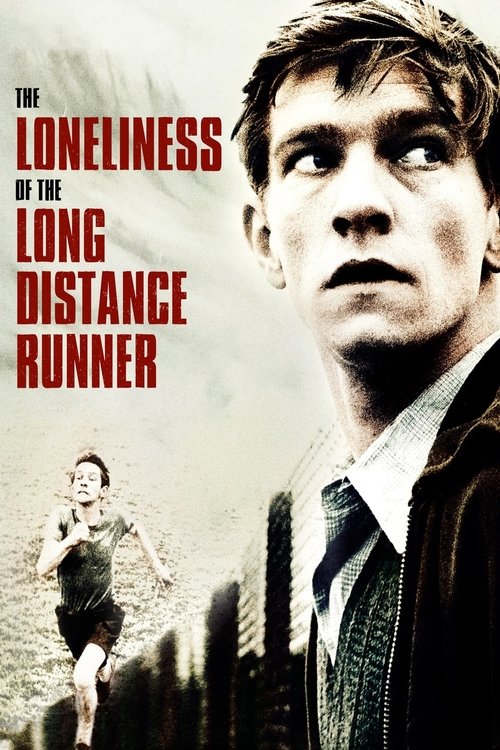
The Loneliness of the Long Distance Runner1962
Tony Richardson's bitter portrait of working-class rebellion. Tom Courtenay as a boy resisting the system through sheer will. Formally inventive and politically alive.
But Unrelentingly bleak, with a final act that denies you any satisfaction. British kitchen-sink cinema at its most punishing.
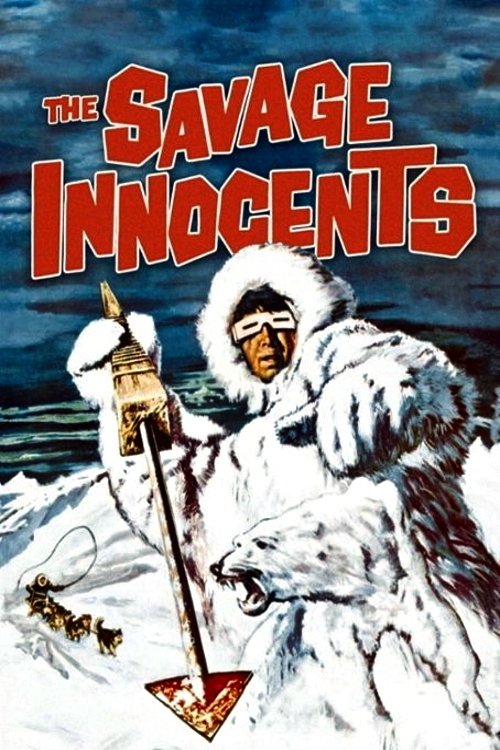
The Savage Innocents1960
Anthony Mann and Ray Spencer's raw study of an Inuit man navigating colonial contact. Shot in harsh beauty; a film about cultural collision that respects its subject's intelligence.
But Ethnographic detail can feel slow if you're accustomed to conventional narrative momentum. Some sequences exist to accumulate lived experience rather than advance plot.
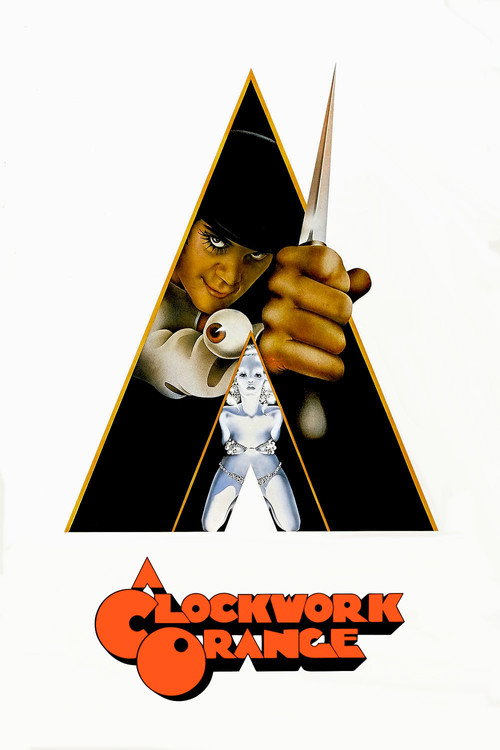
A Clockwork Orange1971
Both films refuse the comfort of judging their protagonists. They present degradation without moral instruction, which forces you to confront your own discomfort.
Kubrick's controversial provocation about violence, free will, and rehabilitation. Formally dazzling—the language, the design, the sound—and aggressively confrontational about what cinema can make you feel.
But The sexual violence is graphic and unapologetic. Kubrick uses it deliberately, but if you find that indefensible, this will alienate you entirely.
Jeanne Dielman, 23, quai du Commerce, 1080 Bruxelles1976
Both films use duration and repetition to unmask what lies beneath routine. Where Ferreri finds madness, Akerman finds the invisible labor that holds life together.
Chantal Akerman's three-hour meditation on a woman's daily rituals—cooking, cleaning, sex work. Formally austere and radically feminist. Time itself becomes the subject; watching becomes an act of attention.
But Static shots of domestic labor will feel monotonous if you need conventional drama. It demands patience and repays it with a completely different kind of cinema.

People
Cast
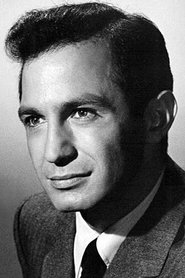 Ben GazzaraCharles Serking
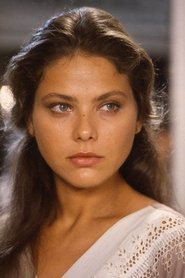 Ornella MutiCass
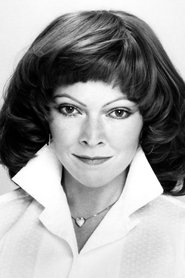 Susan TyrrellVera
 Tanya LopertVicky
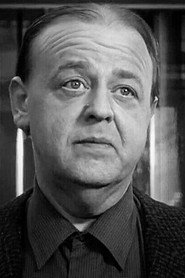 Roy BrocksmithBarman
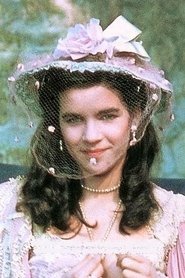 Katya BergerGirl on Beach
- Hope CameronHotel Proprietor
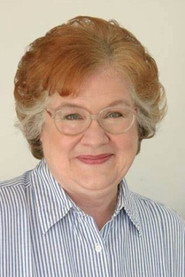 Judith DrakeWidow
- Patrick HughesPimp
- Wendy WellesRunaway
- Stratton LeopoldPublisher
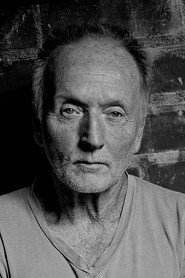 Tobin BellBar Patron (uncredited)
Directing
- Marco FerreriDirector
Writing
- Anthony FoutzWriter
- Charles BukowskiWriter
- Marco FerreriWriter
- Sergio AmideiWriter
Production
- Jacqueline FerreriProducer