
Film
The Sergeant
A 1968 drama about a decorated military sergeant whose iron discipline and command crumble when he develops an obsessive attraction to a young enlisted man under his charge. Rod Steiger delivers a portrait of repression and desire colliding in a rigid hierarchy. It's austere, uncomfortable viewing—less interested in drama than in the quiet devastation of a man watching himself come apart. For those willing to sit with moral ambiguity and institutional cruelty.
If you liked this
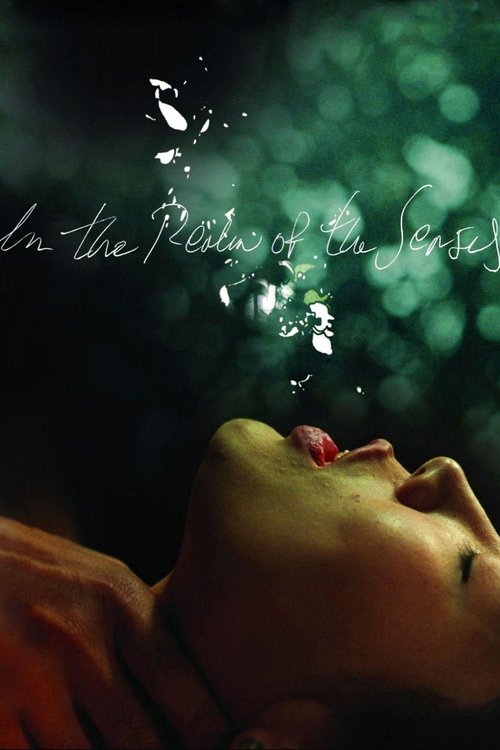
In the Realm of the Senses1976
Nagisa Oshima's unflinching study of desire consuming two people entirely. Like The Sergeant, it treats sexuality as something that unmakes you rather than completes you. Visually stunning and emotionally pitiless.
But It's explicit in ways that will shock you. The film earns every second of discomfort, but discomfort is the point. Not for passive viewing.
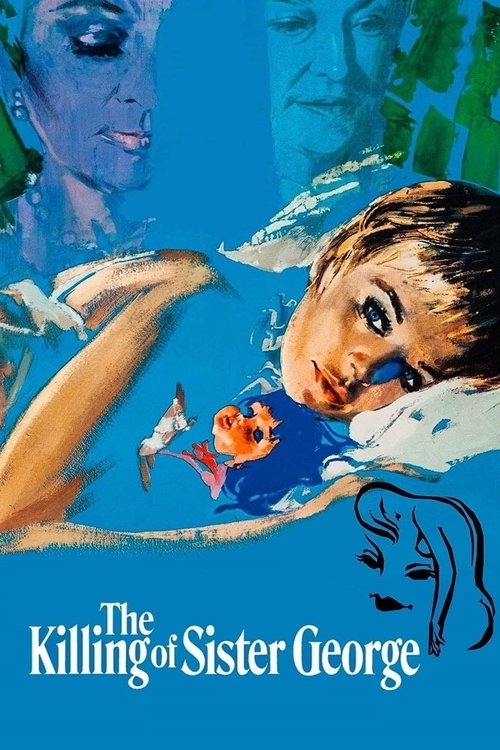
The Killing of Sister George1968
Released the same year, another film about a woman wrestling with her sexuality in a society that offers no room for it. Acid, darkly funny, and genuinely tragic. Beryl Reid is extraordinary.
But The humour can feel dated, and the film walks a line between satire and exploitation that doesn't always hold steady.
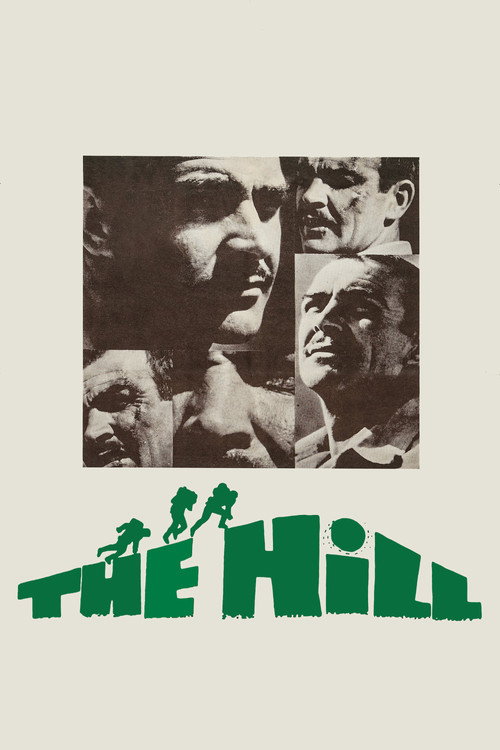
The Hill1965
A British military prison film where authority and masculinity are revealed as brittle systems maintained by violence. Steiger excels at playing men at the end of their rope. The brutality is methodical, never sensational.
But It's relentlessly grim. There's no catharsis and very little mercy. The pacing is deliberate, which some will find slow.
Not sure tonight? Get a pick in a minute, starting from The Sergeant
The wildcard
Something you would not have found on your own.
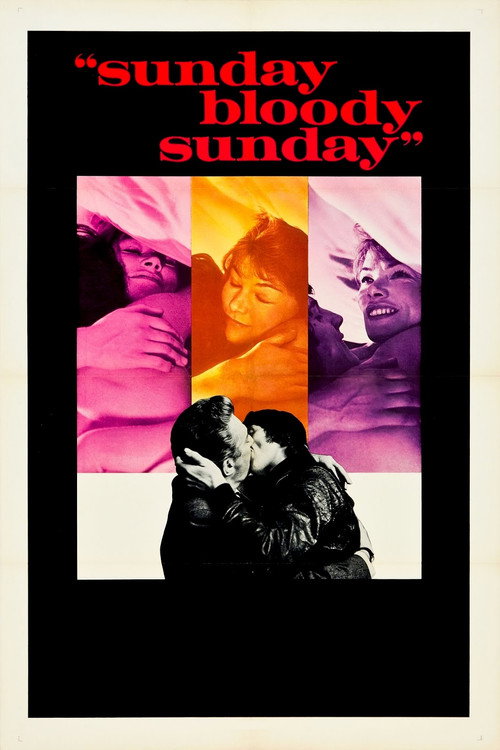
Sunday Bloody Sunday1971
Both examine desire as institutional transgression; this one shows what it costs everyone involved, not just the person in power.
John Schlesinger's film about a gay doctor and a married woman both in love with the same younger man. It's structured like The Sergeant but inverts it—the Steiger character here is sensitive, accomplished, and still powerless. A film about what love costs when there's no social container for it. The connection is precise: both are about desire within hierarchies that forbid it, but this one expands the frame to show how widely the damage spreads.
But It's quieter than you might expect. There's no melodrama and the film trusts you to feel the pain beneath the surfaces. Some find it slow.
More like this (6)
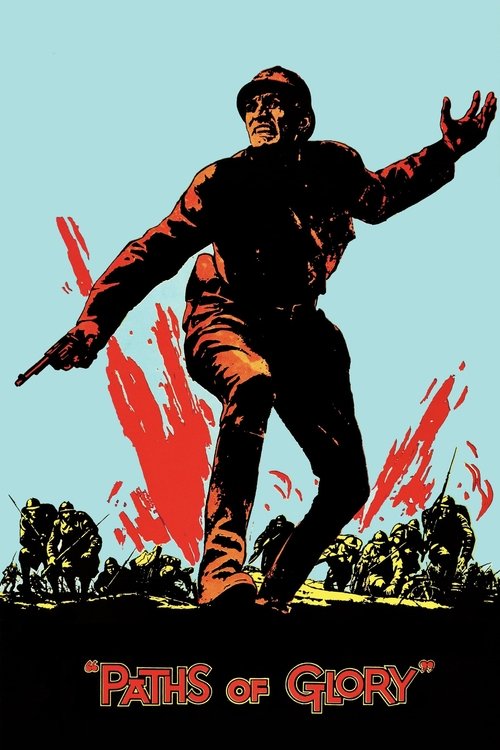
Paths of Glory1957
Kubrick's masterpiece about the military as an instrument of institutional cruelty. Like The Sergeant, it shows how hierarchy destroys the individual. Kirk's general is the flip side of Steiger's sergeant—different rank, same corruption.
But The ending is bleak and the film offers no redemption for the systems it condemns. It can feel like watching the machinery work without hope of stopping it.
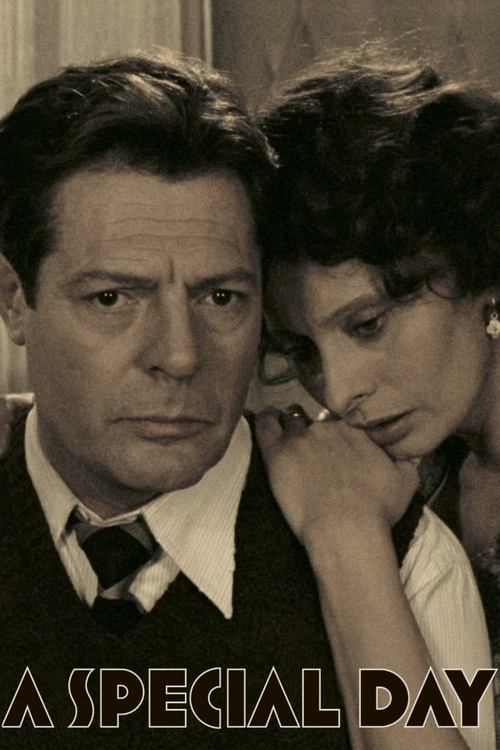
A Special Day1977
An Italian film about a gay man and a woman forming a desperate connection on a single day in fascist Rome. Sophia Loren and Marcello Mastroianni in a tender, heartbreaking film about people with nowhere to go. The restraint is powerful.
But The tone is melancholic throughout. It's not uplifting, and the historical context—fascism, repression—is relentless.
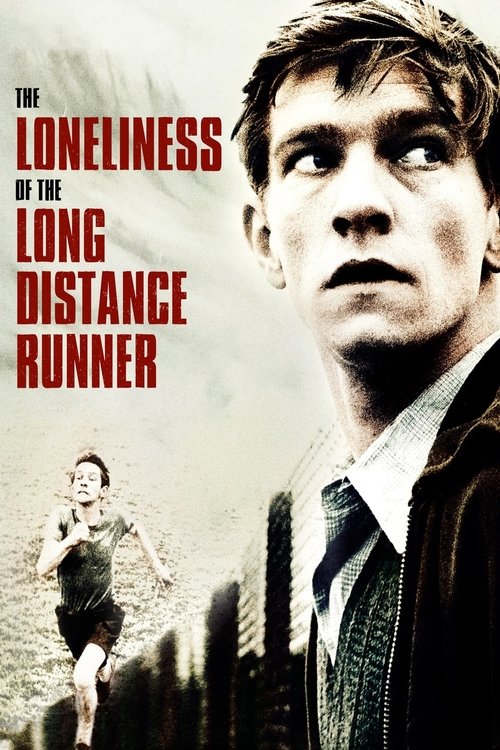
The Loneliness of the Long Distance Runner1962
Tony Richardson's film about a young man's rebellion against institutional authority. Like The Sergeant, it's interested in how systems break people. The running sequences are extraordinary.
But It's a British New Wave film and the ending will feel anticlimactic if you're expecting triumph. The victory is internal and invisible.
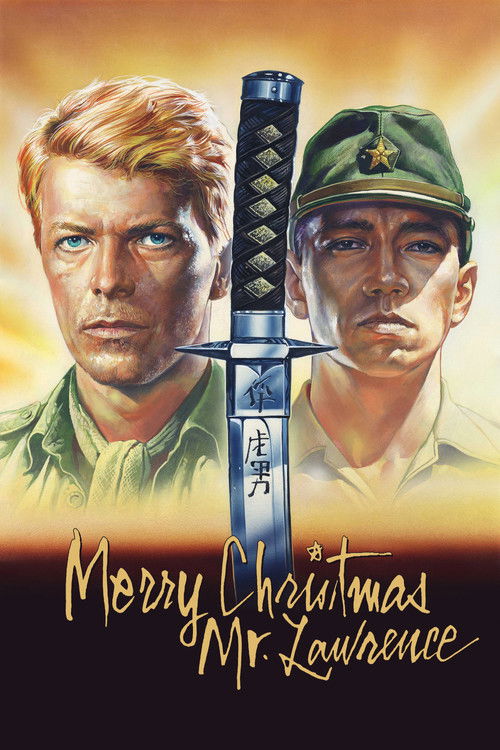
Merry Christmas, Mr. Lawrence1983
Nagisa Oshima again, this time about a Japanese POW camp commandant and a British officer drawn to each other. It's The Sergeant transposed into war and empire. David Bowie is haunting and Tom Conti carries the moral weight beautifully.
But The sexuality is suggested rather than explicit, which some find more frustrating. The film is slow-moving and relies entirely on subdued performances.
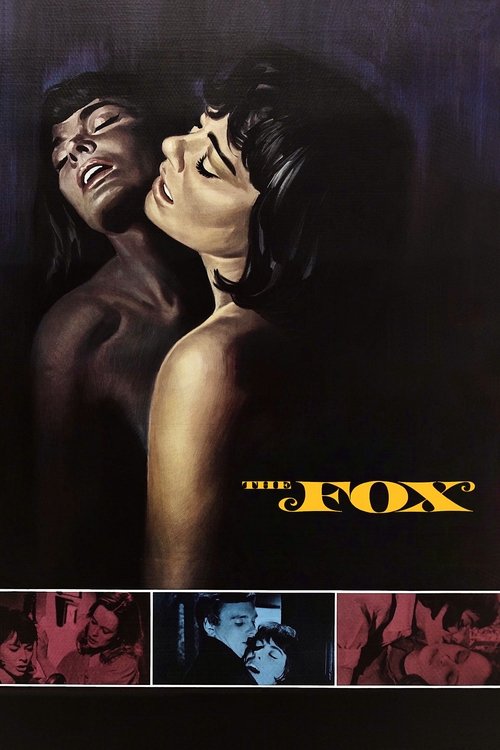
The Fox1967
Mark Rydell's adaptation of D.H. Lawrence about two women whose relationship is disrupted by a man's arrival. It's about desire, ownership, and how easily a life can be unmade. Anne Heywood and Glenda Jackson are riveting.
But It's dated in its attitudes toward lesbian sexuality and the ending is controversial. The film wants to say something important but doesn't entirely mean what it says.
Synecdoche, New York2008
Both are portraits of obsession as professional and personal collapse; this one amplifies the surrealism and the scale but keeps the intimate devastation.
Charlie Kaufman's film about a theatre director who loses control of himself and his work simultaneously. Like The Sergeant, it's a portrait of obsession destroying a man's grip on reality. It's disorienting, sometimes unbearable, but unforgettably alive. The film sprawls where The Sergeant is compact, but both are about watching someone's interior collapse become exterior ruin.
But It's genuinely difficult to follow and some sequences are deeply uncomfortable. The film demands active engagement and offers no comfort in return. Philip Seymour Hoffman at his most vulnerable might be too much.

People
Cast
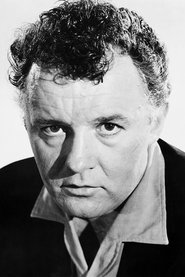 Rod SteigerMSgt. Albert Callan
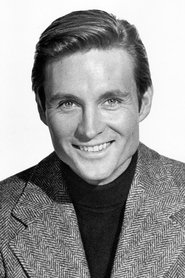 John Phillip LawPfc. Tom Swanson
 Ludmila MikaëlSolange
 Frank LatimoreCapt. Loring
 Elliott SullivanPop Henneken
- Ronald RubinCpl. Cowley
- Philip RoyeAldous Brown
- Jerry BrouerSgt. Komski
 Memphis SlimNightclub Singer
 Nadine AlariSolange's Mother (uncredited)
 Gabriel GasconPaul (uncredited)
Directing
- Louis PitzeleAssistant Director
- Alice ZillerContinuity
- John FlynnDirector
Writing
- Dennis MurphyNovel
- Dennis MurphyScreenplay
Production
- Richard GoldstoneProducer
- Serge LebeauProduction Manager
- Phillip KennyUnit Production Manager