
Film
The Fox
A tense 1967 chamber drama about two women whose partnership on a remote Canadian farm fractures when a drifter arrives. Sexually charged, psychologically claustrophobic, and deeply uncomfortable—it asks whether desire is created or merely exposed. Not quite comfortable being what it is, which makes it fascinating.
Should you watch it?
Watch it if you like slow, sensual character studies where the tension lives in glances, silences and a farmhouse's stillness, and you enjoy films that trust you to read what goes unsaid.
Skip it if the pace is glacial and the dialogue sparse, so if you need plot to keep moving, the long stretches of watching and waiting will test your patience.
What it asks of you: Settle in for an unhurried 110 minutes, with quiet pauses that stretch and a mood that gathers slowly rather than building to big moments.
Not sure? Find tonight's pick in a minute.
If you liked this
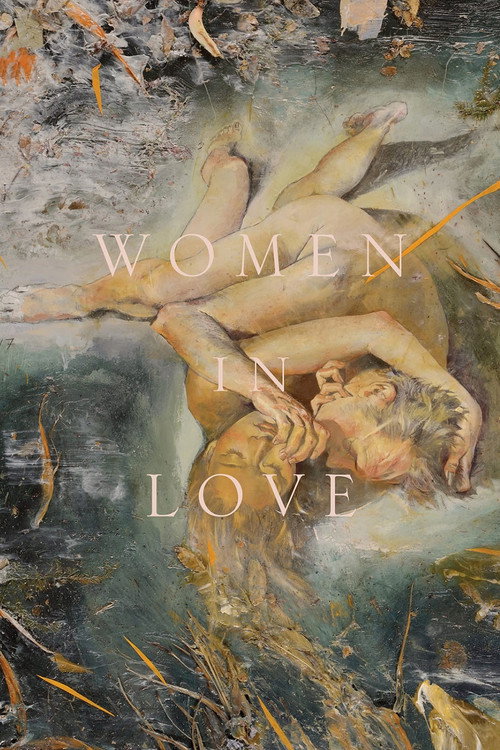
Women in Love1969
Ken Russell's adaptation captures the same era and intensity of desire unsettling a tight group. Raw, visually ambitious, and unafraid of depicting messy emotional and sexual conflict between people who thought they understood each other.
But It's very long, very baroque in its direction, and the emotional register swings wildly. Some moments feel dated in their earnestness.
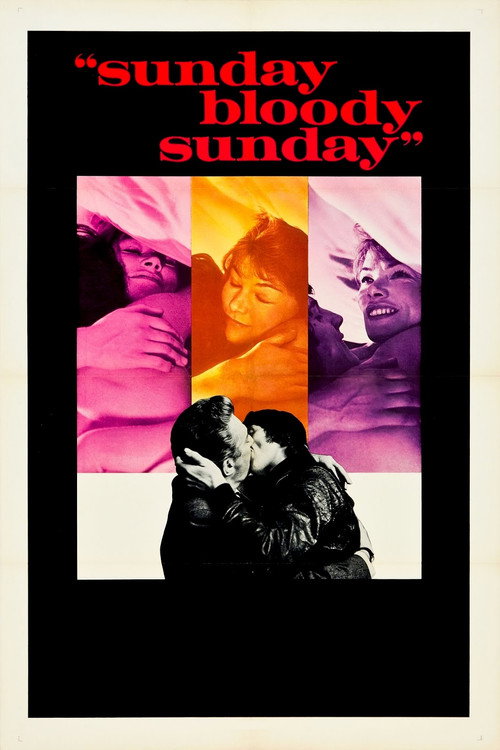
Sunday Bloody Sunday1971
Another early-70s film about bisexual desire and the triangular pain it creates. Glenda Jackson and Peter Finch play people caught in a configuration they can't resolve. Restrained where it matters, devastating where it counts.
But The pacing is deliberate and the emotional payoff is quiet rather than cathartic. If you're looking for resolution, this won't give it to you.
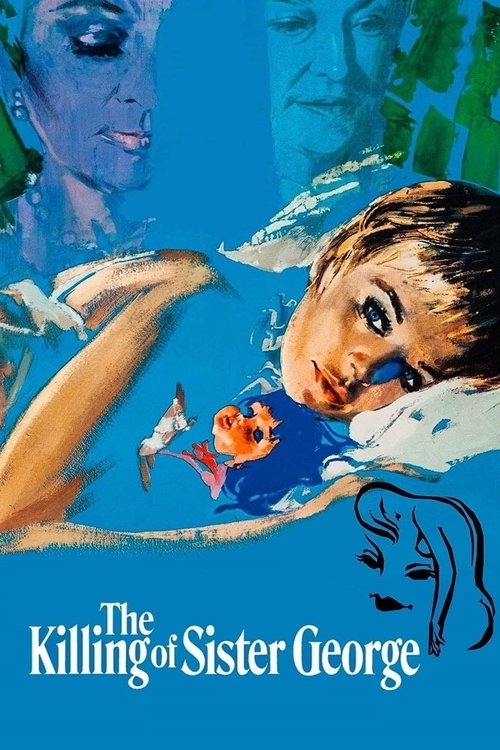
The Killing of Sister George1968
Contemporaneous, focusing on two women whose relationship is threatened by outside forces and internal resentment. Frank about lesbian desire and the power dynamics within it. Darkly funny and unexpectedly tender.
But The tone shifts uncomfortably between comedy and cruelty. Some of the characterisation feels like it's playing to a male gaze.
Not sure tonight? Get a pick in a minute, starting from The Fox
The wildcard
Something you would not have found on your own.
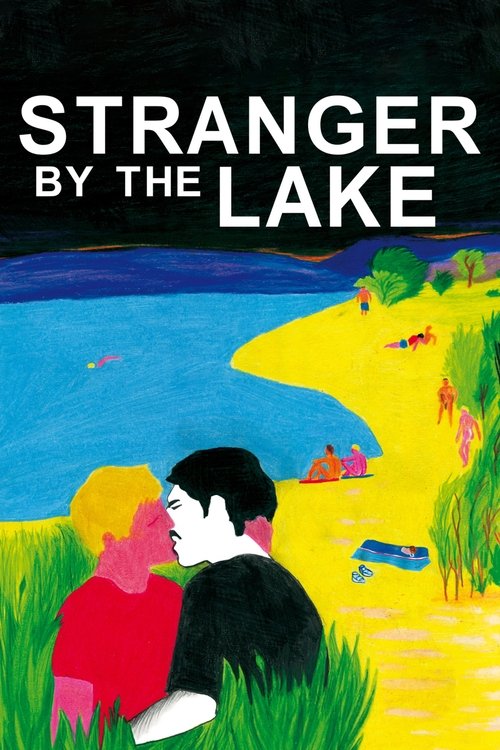
Stranger by the Lake2013
Like *The Fox*, it's interested in desire as a force that corrupts clarity and safety. Both films refuse to punish their characters for wanting each other. Both are more interested in the texture of obsession than in plot.
Alain Guiraudie's film about a man at a cruising spot who becomes obsessed with another man. It's shot in clean daylight, almost like a documentary. The sexual tension builds until it collapses into something darker. Formally rigorous, morally ambiguous, unforgettable.
But It's slow, repetitive by design, and the male gaze is direct and sometimes uncomfortable. There are scenes of explicit sex. It's French and philosophical when you might want catharsis.
More like this (7)
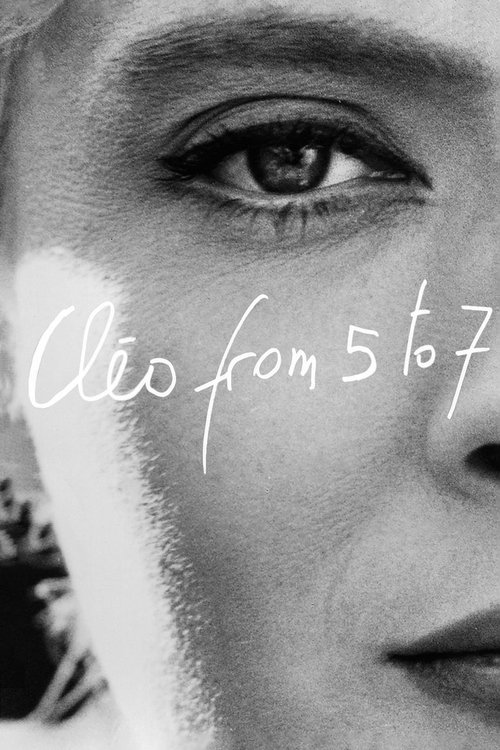
Cléo from 5 to 71962
A woman waiting for test results moves through Paris. What could be a melodrama becomes a meditation on female identity, autonomy, and how quickly certainty evaporates. Agnès Varda's precision makes anxiety feel like philosophy.
But Very little happens. If you need plot momentum, you'll find this slow. It's also French New Wave, which means some patience required.
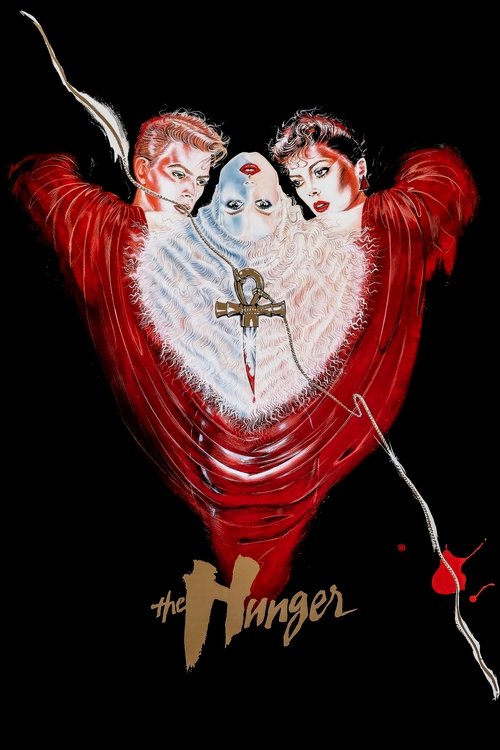
The Hunger1983
Two women in an intimate relationship, one slowly dying of an inexplicable condition. David Bowie and Catherine Deneuve explore desire, mortality, and what we owe to those we love. Visually extraordinary and deeply erotic.
But It's a vampire film wearing art-house clothing. The ending pulls away from the emotional core into genre mechanics. Very 1980s in its aesthetic.
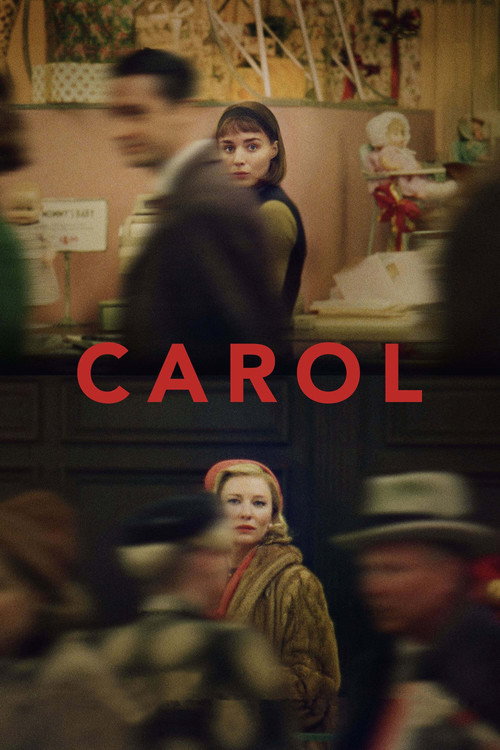
Carol2015
Two women fall in love in 1950s America. Todd Haynes makes desire feel like the most dangerous and necessary thing. The cinematography and restraint create an ache that builds to a perfect final scene.
But It's slow and painterly. If you want drama, you'll get subtext instead. The period setting might feel like window dressing to some.
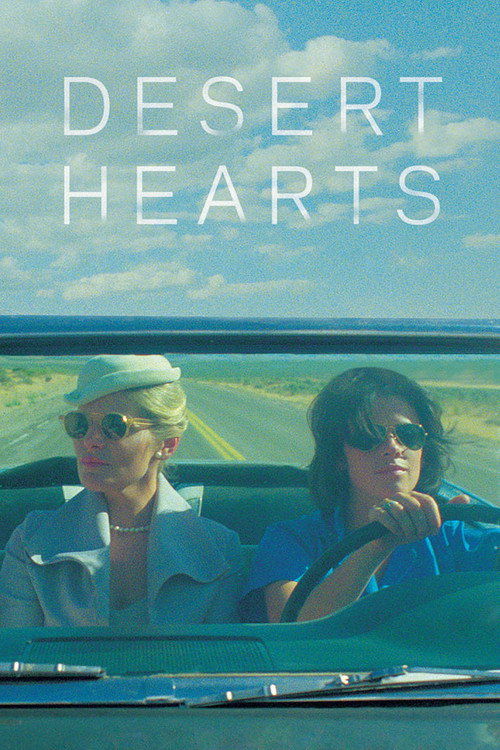
Desert Hearts1985
A woman in the middle of a divorce falls in love with another woman in 1950s Nevada. Warm, funny, and genuinely sexy—it's one of the few films about female desire that feels like a celebration rather than a problem to be solved.
But The production values are modest and the emotional beats are fairly straightforward. It's earnest in a way that can feel naive.
Mulholland Drive2001
David Lynch's Los Angeles nightmare includes two women whose relationship may or may not be real, may or may not end in tragedy. The uncertainty is the point. Hypnotic and genuinely disturbing beneath the noir surface.
But It's deliberately cryptic and possibly unsolvable. If you need clarity, this will frustrate you. Very long, very strange.

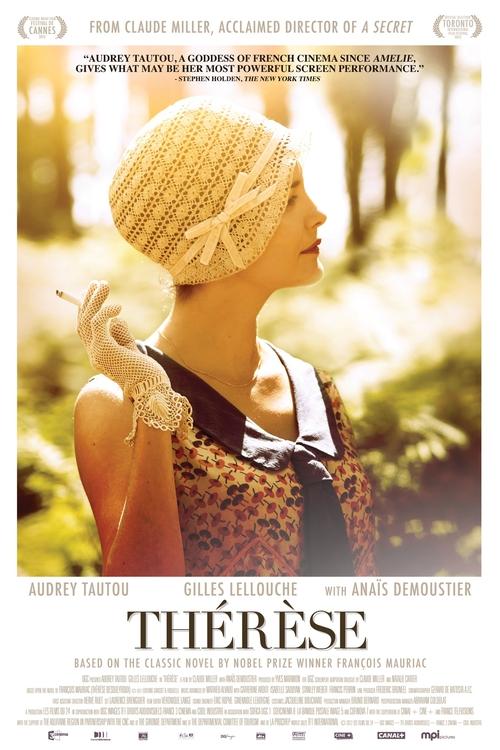
Thérèse2012
Two women in 1950s New Jersey fall in love quietly and then catastrophically. Based on Patricia Highsmith's novel. Restrained and tender, it finds eroticism in glances and cigarettes and the simple terror of being known.
But Almost nothing happens. The cinematography is desaturated and grey. It's a film about interior life, which means very little exterior action to hold onto.
Red Desert1964
Both films use isolation—geographic and emotional—to create psychological pressure. Both suggest that a closed system with three people cannot remain stable. Both film female desire and agency without offering comfort or explanation.
Michelangelo Antonioni's film about a woman adrift in an industrial landscape, her marriage failing, her perceptions warping. Monica Vitti moves through a world that feels toxic and incomprehensible. The colour is extraordinary. It's about disconnection so complete it becomes hallucinatory.
But There is almost no plot. The woman doesn't change or learn anything. It's glacial, alienating, and genuinely depressing. Antonioni requires patience that many viewers don't have.
People
Cast
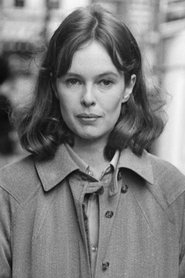 Sandy DennisJill Banford
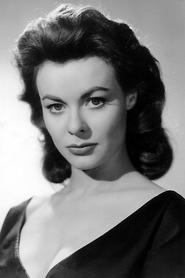 Anne HeywoodEllen March
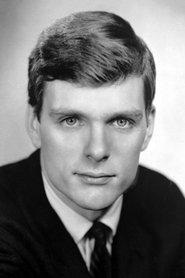 Keir DulleaPaul Grenfell
- Glynne MorrisMr. Overstreet
Directing
- Burtt HarrisAssistant Director
- Ruby RenautContinuity
- Mark RydellDirector
Writing
- D. H. LawrenceNovel
- Howard E. KochScreenplay
- Lewis John CarlinoScreenplay
Production
- Howard E. KochAssociate Producer
- James MargellosLocation Manager
- Raymond StrossProducer
- Steve BroidyProducer
- Dean PetersonProduction Coordinator
- Arthur M. BroidyProduction Supervisor
Recommended by
Reflections in a Golden Eye, The Sergeant, Therese and Isabelle, Quartet