
Film
Therese and Isabelle
A 1968 French film about two girls discovering desire and intimacy at a Swiss boarding school. Languid, sensual, and unafraid to take teenage sexuality seriously as a subject. Shot with painterly restraint by Alain Robbe-Grillet, it's for viewers interested in how cinema treats female pleasure and coming-of-age as something complex rather than titillating.
Should you watch it?
Watch it if you are drawn to slow, sensual period dramas where desire is shown through glances, silences and tight framing rather than spelled out, and you don't mind a film that lingers on mood.
Skip it if the mood is frank rather than fleshed-out, and the plot is thin, so the dreamy, elliptical pace can feel like waiting for a story to catch up.
What it asks of you: Mostly quiet and unhurried, with long stretches of looking and little dialogue, so it wants patience and a willingness to sit inside a claustrophobic school world for two hours.
Not sure? Find tonight's pick in a minute.
If you liked this
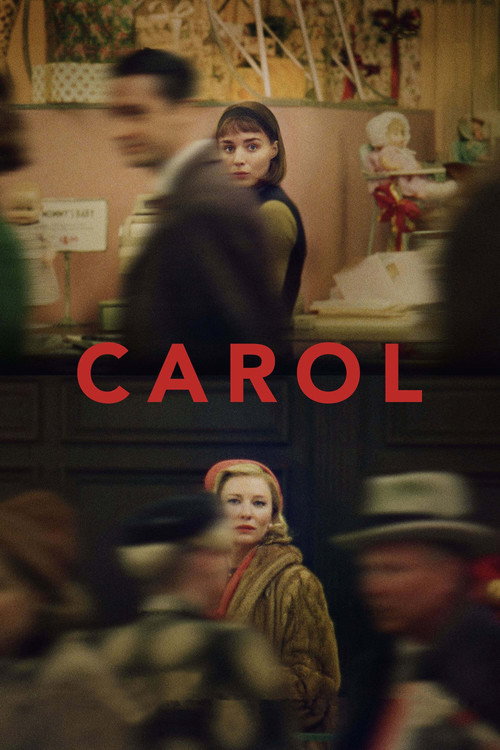
Carol2015
A woman in 1950s New Jersey falls into a transformative affair with a younger shop girl. Achingly romantic, visually gorgeous, and treats lesbian desire with the weight and consequence it deserves. One of the best films about longing ever made.
But Heavy and slow-burn throughout. If you're looking for plot momentum or relief, it won't offer it. The emotional toll is real.
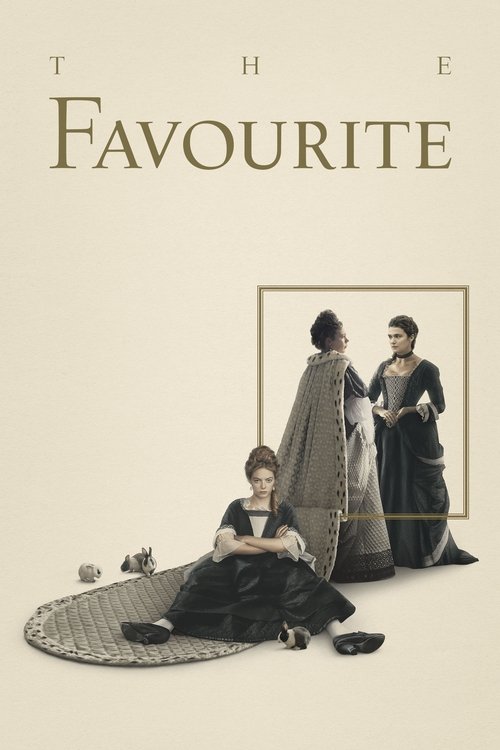
The Favourite2018
Queen Anne and two ladies-in-waiting form a volatile love triangle at the English court. Wickedly funny, visceral, and utterly honest about power dynamics in desire. Yorgos Lanthimos makes perversion feel both dangerous and alive.
But Graphic sexual content and emotional cruelty are core to the story. The tone is deliberately baroque and can feel exhausting if you're not on its wavelength.
Mulholland Drive2001
David Lynch's fractured Los Angeles mystery becomes a meditation on female desire, identity, and the mythology of cinema. Hypnotic, erotic, and structurally brilliant. Dense enough to reward rewatches forever.
But It doesn't clarify its narrative—quite the opposite. If you need things explained, you'll leave frustrated.

Not sure tonight? Get a pick in a minute, starting from Therese and Isabelle
The wildcard
Something you would not have found on your own.
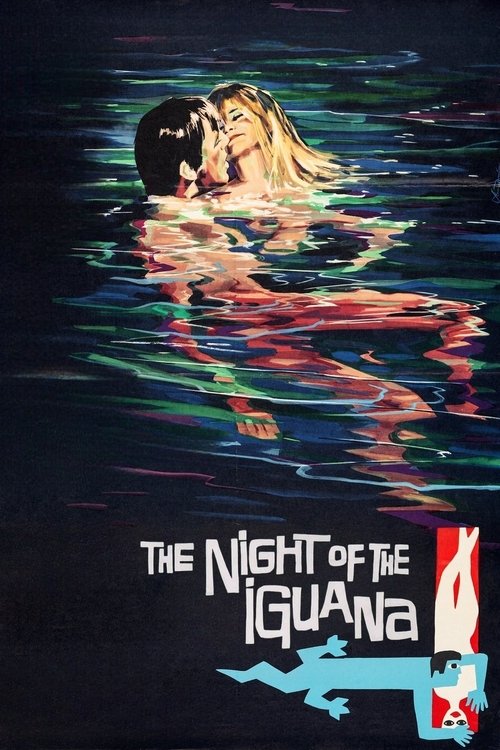
The Night of the Iguana1964
Both films treat desire in enclosed spaces as a force that rewrites identity. Both are unashamed about eroticism as a legitimate subject. Both come from the 1960s, but Williams' is theatrical and exposed where Robbe-Grillet is cool and formal—you see two approaches to the same conviction.
Tennessee Williams' fevered drama about desire, faith, and transgression explodes across a Mexican coast. John Huston directs with baroque energy. Ava Gardner and Deborah Kerr burn the screen. This is operatic, sweaty, unapologetic sexuality.
But Lurid and heavy-handed by design. If Williams' baroque sensuality feels purple to you, this won't change your mind. Also, the sexual politics are complicated.
More like this (8)
The Killing of a Sacred Deer2017
A family's comfortable life disintegrates after an affair surfaces. Lanthimos again, this time in surgical control mode—gorgeous, methodical, and genuinely horrifying. The cinematography alone is worth the price of admission.
But Bleak and sustained. There's no emotional release or catharsis. It's watching a family system collapse in slow motion with no mercy.

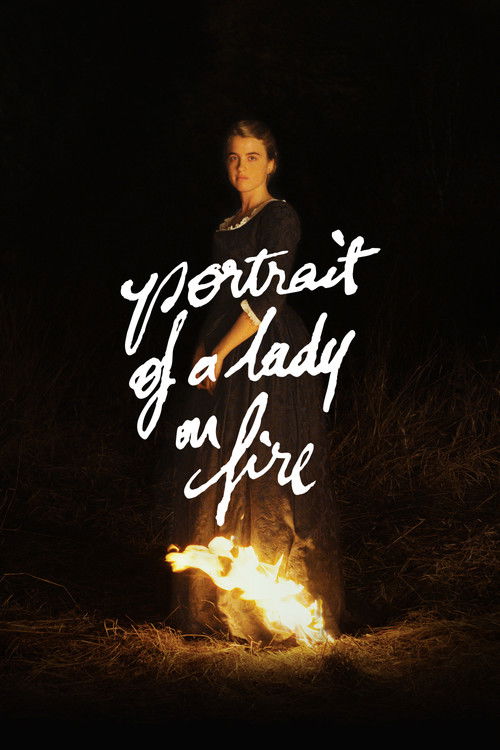
Portrait of a Lady on Fire2019
A painter and her subject fall into intimacy on an isolated French island. Céline Sciamma directs with such tenderness and intelligence that you feel seen as a viewer. Gorgeous, yearning, and about women's interior lives.
But Deliberately paced. If you're looking for plot, you won't find much—it's all observation and feeling.
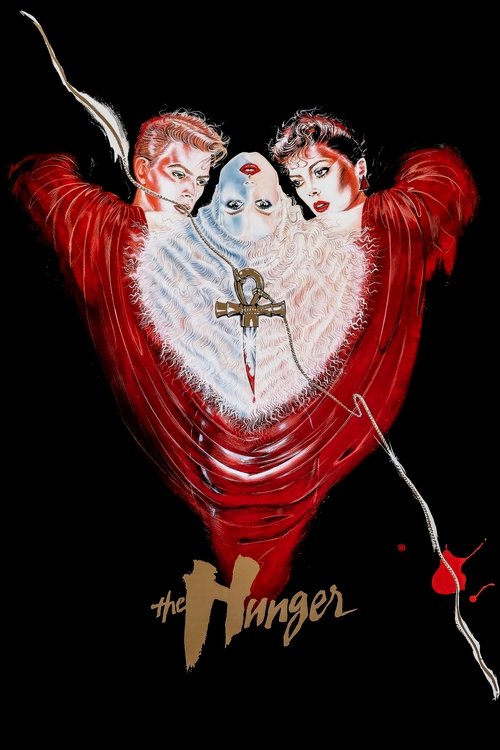
The Hunger1983
A vampire couple's relationship spirals as one begins to age. Erotic, morbid, and a masterwork of visual storytelling. Tony Scott made something that feels like a dark dream—sensual and unsettling in equal measure.
But Sexually explicit and genuinely disturbing. Also structurally odd and won't feel like a conventional narrative.
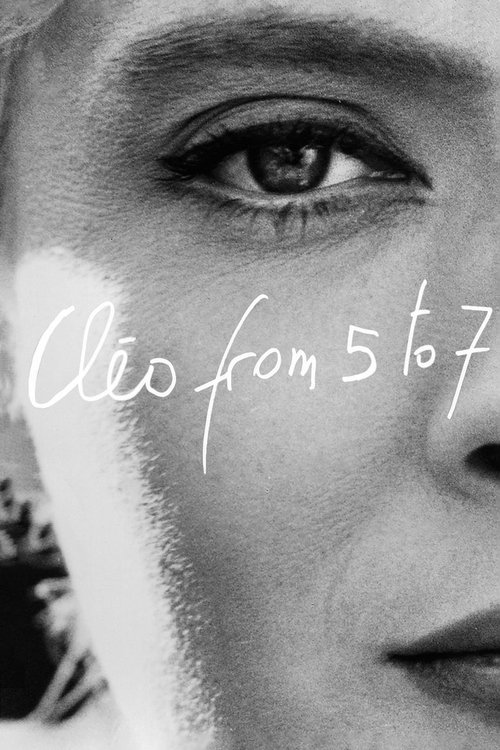
Cléo from 5 to 71962
A pop singer waits for cancer test results through Paris. Agnès Varda catches two hours of a woman's internal and external world with such precision and style. It's like being inside someone's anxious, alive consciousness.
But Nothing much happens. It's an experience of waiting and mood, not a story that resolves.
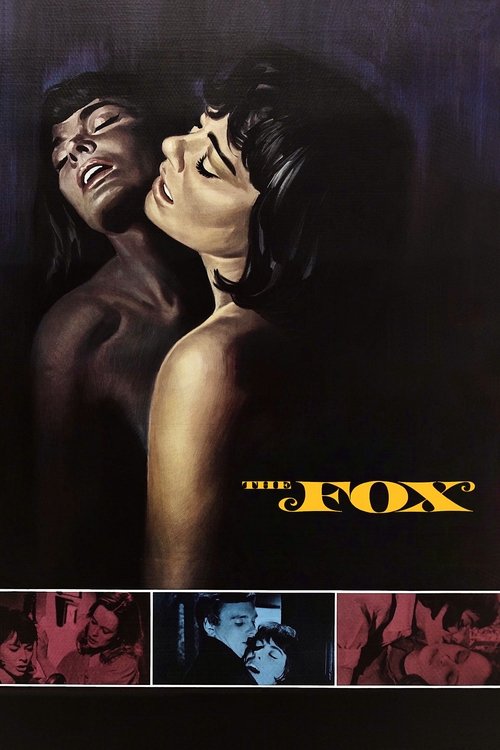
The Fox1967
Two women on a remote farm are disrupted by a man. Based on D.H. Lawrence and made in the late sixties, it's surprisingly frank about desire and jealousy. Mark Rydell directs with real ambition and sensuality.
But The sexual politics are of its era—some viewers will find it troubling. The ending divides people sharply.
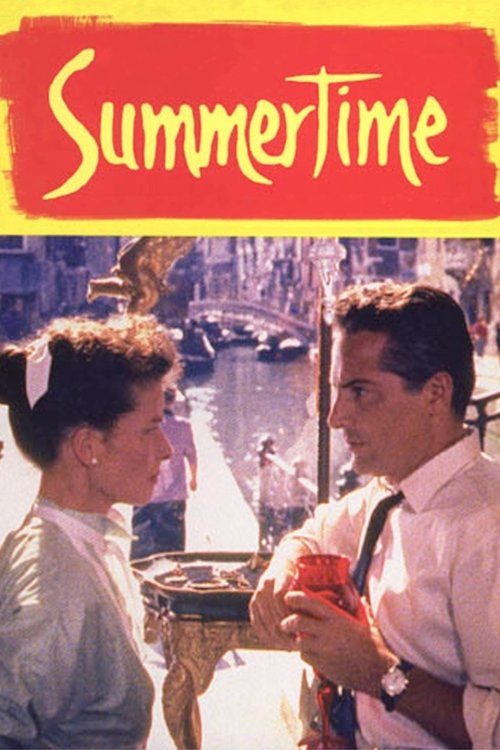
Summertime1955
Katherine Hepburn wanders Venice and finds a quiet romance with a local. Lean, elegant, and about the interior life of a solitary woman. David Lean proves he can do intimacy as well as epics.
But Very subtle and mannered. If you prefer your emotions stated explicitly, this will seem like nothing happens.
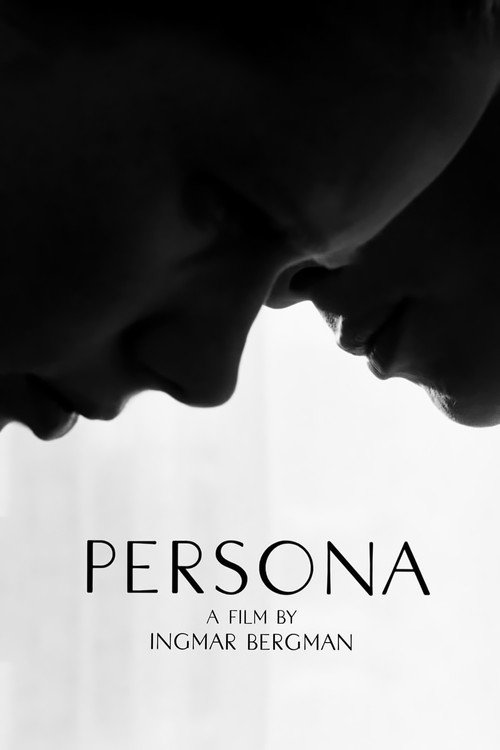
Persona1966
Both examine how intimacy between two women can dissolve the boundaries of self. Both use visual beauty to suggest psychology. Both trust the audience to sit with ambiguity. Where Therese and Isabelle is sensual, Persona is intellectual—but they're asking the same questions about merger and desire.
An actress and a nurse alone on an island begin to blur into one another. Bergman's masterpiece is about identity, silence, and the permeability between two people. Visually hypnotic and psychologically devastating. One of cinema's deepest films.
But Minimalist and cryptic. Long silences, almost no plot. If you need things spelled out, this will frustrate you deeply.
Jeanne Dielman, 23, quai du Commerce, 1080 Bruxelles1976
Both films center female sexuality and interiority without apology or shame. Both refuse the male gaze as the default way of seeing women. Both are formally bold for their era. Akerman's is documentarian where Robbe-Grillet is poetic, but they're both insisting that women's lives—sexual, domestic, private—are cinematically worthy.
Three days in the life of a widow methodically going through domestic and sexual routine. Chantal Akerman's three-hour film is hypnotic, radical, and transforms the mundane into something close to transcendent. Essential feminist cinema.
But Three hours of a woman doing housework and receiving clients. Practically nothing happens. If you expect narrative momentum, you'll leave angry. It requires real patience and faith in the form.

People
Cast
 Essy PerssonTherese
 Anna GaëlIsabelle
 Barbara LaageThérèse's mother
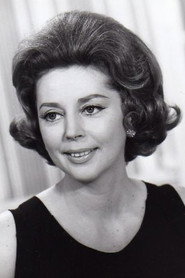 Anne VernonMademoiselle Le Blanc
 Simone ParisThe Madame
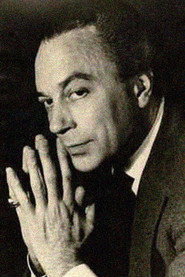 Maurice TeynacMonsieur Martin
- Rémy LongaPierre
 Nathalie NortRenée
- Darcy PulliamAgnès
- Suzanne MarchellierMademoiselle Germain
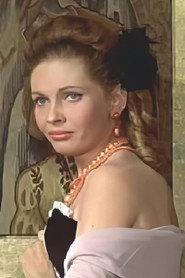 Bernadette SternFrançoise
Directing
- Radley MetzgerDirector
Writing
- Violette LeducNovel
- Jesse VogelScreenplay
Production
- Kurt UlrichProducer
- Radley MetzgerProducer
Recommended by
Sunday Bloody Sunday, Five Days One Summer, Giselle, Happily Ever After, Napoléon