
Film
Giselle
- Drama
- Strange
A 1980 Brazilian melodrama about a woman whose arrival fractures a rural family's carefully maintained façade, triggering desire, betrayal, and violence. It's deliberately provocative, blending soap opera intensity with exploitation thriller elements. For viewers drawn to transgressive cinema that treats sexual chaos and family collapse as serious subject matter rather than titillation alone.
If you liked this
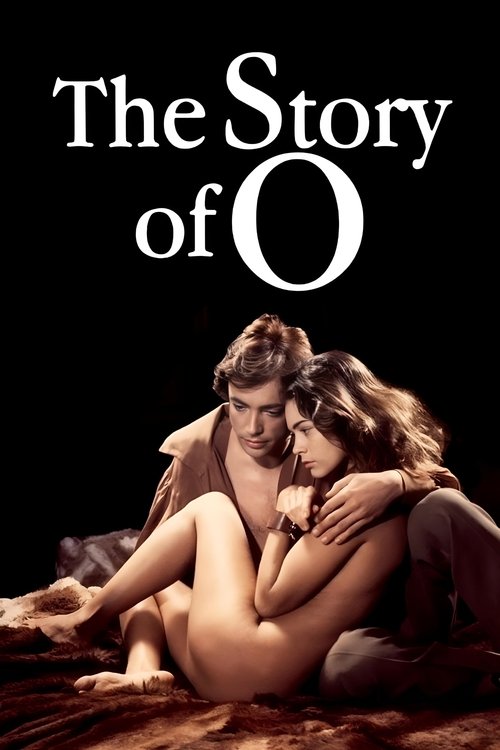
The Story of O1975
A controversial French adaptation that, like Giselle, refuses to flinch from depicting sexual transgression as central to its characters' identity. Formally daring and genuinely strange.
But Graphically explicit and presented without irony. Many find it exploitative rather than transgressive; it's genuinely difficult to watch.
Bitter Lake2015
Argentine melodrama about passion destroying a household, shot with lurid colour and emotional excess. Same register of family-as-battleground, same baroque intensity.
But Genuinely hard to track down outside festival circuits, and the print quality varies wildly when you do find it.
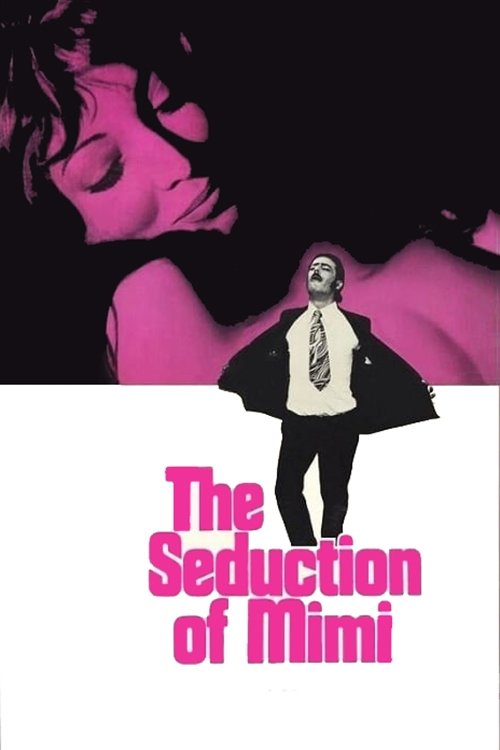
The Seduction of Mimi1972
Lina Wertmüller's Sicilian farce about a man whose wife's infidelity unravels his world. Same dark comedy about sexual betrayal destroying masculine pride and family structures.
But The tone whipsaws between comedy and brutality; some will find it tonally incoherent rather than brilliantly dissonant.
Not sure tonight? Get a pick in a minute, starting from Giselle
The wildcard
Something you would not have found on your own.
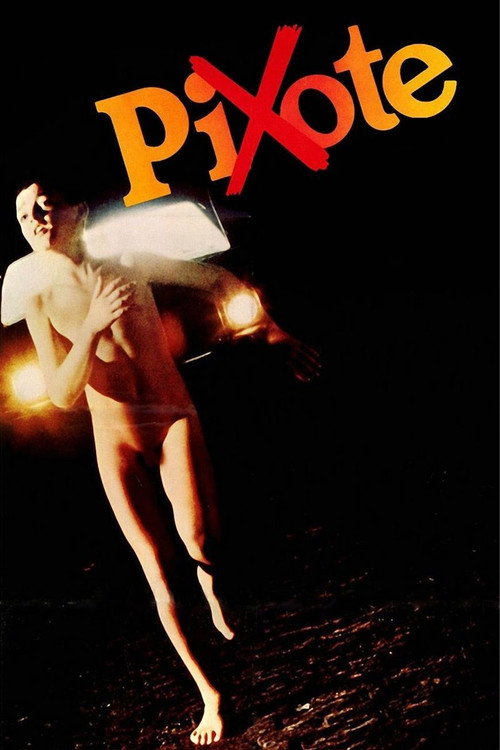
Pixote1980
Both emerge from early-1980s Brazilian cinema engaging with the body and violence as sites of social meaning; both refuse sentimentality about their subject matter.
Héctor Babenco's Brazilian devastation about abandoned children. It's from the same moment and place as Giselle, but its radicalism lies in documentation rather than melodrama—chaos erupts from poverty and neglect, not sexual transgression. Raw in a completely different register.
But Deeply bleak. Children suffer brutally on screen in ways that feel difficult to justify as cinema; many find it exploitative precisely because it's so convincing.
More like this (3)
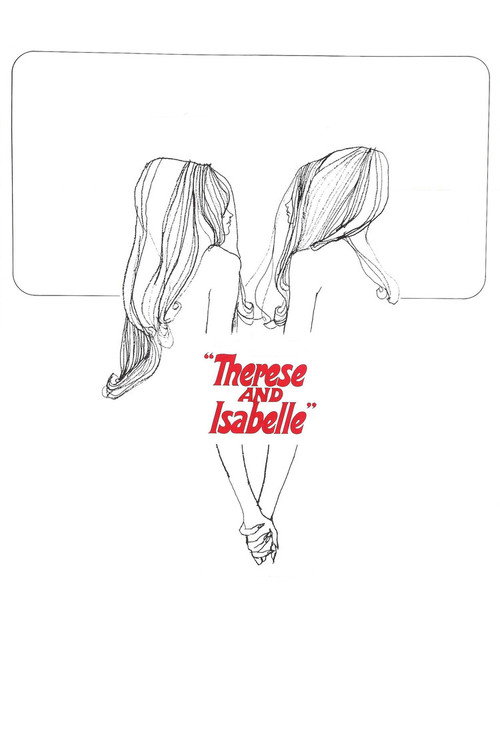
Therese and Isabelle1968
French New Wave sapphic melodrama about how desire between two women dismantles the propriety of their bourgeois world. Genuinely sensual and unapologetic.
But Slow to the point of stasis, and explicit in ways that feel more like feminist reclamation than conventional sexploitation—which won't satisfy everyone.
Night Games1966
Both interrogate how sexual desire functions as a destabilizing force within family; both trust that the subject is serious enough for formal experiment rather than plot clarity.
Mai Zetterling's Swedish psychological chamber piece about a man whose sexual awakening is entangled with family trauma. It's structurally like Giselle—desire as the engine of family collapse—but played as interior psychological dissection rather than melodramatic spectacle.
But Deliberately oblique and non-naturalistic; the style distances you from immediate emotional identification, which some will read as cold or pretentious.

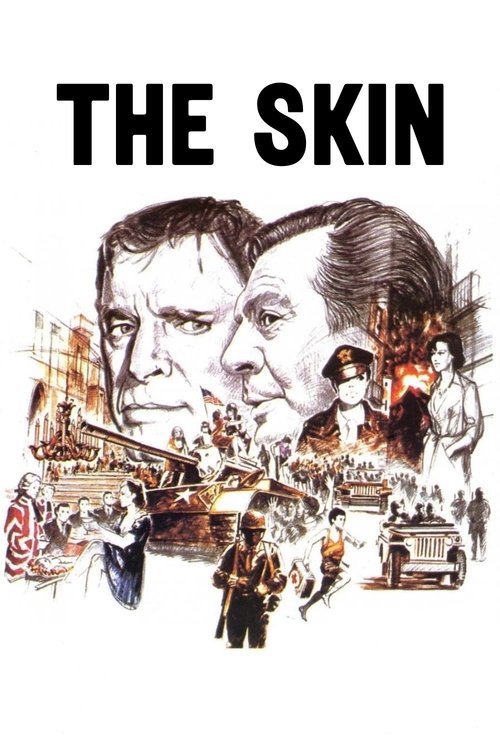
The Skin1981
Both insist that sexual chaos within family/intimate structures mirrors or reflects larger social collapse; both were made by filmmakers willing to be called exploitative for showing what actually matters.
Liliana Cavani's Italian epic about desire and power in WWII Naples. Vast in scope where Giselle is intimate, but identical in its unflinching treatment of sex as a currency of survival and a weapon of self-destruction within hierarchies that should protect people.
But Nearly four hours, historically dense, and the sexual violence is contextualised by war rather than isolated as dramatic event—which some find harder to process than straightforward transgression cinema.
People
Cast
- Alba ValeriaGiselle
 Carlo MossyAngelo
 Maria Lúcia DahlHaydée
 Nildo ParenteLuccini
- Ricardo FariaSerginho

 Zózimo BulbulJorge
Directing
- Victor di MelloDirector
Writing
- Victor di MelloWriter
Production
- Avelino Dias dos SantosAssociate Producer
- José Carlos EscafuraAssociate Producer
- Victor di MelloAssociate Producer
- Bernardo GoldzzalProducer
- Carlo MossyProducer
- Alberto Sabino de FreitasProduction Manager
- Geraldo MohrProduction Manager