
Film
Nijinsky
A 1980 portrait of the legendary dancer Nijinsky at the peak of his artistry and the height of his entanglement with impresario Diaghilev. Visually sumptuous, emotionally turbulent, it captures the intoxicating collision of genius, desire, and creative obsession. A film for anyone moved by dance, by the dark side of mentorship, or by the cost of beauty.
If you liked this
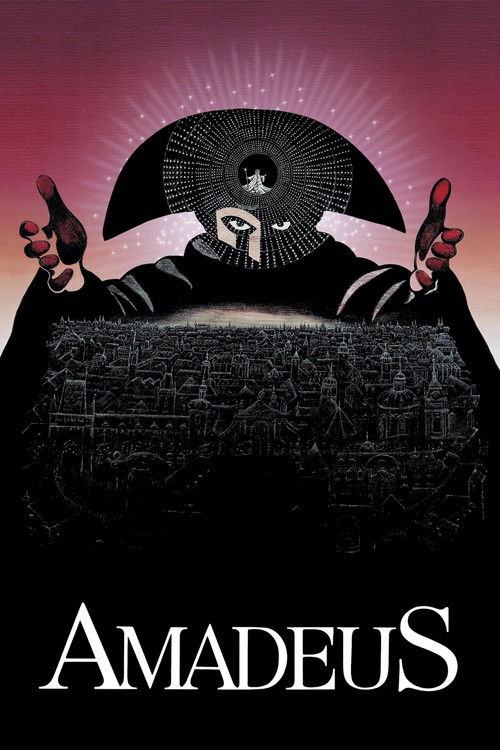
Amadeus1984
A companion piece about artistic genius trapped by circumstance and ego. Like Nijinsky, it's a lavish dramatization of a real artist's brilliant, doomed trajectory, told with operatic intensity and visual splendour.
But Three and a half hours long, and deliberately theatrical to the point where you might feel the drama is performing for you rather than trusting you to feel it.
The Red Shoes1948
Powell and Pressburger's masterpiece: a dancer caught between love and art, between two men with competing claims on her soul. Like Nijinsky, it's about the terrible arithmetic of passion and ambition, filmed in colour so rich it hurts.
But Made in 1948; the gender dynamics and some of the melodrama read as dated, even if the emotional core still lands hard.

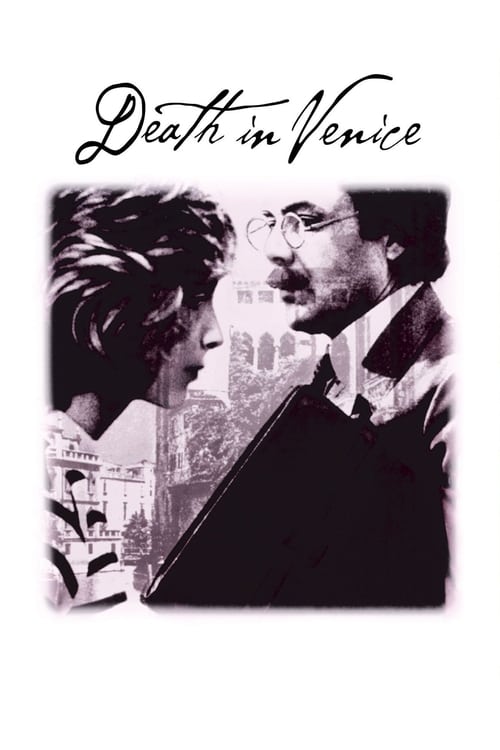
Death in Venice1971
Visconti's meditation on beauty, desire, and the impossibility of holding onto either. Same director as the Traviata mentioned above. Ornate, slow, and utterly hypnotic if you're in the mood for it.
But Very slow. Deliberately. If you need plot momentum or dialogue to stay engaged, this will feel like watching paint dry in a museum.
Not sure tonight? Get a pick in a minute, starting from Nijinsky
The wildcard
Something you would not have found on your own.
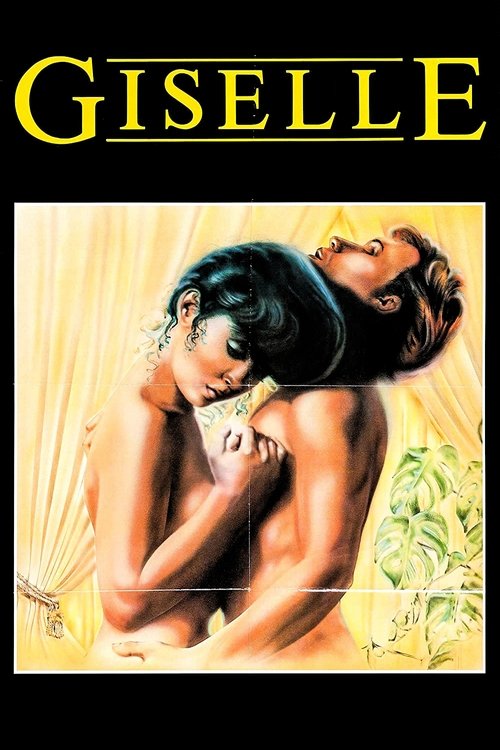
Giselle1980
The ballet itself, the body as the primary instrument of storytelling, and Nureyev's own tragic entanglement with the role of the misunderstood male genius.
Watch an actual ballet rather than a film about one. The Royal Ballet's 1968 filmed version, with Margot Fonteyn and Rudolf Nureyev, is the closest thing to feeling what Nijinsky felt when he danced. Nureyev himself was another queer icon destroyed by the same machinery that created him.
But It's ballet. If narrative drives you and abstract movement leaves you cold, this won't convert you. It also asks for a kind of patience most modern storytelling has trained out of us.
More like this (7)
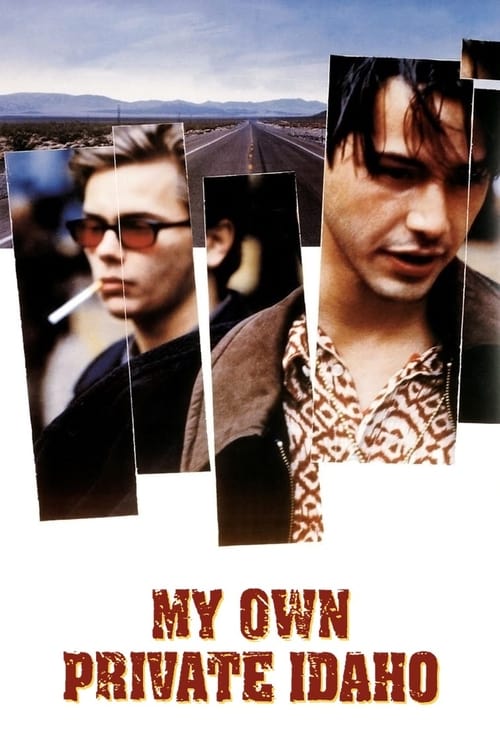
My Own Private Idaho1991
Gus Van Sant explores queer desire, exploitation, and the people who orbit charismatic destroyers. Formally inventive and genuinely heartbreaking, it shares Nijinsky's interest in how genius and vulnerability collide.
But It's bleak and occasionally incoherent by design. The film mirrors its protagonist's dissociation, which makes it powerful but also sometimes hard to follow.
Another Year2010
Mike Leigh's study of how love warps people—how dependency disguises itself as devotion. Quieter than Nijinsky, but examining the same psychological terrain: what we owe each other, and what we destroy in claiming it.
But Dialogue-heavy and unsentimental. If you're looking for catharsis or a clear moral, you'll leave disappointed.

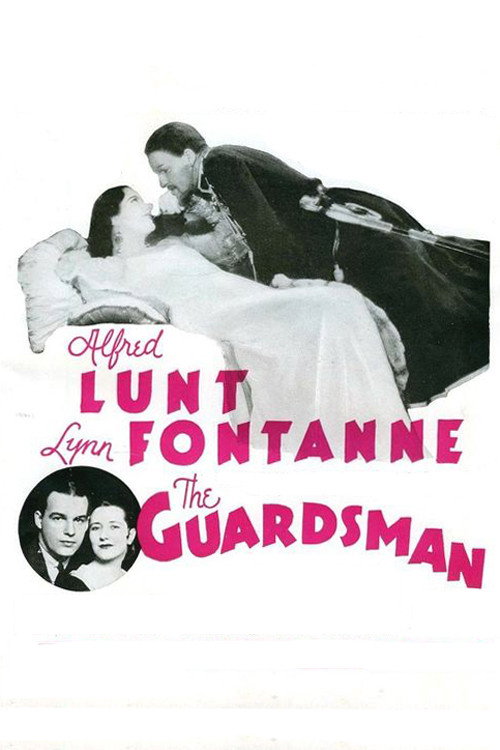
The Guardsman1931
An early Lubitsch about performance, jealousy, and the masks lovers wear. It's light where Nijinsky is heavy, but it shares the same fascination with how seduction and theatre are indistinguishable.
But Pre-Code Hollywood sophistication won't speak to everyone. It's witty but can feel mannered if you're not attuned to that register.
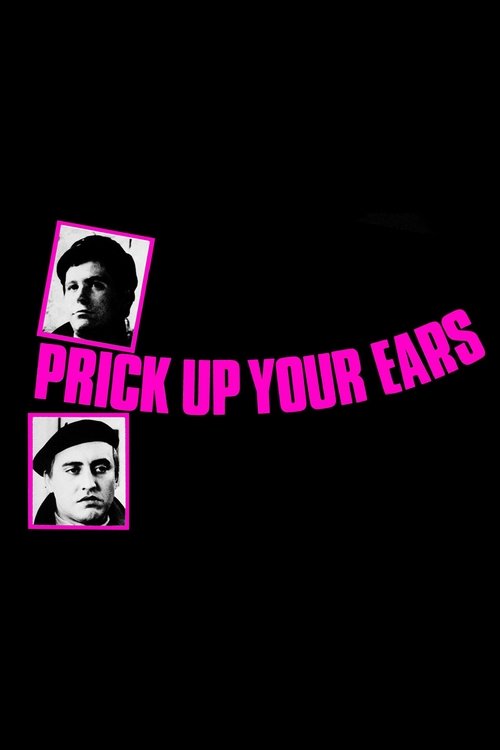
Prick Up Your Ears1987
Stephen Frears' biography of playwright Joe Orton: another story of artistic brilliance married to sexual chaos and a lover who both inspires and destroys. Gary Oldman is electrifying, and it's far funnier than Nijinsky without being less serious.
But The tone is deliberately uneven—comedy lurching into violence—which some will find jarring rather than effective.
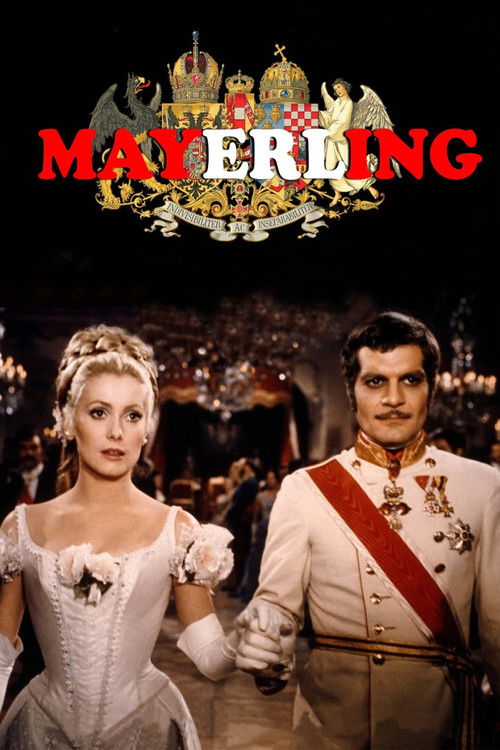
Mayerling1968
The love affair between Crown Prince Rudolf and his mistress Maria Vetsera, told with Baroque excess. Pure melodrama about power, youth, and the impossibility of love across impossible hierarchies. Visually stunning.
But Heavily dependent on your tolerance for aristocratic soap opera. If that sounds unbearable, it will be.
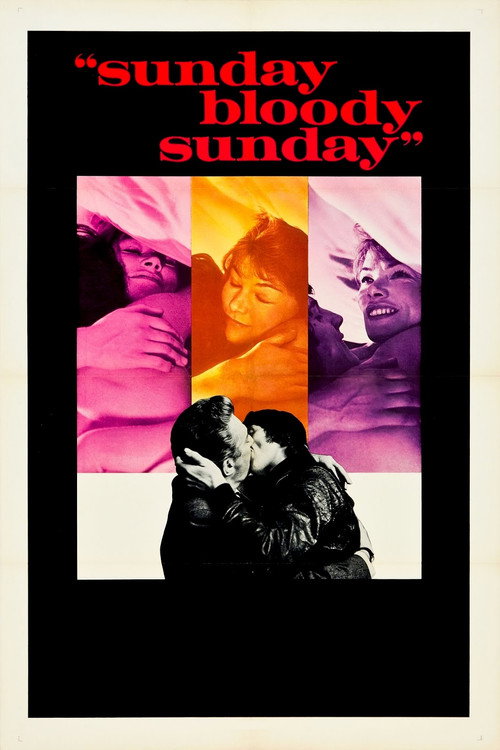
Sunday Bloody Sunday1971
It's asking the same questions about love and loss that Nijinsky is, but from outside the world of dance and fame—more domestic, more interior, and perhaps more devastating for it.
John Schlesinger's bold drama about two lovers—a man and a woman—who share one bisexual boyfriend. A film that insists on the reality and dignity of queer desire when mainstream cinema was still pretending it didn't exist. Gary and Glenda Jackson are magnificent.
But It's fundamentally sad, and the ending refuses comfort. Some will find the restraint admirable; others will find it depressing.
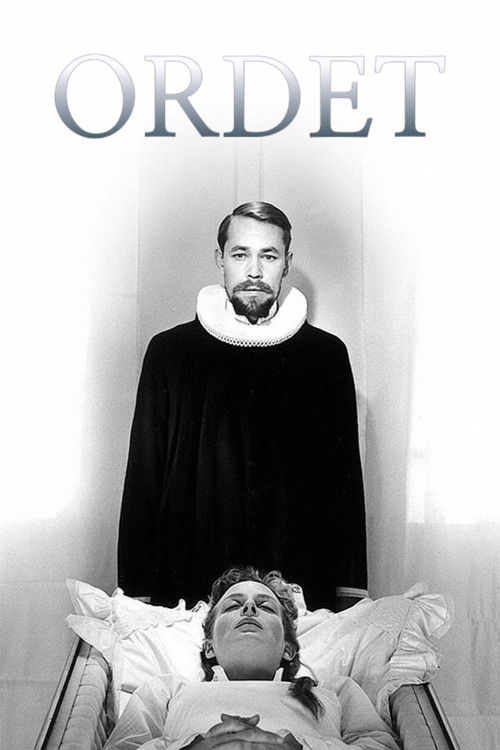
Ordet1955
Both are about transcendence—the moment when a body becomes something more than flesh. Nijinsky's dances, Dreyer's Christ: both require you to believe in the impossible made visible.
Carl Theodor Dreyer's masterpiece about faith, doubt, and the collision between spiritual and erotic love. Formally austere, emotionally overwhelming. A Danish film from 1955 that feels like it was made in no particular era. Rebuilds your belief in cinema.
But Severely austere black and white, minimal plot in the conventional sense, and a final act that plays as religious kitsch if you're not prepared for its sincerity. Not everyone will meet it where it is.
People
Cast
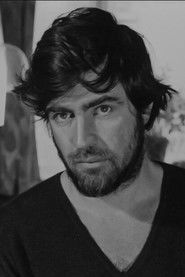 Alan BatesSergei Diaghilev
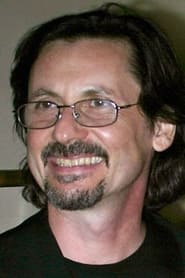 George De La PenaVaslav Nijinsky
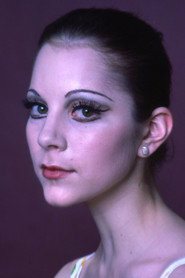 Leslie BrowneRomola de Pulsky
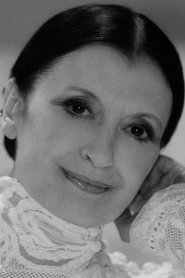 Carla FracciTamara Karsavina
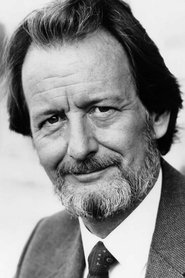 Ronald PickupIgor Stravinsky
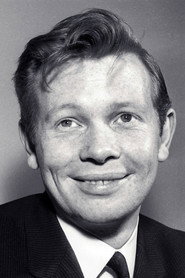 Ronald LaceyLeon Bakst
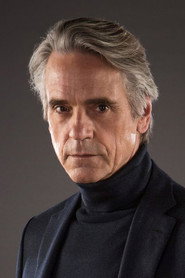 Jeremy IronsMikhail Fokine
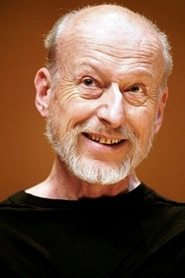 Vernon DobtcheffSergei Grigoriev
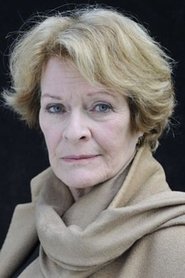 Janet SuzmanEmilia Marcus
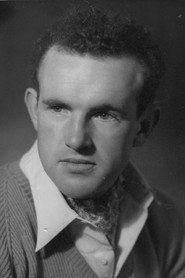 Colin BlakelyVassili
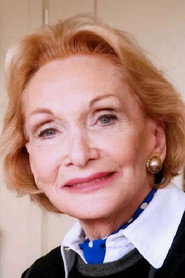 Siân PhillipsLady Ripon
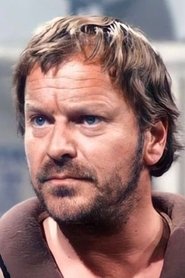 Frederick JaegerGabriel Astruc
Directing
- Ariel LevyAssistant Director
- Herbert RossDirector
- Timea VeressFirst Assistant Director
- Louise JaffeScript Supervisor
- Christopher NewmanThird Assistant Director
Writing
- Hugh WheelerWriter
- Romola NijinskyWriter
Production
- Howard JeffreyAssociate Producer
- Harry SaltzmanExecutive Producer
- Nora KayeProducer
- Stanley O'TooleProducer
- Scott WodehouseProduction Manager
- Al BurgessProduction Supervisor
- Hunt DownsPublicist