
Film
The Guardsman
A jealous actor disguises himself as a suave Russian officer to test his actress wife's fidelity, only to lose control of his own elaborate game. This 1931 comedy-drama stars real-life husband-and-wife team Alfred Lunt and Lynn Fontanne in a sparkling battle of wits about trust, performance, and the masks we wear in marriage. It's theatrical, brittle, and deeply human.
If you liked this
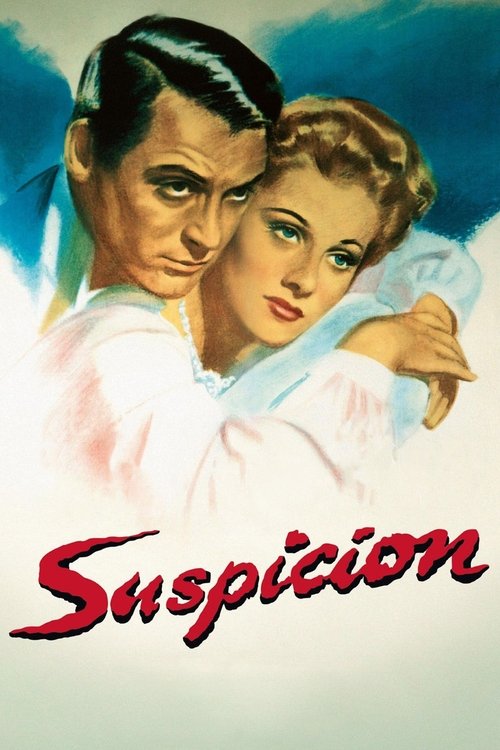
Suspicion1941
Cary Grant and Joan Fontaine play a married couple where doubt poisons everything. Like *The Guardsman*, it explores how jealousy and performance can become weapons between people who should trust each other most.
But The film asks its audience to sit with genuine unease about a marriage falling apart. There's no easy comfort here, which some find more bleak than entertaining.
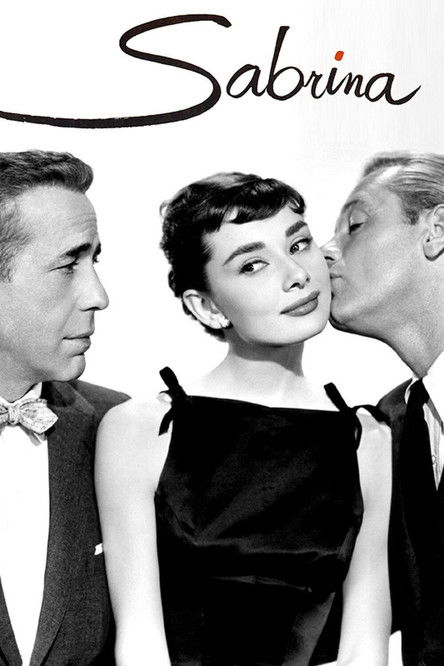
Sabrina1954
Audrey Hepburn caught between two brothers, and the whole film hinges on mistaken identity and the question of who's really fooling whom. Smart, witty, and built on the same machinery of confusion and revelation as *The Guardsman*.
But It's gentler and glossier than *The Guardsman*—some prefer that tone, others find it less honest about what deception costs.
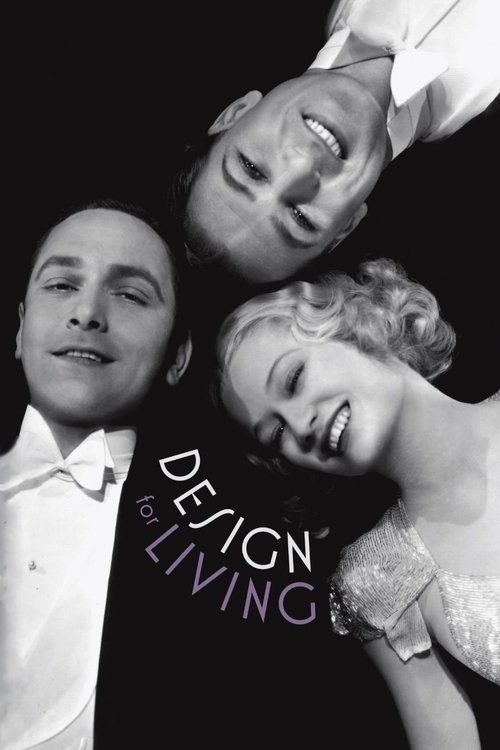
Design for Living1933
Ernst Lubitsch directed this Fredric March, Gary Cooper, and Miriam Hopkins triangle where sex, jealousy, and performance dominate. That same sharp sophistication and sexual tension, that edge of cruelty lurking under the flirtation.
But The sexual politics are very much of the 1930s. What plays as witty sparring can read as men toying with a woman's emotions.
Not sure tonight? Get a pick in a minute, starting from The Guardsman
The wildcard
Something you would not have found on your own.
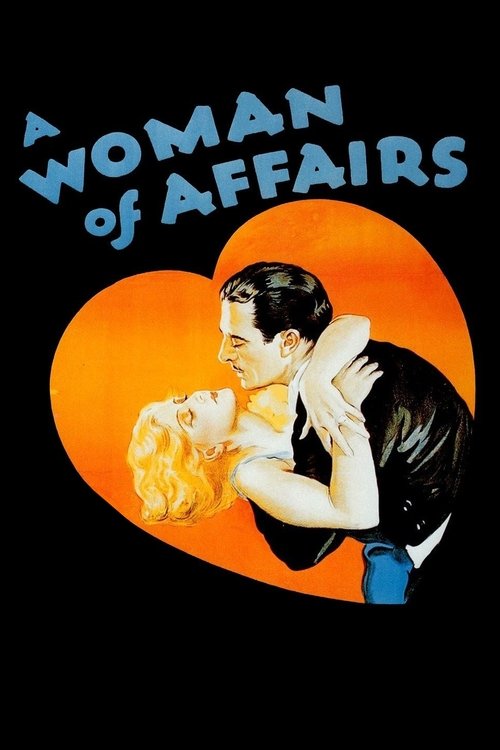
A Woman of Affairs1928
Both are about a marriage destroyed by the performance of fidelity—the thing you prove is the thing that breaks trust. Garbo's film shows what happens when the guardsman's game goes too far and there's no way to laugh it away.
Greta Garbo and John Gilbert in a silent film about a woman suspected of infidelity while her husband watches from the shadows. No dialogue needed: the performance is everything, and the jealousy is visual, raw, and devastating. It's *The Guardsman* stripped to its emotional core before sound even arrived.
But Silent cinema demands patience. If you need dialogue to follow emotion, this will feel opaque and slow.
More like this (8)
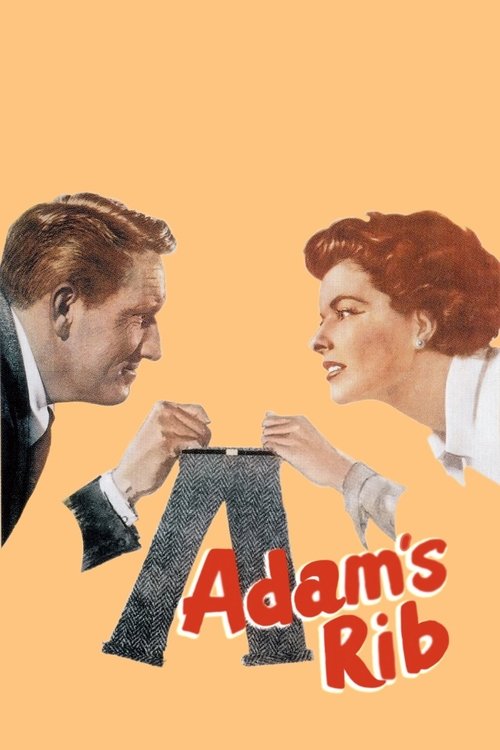
Adam's Rib1949
Spencer Tracy and Katharine Hepburn as married lawyers on opposite sides of a case. The real subject is how marriage survives when you're both smart enough and stubborn enough to fight each other properly.
But It's gentler and more American than *The Guardsman*. If you want European sophistication and genuine stakes, this might feel like comfort food.
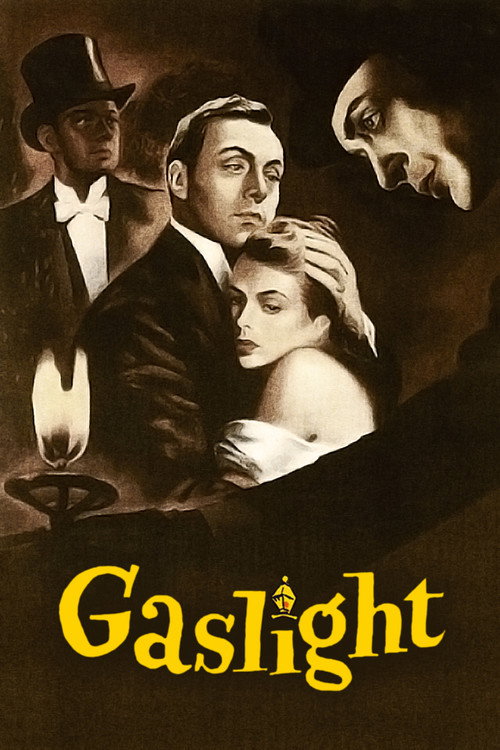
Gaslight1944
Charles Boyer systematically manipulates Ingrid Bergman by making her doubt her own mind. It takes the jealousy and performance of *The Guardsman* and transforms them into genuine psychological terror, showing what happens when games become weapons.
But It's much darker and uglier. *The Guardsman* is a game that spirals; *Gaslight* is deliberate cruelty, which is harder to watch.
The Philadelphia Story1940
Cary Grant, James Stewart, and Katharine Hepburn in a play about a woman, two men, and everyone pretending to be someone they're not. Same theatrical DNA as *The Guardsman*, with that screwball momentum masking real emotional damage.
But Three-star romance can feel frothy compared to the claustrophobic intensity of a marriage testing itself behind a single door.

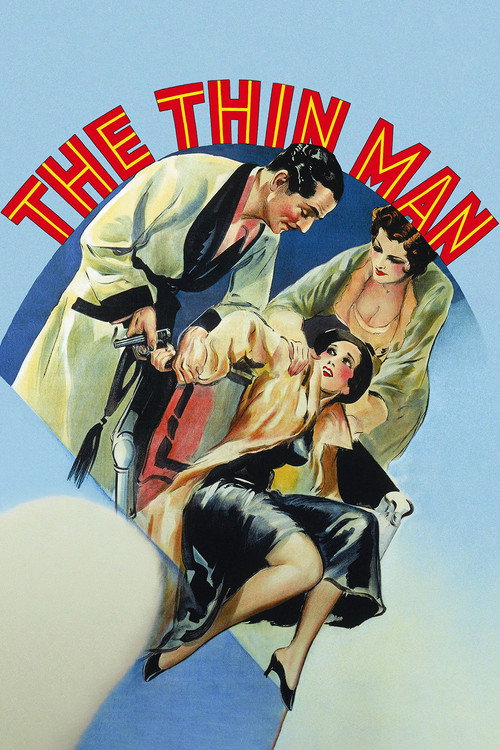
The Thin Man1934
William Powell and Myrna Loy as Nick and Nora Charles, a married couple solving a murder while bantering, drinking, and clearly adoring each other. It's proof that a married couple in a film can be funny, smart, and genuinely in love.
But It's fundamentally optimistic about marriage in a way *The Guardsman* deliberately avoids. If you want sophistication without the doubt, this delivers.
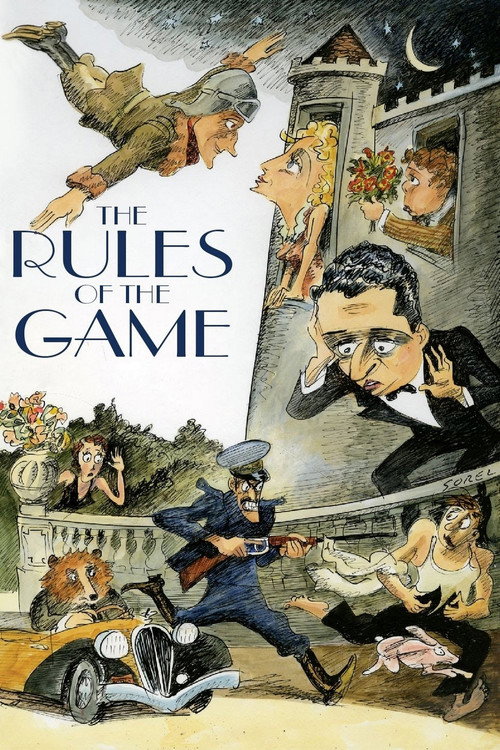
The Rules of the Game1939
Jean Renoir's masterpiece about a house party where everyone's lying about who they love and why. Same observation about human performance and desire; if *The Guardsman* is a microscope on one marriage, this is a ballroom mirror reflecting all of society.
But It's longer, more complex, and more formally ambitious. *The Guardsman* will feel more intimate by comparison.
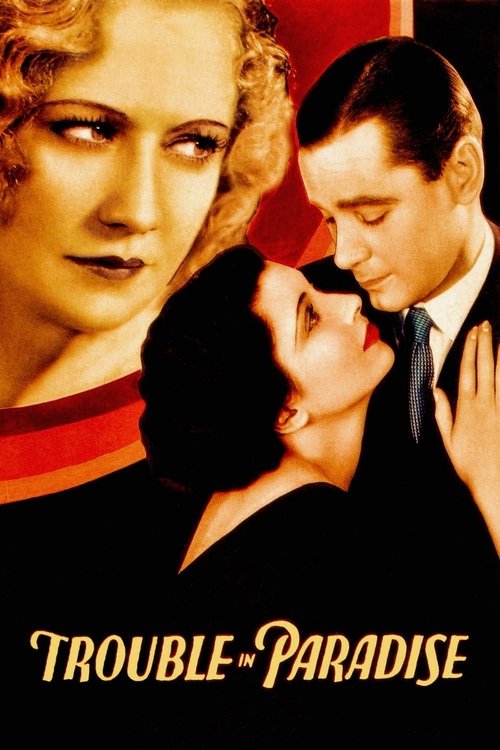
Trouble in Paradise1932
Ernst Lubitsch again: Herbert Marshall and Miriam Hopkins as con artists in love, performing for marks and for each other. That same Lubitsch touch where sex and deception are the same thing, and you can't tell where the con ends and the feeling begins.
But It's primarily a heist comedy. If you want the psychological weight of *The Guardsman*, you won't find it here.
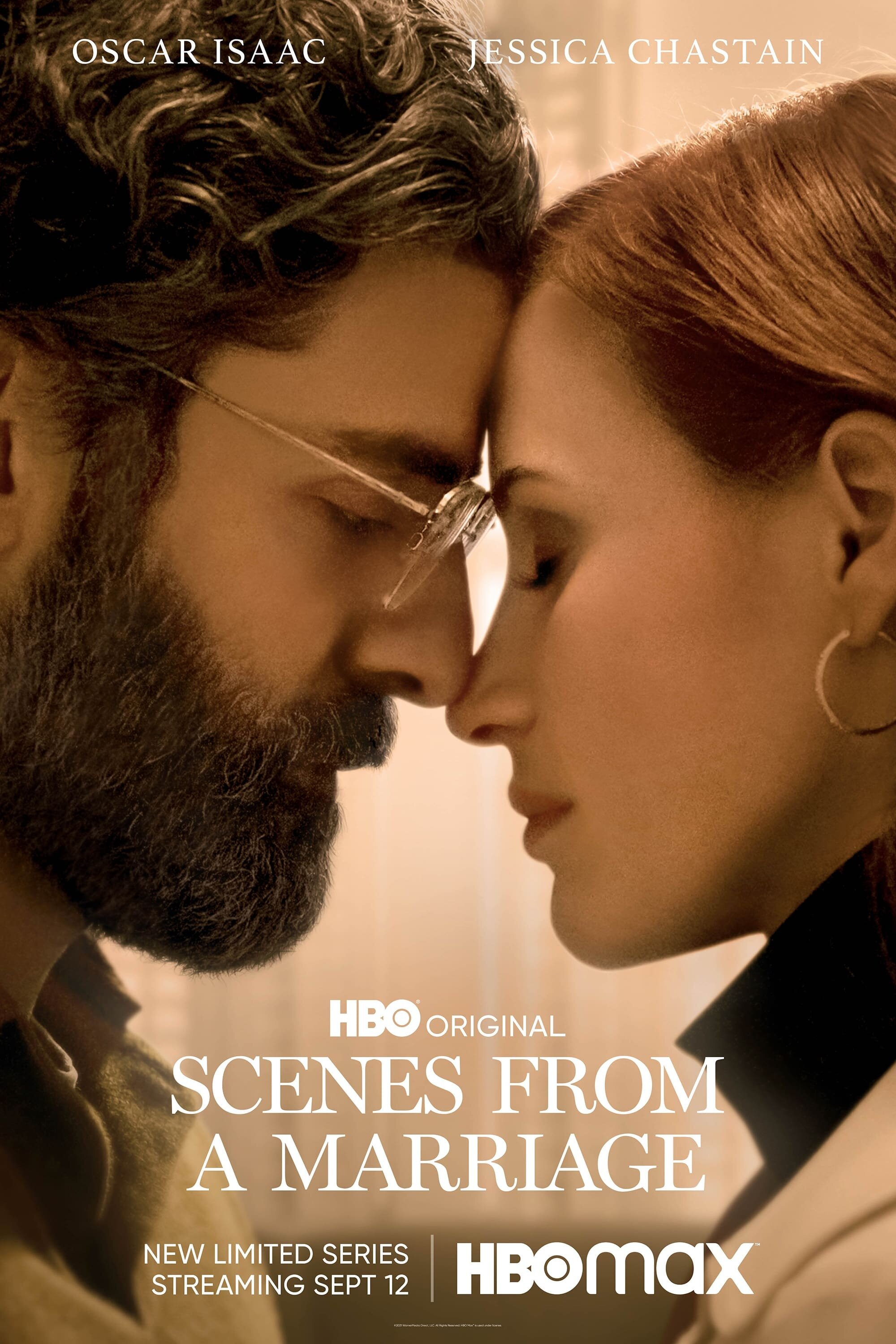
Scenes from a Marriage2021
Both understand that marriage is performance, but Bergman asks: what if you stop performing? What's left when the actor and actress finally drop the disguise?
Bergman's six-part miniseries follows a marriage across years of crisis, honesty, and disintegration. Liv Ullmann and Erland Josephson sit across from each other and perform every version of love—tenderness, rage, seduction, indifference. It's *The Guardsman* expanded to its logical conclusion: what happens when the masks finally come off.
But It's grueling and repetitive by design. The same two people in a room saying difficult things for hours will feel tedious if you're expecting plot momentum.
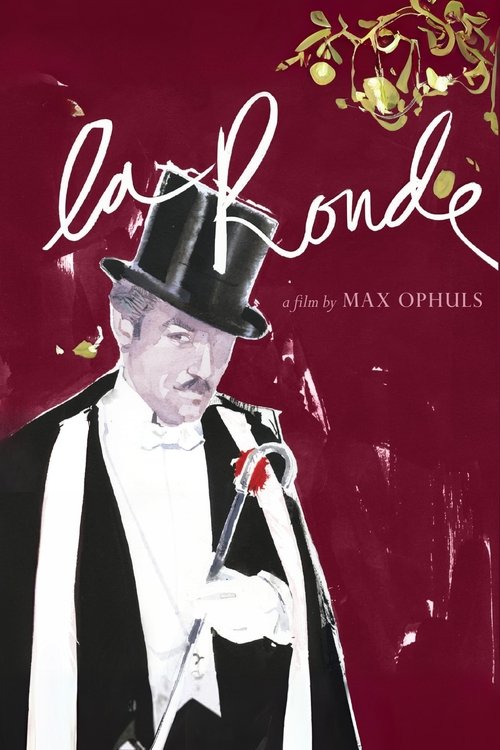
La Ronde1950
Where *The Guardsman* asks 'can I seduce my own wife by disguising myself,' *La Ronde* asks 'is anyone ever anything but disguised?' Same philosophy, but zoomed out to show the whole human circus.
Max Ophüls' carousel of desire: a prostitute, a soldier, a maid, a master, a married woman, a count, an actress, a poet—each couple seduces the next in a circle that closes on itself. It's about performance, seduction, and the lies we tell to get what we want, but instead of one jealous actor, it's the whole world lying to itself.
But The structure is circular and somewhat detached. If you want emotional stakes and character depth, this offers surfaces and arabesques instead.
People
Cast
 Alfred LuntThe Actor
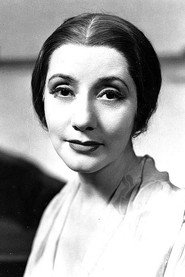 Lynn FontanneThe Actress
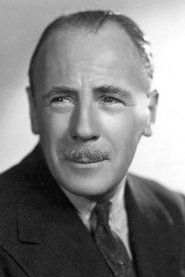 Roland YoungThe Critic
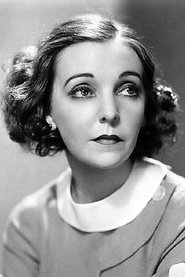 Zasu PittsLiesl
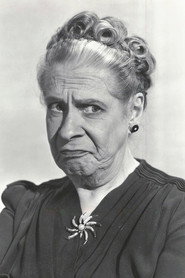 Maude Eburne"Mama"
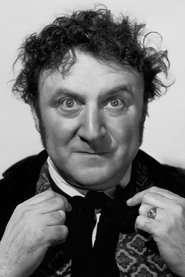 Herman BingA Creditor
 Ann DvorakFan Saying "There He Is" (uncredited)
 Geraldine DvorakOperagoer (uncredited)
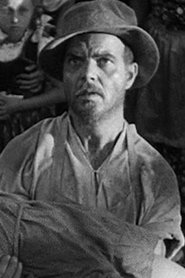 Michael MarkThe Actor's Valet (uncredited)
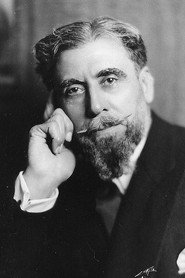 Eric MayneTheatregoer (uncredited)
Directing
- Harold S. BucquetAssistant Director
- Claudine WestContinuity
- Sidney FranklinDirector
Writing
- Ernest VajdaScreenplay
- Ferenc MolnárTheatre Play
Production
- Albert LewinProducer
- Irving ThalbergProducer