
Film
Design for Living
Ernst Lubitsch turns Noël Coward's play into something lighter than air and sharper than it looks: two men, one woman, and a shrug at monogamy that still feels startling for 1933. It's fast, frothy, and utterly unbothered by guilt — Pre-Code Hollywood at its most gleefully permissive, right before the censors clamped down. Best for anyone who likes romance witty rather than weepy.
If you liked this
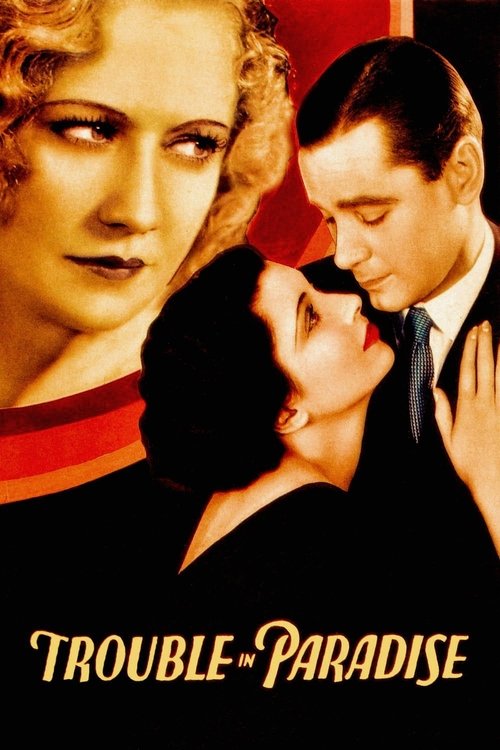
Trouble in Paradise1932
Lubitsch a year earlier, at his most elegant — con artists falling for each other and everyone else, with the same weightless wit and refusal to moralize about desire.
But The plot is thinner, more mood than momentum — some find it slight next to Design for Living's sharper dialogue.
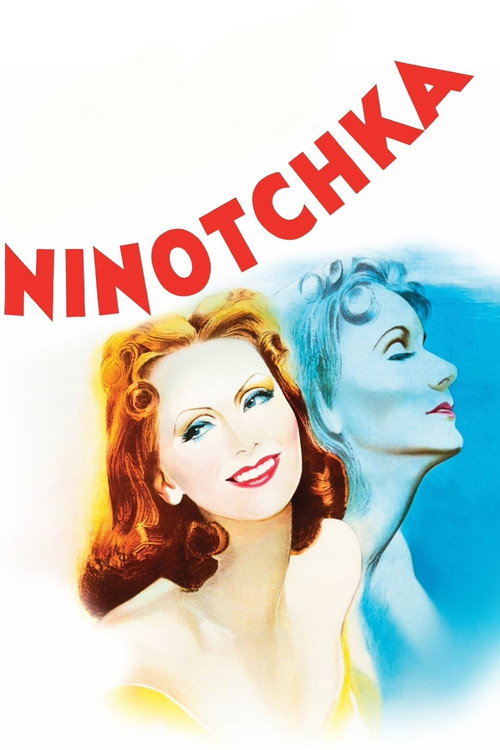
Ninotchka1939
Garbo laughs, famously, in Lubitsch's other great romantic comedy — communism versus champagne, cynicism melting into joy, from the same director who never once condescends to his characters.
But More overtly political satire than pure romance; the Cold War jokes land very differently eight decades on.
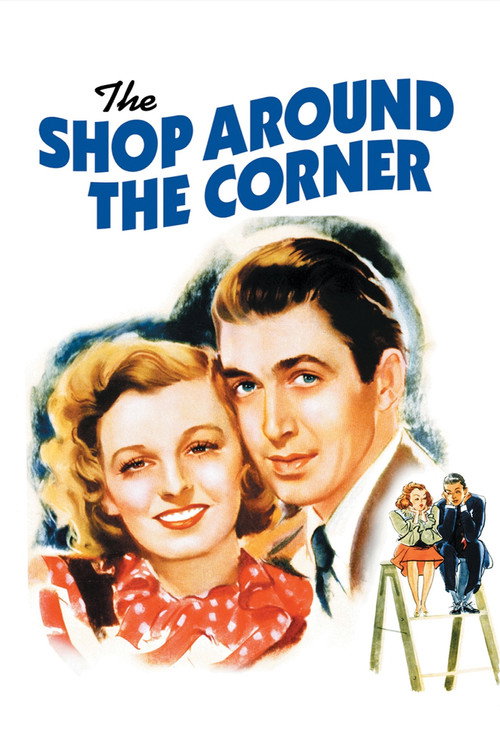
The Shop Around the Corner1940
Lubitsch again, gentler this time — a will-they-won't-they between coworkers that's warm rather than wicked, proof he could do tenderness as well as innuendo.
But No triangle, no scandal — if you came for the ménage à trois cheek, this is a quieter, sweeter animal entirely.
The wildcard
Something you would not have found on your own.
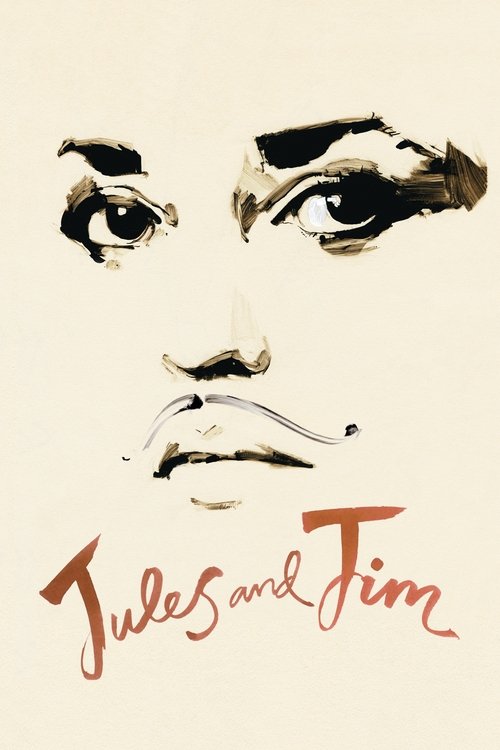
Jules and Jim1962
Same core structural premise as Design for Living — a woman loved equally by two men who refuse jealousy — but the French New Wave asks what time does to an arrangement Lubitsch keeps eternally, weightlessly young.
The same triangle — two men, one woman, refusing to choose — but stretched over decades and treated as elegy rather than farce, asking what happens when the champagne goes flat.
But Subtitled, unhurried, and it ends in sorrow rather than a shrug and a smile — the tonal opposite of Lubitsch's lightness.
More like this (8)
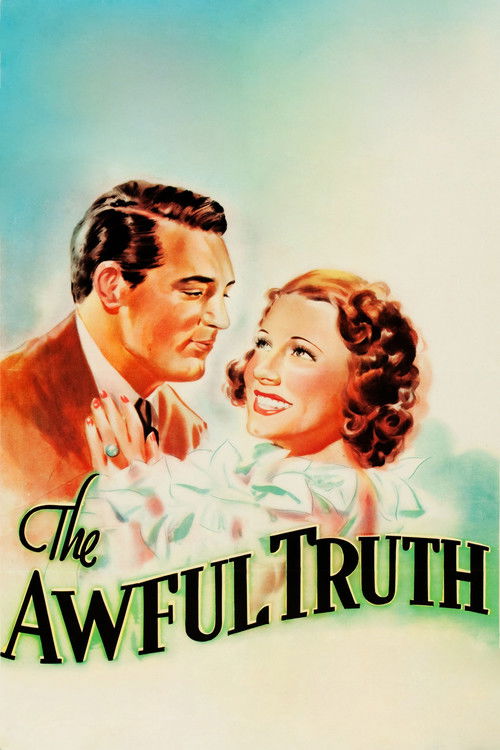
The Awful Truth1937
Cary Grant and Irene Dunne divorcing and re-seducing each other with the same rapid-fire, amoral wit that makes Design for Living sing.
But It's a two-hander, not a triangle — the specific thrill of three-way negotiation simply isn't on the menu.
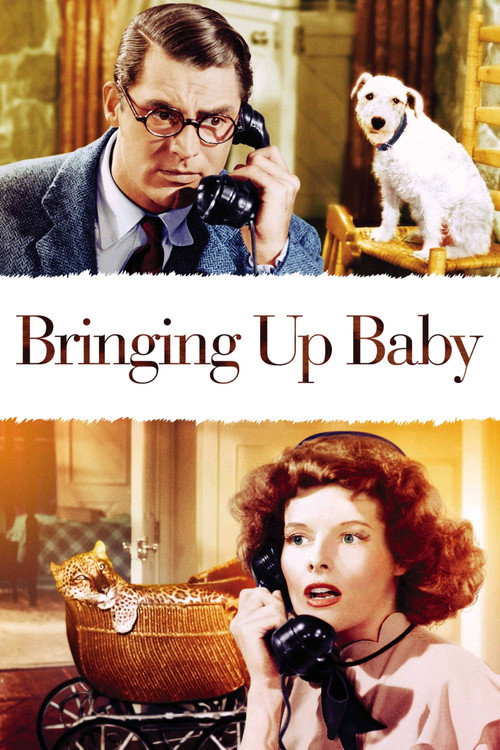
Bringing Up Baby1938
Faster, sillier, more chaotic — Hepburn and Grant chasing a leopard and each other in a farce that never once slows down to catch its breath.
But Broader physical comedy than Design for Living's talk-driven charm, with less interest in ideas about love than in pure mayhem.
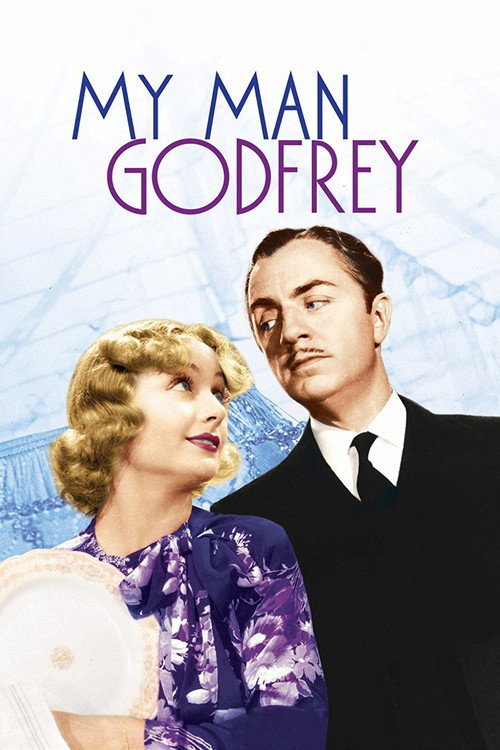
My Man Godfrey1936
A screwball comedy of manners with real bite underneath — class, money and desire tangled together, held up by Carole Lombard's glorious lunacy.
But Its daring is social rather than sexual, aimed at the Depression's rich-poor divide rather than at bedroom arrangements.
His Girl Friday1940
The dialogue moves faster than anything else on this list — ex-spouses, ambition and a newsroom, with a triangle of sorts humming underneath it all.
But All business and banter, almost no room for the swoony romantic atmosphere Design for Living luxuriates in.

Twentieth Century1934no page yet
Barrymore and Lombard tearing into each other with theatrical fury — a comedy about people too dramatic to just be happy, matching the era's giddy anarchy.
But More farce than seduction; the tone is manic and slapstick rather than the cool, languid sophistication Lubitsch favors.
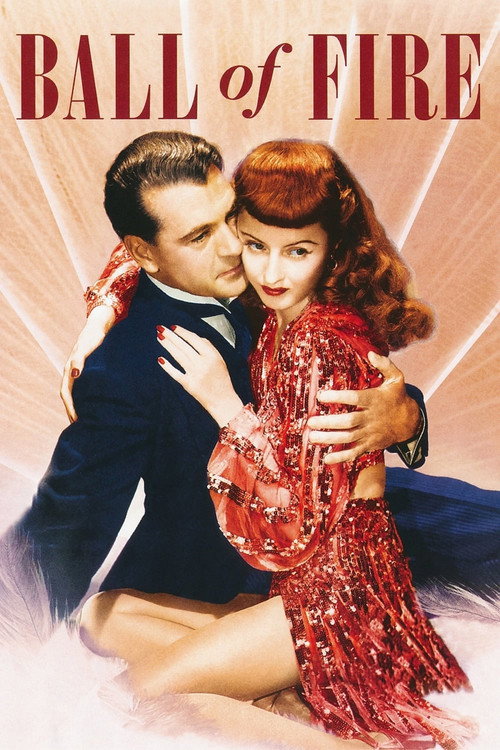
Ball of Fire1941
Gary Cooper, this time playing an uptight professor undone by Barbara Stanwyck's showgirl — a lighter echo of the same actor's romantic recklessness.
But Safely monogamous by the end, with none of the moral daring that keeps Design for Living feeling faintly illicit.
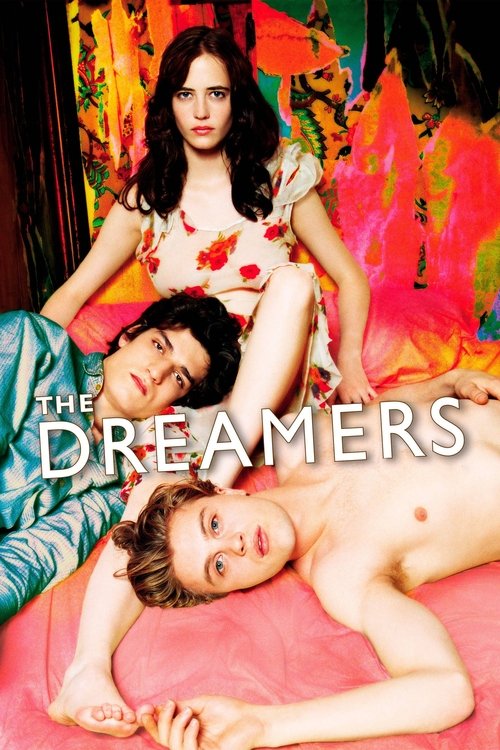
The Dreamers2003
A direct genre transposition of the same cohabiting-throuple premise, swapped from sparkling comedy into feverish, sexually explicit drama, testing how much darker the same setup can go.
Bertolucci drags the "three people, one bed, no rules" idea out of the drawing room and into 1968 Paris, all sweat, cinephilia and real danger.
But Explicit, intense and often uncomfortable — arthouse drama with real nudity and real menace, nothing like Design for Living's champagne fizz.
Polyamory: Married and Dating2012no page yet
Swaps Lubitsch's fantasy of effortless non-monogamy for the real, unglamorous version — same subject, wildly different medium and register, showing exactly what the movie was careful never to show.
A real, unscripted look at people actually trying to live the arrangement Lubitsch only fantasized about — messy, sincere, occasionally awkward, with none of a script doctor's polish.
But No wit, no glamour, no Paris — just ordinary people negotiating logistics and jealousy, the anti-glamour version of the same idea.
People
Cast
 Fredric MarchTom Chambers
 Miriam HopkinsGilda Farrell
 Gary CooperGeorge Curtis
 Edward Everett HortonMax Plunkett
 Franklin PangbornMr. Douglas
 Isabel JewellPlunkett's Stenographer
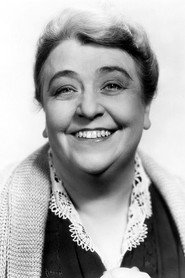 Jane DarwellCurtis' Housekeeper
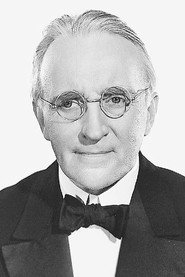 Wyndham StandingMax's Butler
- Cosmo Kyrle BellewMan (uncredited)
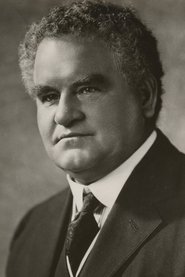 Lionel BelmoreTheatre Patron (uncredited)
- Thomas BraidonDouglas' Second Manager (uncredited)
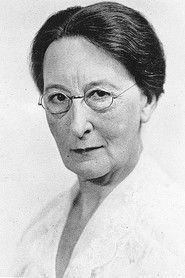 Nora CecilTom's Secretary (uncredited)
Directing
- Ernst LubitschDirector
Writing
- Ben HechtScreenplay
- Noël CowardTheatre Play
Production
- Ernst LubitschProducer
Recommended by
The Philadelphia Story, Trouble in Paradise, Heaven Can Wait, The Dreamers, Jules and Jim