
Film
Cheer Boys Cheer
A 1939 British comedy about warring brewery families whose children fall in love, forcing the old guard to reckon with a new generation. It's light, charming, and surprisingly warm-hearted, with the kind of ensemble warmth that made British comedies of the era so watchable. Perfect if you like your romance with a side of industrial scheming and fond ribbing.
If you liked this
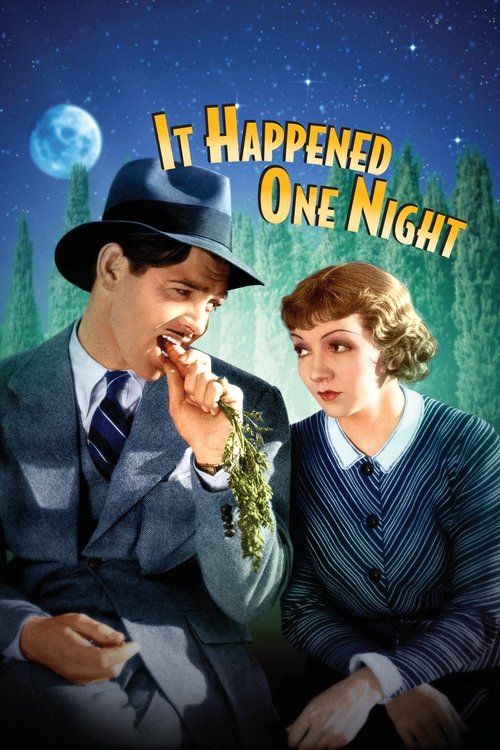
It Happened One Night1934
A screwball masterpiece about class collision and romance, where sparring leads to connection. It set the template for every romantic comedy that followed, and it still feels alive and funny.
But The pacing is languid by modern standards, and some of the gender politics will feel dated, even if the film itself is self-aware about them.
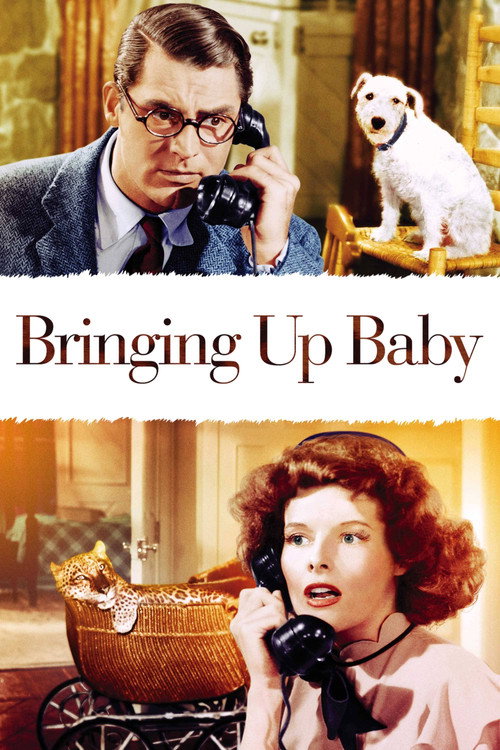
Bringing Up Baby1938
Cary Grant and Katharine Hepburn in pure chaos—a film about courtship disguised as a screwball chase. Faster and funnier than almost anything made now, and the romantic core is genuine.
But The leopard subplot genuinely makes no sense, and the sheer volume of coincidences requires you to surrender to the logic of comedy.
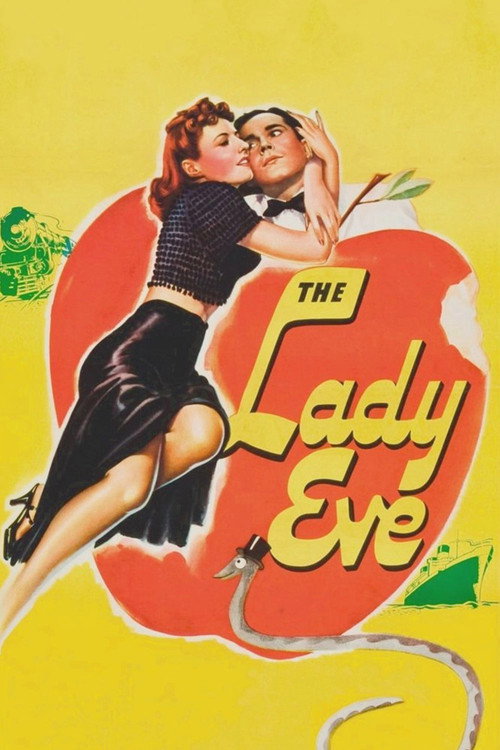
The Lady Eve1941
Preston Sturges's masterpiece about con-artist romance and the woman who out-thinks the man she loves. Smart, sexy, and endlessly inventive in its plotting.
But It's a con-movie dressed as romance, so the emotional stakes get complicated in ways that some viewers find manipulative.
Not sure tonight? Get a pick in a minute, starting from Cheer Boys Cheer
The wildcard
Something you would not have found on your own.
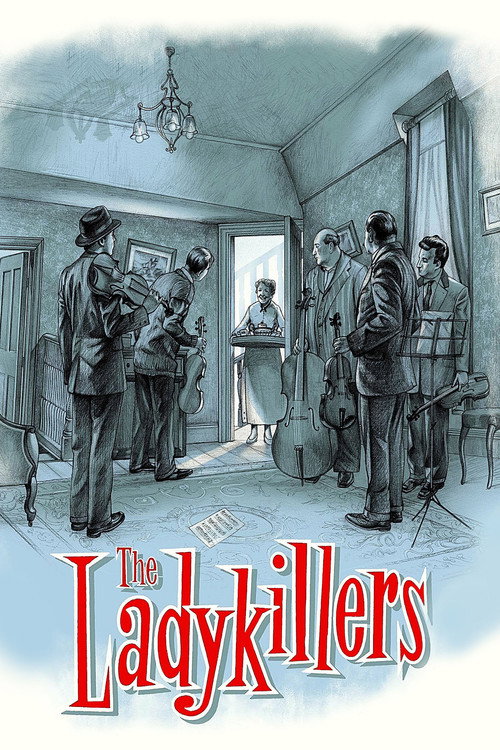
The Ladykillers1955
Both films are about rival powers (criminals and a landlady, breweries and their children) discovering they're more alike than opposed, and both celebrate the wit and resourcefulness of ordinary people.
Ealing Studios' last masterpiece: five criminals posing as musicians rent a room from an old landlady in Glasgow who slowly takes over their entire operation. It's funny, devious, and fundamentally about how much sharper the working class are than anyone plotting against them.
But It's in black and white, the pacing is deliberate, and the humour is dry in ways that require active listening—no one's performing for you.
More like this (8)
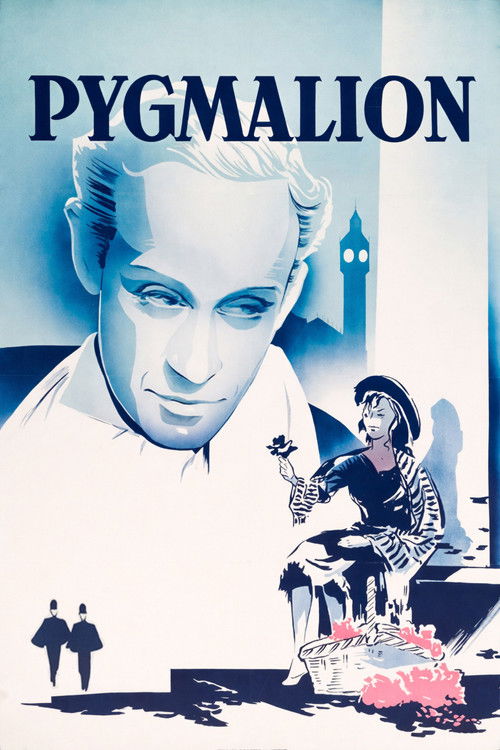
Pygmalion1938
Shaw's play about class, language, and reinvention, beautifully brought to film. It's funny and tender and asks real questions about who gets to decide who you become.
But The central premise—a man moulding a woman into acceptability—can feel patronizing even when the film is aware of it.
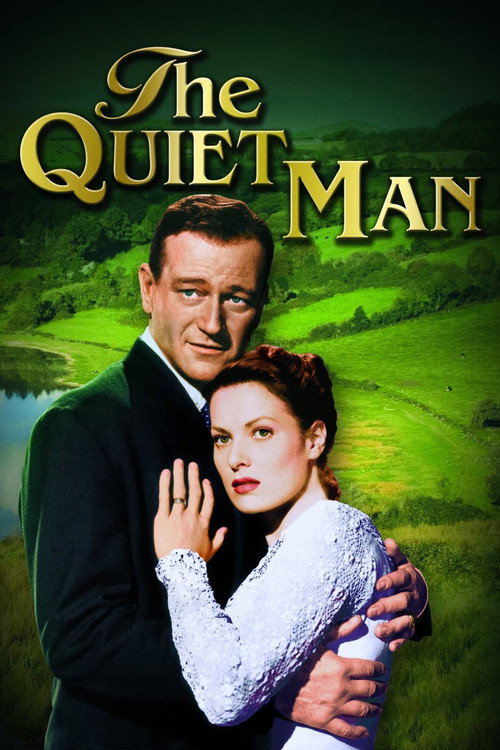
The Quiet Man1952
John Ford's Irish romance: a boxer returns home and meets a woman who won't be tamed. It's gorgeously shot, funny, and built on the idea that love should be spirited and equal.
But The famous fight scene is long and broad in a way that feels gratuitous, and the sentimentality about Ireland borders on parody.
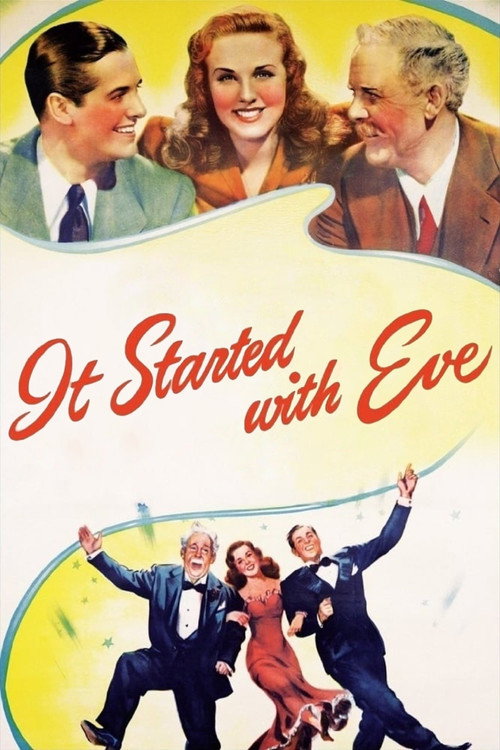
It Started with Eve1941
A dying millionaire's son pretends his secretary is his fiancée; she plays along, and they fall in love while lying. Deirdre is smart and funny, and the film never punishes her for being resourceful.
But The plot hinges on deception that could hurt real people, and the film is only intermittently aware of the cruelty involved.
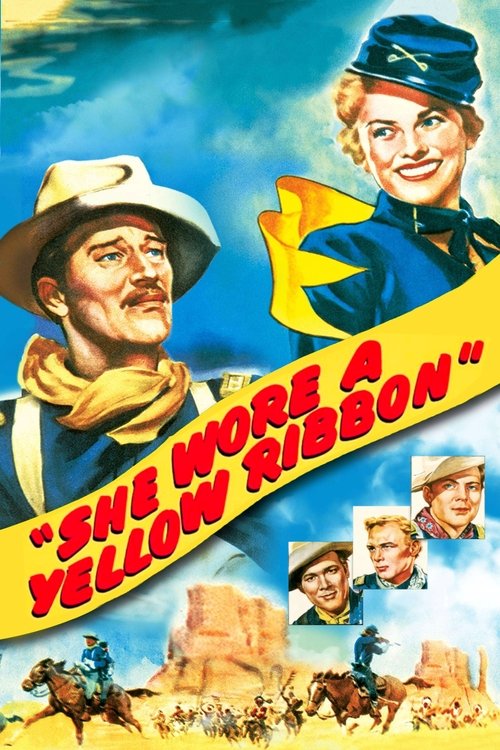
She Wore a Yellow Ribbon1949
John Ford's cavalry western, warm and elegiac. It's about duty and legacy and a man learning to step aside—themes that run through Cheer Boys Cheer, but in a wholly different register.
But It's a western, so if you want 1939 British brewery comedy, this is a very long detour into Monument Valley.
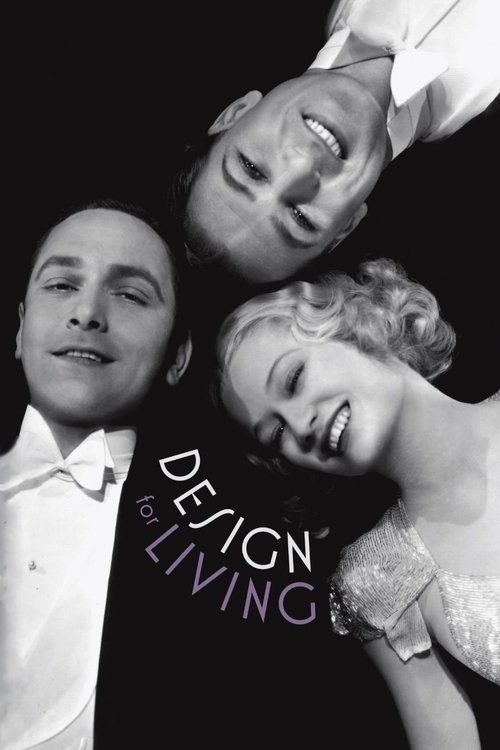
Design for Living1933
Noël Coward's play: three artists in Paris, two men and a woman, all in love with each other. It's sophisticated, funny, and genuinely curious about how love and work and friendship tangle.
But The sexual freedom at its centre means some people find it either too ahead of its time or not ahead of it enough, depending on who you ask.
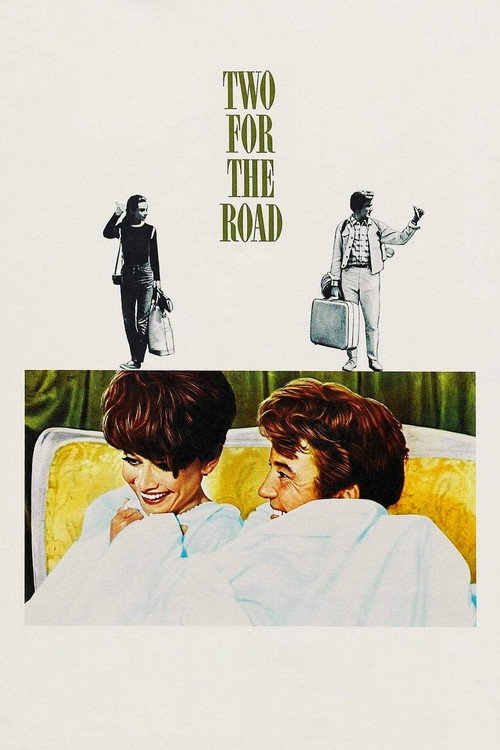
Two for the Road1967
A marriage told in fragments, jumping through time. It's witty about partnership and what happens when you choose the same person over and over, or stop choosing them.
But The nonlinear structure confused audiences in 1967 and still asks patience; some of the gender dynamics feel sour in ways the film doesn't quite acknowledge.
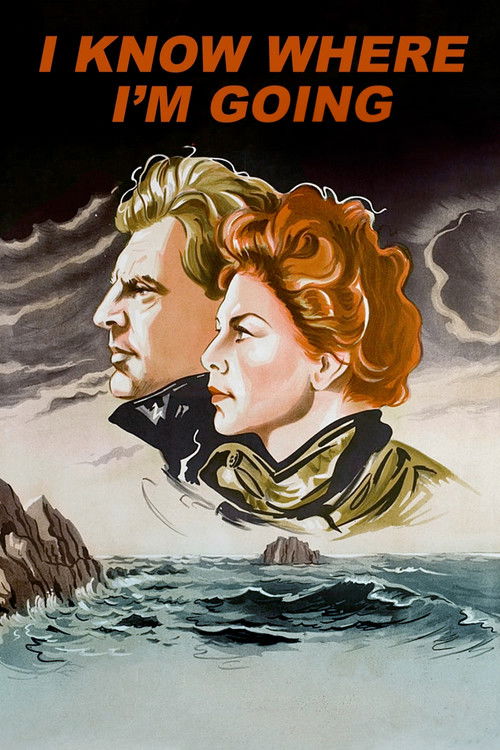
I Know Where I'm Going!1945
Both films are about young people breaking the rules their parents made, and both understand that the older generation's assumptions are built on fear, not wisdom.
A woman engaged to marry a rich man gets stranded on a Scottish island and falls for a poor naval officer instead. Powell and Pressburger's film is romantic without being saccharine, and it trusts its audience to understand that people change their minds because life is surprising.
But It's in colour but shot in Scotland in the 1940s, so the palette is muted; the romance is cerebral and quiet, not sweeping.
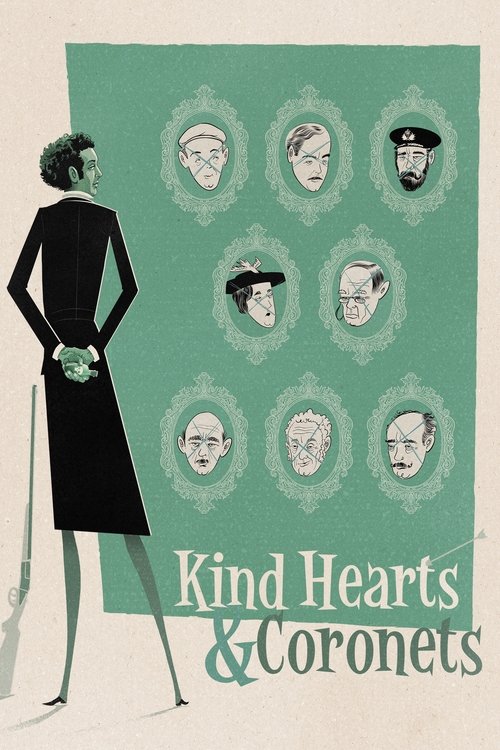
Kind Hearts and Coronets1949
Both are British ensemble comedies about class, inheritance, and families at war, but Kind Hearts flips the register from warmth to malice—it's Cheer Boys Cheer if everyone involved were actually vicious.
Alec Guinness plays eight roles in a film about a man murdering his way toward a dukedom. It's a dark comedy dressed as a drawing-room drama, funny and appalling in equal measure, and it gets better every time you watch it.
But It's a film about serial murder played for laughs, and the tone is so controlled that some viewers find it cold rather than darkly funny.
People
Cast
 Nova PilbeamMargaret Greenleaf
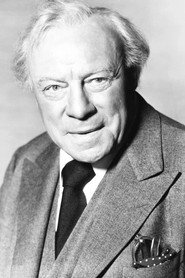 Edmund GwennEdward Ironside
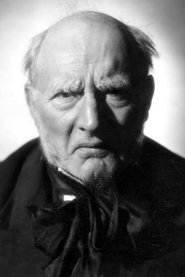 Moore MarriottGeordie
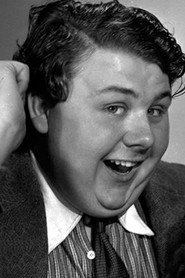 Graham MoffattAlbert Baldwin
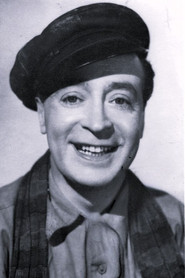 Jimmy O'DeaMatt Boyle
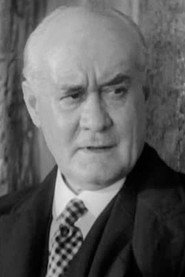 C. V. FranceTom Greenleaf
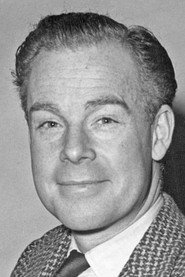 Peter CokeJohn Ironside
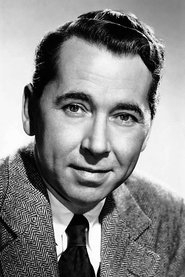 Alexander KnoxSaunders
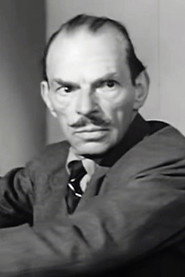 Ivor BarnardNaseby
- Sidney MoncktonSancho
- Jean Webster-BroughBelle
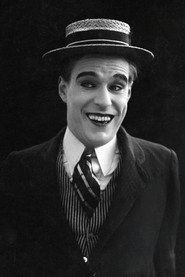 Walter FordePianist at Wedding
Directing
- Walter FordeDirector
Writing
- Allan MacKinnonScreenplay
- Roger MacDougallScreenplay
- Donald BullWriter
- Ian DalrympleWriter
Production
- S.C. BalconAssociate Producer
- Michael BalconProducer
- Slim HandProduction Manager