
Film
She Wore a Yellow Ribbon
John Ford's elegiac western about a cavalry captain on the brink of retirement, facing obsolescence and one final mission. It moves at the pace of a meditation rather than an action film—unhurried, painterly, preoccupied with duty, aging, and the quiet dignity of men approaching their end. Essential Ford, essential Wayne.
Should you watch it?
Watch it if you love the slow-burn melancholy of old-fashioned frontier stories, where the pleasure lies in a weathered man's dignity, the rhythm of cavalry life and the warmth of ensemble banter more than in gunfire.
Skip it if you want a brisk, plot-driven western with constant action, since this one lingers on routine, camp chatter and sentiment, and its pace will feel leisurely by modern standards.
What it asks of you: About an hour and three-quarters with a gentle, unhurried shape; it rewards patience, sits in quiet character moments, and only tightens near the climax.
Not sure? Find tonight's pick in a minute.
If you liked this
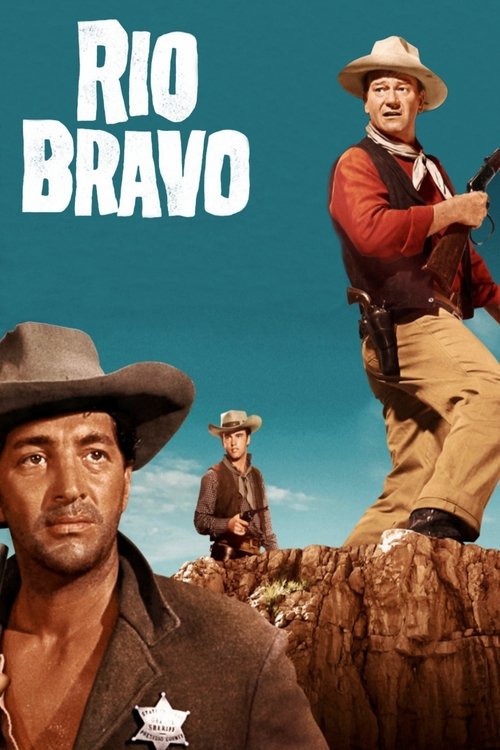
Rio Bravo1959
Howard Hawks' masterpiece about a sheriff and a small band holding a town against overwhelming odds. Like Brittles, it's unhurried, character-driven, and fascinated by the dynamics of men under pressure who respect each other despite friction.
But It's 2 hours 21 minutes of conversation and waiting punctuated by violence. If you want plot momentum, you'll be frustrated by how little happens.
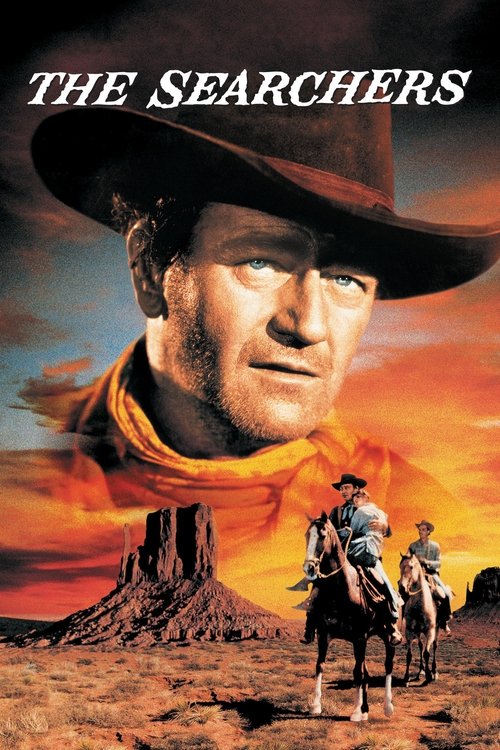
The Searchers1956
Ford's other masterpiece with Wayne, about obsession and the contradictions of frontier heroism. Darker and more morally complex than Brittles, but animated by the same philosophical gravity and stunning Monument Valley cinematography.
But Wayne's character is borderline repellent—racist, possessive, unreliable. The film asks you to sympathize without excusing him, which some find uncomfortable.
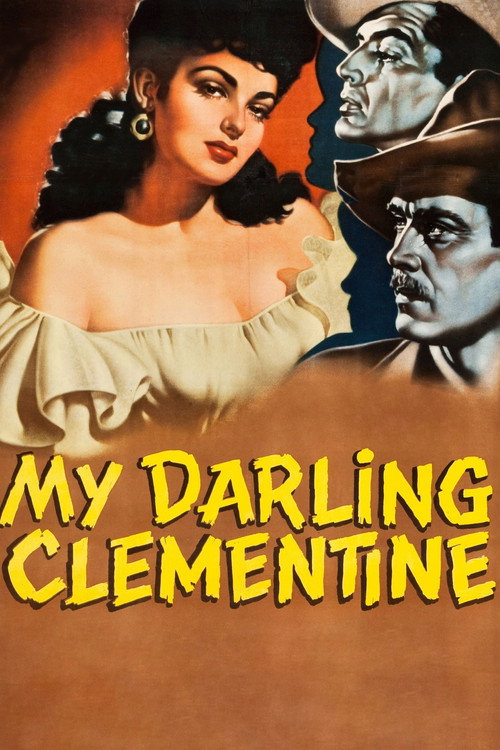
My Darling Clementine1946
Ford again, this time about the Earp brothers and Tombstone. Lyrical and elegiac about frontier law and order, with the same unhurried pacing and interest in duty over glory. A perfect entry point to Ford's mature style.
But Historically inaccurate to the point of fiction, and the romantic subplot feels obligatory. Some viewers find the pacing glacial by modern standards.
Not sure tonight? Get a pick in a minute, starting from She Wore a Yellow Ribbon
The wildcard
Something you would not have found on your own.
The Ballad of Little Jo1993
Both films use the western landscape and military/frontier institutions as a stage for meditation on identity and obsolescence. Ford asks what happens when a man becomes irrelevant; Reichardt asks what happens when a woman must erase herself to survive. Similar visual austerity and refusal to provide easy catharsis.
A revisionist western about a woman passing as a man on the frontier, shot in muted colors and a deliberate, painterly style that echoes Ford's visual language. It asks the same questions about identity and survival but from the opposite angle.
But It's a feminist deconstruction that deliberately drains the romanticism from frontier mythology. Some find the pacing punishing and the tone relentlessly grim.

More like this (8)
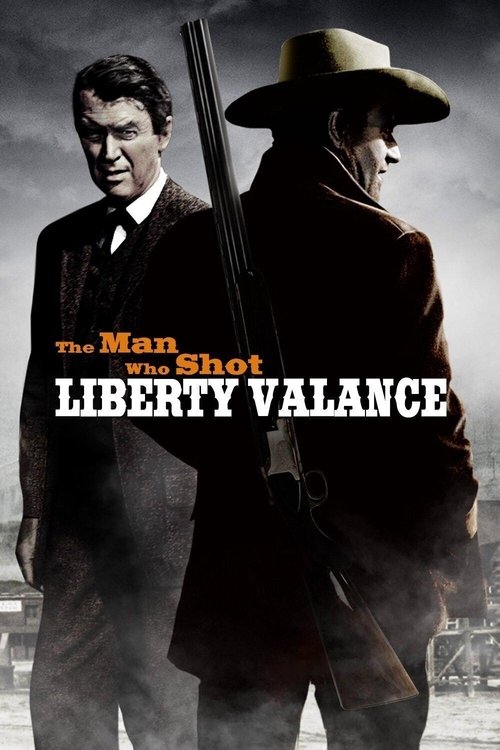
The Man Who Shot Liberty Valance1962
Ford's late meditation on myth versus reality, about two men and the legend that outlives them. Brittles' theme of obsolescence and the gap between reputation and truth finds its fullest expression here.
But It's a black-and-white studio film that looks stage-bound after the Monument Valley vistas of Brittles. Some find it too schematic, like Ford was spelling out his philosophy.
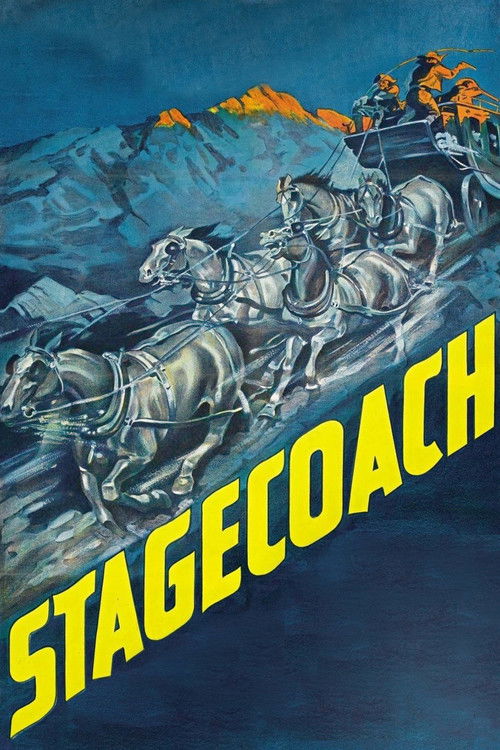
Stagecoach1939
Ford's breakthrough western, built around a single journey and an ensemble of clashing characters forced together by circumstance. The template for everything that followed, including Brittles' evacuation subplot.
But It feels like a stage play adapted to screen—confined, theatrical. The racial attitudes are unapologetic period pieces that may jar modern viewers.
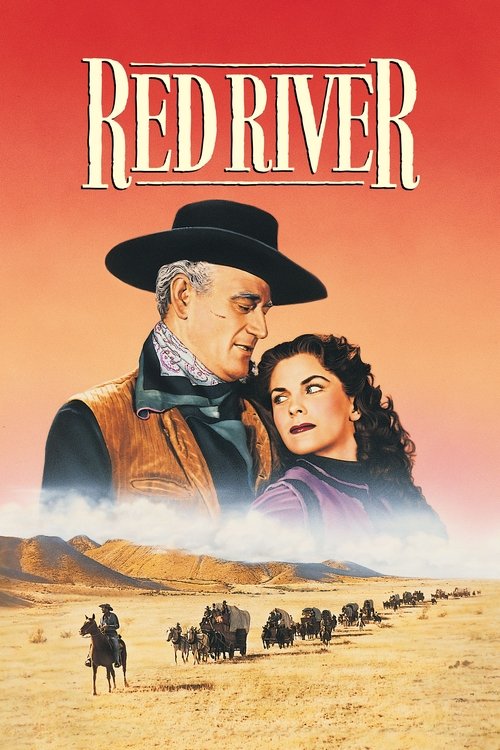
Red River1948
Hawks' cattle-drive epic about two tough men in conflict, one young and ambitious, one aging and bitter. The exploration of masculine pride and generational conflict echoes Brittles' anxiety about being replaced.
But Montgomery Clift's performance feels mannered next to Wayne's, and the climax is jarringly sentimental. The pacing is uneven.
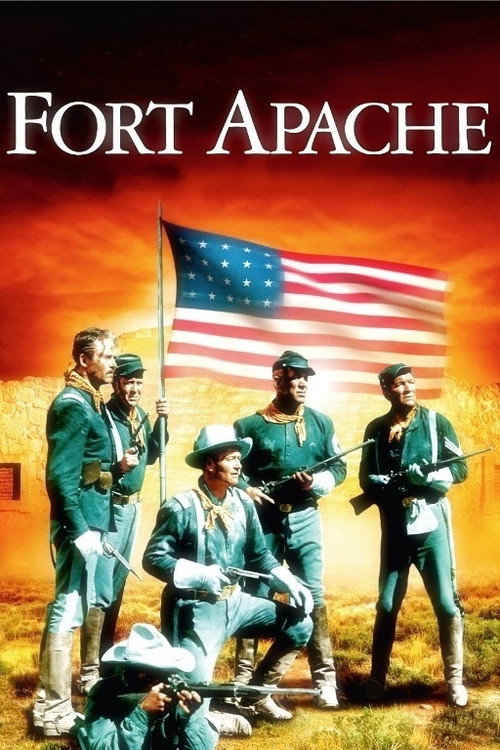
Fort Apache1948
Ford's first cavalry trilogy film, with Henry Fonda as an obsessive commander. It shares Brittles' fascination with duty, honor, and the gap between military protocol and human reality on the frontier.
But Fonda's character is unsympathetic and the film's attitude to Native Americans is unreconstructed period typical. It's less meditative than Brittles and more plot-driven.
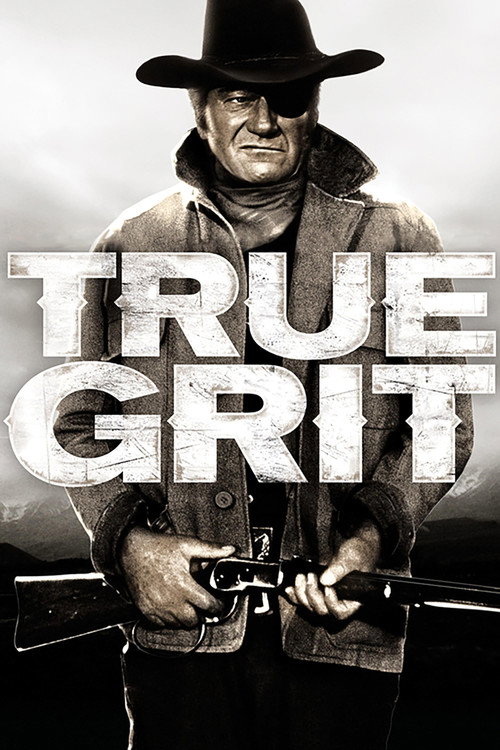
True Grit1969
Wayne's other great film, about an aging marshal protecting a young girl. It shares Brittles' theme of age and efficacy—can an old man still do what's required? Wayne's performance is surprisingly vulnerable.
But The Coen Brothers' 2010 remake is widely considered superior, which can make this feel like the lesser version. Purists find Mattie's dialogue too cutesy.
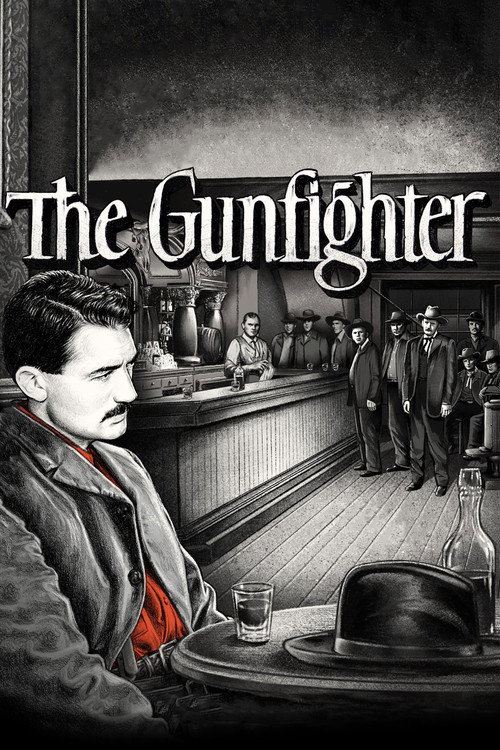
The Gunfighter1950
Gregory Peck as a aging gunslinger trying to leave violence behind, haunted by his reputation. A psychological western that explores male obsolescence and the myth of the west in the same register as Brittles.
But It's a chamber piece about a man having a bad day—no action sequences, minimal plot. If you're coming from Brittles looking for spectacle, this will feel even more austere.
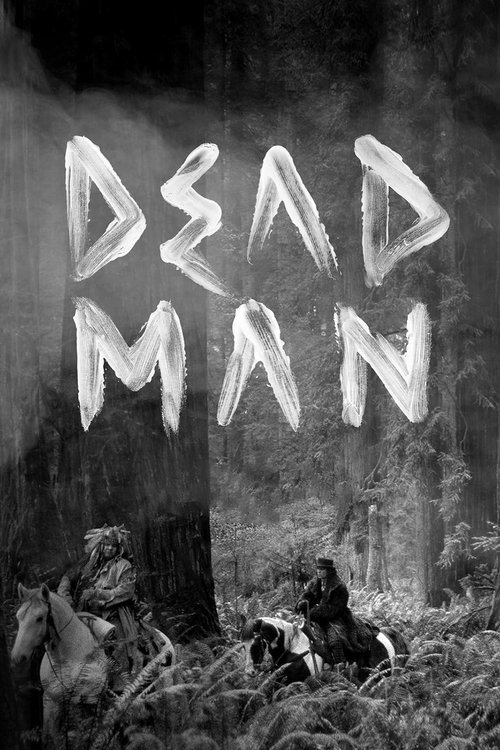
Dead Man1995
Both are elegies for a frontier that's already dead. Brittles faces obsolescence as the cavalry becomes unnecessary; Johnny Depp's character literally dies throughout the film. Both use landscape and long takes to suggest fatalism and the weight of history.
Jim Jarmusch's deadpan western about a man traveling west toward death, accompanied by a Native American guide. Black and white, deliberately paced, philosophical rather than plot-driven. Neil Young's score is hypnotic. A western that thinks rather than acts.
But It's actively anti-western in spirit—not romantic, not heroic, often bewilderingly slow. If you want the west as a place of adventure, this will feel like a funeral march.
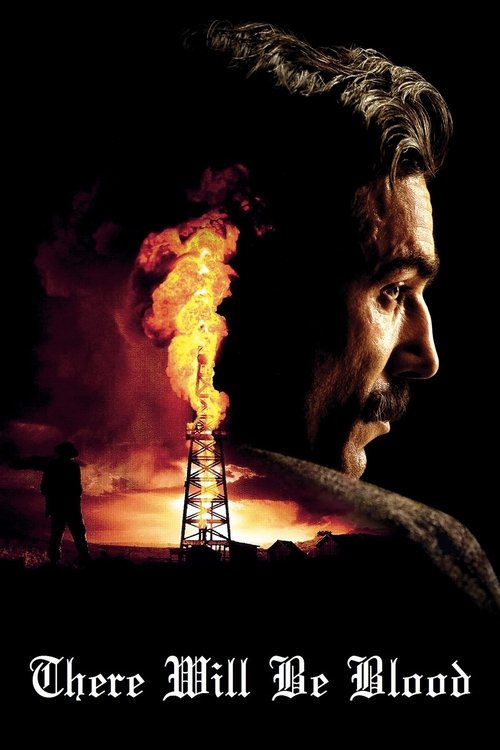
There Will Be Blood2007
Both films use the west as a canvas for American mythmaking, but where Ford mourns the passing of a code, Anderson diagnoses the frontier as having always been fueled by exploitation and greed. They're in conversation across decades about what the west actually was versus what we wanted it to be.
Paul Thomas Anderson's oil-era western about ruthless ambition and masculine dominance, shot with Monument Valley-level grandeur. Daniel Day-Lewis gives a performance of demonic intensity. A parable about America's frontier mythology becoming industrial capitalism.
But It's 158 minutes of a man's moral corruption with no redemption in sight. Bleakly misanthropic, relentlessly tense, and the conclusion feels deliberately withholding. Not remotely cathartic.
People
Cast
 John WayneCapt. Nathan Cutting Brittles
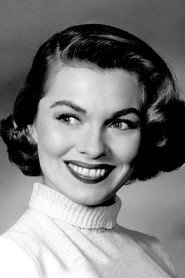 Joanne DruOlivia Dandridge
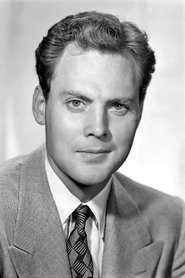 John AgarLt. Flint Cohill
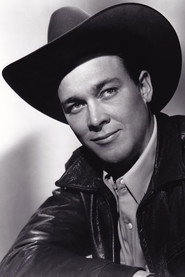 Ben JohnsonSgt. Tyree
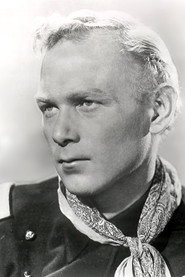 Harry Carey Jr.2nd Lt. Ross Pennell
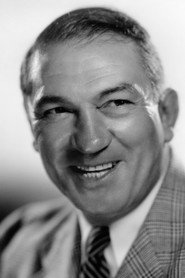 Victor McLaglenFirst Sergeant Quincannon
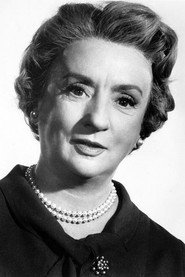 Mildred NatwickAbby Allshard
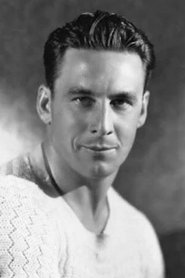 George O'BrienMaj. Mac Allshard
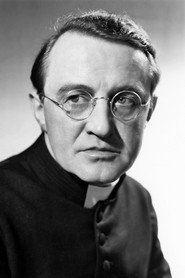 Arthur ShieldsDr. O'Laughlin
- Michael DuganSgt. Hochbauer
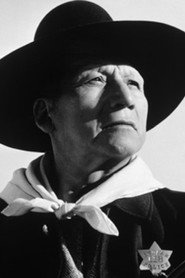 Chief John Big TreeChief Pony That Walks
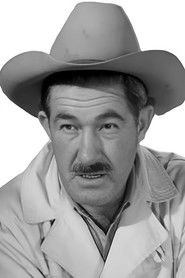 Fred GrahamSgt. Hench
Directing
- Edward O'FearnaAssistant Director
- Wingate SmithAssistant Director
- John FordDirector
- Meta SternScript Supervisor
- Cliff LyonsSecond Unit Director
Writing
- James Warner BellahOriginal Story
- Frank S. NugentScreenplay
- Laurence StallingsScreenplay
- James Warner BellahStory
Production
- Lowell J. FarrellAssociate Producer
- John FordExecutive Producer
- Merian C. CooperExecutive Producer
- Lowell J. FarrellProduction Manager
Recommended by
The Iron Horse, Rio Grande, The Last of the Mohicans, The Way West, Jungle Jim, Cheer Boys Cheer, The Bawdy Adventures of Tom Jones