
Film
The Way West
A sprawling 1967 western about a senator leading settlers on the Oregon Trail, where idealism meets the brutal realities of frontier life. Kirk Douglas commands the center as a rigid visionary clashing with those around him over morality and survival. It's epic in scale, methodical in pace, and interested in the human cost of manifest destiny rather than quick heroics.
If you liked this
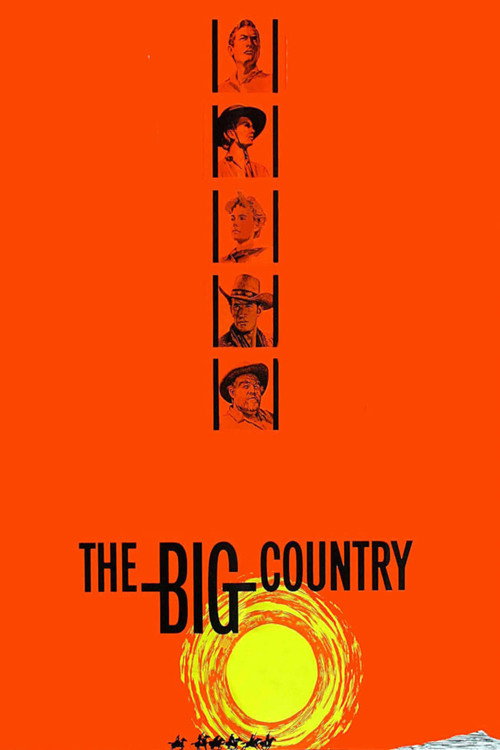
The Big Country1958
William Wyler's cattle-ranch drama with similar themes of conflicting visions for the frontier and strong-willed men at odds. Charlton Heston and Gregory Peck navigate landscapes and ideologies with matching gravity and scope.
But Deliberately paced and more concerned with moral argument than action. Some find the philosophical debates slow the story to a crawl.
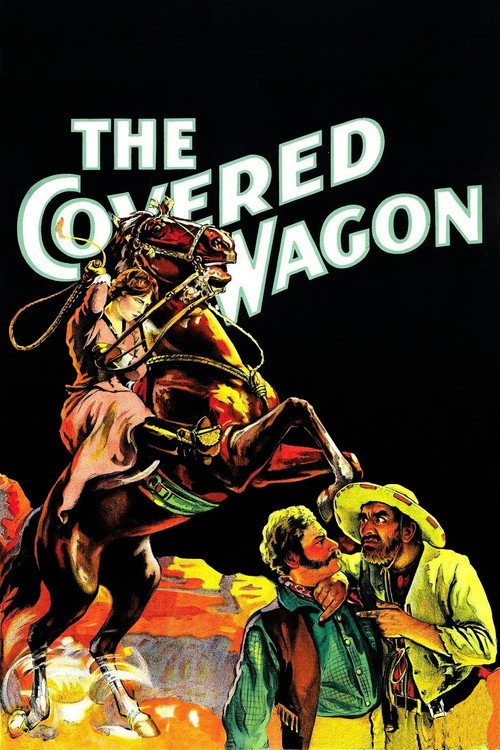
The Covered Wagon1923
The original epic wagon-train film that essentially invented the form. James Cruze's silent masterpiece captures the sheer scale and danger of westward expansion with stunning landscape photography and genuine historical texture.
But It's silent and from 1923. The pacing and melodramatic acting conventions will feel alien if you're not prepared for them.
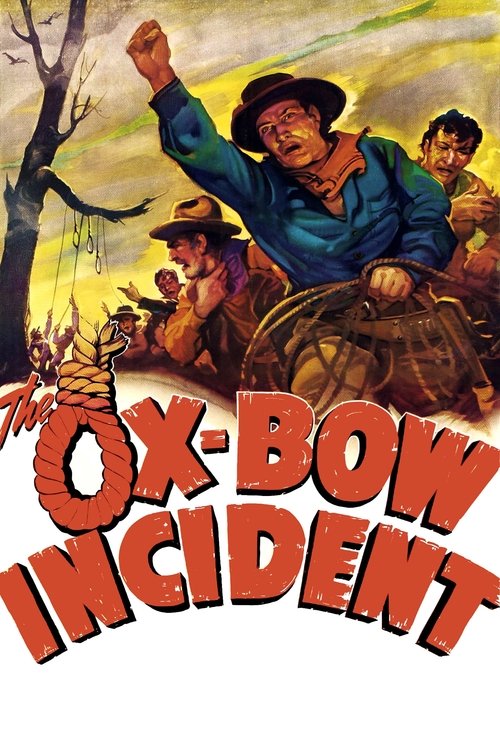
The Ox-Bow Incident1943
William Wellman's unflinching portrait of frontier justice gone wrong, with Henry Fonda and Henry Morgan trapped in a lynch mob. Morally rigorous and deeply unsettling—it shares The Way West's interest in how principles fracture under pressure.
But Grim and claustrophobic. There's no catharsis or comfortable resolution, and some find that bleakness punishing rather than enlightening.
Not sure tonight? Get a pick in a minute, starting from The Way West
The wildcard
Something you would not have found on your own.
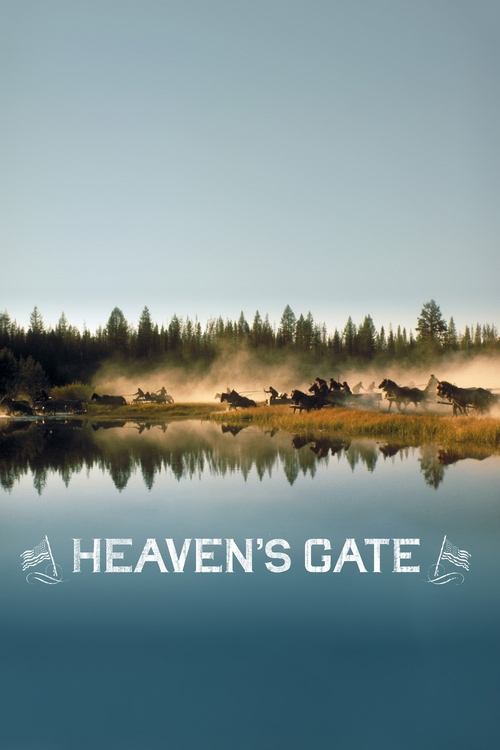
Heaven's Gate1980
Both films are genuinely interested in frontier settlement as an ideological project, not just an adventure. Both present it as tragic and divisive rather than triumphant.
Michael Cimino's legendary western disaster is a three-and-a-half-hour fever dream of settlers, capitalism, and class war in Wyoming. It fails spectacularly where The Way West succeeds carefully, but it's asking nearly identical questions about who gets to build the west and what it costs.
But A famous box-office flop with a reputation for being self-indulgent and nearly unwatchable. At 215 minutes, it demands patience that many viewers reasonably won't give.
More like this (8)
Johnny Guitar1954
Nicholas Ray's baroque western with Joan Crawford as a self-made woman running a saloon. Unconventional casting, strange beauty, and a fundamentally different vision of frontier society that still grapples with settlement and power.
But Weird and mannered in ways that feel more like camp than drama. If you want westerns grounded in realism, this will feel theatrical and artificial.

The Ballad of Little Jo1993
Maggie Greenwald's historical western about a woman surviving the frontier by living as a man. Quiet, determined, and interested in how the west actually functioned for those outside the heroic narrative.
But Very slow and introspective. The landscape dominates the storytelling in ways some find meditative and others find monotonous.

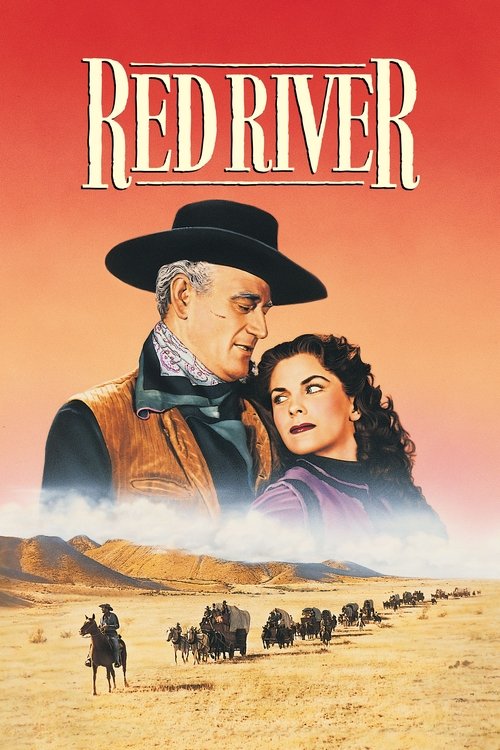
Red River1948
Hawks' masterpiece of two strong wills—John Wayne and Montgomery Clift—on a cattle drive north. The psychological struggle between the old frontier and the new generates real tension and moral complexity.
But Male-dominated and somewhat stagey in dialogue. The film's mythmaking about frontier masculinity will grate if you're allergic to that particular heroic register.
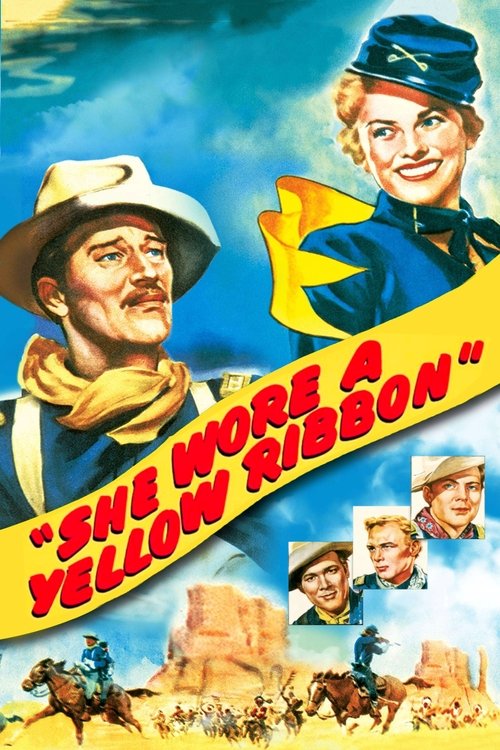
She Wore a Yellow Ribbon1949
Ford's cavalry western with John Wayne as a commander balancing duty, honor, and compassion. Gorgeously shot and deeply humanistic about aging, responsibility, and the costs of maintaining order on the frontier.
But Sentimental in places. Some scenes play as maudlin rather than moving, especially if you find cavalry mythology more troubling than inspiring.
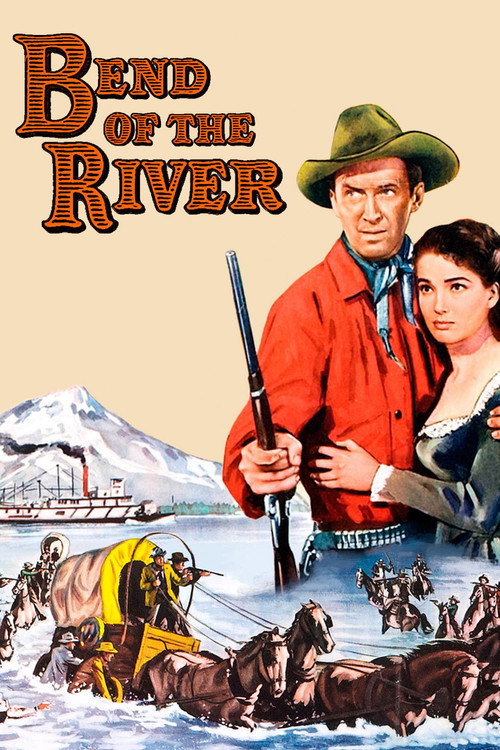
Bend of the River1952
Anthony Mann's Oregon-bound western with James Stewart as a reformed outlaw. Stunning cinematography, genuine moral ambiguity about who deserves to settle the west, and a complex take on community-building.
But Mann's westerns are psychologically darker than most, which some find unnecessarily grim for the genre.
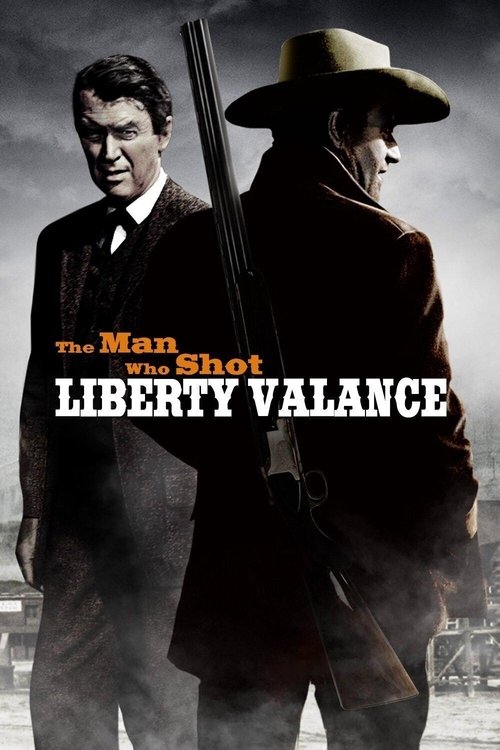
The Man Who Shot Liberty Valance1962
Ford's meditation on the myth-making of the frontier through a murder mystery and a powerful friendship. James Stewart and James Marvin anchor a story about how the west was really won through compromise and lies.
But Black and white, deliberately artificial sets, and a melancholic tone that prioritizes reflection over adventure.
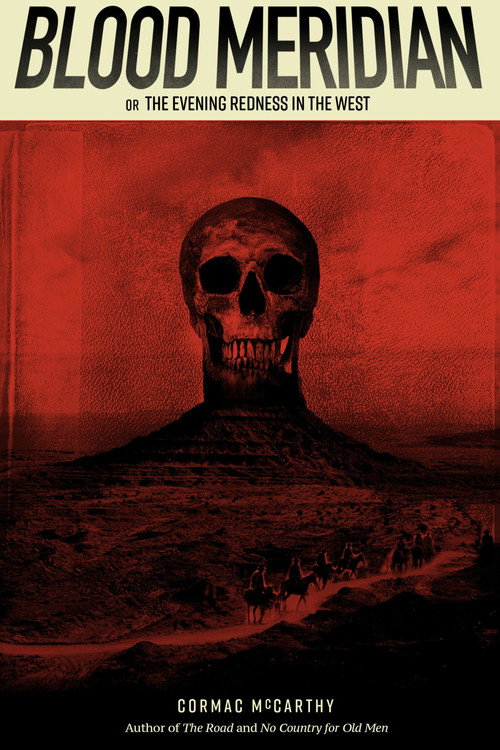
Blood Meridian
Both feature ensemble casts navigating the west as a moral landscape rather than a backdrop. McCarthy and Aster see that landscape as ultimately indifferent to human intention.
Ari Aster's adaptation of McCarthy's novel presents the frontier as a nightmare of violence and nihilism. Visually stunning and philosophically uncompromising, it's the dark mirror to The Way West's faith in civilization-building.
But Extremely violent and nihilistic. If you watch The Way West because you like the idea of community and moral order, this will feel like a repudiation of those values.
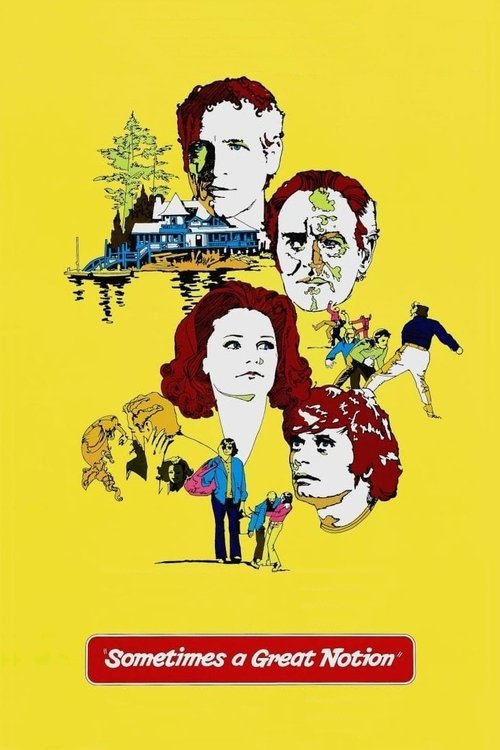
Sometimes a Great Notion1971
Both are interested in the weight of principle and how it operates within families and communities. Both suggest that vision and reality rarely align, but people try anyway.
Paul Newman vehicle about Oregon loggers and family stubbornness that feels like the spiritual sequel to The Way West. Set in the land the settlers were heading toward, it asks what happens when idealism meets the actual, stubborn reality of building something.
But Over two hours of Oregon rain and family dysfunction. Newman's performance is powerful but abrasive, and the film is determinedly unglamorous.
People
Cast
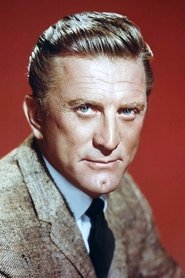 Kirk DouglasSen. William J. Tadlock
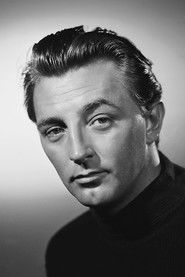 Robert MitchumDick Summers
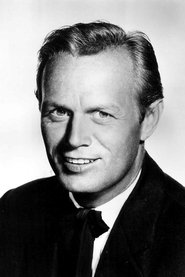 Richard WidmarkLije Evans
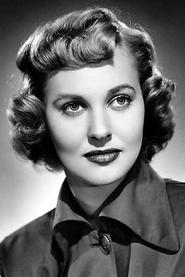 Lola AlbrightRebecca 'Becky' Evans
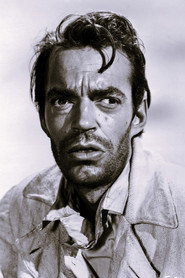 Jack ElamPreacher Weatherby
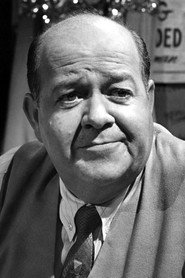 Stubby KayeSam Fairman
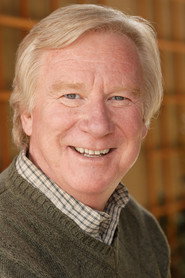 Michael McGreeveyBrownie Evans
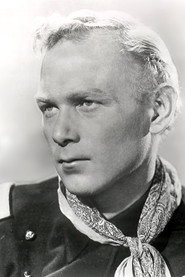 Harry Carey Jr.Mr. McBee
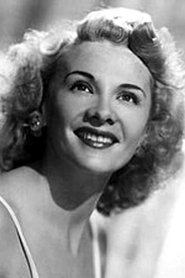 Connie SawyerMrs. McBee
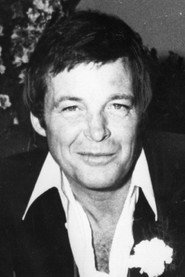 Michael WitneyJohnnie Mack
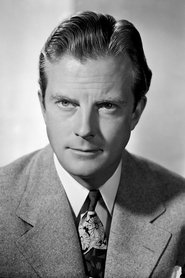 William LundiganMichael Moynihan
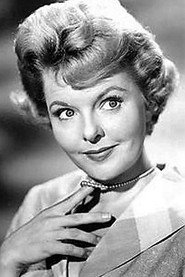 Elisabeth FraserMrs. Fairman
Directing
- Terry Morse Jr.Assistant Director
- Andrew V. McLaglenDirector
Writing
- A.B. Guthrie Jr.Novel
- Ben MaddowScreenplay
- Mitch LindemannScreenplay
Production
- Mitch LindemannAssociate Producer
- Edward F. RhineCasting
- Harold HechtProducer