
Film
The Iron Horse
John Ford's 1925 epic about the building of the transcontinental railroad, following a young man's quest to complete his murdered father's dream. A sweeping spectacle with genuine historical scope, thousands of extras, and Ford's gift for finding human story in grand endeavor. For anyone who loves the frontier myth and doesn't need sound to be moved.
Should you watch it?
Watch it if you love old-fashioned epic craft, big crowds of workers and wagons, and the patient build of a story where the railroad itself becomes the main character.
Skip it if you need dialogue and quick cuts, since this is a silent film running close to two and a half hours, and its romance and sentiment can feel creaky.
What it asks of you: Settle in for close to two and a half hours of silent images, with long stretches of landscape and labour where the story unfolds at a steady, unhurried pace.
Not sure? Find tonight's pick in a minute.
If you liked this
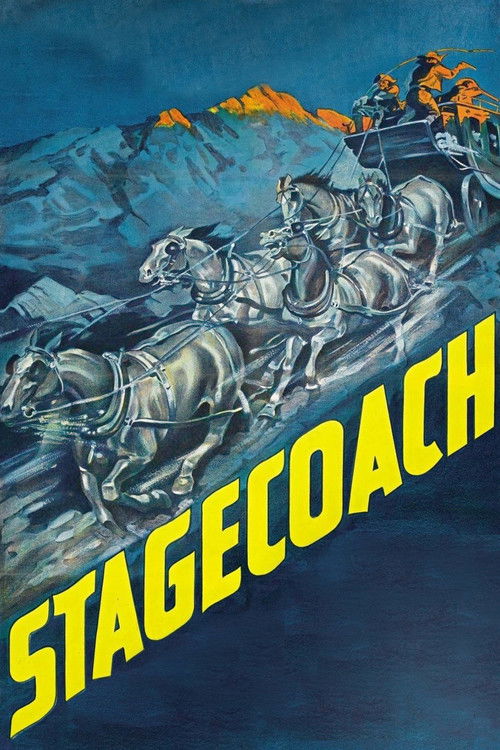
Stagecoach1939
Ford's first great talkie, proving he could master sound as he had silent cinema. A perfect Western: moral complexity, visual brilliance, and an ensemble cast that feels like real people in genuine jeopardy.
But It's a chamber piece compared to The Iron Horse—smaller in scope and ambition, which some find less thrilling than Ford's epic reach.
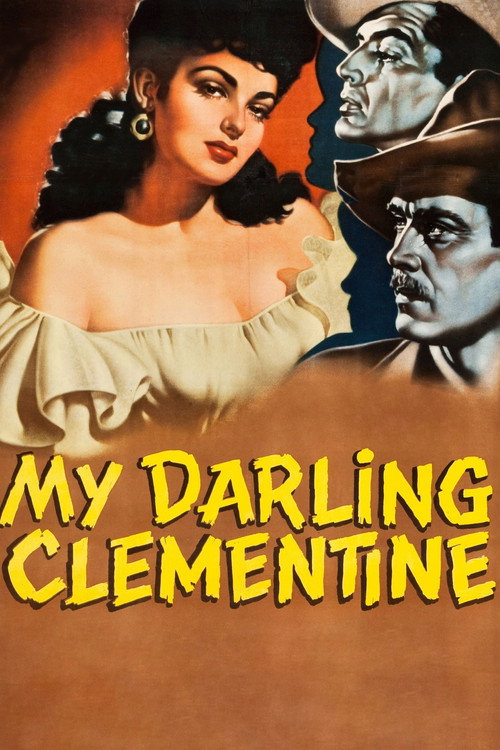
My Darling Clementine1946
Ford at his lyrical best, finding poetry in Monument Valley and the Wyatt Earp story. The gunfight is iconic, but it's the quieter moments—courtship, community, mortality—that stay with you.
But The plot meanders deliberately; if you want narrative momentum over atmosphere, you'll find it slack.
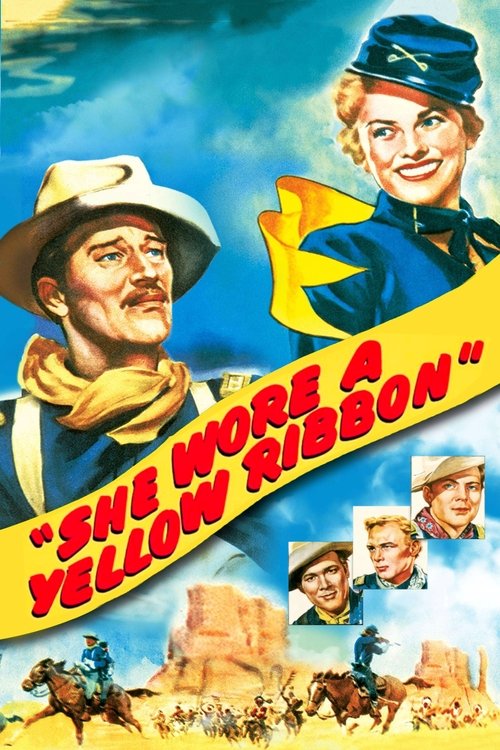
She Wore a Yellow Ribbon1949
Visually stunning Cavalry trilogy entry with John Wayne as a man nearing the end of his service, doing his duty with grace. It's about aging and acceptance wrapped in a Western package.
But The cavalry perspective means the Cheyenne are presented as the problem to be solved, which modern viewers will find dated and troubling.
Not sure tonight? Get a pick in a minute, starting from The Iron Horse
The wildcard
Something you would not have found on your own.
Sunrise: A Song of Two Humans1927
Both are silent epics from the mid-1920s made by masters of visual storytelling, yet they inhabit completely different registers—Ford's is documentary-scale and national, Murnau's is psychological and universal. Watching them together shows you the full range of what silent cinema could be.
Murnau's German Expressionist masterpiece made in Hollywood the same era as The Iron Horse. It's epic in spirit but intimate in focus—a marriage tested by temptation and redemption. Silent cinema at its visual and emotional peak.
But It's German in sensibility and technique; the stylization and psychological intensity can feel remote from the American frontier realism you expect from 1920s cinema.

More like this (8)
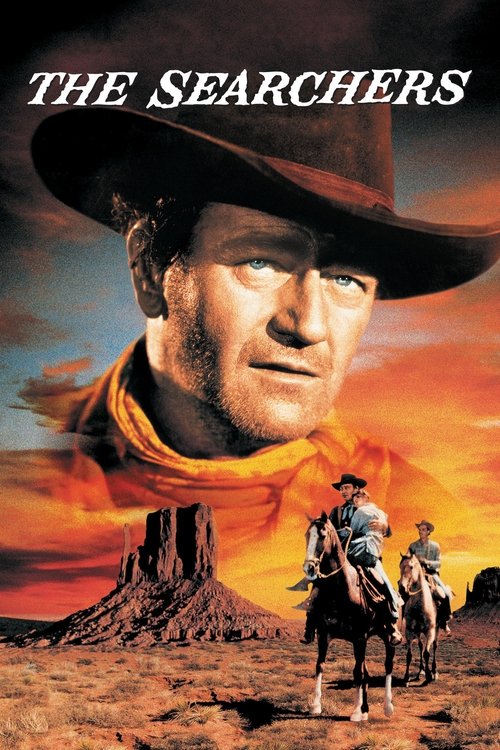
The Searchers1956
Ford's masterpiece and maybe the greatest Western ever made. Wayne plays a man consumed by vengeance; the film is beautiful, brutal, and morally complicated in ways that still feel radical.
But It's long, and the casual racism of the era seeps through even as the film critiques its protagonist's hatred. The pacing is deliberate to the point of testing patience.
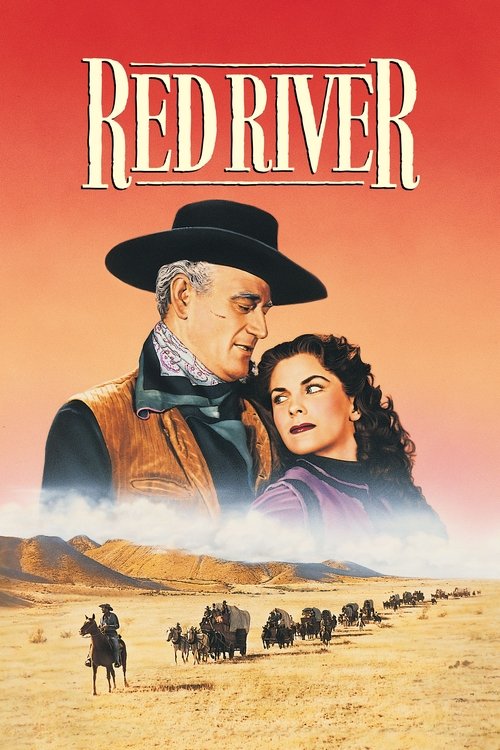
Red River1948
Hawks' cattle-drive epic with Wayne and Montgomery Clift as father and son locked in conflict. Tense, well-acted, and genuinely gripping—the emotional core never flags across two and a half hours.
But It's fundamentally a character study dressed as action; the cattle drive is backdrop for a family drama, which some find unglamorous.
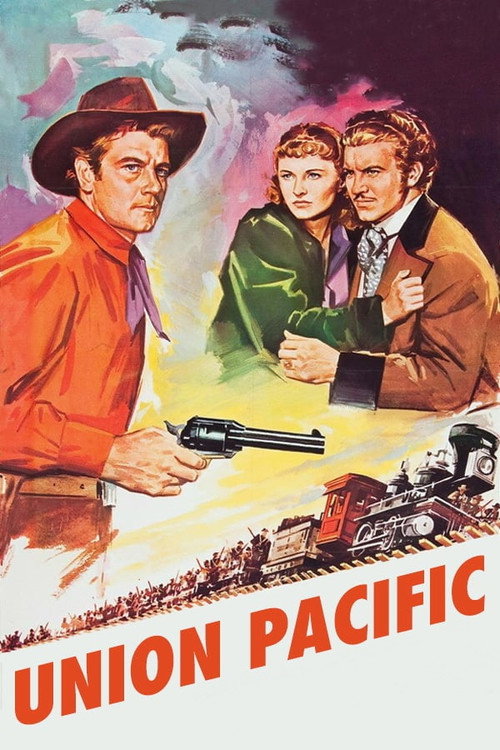
Union Pacific1939
DeMille's sprawling railroad epic, almost a spiritual sibling to The Iron Horse. Star-studded, visually ambitious, and seriously invested in the historical sweep of American expansion.
But DeMille's melodrama can feel overwrought; the emotional beats are broad strokes where Ford preferred suggestion.
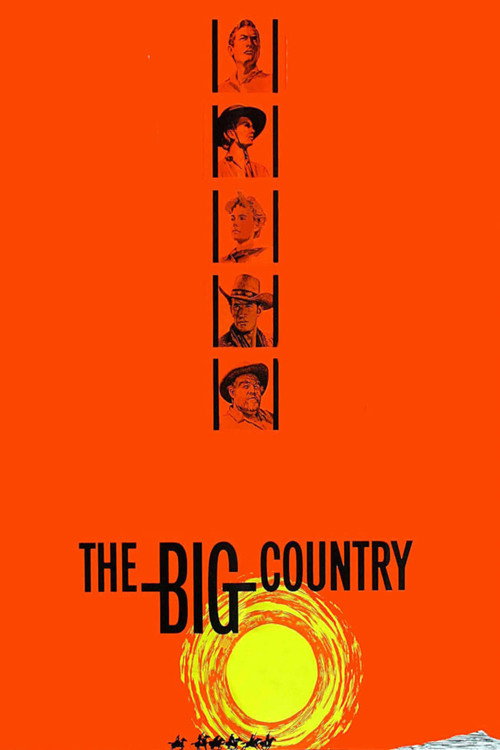
The Big Country1958
A modern Western about land, honor, and refusing violence even when provoked. Peck is luminous, and the landscape cinematography rivals anything in Ford's catalogue.
But It's a talky film about ideas more than action, which undercuts its Western credentials for those wanting pure adventure.
Johnny Guitar1954
Ray's bizarre, gorgeous Western with Joan Crawford as a saloon owner and Sterling Hayden in the title role. It's genuinely strange—operatic, visually daring, unlike any other Western you'll see.
But It's genuinely strange in ways that can feel mannered rather than illuminating; some see it as pretentious rather than audacious.

The Ballad of Little Jo1993
A revisionist Western about a woman who passes as a man on the frontier. Maggie Sinclair directs with restraint and intelligence; it's a quiet interrogation of gender and survival in the West.
But The very quietness that gives it power can feel slow; it's deliberately anti-spectacular in ways that read as deliberately niche.

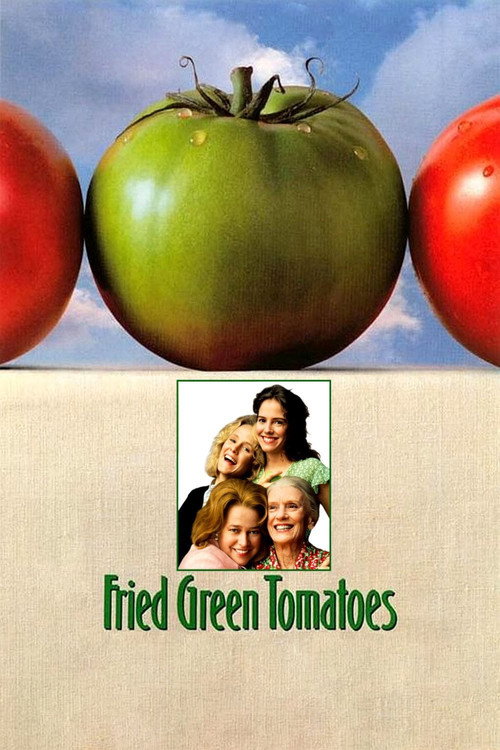
Fried Green Tomatoes1991
Both films are deeply concerned with how we mythologize history and pass stories to the next generation. The Iron Horse builds a nation; Fried Green Tomatoes preserves a friendship. One is public, one is intimate, but both ask: what stories survive, and why do we need them?
A contemporary story framed by an older woman remembering a passionate friendship in Depression-era Alabama. Gentle, warm, and unexpectedly moving about female bonds, sacrifice, and the stories we pass down.
But It's a sentimental film about ordinary women, not frontier heroes; if you're watching for action and spectacle, you'll be disappointed by its small-scale emotional truth.
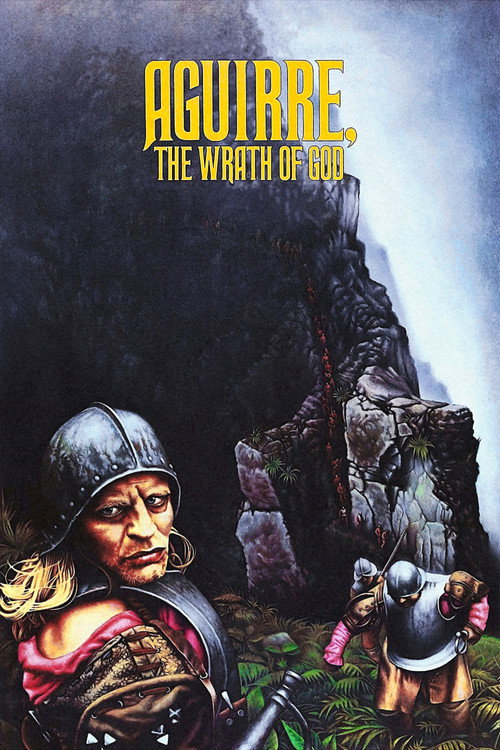
Aguirre, the Wrath of God1972
Both are films about men driven by a vision of something that will complete their destiny—a railroad or a city of gold. Both treat that vision with dead seriousness and both ultimately suggest that the drive matters more than the destination. But where Ford finds nobility in building, Herzog finds madness in wanting. They're answering the same question from opposite ends of the moral universe.
Herzog's hallucinatory epic about conquistadors searching for El Dorado in the Amazon. Shot in 16mm on a shoestring, it has more genuine vision and terror than epics ten times its budget. Klaus Kinski at his unhinged best.
But It's aggressively weird and pessimistic; there's no triumph here, only delusion and doom. The 16mm image is deliberately rough, and the pacing favors hypnotic dread over narrative clarity.
People
Cast
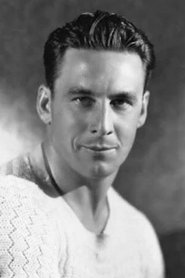 George O'BrienDavy Brandon
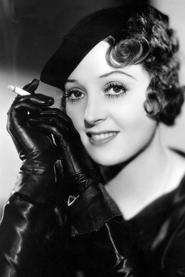 Madge BellamyMiriam Marsh
- Charles Edward BullAbraham Lincoln
 Cyril ChadwickJesson
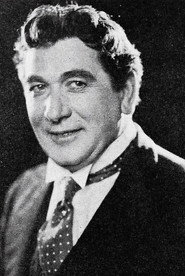 Will WallingThomas Marsh
- Francis PowersSergeant Slattery
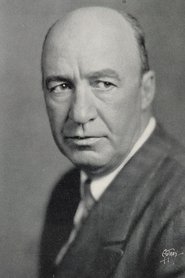 J. Farrell MacDonaldCorporal Casey
- Jim WelchPrivate Mackay
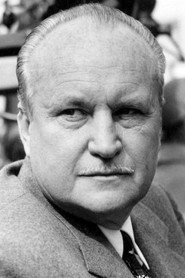 George WaggnerBuffalo Bill
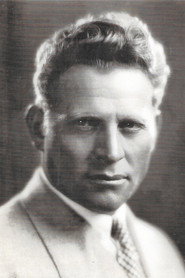 Fred KohlerBauman
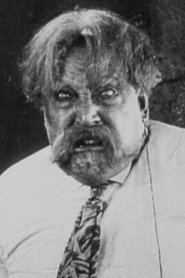 James A. MarcusJudge Haller
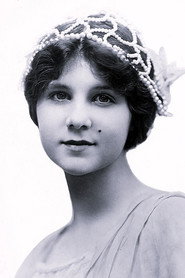 Gladys HuletteRuby
Directing
- Edward O'FearnaAssistant Director
- Frank PowolnyAssistant Director
- John FordDirector
Writing
- Charles KenyonScreenplay
- Charles KenyonStory
- John RussellStory
- Charles DarntonWriter
Production
- John FordProducer
- Harold D. SchusterProduction Assistant
Recommended by
Once Upon a Time in the West, How the West Was Won, Hell on Wheels, The West, 7th Heaven, The Squaw Man, The Last Outlaw, The Last of the Mohicans, Tumbleweeds, 3 Bad Men, The Last of the Mohicans, Salammbô, The Sting of the Lash, Man of the Forest, Riders of the Purple Sage