
Film
The Squaw Man
Other titles called The Squaw Man: the 1931 film.
A 1914 Western drama about an English aristocrat who flees to Wyoming to save his family's honour, marrying a Native American woman and building a new life—one of Cecil B. DeMille's earliest features and a landmark in American cinema, mixing romance, sacrifice, and the frontier myth that defined early Hollywood.
If you liked this
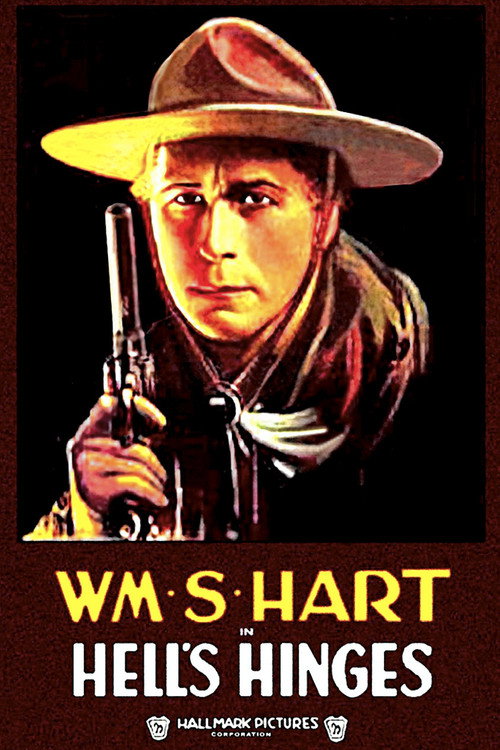
Hell's Hinges1916
A raw, violent Western that treats its subject matter—frontier morality and good men corrupted—with genuine moral weight. Hart's performance is magnetic and the action feels consequential in ways even modern Westerns struggle to match.
But The pacing is deliberate by any era's standards, and some of the intertitles are arch enough to undercut the tension you're trying to feel.
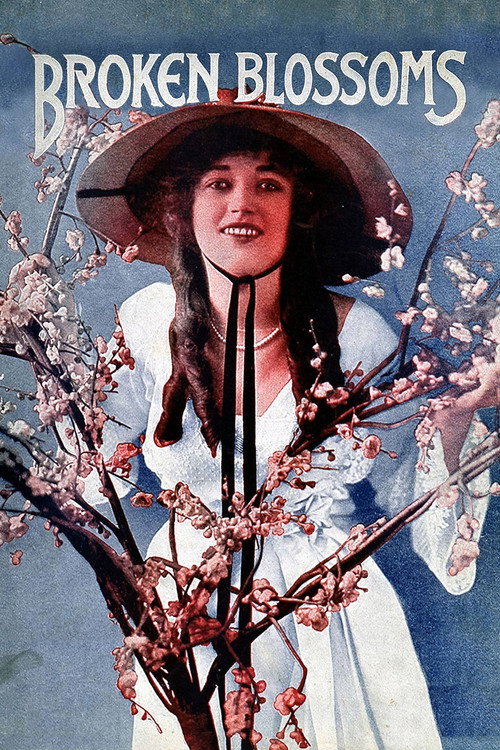
Broken Blossoms or The Yellow Man and the Girl1919
Griffith's masterpiece of silent tragedy: a Chinese immigrant's quiet love for an abused English girl, told with such visual tenderness that it rewires your understanding of what cinema could express. The emotional climax still breaks people.
But It confronts abuse head-on and the ending is genuinely devastating. Not what you'd call a comfort watch, and the racial politics are complicated—sympathetic but still of their time.
Intolerance: Love's Struggle Throughout the Ages1916
Griffith's sprawling epic intercuts four historical periods to argue that intolerance destroys civilizations. The Babylon sequence alone is a visual spectacle unmatched for decades, and the sheer ambition of the structure is breathtaking.
But At nearly four hours, it's exhausting even by silent standards. The film's own argument about tolerance is undermined by Griffith's other work, which is historically uncomfortable.

Not sure tonight? Get a pick in a minute, starting from The Squaw Man
The wildcard
Something you would not have found on your own.
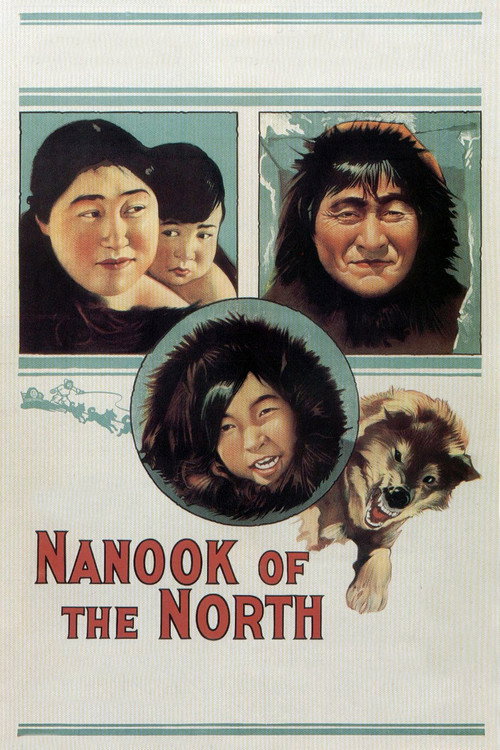
Nanook of the North1922
Where The Squaw Man exploits the Indigenous woman as a plot device, Nanook centres Indigenous life as the entire subject, with a dignity and respect that forces you to reckon with what earlier cinema erased. Both deal with frontier life, but one is told by outsiders profiting from the story, the other by a filmmaker genuinely trying to witness.
Flaherty's documentary follows an Inuit hunter and his family through the Arctic year. It's shot with such intimacy and visual poetry that it becomes something stranger than realism—a meditation on survival, ingenuity, and the bond between people and landscape. It's the opposite of The Squaw Man's melodrama, which makes its quiet power more shattering.
But Flaherty staged scenes and encouraged dramatic behaviour, so it's not pure documentary—it's a constructed narrative that obscures its own artifice. The pacing is slow and the deprivation is genuinely harsh to watch.
More like this (7)
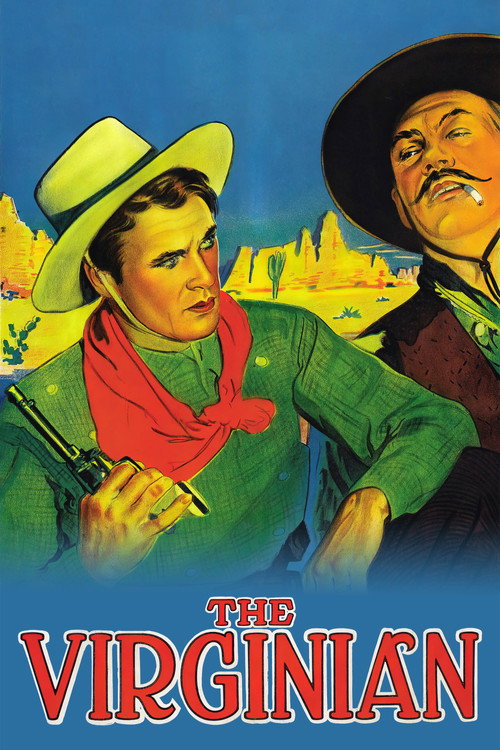
The Virginian1929
Gary Cooper's quiet authority and a genuinely tense showdown made this an instant template for the Hollywood Western. Competent sound-era storytelling that moves with real purpose and treats its code of honour seriously.
But It's more a prototype than a revelation—if you've seen Westerns informed by this, you'll recognize every beat. The gender politics date it badly.
Sunrise: A Song of Two Humans1927
Murnau's visual poetry—a farmer tempted to murder his wife by a woman from the city, redeemed through love. The cinematography is hypnotic and the emotional arc is devastating. It contains some of the most beautiful images cinema has made.
But It's an art film dressed as melodrama, which means the pacing can feel baroque. Some viewers find the sentimentality cloying rather than earned.

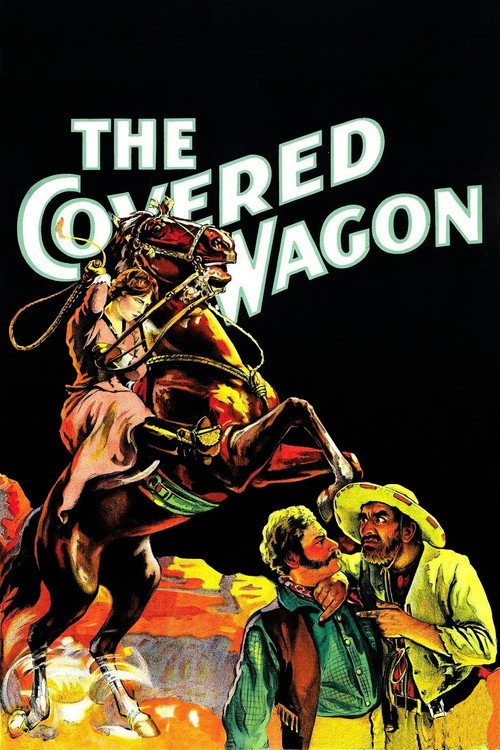
The Covered Wagon1923
A sprawling frontier epic about settlers heading west that captures the sheer scale and hardship of the journey. The action sequences are enormous and genuinely impressive; it legitimized the Western as a serious subject for serious filmmakers.
But The story is thin and the romance subplot is obligatory. Character development takes a backseat to spectacle, and the Native American representation is purely antagonistic.
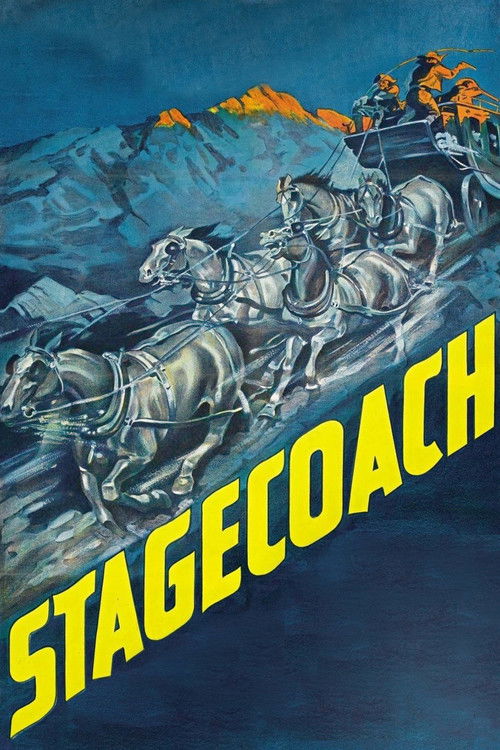
Stagecoach1939
Ford's masterpiece of genre construction: disparate characters trapped on a coach journey, each revealed by crisis. Every frame is composed with absolute control and the ensemble cast work together like a perfect machine. This is how you make a Western matter.
But It's a chamber piece disguised as an action film, so if you're expecting constant movement you'll be frustrated. Some of the characterization plays as stereotype by modern standards.
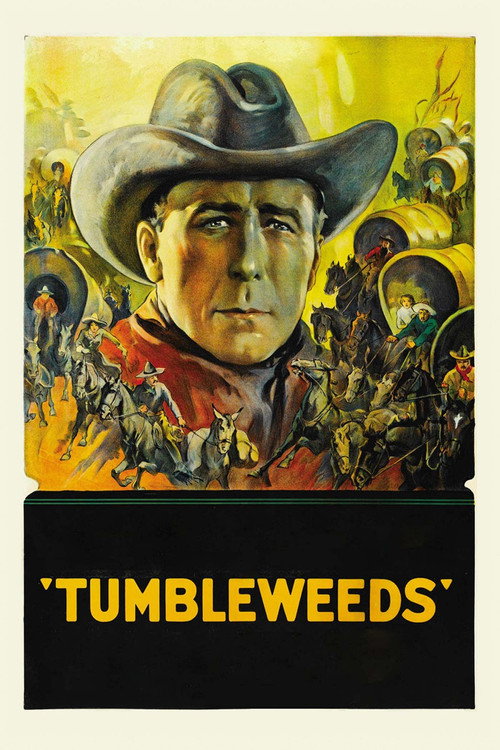
Tumbleweeds1925
William S. Hart's last Western, a story of loyalty and sacrifice on the Oklahoma frontier. Hart's exhausted, weathered performance captures a man worn down by the life he's chosen, and the film treats that weariness as noble rather than pathetic.
But Hart's style of understated acting can read as static if you're not attuned to silent cinema grammar. The plot is fairly simple and turns on conveniences.
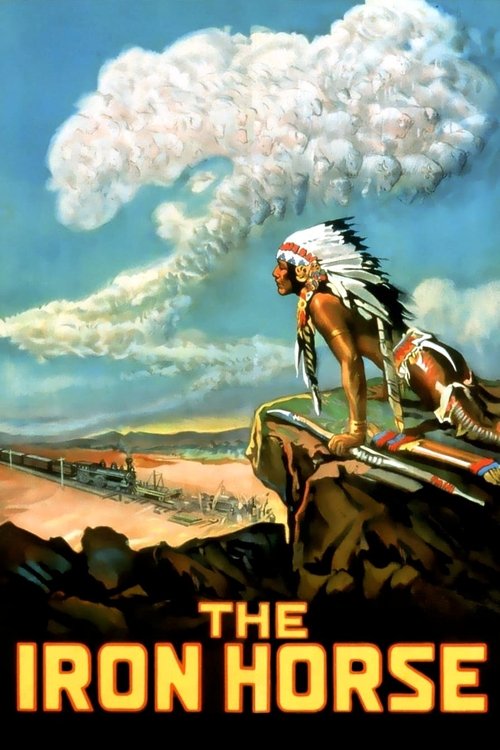
The Iron Horse1925
Ford's epic about building the transcontinental railroad, mixing personal drama with historical scope. It's got romance, betrayal, adventure, and an earnest belief in American progress that's fascinatingly of-the-moment without being sanctimonious.
But At two-and-a-half hours it requires patience, and the historical accuracy takes a backseat to melodrama. The Native American characters exist only as obstacles to white settlement.
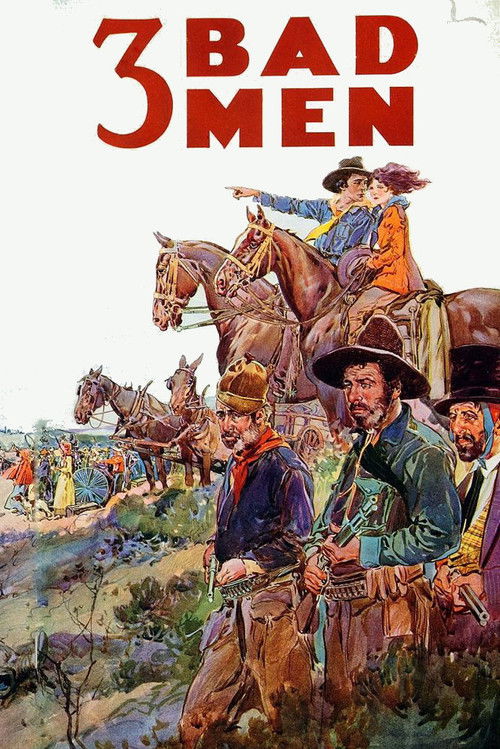
3 Bad Men1926
Both films use the frontier as a space where social rules can be broken and remade, but Three Bad Men asks whether those new rules are actually better—it's a skeptical response to the myth that The Squaw Man lives inside.
Ford's Western frames the story around three aging outlaws protecting a young woman during the Land Rush. It's a genre film that treats its 'bad men' with such complexity and affection that heroism gets redefined entirely. The emotional register is entirely different from The Squaw Man's earnestness—there's humour, fatalism, and a gorgeous sadness.
But The sentimentality is thick and some viewers find Ford's nostalgia for the frontier unconvincing. It requires you to buy into the idea that frontier chaos was preferable to civilization.
People
Cast
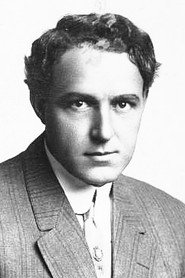 Dustin FarnumCapt. James Wynnegate
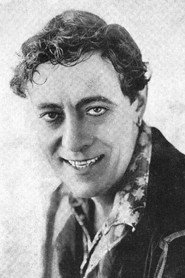 Monroe SalisburySir Henry - Earl of Kerhill
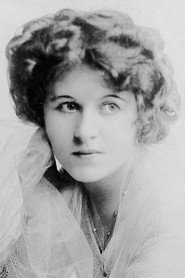 Winifred KingstonLady Diana
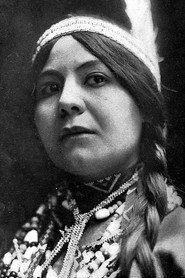 Lilian St. CyrNat-U-Rich
- Mrs. A.W. FilsonThe Dowager Lady Elizabeth Kerhill
- Haidee FullerLady Mabel Wynnegate
- Foster KnoxSir John
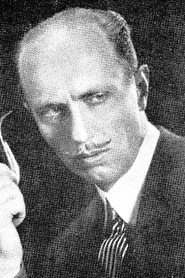 Richard L'EstrangeGrouchy
- Jack EllisParker
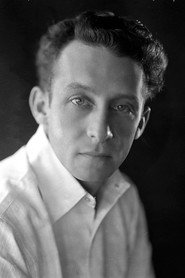 Raymond HattonCowhand (uncredited)
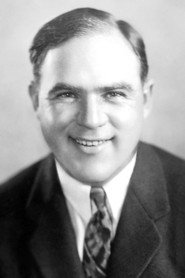 Hal RoachTownsman (uncredited)
- Fernando GálvezSir John Applegate
Directing
- Cecil B. DeMilleDirector
- Oscar ApfelDirector
Writing
- Edwin Milton RoyleTheatre Play
- Cecil B. DeMilleWriter
- Oscar ApfelWriter
Production
- Cecil B. DeMilleProducer