
Film
His Regeneration
A 1915 Broncho Billy Western where a hardened criminal gets unexpected grace from a saloon woman. He struggles to change—temptation and old habits pull harder than redemption. It's a brief, urgent moral drama made in the silent era's first commercial boom, when cinema was still figuring out what stories it could tell.
Should you watch it?
Watch it if you like silent-era crime shorts where a few blunt images carry the moral weight, and you enjoy seeing how early cinema squeezed a whole story into one reel.
Skip it if you need modern pacing or psychological depth, since silent-era melodrama plays broad, with big gestures and title cards doing the explaining.
What it asks of you: Fifteen minutes total, and it needs your eyes rather than your ears: no spoken dialogue to lean on, so you read faces, title cards, and staging the whole way through.
Not sure? Find tonight's pick in a minute.
If you liked this
Hell's Hinges1916
Another Broncho Billy picture, made just after, with genuine grit and violence. He plays a rougher man in a sharper morality tale—cynical where Regeneration was hopeful. The Western setting feels lived-in, not borrowed.
But Prints are degraded and jumpy; you're not watching it pristine. At 70 minutes it asks more patience than Regeneration does.

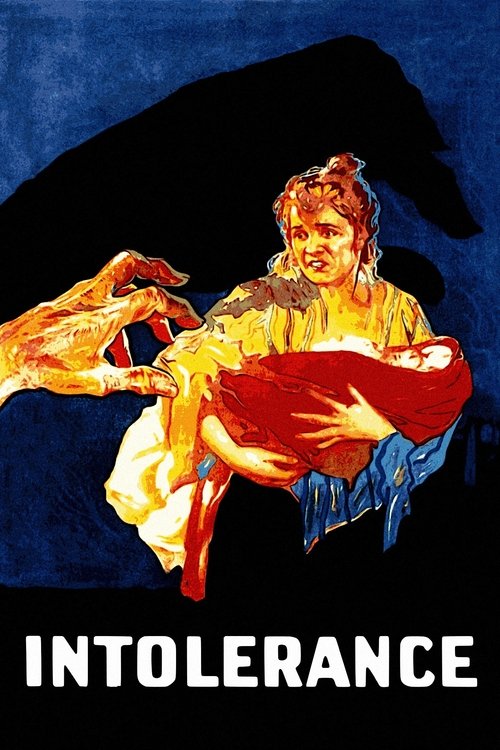
Intolerance: Love's Struggle Throughout the Ages1916
Griffith's epic answer to censors who hated his violence. Four intercut stories about injustice and mercy across centuries. You'll see cinema learning to tell huge things, and moral ambiguity far ahead of its time.
But Nearly four hours long, deliberately slow, and structured in a way that still confuses first-time viewers. It's not entertainment first.
Broken Blossoms or The Yellow Man and the Girl1919
Lillian Gish and Richard Barthelmess as a abused girl and the gentle Chinese immigrant who saves her. It's heartbreaking and tender in ways 1915 barely knew how to be. Chaplin learned from this.
But The racial politics are complicated and dated, even for a sympathetic portrait. The ending is bleak in a way that might feel punitive.

Not sure tonight? Get a pick in a minute, starting from His Regeneration
The wildcard
Something you would not have found on your own.
Nanook of the North1922
Both are 1910s-early 1920s films about men fighting their circumstances and systems that don't want them to win. Nanook just swaps moral drama for existential drama—both ask if a man can keep his humanity when everything works against it.
Robert Flaherty's documentary about an Inuit hunter surviving the Arctic. Not a redemption story—but it's the same era asking the same question Regeneration does: what does survival mean? What does grace look like when society has abandoned you?
But It's not entertainment; it's austere and patient. And it was controversial even then for being partly staged.

More like this (8)
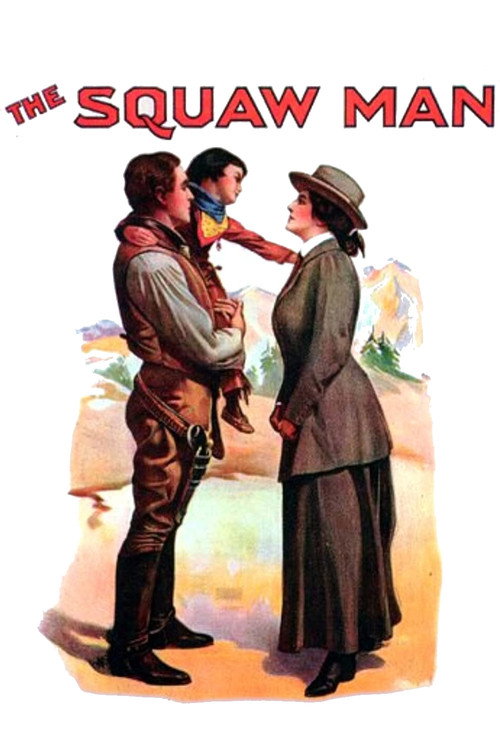
The Squaw Man1914
Cecil B. DeMille's Western about a man shamed in England who builds a life with a Native American woman. Made just before Regeneration, it tackles similar ground: can society's outcasts find grace? DeMille's camera is sharper.
But Colonial attitudes saturate it. The "squaw" framing is period-authentic and deeply uncomfortable.
The Thief of Bagdad1924
Douglas Fairbanks as a street thief who wins a princess and redemption through virtue. Same plot DNA as Regeneration but staged like a fairy tale with stunning sets and flying carpets. Pure escapism with a moral.
But It's pure spectacle; there's no edge to it. The sentimentality is unironic, which modern viewers sometimes find cloying.

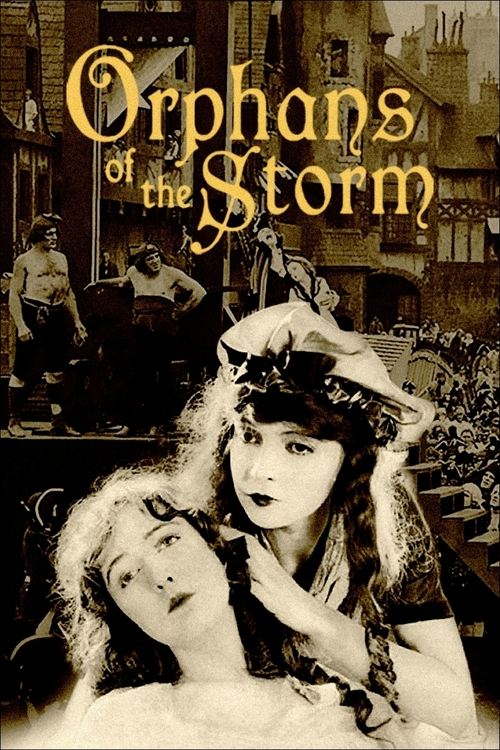
Orphans of the Storm1921
Griffith again, two orphan girls surviving cruelty in Revolutionary Paris. It has the scope Regeneration hints at—Gish is magnificent, and the crowd scenes are staggering. Mercy and providence matter here too.
But Griffith's politics are troubling even in context. It's three hours of slow pacing by modern standards.
The Phantom Carriage1921
Swedish ghost story where a dying man sees his own redemption failure via a supernatural visitor. Like Regeneration, it's about grace and second chances, but the mood is haunted and genuinely eerie. Deeply moving.
But The print quality varies wildly depending on where you find it. The pace is contemplative to the point of stillness.

Nosferatu1922
Murnau's vampire film has the same expressionist dread Regeneration reaches for in its darker moments. A man falls to evil, but the film asks what made him vulnerable. Atmospheric and genuinely unsettling.
But It's a horror film first; there's no happy redemption arc. Some find the pacing ponderous.

The Sheik1921
Rudolph Valentino as a Bedouin who captures an English woman. It's pulp, but it engages seriously with desire, consent, and whether love can bridge social chasms. Faster-paced than most of its contemporaries.
But The racial and sexual politics are muddled and occasionally offensive. It's melodrama, not realism.

Metropolis1927
Takes Regeneration's premise—can the system's outcast be remade?—and expands it to society-wide. Where Regeneration is intimate and uncertain, Metropolis is vast and prescriptive. Both believe in the possibility of transformation; Lang just needs more sets.
Fritz Lang's science-fiction cathedral: a worker and an aristocrat's daughter fall in love across class lines in a futuristic city. It's operatic and explicit about redemption and mercy—the film's whole architecture is moral. Visually staggering.
But Different prints vary wildly in completeness and quality. It's long, grandly melodramatic, and the gender politics are confused even for 1927.

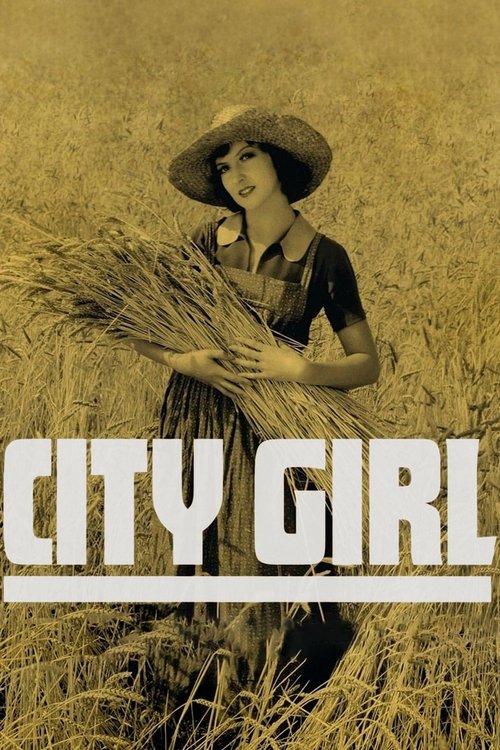
City Girl1930
Regeneration trusts in grace; City Girl tests that faith to destruction. Both are about men trying to escape their nature and rebuild, but Murnau knows what it costs—financially, morally, spiritually. Where Regeneration ends with hope, City Girl ends with the bill come due.
F.W. Murnau's last film: a farm boy marries a city girl and they struggle to survive together. It's a Western crossed with a tragedy, grounded and real in ways that would embarrass most 1930s sentimentality. A man trying to be good and nearly breaking.
But It's depressing, and the print is incomplete in most versions. The ending is bleak in a way that rejects consolation.
People
Cast
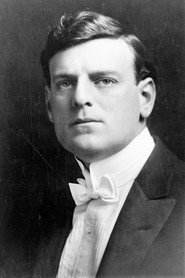 Gilbert M. AndersonThe Regenerate
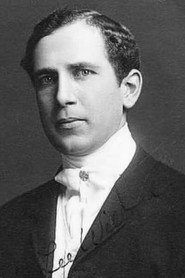 Lee WillardThe Burglar's Accomplice
 Marguerite ClaytonThe Girl
- Hazel ApplegateThe Maid
 Charlie ChaplinA Customer
 Lloyd BaconThe Saloon Girl's Companion
- Bill CatoFirst Cop at House

Directing
- Gilbert M. AndersonDirector
Writing
- Gilbert M. AndersonWriter
Production
- Gilbert M. AndersonProducer