
Film
Gangs of New York
Scorsese's operatic vision of 1860s Manhattan, where immigrant tribes carve up turf blocks from Wall Street. Sprawling, blood-soaked, gorgeously mounted revenge drama built for the big screen — the Five Points rebuilt as a nightmare stage. DiCaprio broods, but this belongs to Daniel Day-Lewis's monstrous, magnetic Bill the Butcher. Best for those who want history as spectacle: loud, brutal, unapologetically theatrical rather than tidy.
If you liked this
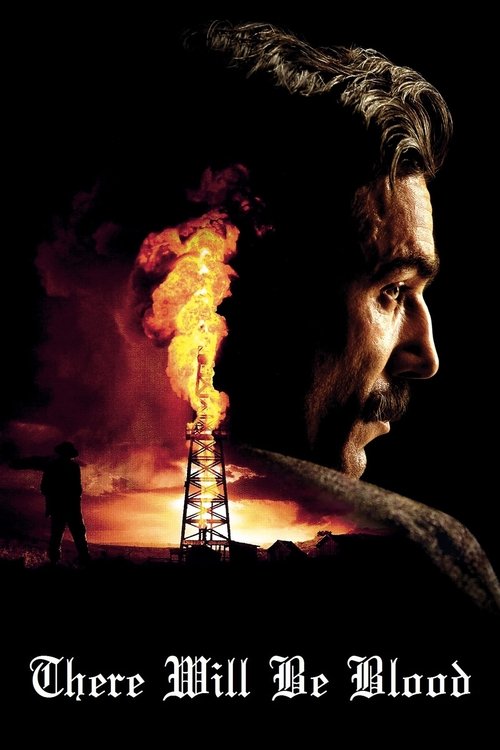
There Will Be Blood2007
Another Daniel Day-Lewis performance built like a landslide — this time an oilman instead of a butcher, but the same hunger for dominance and operatic scale of American ambition curdling into monstrosity.
But Colder and slower than Gangs, with almost no action — it simmers rather than explodes, and some viewers find its stillness alienating rather than mesmerizing.
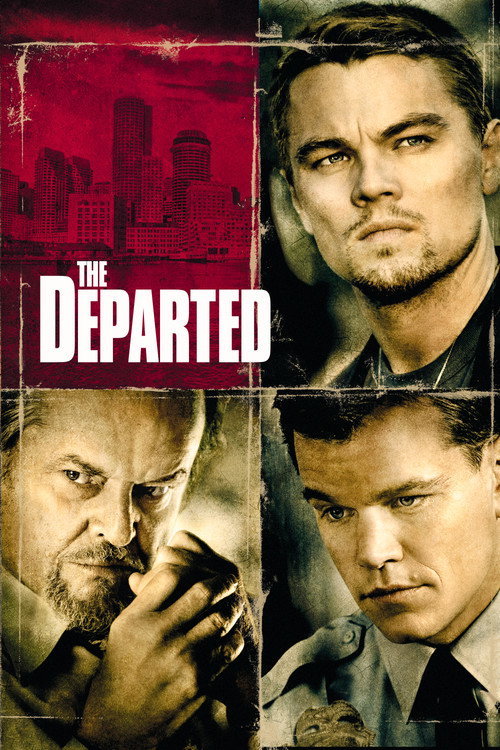
The Departed2006
Scorsese and DiCaprio again, this time in modern Boston, trading Gangs' sprawling canvas for a tight, twisty undercover thriller that won the Best Picture Oscar this film was denied.
But Faster, funnier, and far less interested in history or spectacle — if it was the period grandeur you loved, this trades it away entirely.
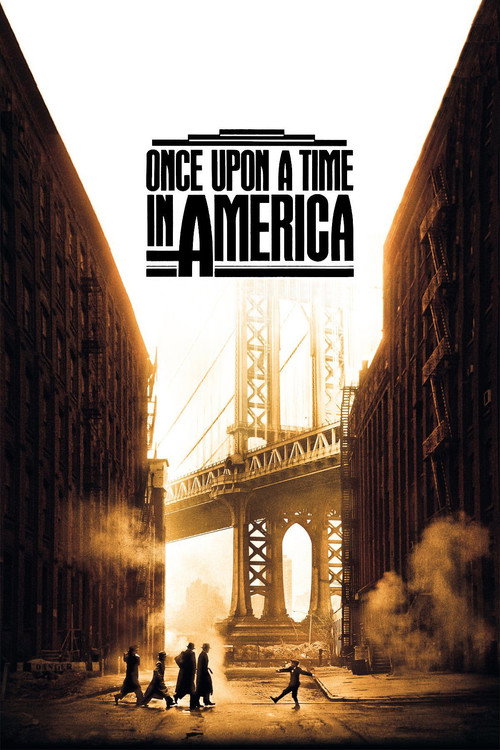
Once Upon a Time in America1984
Leone's own gangster epic, tracing Jewish immigrant hoods through decades of New York crime with the same doomed, mythic sweep and a similarly punishing runtime.
But Even slower and more melancholic, with a fractured timeline that demands more patience than Gangs ever asked of you.
The wildcard
Something you would not have found on your own.
His Regeneration1915no page yet
It captures the real slum and real gangs that inspired Gangs, on film, decades before the story became myth — the source material seen through a 1915 lens.
Shot on location in the actual Five Points slums decades before Scorsese rebuilt them on a soundstage, this silent film is often called the first true American gangster picture — the ancestor Gangs is quoting.
But Silent, scratchy, and barely an hour — no dialogue, no color, and a melodrama structure that feels ancient next to Scorsese's bombast.
More like this (8)
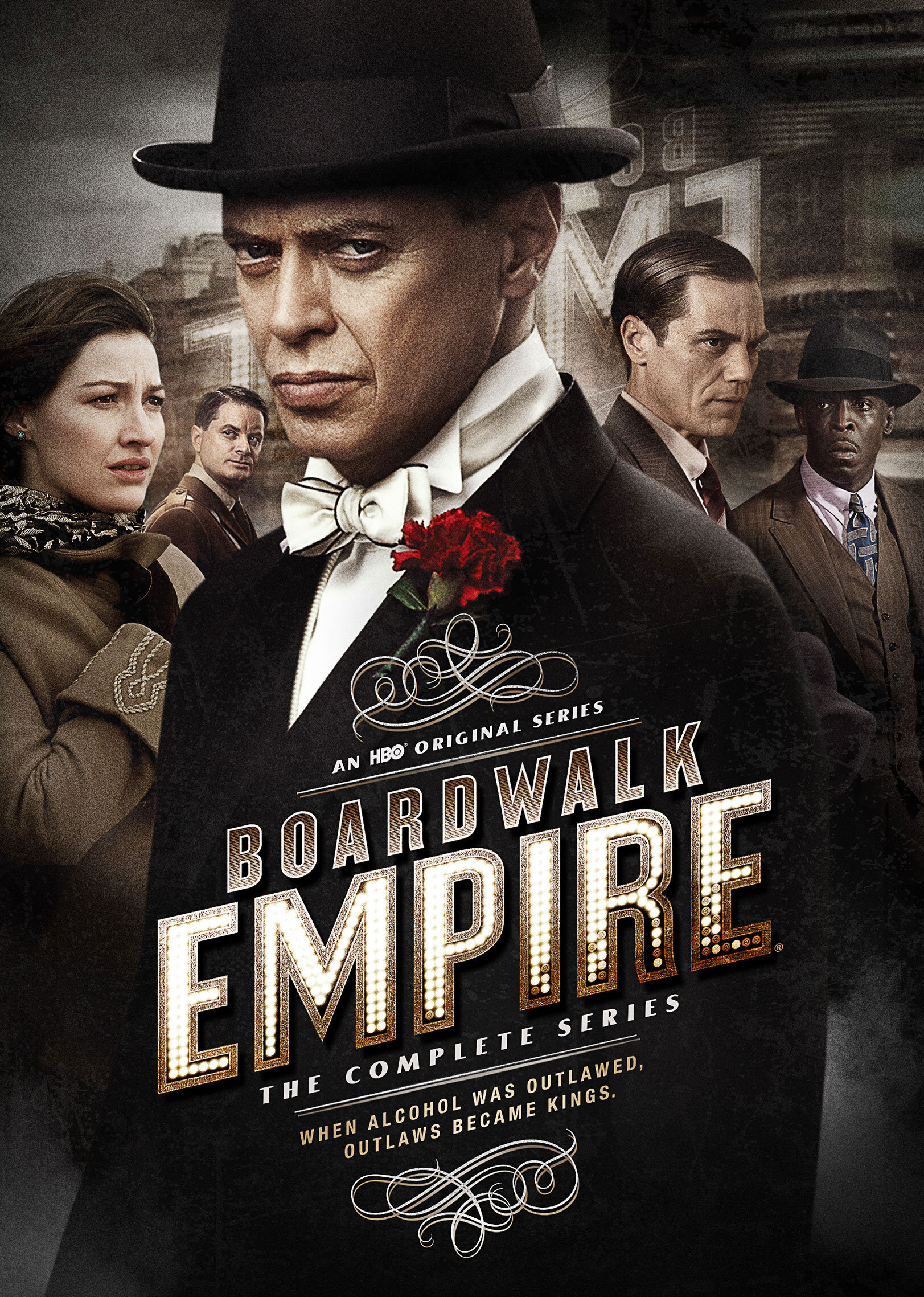
Boardwalk Empire2010
Scorsese directed the pilot of this Prohibition-era HBO saga, and it shares Gangs' appetite for corrupt kingpins, immigrant hustlers, and New York as a battlefield for power.
But Five seasons is a serious commitment, and the pace is closer to a slow-cooked drama than a two-and-a-half-hour spectacle.
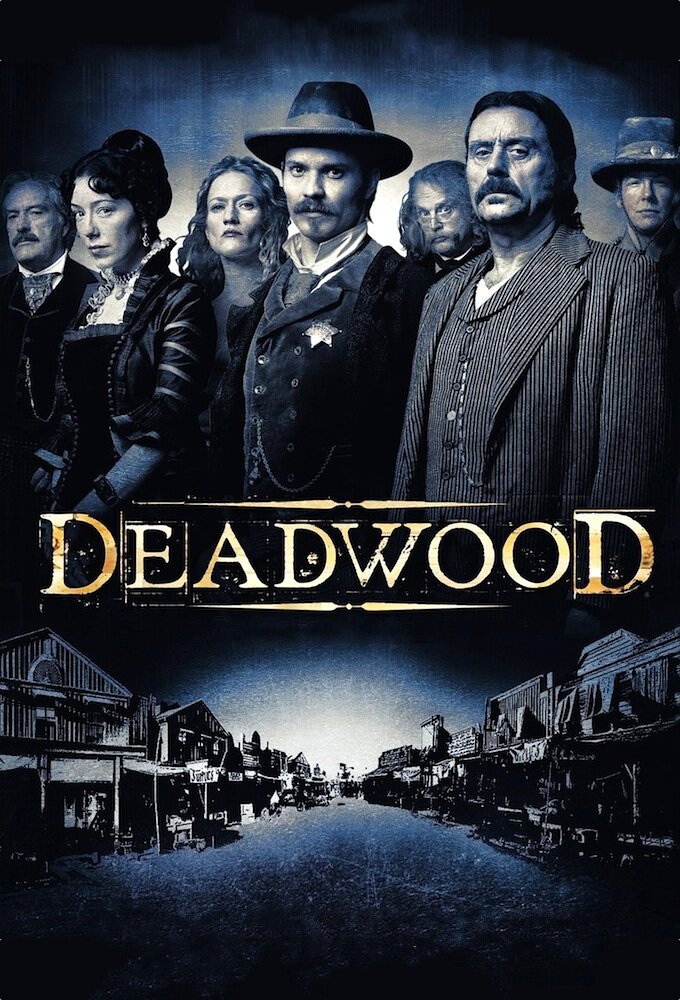
Deadwood2004
Same lawless frontier energy, same filthy magnificent dialogue, same sense of a raw town inventing its own brutal rules before civilization arrives to tidy it up.
But The Dakota Territory setting and dense, Shakespearean dialogue take real adjustment — it rewards patience more than it grabs you immediately.
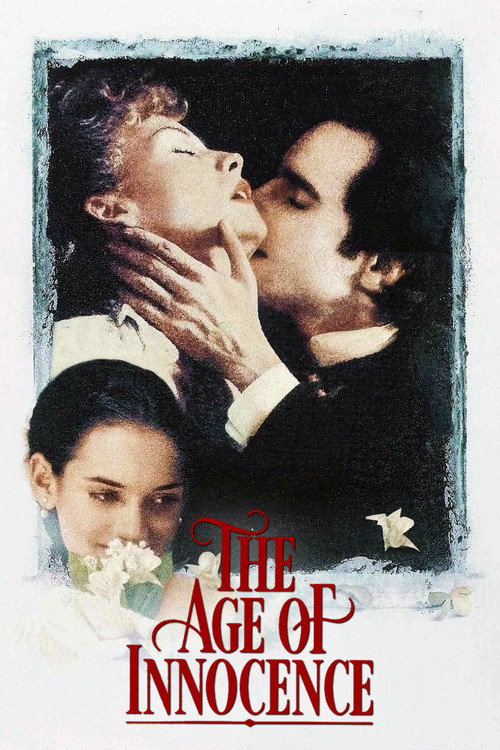
The Age of Innocence1993
Scorsese's other 1870s New York film, proving he sees high society drawing rooms as just as savage a battlefield as the Five Points — same director, opposite social class.
But No violence, no gangs, just corseted repression and devastating glances — a completely different register that some will find airless by comparison.
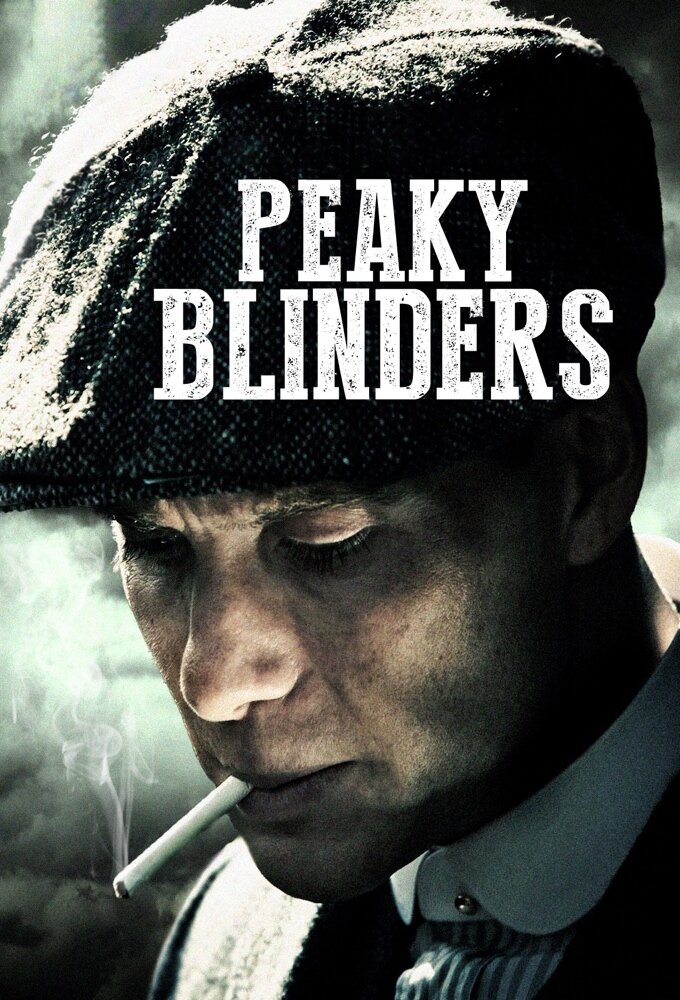
Peaky Blinders2013
Twentieth-century Birmingham gangsters with the same tribal loyalty, stylish brutality, and charismatic anti-heroes clawing their way up through a city that despises them.
But Slicker and more romanticized than Gangs, with a soundtrack and swagger that lean pop rather than period-authentic.
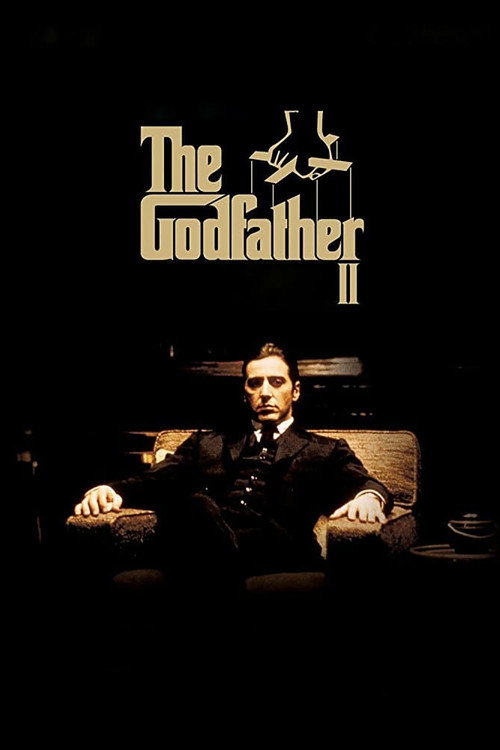
The Godfather Part II1974
Another immigrant family fighting for a foothold in America, told across generations with the same tragic grandeur and unflinching violence.
But Quieter and more contained than Gangs' chaos, built on hushed conversations and long silences rather than street warfare.
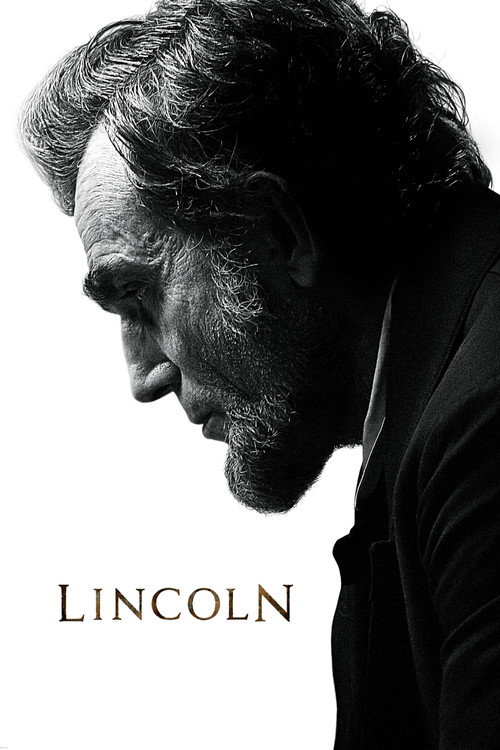
Lincoln2012
Daniel Day-Lewis again, this time playing decency instead of menace, set in the same Civil War era that hovers at the edges of Gangs' story.
But A courtroom-and-corridor drama about legislative maneuvering — talky and restrained where Gangs is loud and bloody.
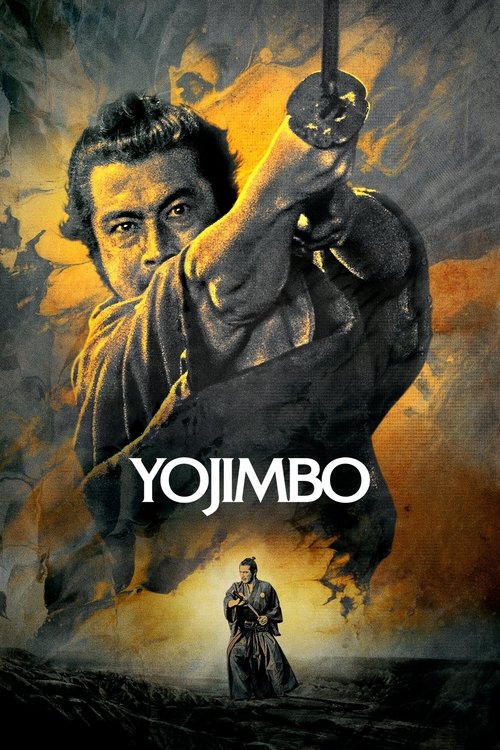
Yojimbo1961
Same structural spine as Amsterdam's revenge plot — an infiltrator navigating gang rivalry by pretending loyalty he doesn't feel — just wearing a topknot instead of a top hat.
Kurosawa's tale of a lone outsider who infiltrates a town controlled by two warring gangs, playing both sides to survive — the exact engine of Amsterdam's plan against Bill, rebuilt as samurai cinema.
But Black and white, in Japanese, and far drier in its humor — anyone expecting Scorsese-scale carnage will find it comparatively restrained.
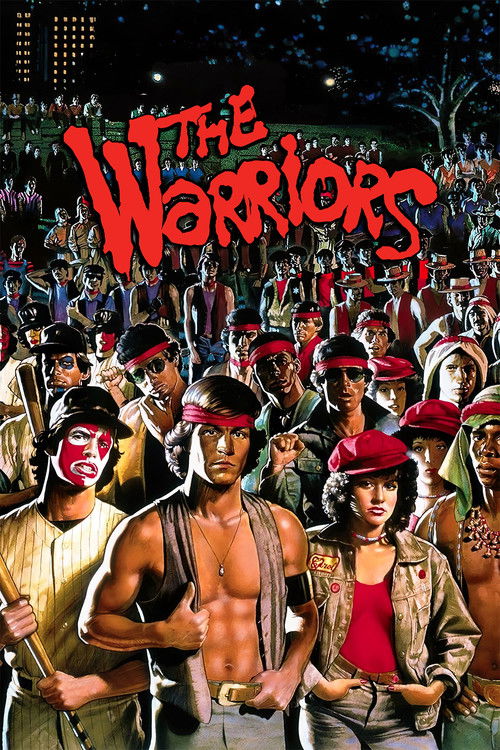
The Warriors1979
Strips Gangs' central idea — New York as tribal battleground — down to pure comic-book pulp, trading Scorsese's tragic grandeur for gleeful B-movie swagger.
A pulpier, comic-book vision of New York gang mythology — leather vests instead of top hats, one delirious night instead of a decade, but the same idea that the city belongs to whoever controls its turf.
But Campy, stylized, and proudly trashy where Gangs is operatic — expect one-liners and neon rather than historical weight.
People
Cast
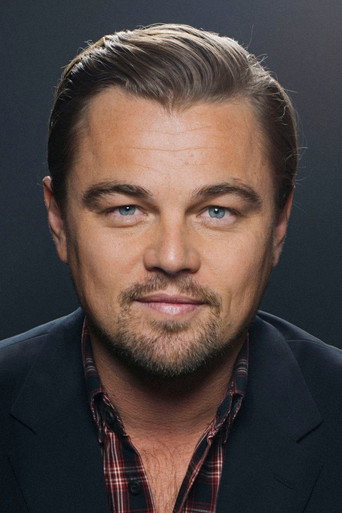 Leonardo DiCaprioAmsterdam Vallon
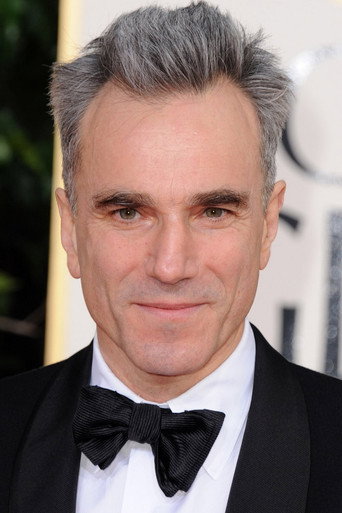 Daniel Day-LewisBill 'The Butcher' Cutting
 Cameron DiazJenny Everdeane
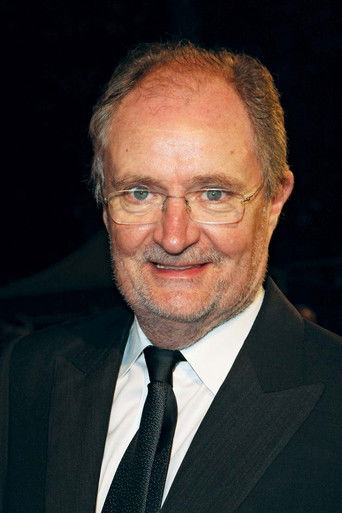 Jim BroadbentBoss Tweed
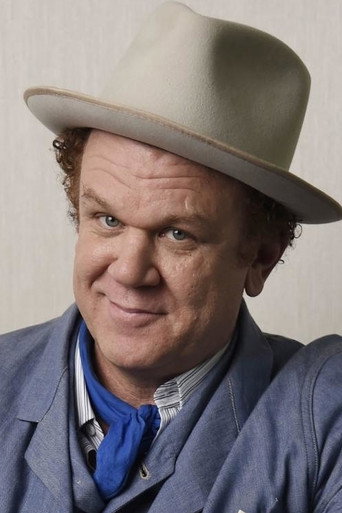 John C. ReillyHappy Jack
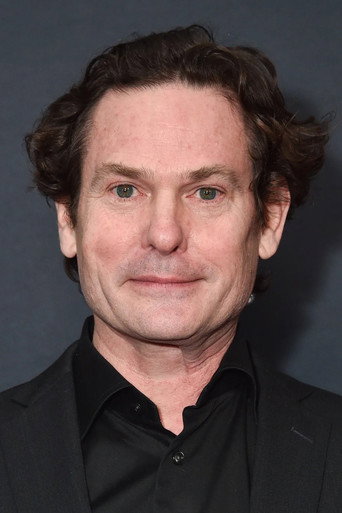 Henry ThomasJohnny Sirocco
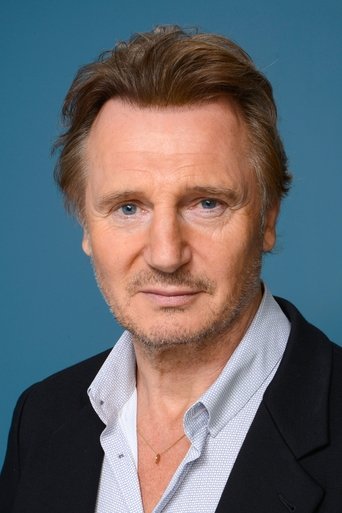 Liam Neeson'Priest' Vallon
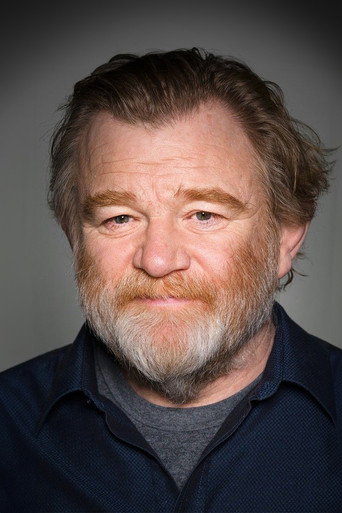 Brendan GleesonWalter 'Monk' McGinn
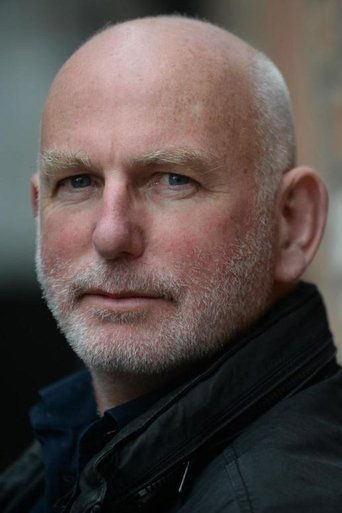 Gary LewisMcGloin
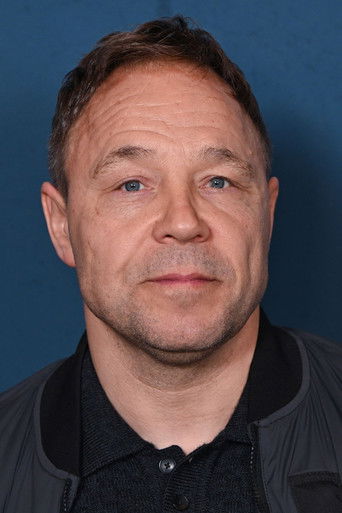 Stephen GrahamShang
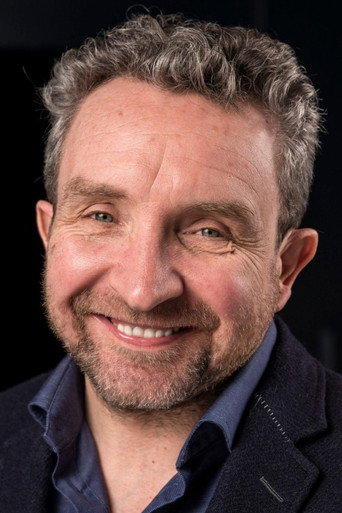 Eddie MarsanKilloran
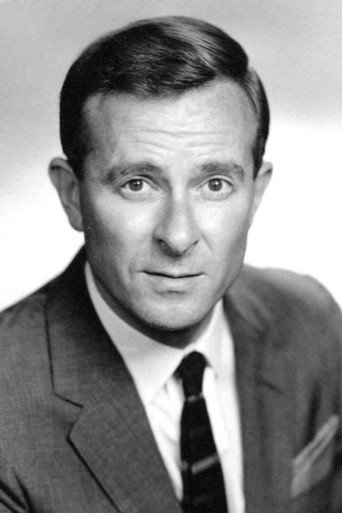 Alec McCowenReverend Raleigh
Directing
- Martin ScorseseDirector
- Joseph P. ReidyFirst Assistant Director
- Rachel GriffithsScript Supervisor
Writing
- Jay CocksScreenplay
- Kenneth LonerganScreenplay
- Steven ZaillianScreenplay
- Jay CocksStory
Production
- Gerry Robert ByrneAssociate Producer
- Ellen LewisCasting
- Colin VainesCo-Executive Producer
- Graham KingCo-Executive Producer
- Rick SchwartzCo-Executive Producer
- Joseph P. ReidyCo-Producer
- Laura FattoriCo-Producer
- Barbara Phillips MarcoExecutive Producer
- Bob WeinsteinExecutive Producer
- Maurizio GrimaldiExecutive Producer
- Michael HausmanExecutive Producer
- Michael OvitzExecutive Producer
- Rick YornExecutive Producer
- Michael JackmanLine Producer
- Randi FeinbergLine Producer
- Alberto GrimaldiProducer
- Harvey WeinsteinProducer