
Television series
New York: A Documentary Film
- Slow-burning
Ric Burns's four-part epic traces New York from Dutch settlement to the end of the twentieth century, using archival photographs, period music, and a narrator's voice to weave the city's story into America's. It's meticulous, contemplative, and genuinely moving—a love letter to a place told through the lives of people who built it, suffered in it, and made it legendary.
If you liked this
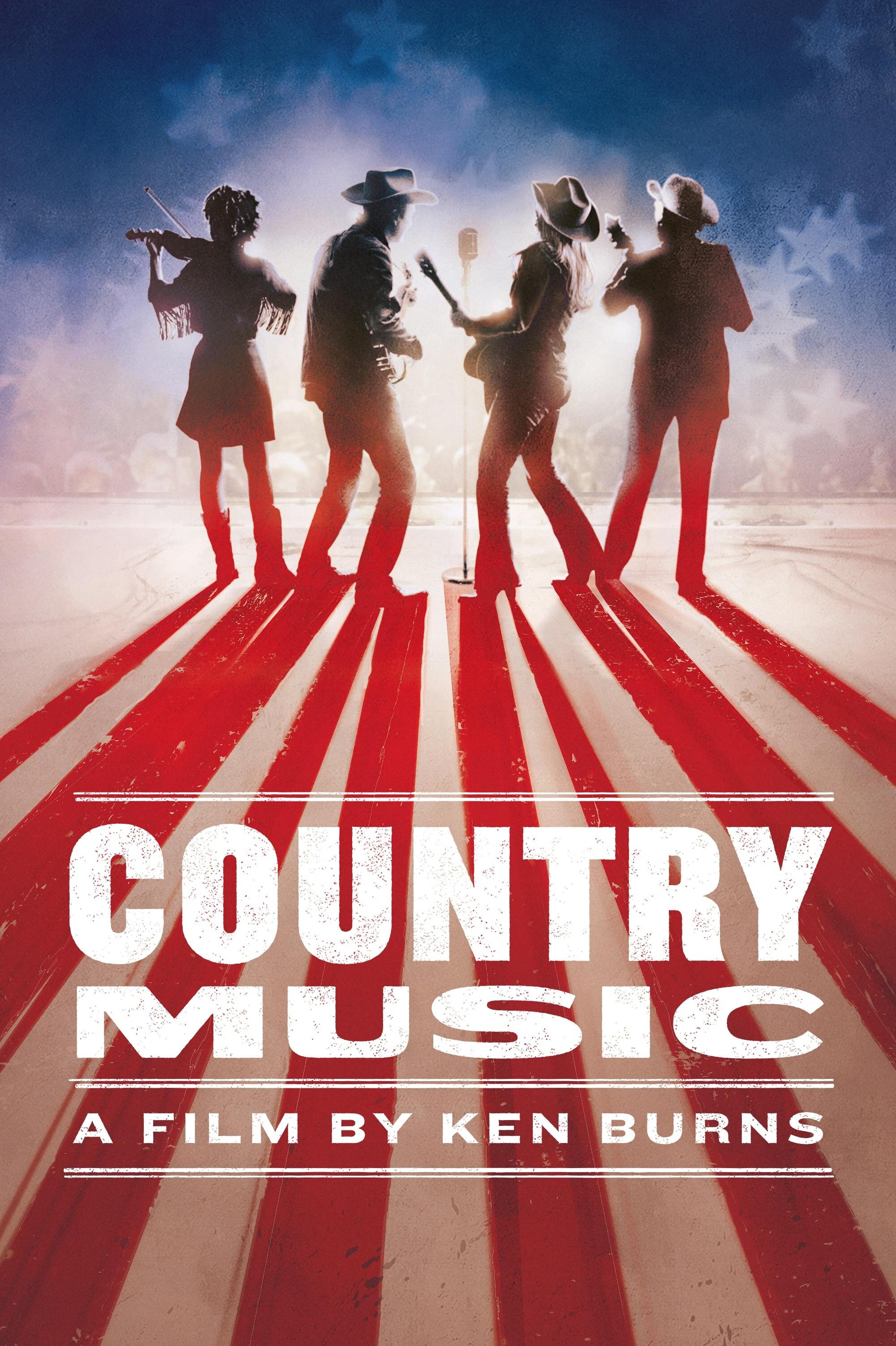
Country Music2019
The definitive template for American documentary storytelling: archival images brought alive by music, letters read aloud, and a historian's careful eye. If you loved Ric's approach, this shows where he learned it.
But Eleven hours is a commitment even for curious viewers, and the glacial pacing won't convert anyone who finds talking-head documentaries dull.
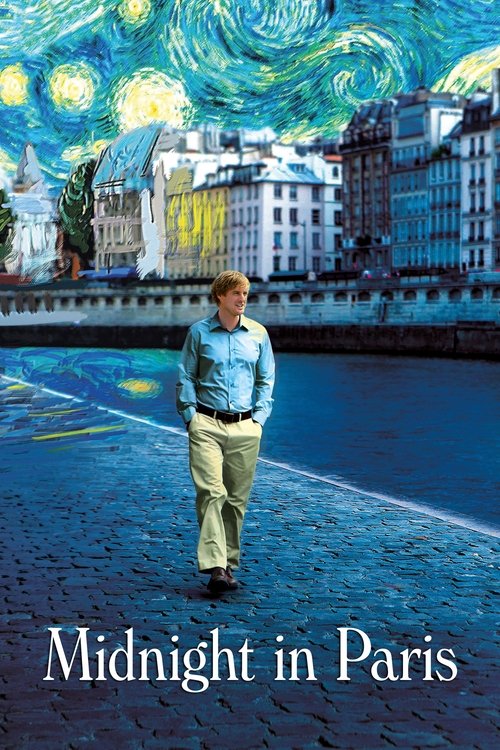
Midnight in Paris2011
Woody Allen's love letter to Paris mirrors Burns's tenderness toward New York—a film so enchanted by a city's past that it becomes a meditation on longing itself and why we romanticize what came before.
But The nostalgia is treacly, and Allen's worldview hasn't aged well. If you find his sensibility grating, nothing here will change your mind.
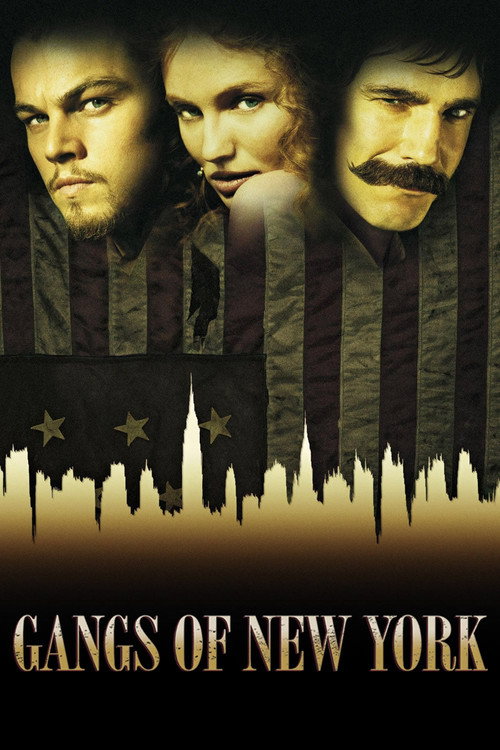
Gangs of New York2002
Scorsese dramatizes exactly the period Burns documents—Five Points, Irish-German violence, corruption—with operatic violence and visual fury. Watch them together for total immersion.
But It's deliberately lurid and cynical where Burns is elegiac. The film wants you to feel the chaos; the documentary wants you to understand it.
Not sure tonight? Get a pick in a minute, starting from New York: A Documentary Film
The wildcard
Something you would not have found on your own.
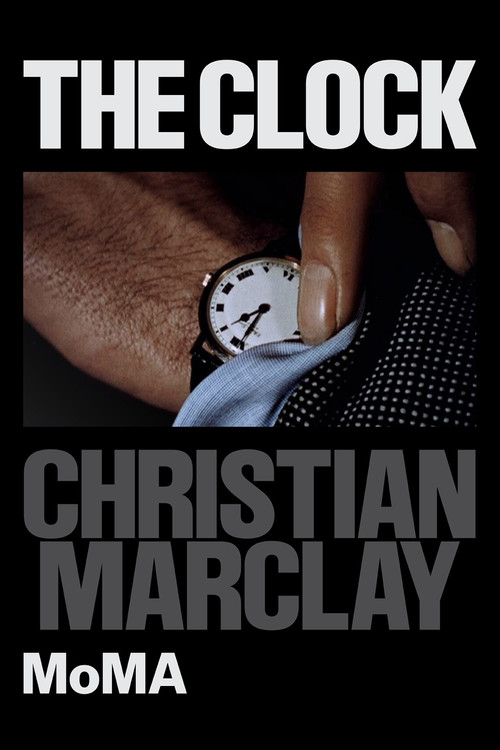
The Clock2010
Both use found images (archival photos vs. film clips) to build a temporal experience. Burns shows how a place changes; Marclay shows how time itself is constructed by cultural memory.
Christian Marclay's conceptual film is 24 hours of movie clips arranged so that the on-screen time matches real time. A totally different approach to cinema, but like Burns it asks: what *is* a city but layers of moments, a rhythm, a living record?
But There's no plot, no argument, no narration—just thousands of images. Many will find it an endurance test rather than art.
More like this (6)
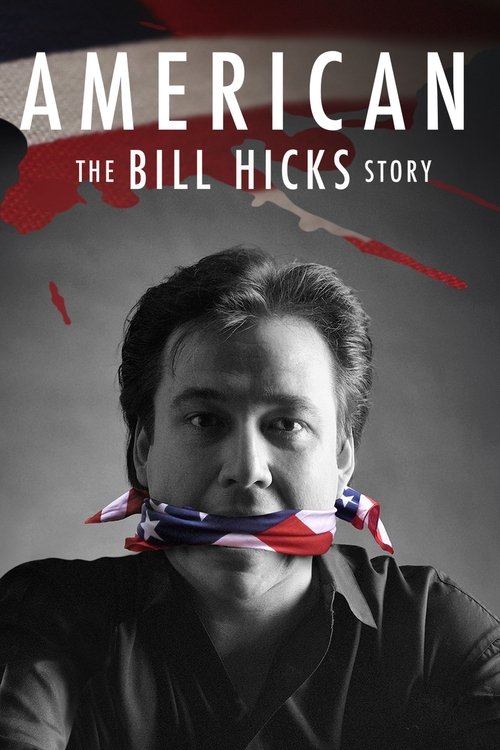
American: The Bill Hicks Story2010
A smaller-scale documentary that uses the same archival-plus-narration grammar to tell an intimate American biography. Proof the Burns method works at any scale.
But If you find Bill Hicks insufferable, the film won't recruit you. It's reverential about its subject in ways that may feel unearned.
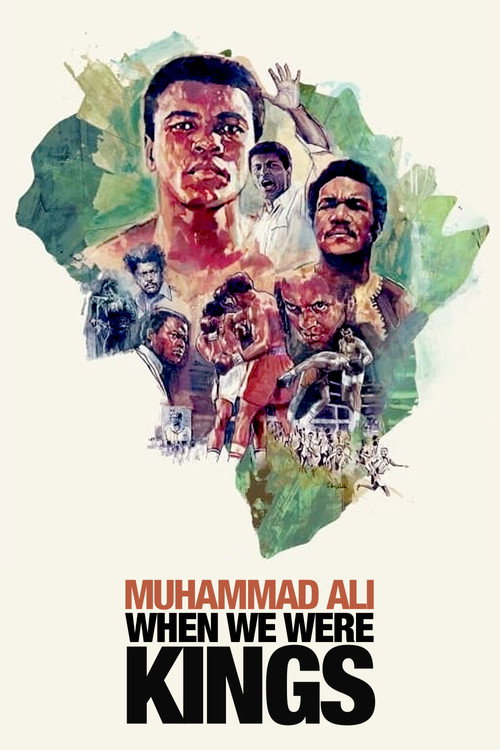
When We Were Kings1996
Leon Gast's film about the Rumble in the Jungle uses archival footage, contemporary interviews, and a soulful approach to capture a moment when sport and history collided in Africa.
But The editing jumps around enough to feel slightly scattered compared to Burns's linear precision.
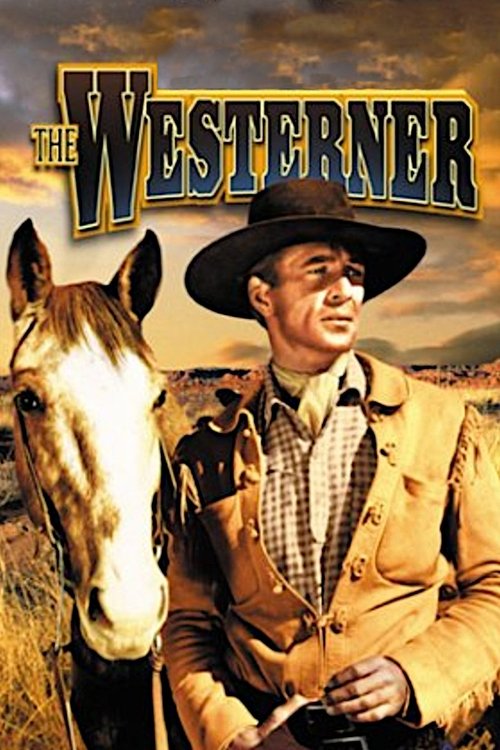
The Westerner1940
William Wyler's film about the last days of Judge Roy Bean isn't about a city but about the mythology Americans build around their past—the same impulse that animates Burns's New York.
But It's a Western, which automatically excludes people allergic to horses and standoffs. And its politics are firmly period.
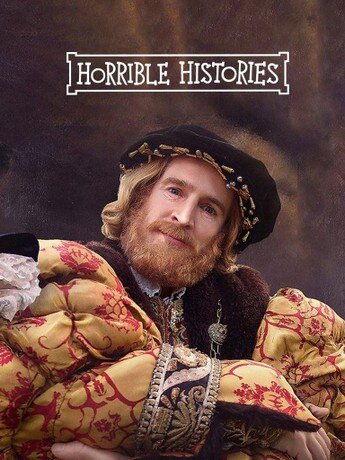
Horrible Histories2009
A quieter meditation on urban history and what we choose to remember. Not as grand as Burns, but operating in the same thoughtful register and with genuine warmth for its subject.
But It lacks the production value and narrative momentum of major documentaries. This one asks patience and rewards it quietly.
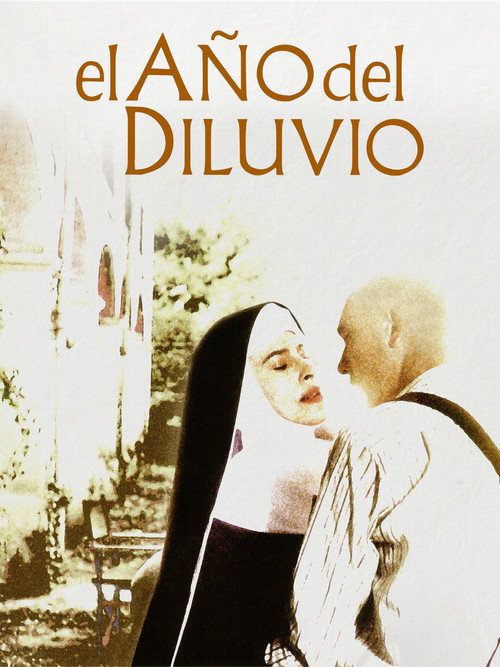
El año del diluvio2004
Both are intimate urban histories told through accumulated detail and human testimony rather than grand statements. Burns shows how a city is built; this shows how it survives.
A Bangladeshi film set during the 1970 cyclone, told with poetry and a documentary eye. It's a city film in a different language and a different kind of catastrophe, but shares Burns's fascination with how ordinary people endure extraordinary history.
But It's slow, deliberately paced, and rooted in a specific geography and tragedy. The emotional register is somber, not celebratory.
Hiroshima Mon Amour1959
Both use archival images to explore how memory—collective and personal—shapes our relationship to place and time. Burns builds chronologically; Resnais spirals, but both are interrogating the same gap between what happened and what we can bear to remember.
Alain Resnais's experimental film weaves archival footage from Hiroshima with a fictional love story in ways that dissolve the boundary between history and personal experience. Its use of found footage is utterly different from Burns but asks the same question: how do we hold a city's past?
But It's avant-garde, oblique, and not interested in clarity. The narrative dissolves deliberately. Some will call it pretentious; many will simply be frustrated.
People
Cast
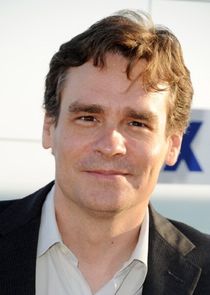 Robert Sean LeonardNarrator
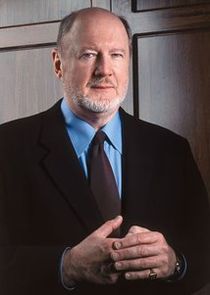 David Ogden StiersNarrator