
Film
The Clock
Other titles called The Clock: the 1945 film.
- Strange
Christian Marclay's monumental collage syncs 24 hours of cinema to real time—a clock made of film fragments. You watch it in a gallery or online, dipping in and out as hours pass. It's meditative, playful, and endlessly rewarding: a love letter to cinema's unconscious obsession with time itself. For the restless and the reverent alike.
If you liked this
Synecdoche, New York2008
Charlie Kaufman's nested, shape-shifting story about artistic ambition collapsing into itself shares The Clock's fascination with time, scale, and the boundary between life and representation. Hypnotic and dizzying.
But It demands active interpretation and grows increasingly abstract. Some find it self-indulgent; patience is mandatory.

Man with a Movie Camera1929
Dziga Vertov's silent montage symphony films a single day in a Soviet city, building rhythm and meaning from pure juxtaposition. It's cinema's DNA—and The Clock's spiritual ancestor.
But No plot, no dialogue, no conventional narrative. If you need a story to follow, this will feel like watching someone else's visual diary.

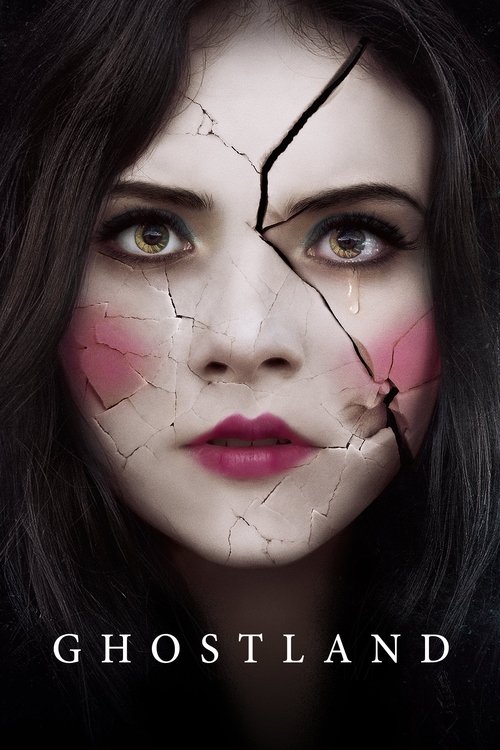
Ghostland2018
Pascal Laugier's essay-film meditates on cinema's relationship to trauma and time through obsessive clip-sequences. It shares The Clock's collage logic but with darker purpose and philosophical weight.
But Dense, academic, sometimes opaque. Rewarding for cinema lovers but punishing if you want entertainment over ideas.
Not sure tonight? Get a pick in a minute, starting from The Clock
The wildcard
Something you would not have found on your own.
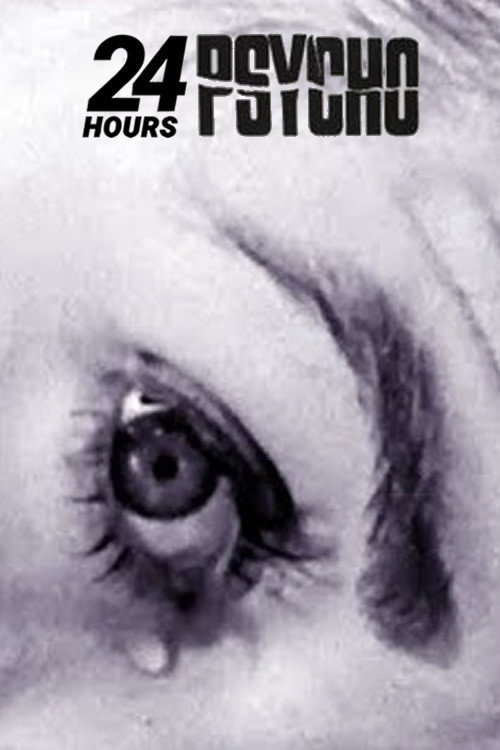
24 Hour Psycho1993
Both use extreme temporal manipulation to remake how we experience film itself—not what it shows, but how time moves through it.
Douglas Gordon's video art piece stretches Hitchcock's *Psycho* to 24 hours, one frame per second. It inverts The Clock's approach—not fragments synced to time, but time stretched into fragments. Hypnotic meditation on how slowing cinema down reveals its grain.
But It's barely cinema and barely narrative. Sitting through it feels like a commitment to endurance art rather than entertainment. Most won't watch the whole thing.
More like this (8)
La Haine1995
Mathieu Kassovitz traps a 24-hour cycle into narrative form—three days, one explosive tension, always aware of time running out. The formal control and visual invention rival Marclay's own understanding of cinematic rhythm.
But It's urgent and angry, not contemplative. The energy is exhausting; some viewers find it dated in style.

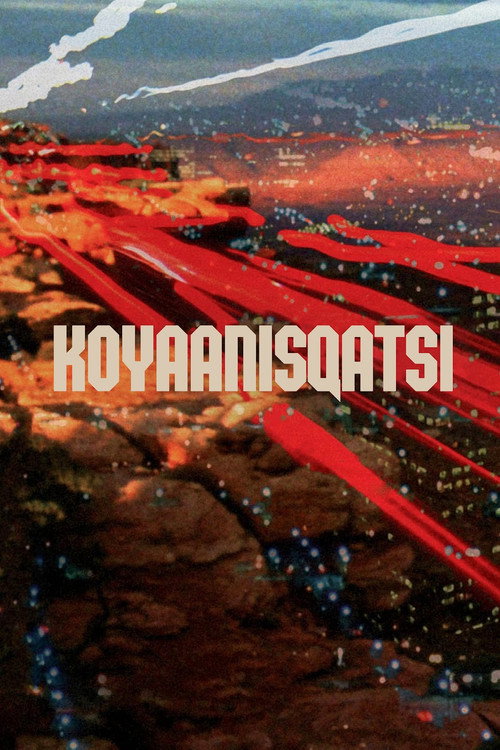
Koyaanisqatsi1983
Godfrey Reggio's wordless essay-film about modernity's accelerated pace uses time-lapse and montage to make you feel temporal vertigo. Pure cinema as argument, no plot required.
But It's repetitive by design. If you need variation or payoff, the hypnotic approach will bore you.
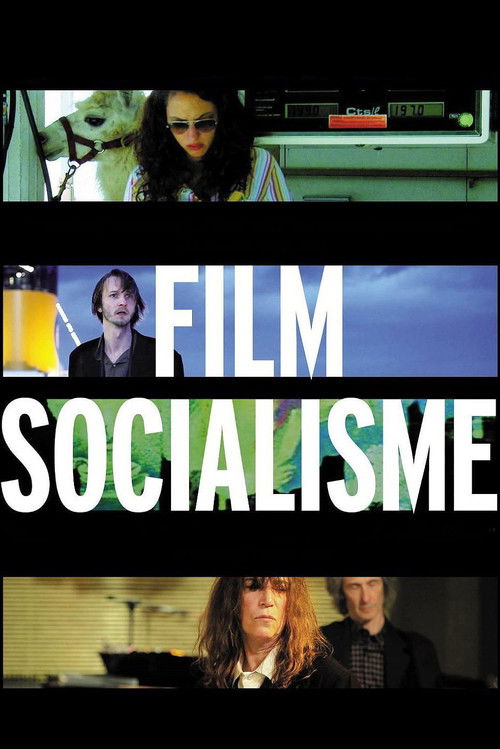
Film Socialisme2010
Jean-Luc Godard's late-period meditation on history, cinema, and politics works as a kind of collage too—fragmented, associative, made from the debris of meaning. For those ready to decode rather than passively receive.
But It's wilfully difficult and offers no handholds. Many feel Godard's difficulty has tipped into self-parody by now.
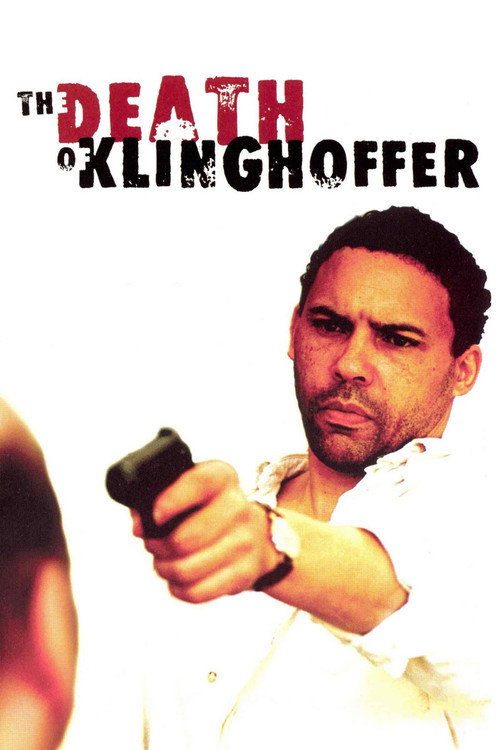
The Death of Klinghoffer2003
Luc Bondy's operatic film (adapted from John Adams) moves with balletic slowness through a historical trauma. Its obsession with how cinema frames moral time echoes Marclay's investigations.
But It's static, demanding, and about an unresolved tragedy. The slowness reads as diffidence to some; the subject matter is deliberately uncomfortable.
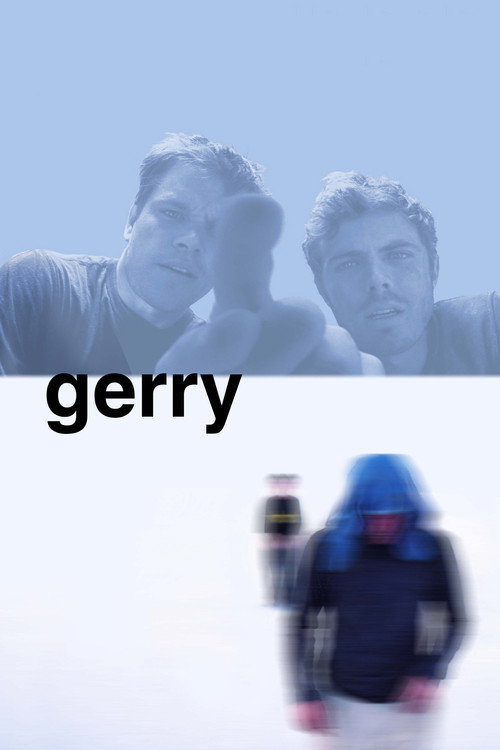
Gerry2002
Gus Van Sant stretches a hiking trip into an endurance test, using real time to create dread and meditation. It's a master class in how duration *is* meaning—Marclay's lesson applied to narrative.
But Nearly three hours of two people walking through landscape. If you hate slow cinema, this is torture dressed as art.
Sans Soleil1983
Chris Marker's essay-film uses voice, image, and montage to explore memory, time, and cinema's strange relationship to both. Poetic and fractured, it inspired generations of collage-based film thinking.
But Structurally digressive and conceptually dense. The floating narration and lack of conventional sense-making alienates viewers seeking clarity.

The Night of the Hunter1955
Both treat cinema as a language of pure time and symbol—less interested in what happens than in how duration and image can reshape consciousness.
Charles Laughton's only film is a fever dream of shadows and symbols, where time moves dreamlike and every clock, every moment carries mythic weight. It predates Marclay's Clock by decades but shares its obsession with time as cinema's true subject.
But It's mannered and theatrical in ways that feel archaic. Some find it overwrought; others find its strangeness off-putting.

Mulholland Drive2001
Both are love letters to cinema that work by breaking cinema's promises—using film's formal properties to make meaning from fragmentation and temporal disorder rather than story.
David Lynch's Los Angeles nightmare doesn't just fracture narrative—it fractures time itself, making the past and present collapse into one another. Like The Clock, it's fundamentally about cinema's power to destabilize our sense of when we are.
But It's deliberately, stubbornly opaque. The ending will frustrate anyone looking for resolution or coherent plot logic.

People
Directing
- Christian MarclayDirector