
Film
The Clock
Other titles called The Clock: the 2010 film.
A soldier and a young woman meet by chance in New York and fall in love over forty-eight hours before he ships out to war. Vincente Minnelli's film is tender and unhurried, capturing the bittersweet magic of stolen time. It's a romance that understands how quickly the heart can open, and how much weight those hours carry.
If you liked this
It Happened One Night1934
The template for romantic screwball comedy: two strangers thrown together, sparring with wit while falling for each other. Effortless chemistry and genuine laughs across ninety minutes of pure pleasure.
But The pacing is leisurely by modern standards, and the banter relies on you enjoying dialogue more than plot momentum.

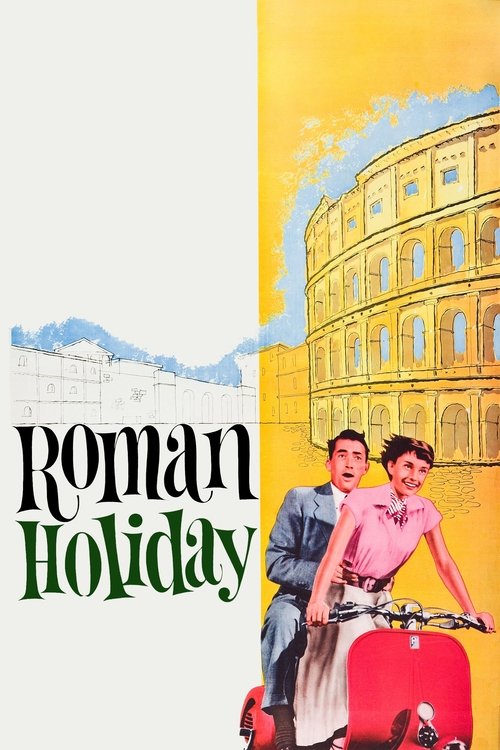
Roman Holiday1953
Audrey Hepburn and Gregory Peck steal a night in Rome together before duty calls. Like The Clock, it's about the ache of happiness that has an expiration date, told with grace and genuine warmth.
But The ending is predetermined from the start, and some will find that melancholy rather than romantic.
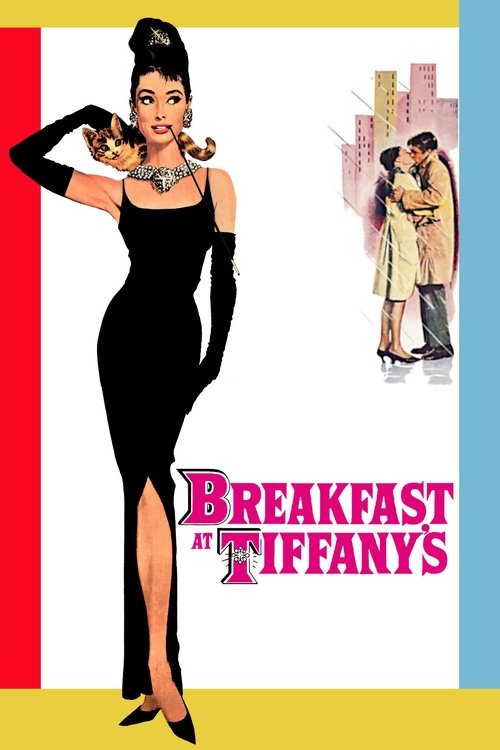
Breakfast at Tiffany's1961
A woman running from herself meets a man who might give her reason to stop. It has the same New York shimmer and the same bittersweet understanding that love doesn't always fix things, but it matters anyway.
But The tone shifts between comedy and genuine sadness, and that tonal whiplash bothers some viewers.
Not sure tonight? Get a pick in a minute, starting from The Clock
The wildcard
Something you would not have found on your own.
In the Mood for Love2000
Both are films about love compressed into a narrow window, told through physical space and small gestures rather than exposition. Both believe the frame itself can break your heart.
Wong Kar-wai transforms a love story into pure visual poetry: cigarette smoke, color, mirrors, and repetition that makes every glance feel like a lifetime. Two people falling for each other in 1960s Hong Kong with the same doomed-to-be-brief intensity as The Clock.
But The deliberate slowness and abstraction will frustrate anyone wanting plot or dialogue. Some find it gorgeous, others find it glacial.

More like this (8)
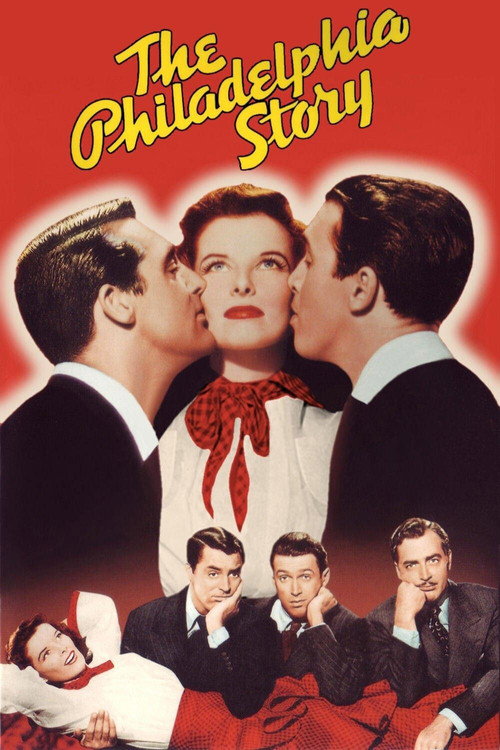
The Philadelphia Story1940
Cary Grant, James Stewart, and Katherine Hepburn in a weekend that changes everything. Razor-sharp dialogue, genuine emotion, and the rare film that understands romance as both exhilarating and complicated.
But It's a talker—if you're not in the mood for witty repartee, the constant quips will exhaust you.
Brief Encounter1945
Two married people fall in love over cups of tea in a railway station café, never quite touching. It's restrained, deeply English, and devastatingly sad—the same year as The Clock, proof that forbidden love stories hit hardest.
But The infidelity at its heart bothers many viewers, and the ending is bleak enough to linger painfully.

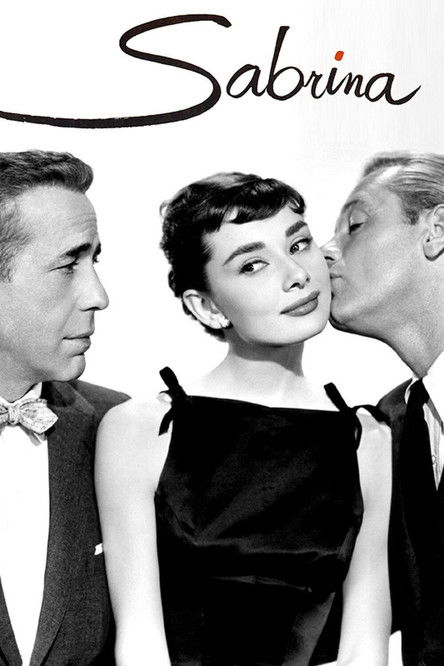
Sabrina1954
Audrey Hepburn again, this time falling for Humphrey Bogart across a summer that feels stolen from ordinary life. It understands the romance of transformation and the danger of wanting the wrong person.
But The class politics feel dated, and the resolution depends on accepting some uncomfortable gender dynamics.
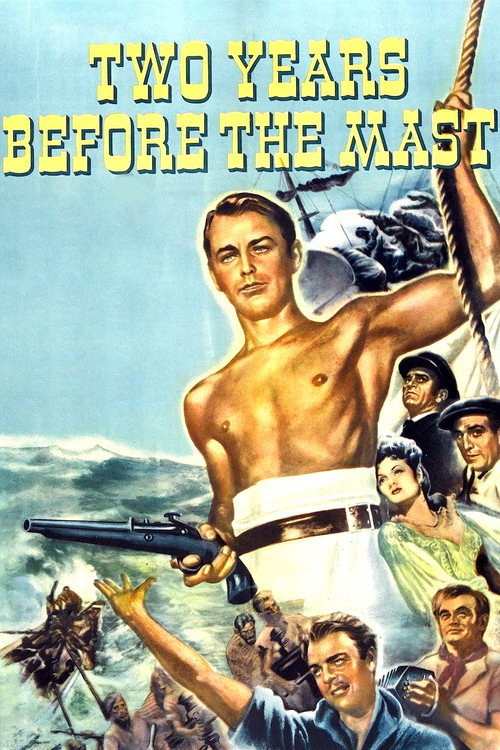
Two Years Before the Mast1946
Alan Ladd and Brian Donlevy in a gritty military drama with real stakes and genuine comradeship. If you loved the G.I. authenticity in The Clock, this scratches the same itch with added nautical hardship.
But It's a men's picture—the romance is secondary and the whip-cracking abuse is presented without irony.
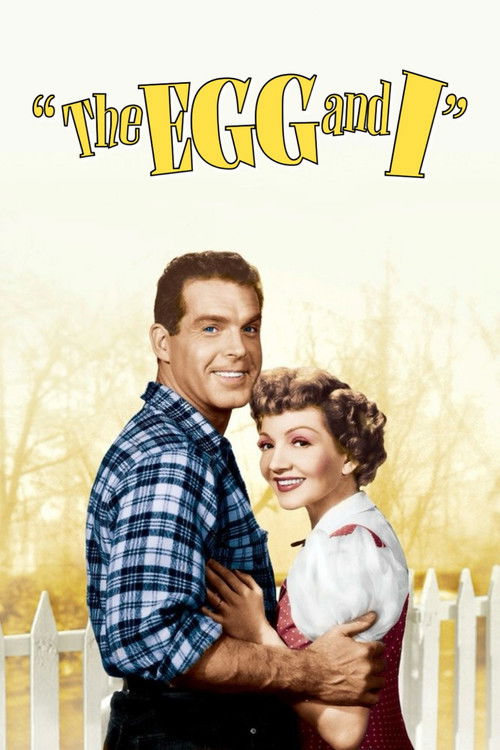
The Egg and I1947
Claudette Colbert and Fred MacMurray as a couple adjusting to rural life after marriage. Same era, same sweet naturalism about ordinary people figuring out how to love each other when the honeymoon ends.
But The plot is gossamer-thin and some of the cultural attitudes have aged poorly.
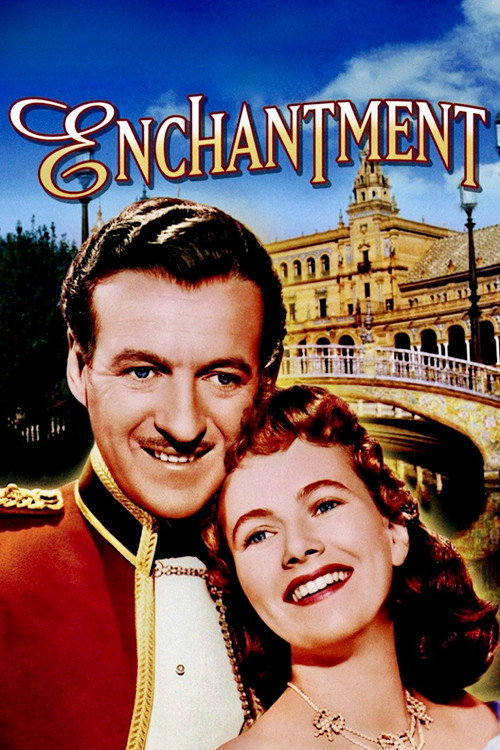
Enchantment1948
David Niven and Teresa Wright in a romance that spans decades and continents, grounded in the same wartime uncertainty. Lush and melancholic, with genuine performances anchoring the sentiment.
But It's deliberately old-fashioned even for 1948, and the nested narrative structure can feel emotionally distant.
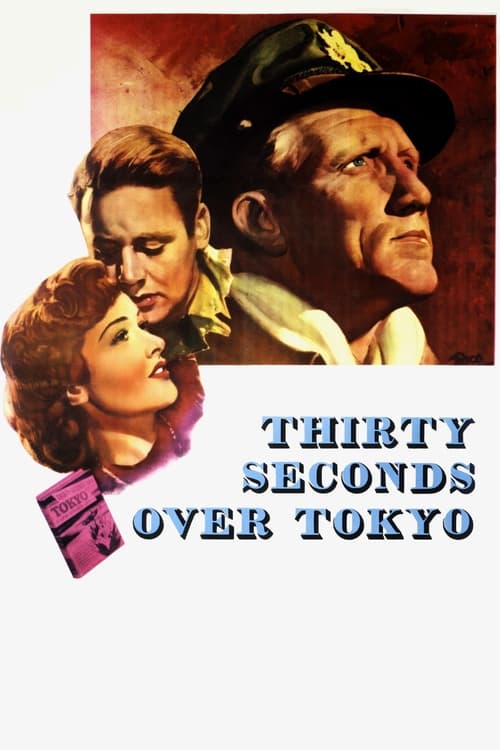
Thirty Seconds Over Tokyo1944
Both films were made in 1944-45 and grapple with what soldiers leave behind and what they return to—The Clock asks it as romance, this asks it as survival.
Spencer Tracy leads a squadron bomber crew toward a suicide mission in Japan. It's a military drama with the same documentary realism about soldier life that gives The Clock its grounding, but it answers the question 'what happens next?' with actual warfare.
But The propaganda elements date it, and the Japanese are portrayed as caricatures. The spectacle of destruction won't appeal to pacifist viewers.
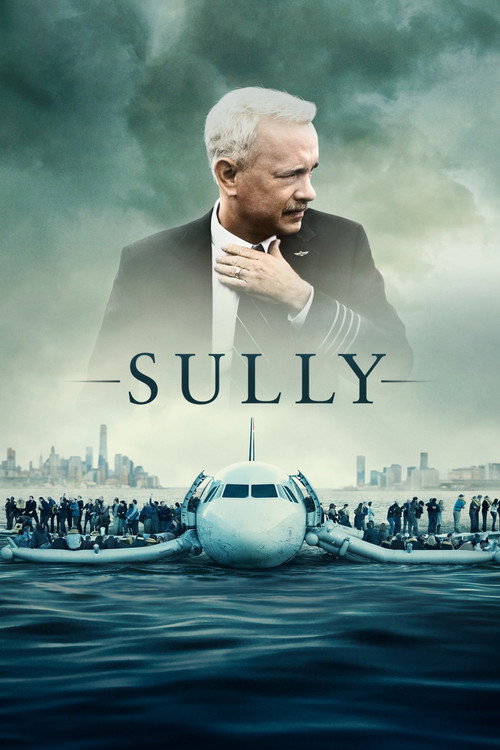
Sully2016
Both films are fascinated by how much can matter in a compressed timeframe. The Clock has forty-eight hours; Sully has less than two minutes. Both trust that limitation, not despite it but because of it, creates the greatest emotional weight.
Clint Eastwood and Tom Hanks examine the seventy seconds that change a life and a country's course. A quiet, sober film about competence and grace under pressure—nothing like a wartime romance, but the same surgical focus on time itself as the real subject.
But It's deliberately understated to the point of anti-drama. Viewers seeking conventional narrative payoff will find this frustrating.
People
Cast
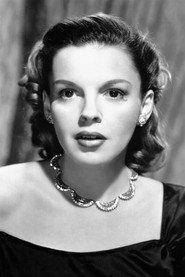 Judy GarlandAlice Maybery
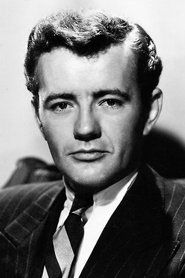 Robert WalkerCorporal Joe Allen
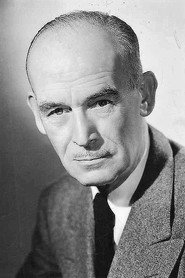 James GleasonAl Henry
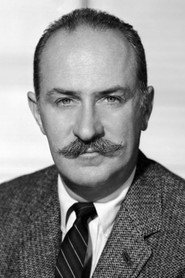 Keenan WynnThe Drunk
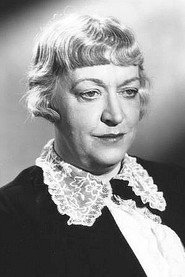 Lucile GleasonEmily Henry
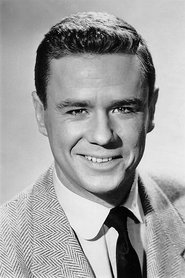
 Ruth BradyHelen
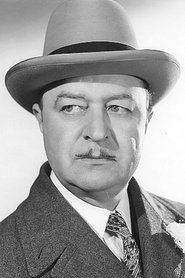 Chester CluteMichael Henry
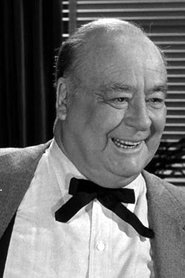 Dick ElliottNew Jersey Man at Penn Station
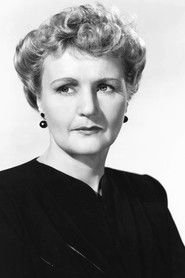 Moyna MacGillPatron at Diner
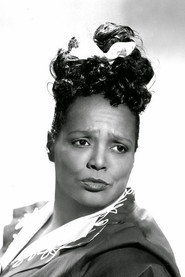 Ruby DandridgeMilk Customer
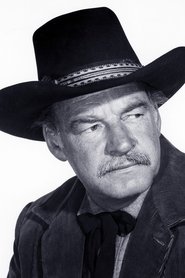 Ray TealPoliceman
Directing
- Vincente MinnelliDirector
Writing
- Joseph SchrankScreenplay
- Robert NathanScreenplay
- Paul GallicoStory
- Pauline GallicoStory
Production
- Arthur FreedProducer
Recommended by
Tender Comrade, Elippathayam, Music for Millions, Two Tickets to Broadway