
Film
Enchantment
- Family drama
- Romantic drama
- Slow-burning
A melancholy romance where an aging man returns to his childhood home, haunted by a love he abandoned decades earlier. When his niece falls for the nephew of his lost love, he's forced to confront the choices that shaped his solitary life. A bittersweet meditation on regret, told with the restraint and elegance of late-1940s Hollywood drama.
Should you watch it?
Watch it if you love old-fashioned romances told through memory and regret, where restraint and a well-timed glance carry more weight than plot, and tears come easily.
Skip it if you want brisk pacing or modern irony, since this is talky, sentimental and stagey, with a lot of wistful reflection before anything moves.
What it asks of you: A slow, unhurried hundred minutes, mostly melancholy, where the drama lives in what people leave unsaid and the pace rarely quickens.
Not sure? Find tonight's pick in a minute.
If you liked this
The Best Years of Our Lives1946
Another postwar reflection on love and time, following men returning home to women who've changed. It shares Enchantment's quiet conviction that the real drama happens in what people don't say to each other.
But At nearly three and a half hours, it demands patience, and the domestic realism can feel slow if you're expecting plot momentum.

Letter from an Unknown Woman1948
Released the same year, this is another study of a man confronting a love he carelessly discarded. It has the same melancholic atmosphere and the same belief that the deepest wounds are self-inflicted.
But It's told mostly through a letter, which creates distance when you might want immediacy. Some find the female sacrifice unbearable rather than moving.

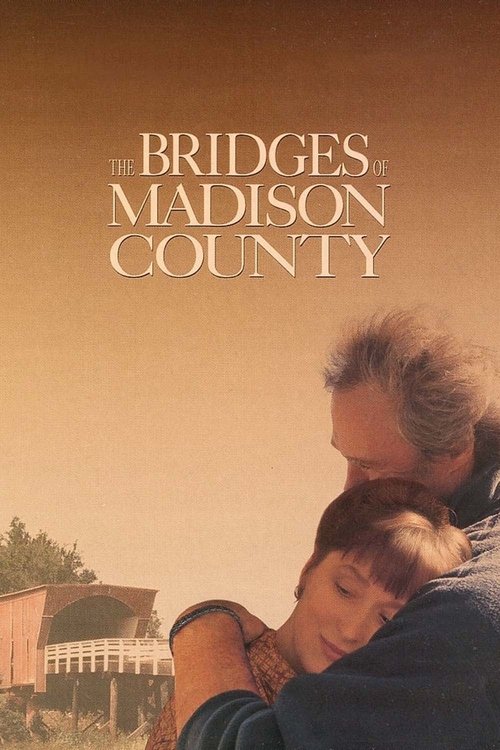
The Bridges of Madison County1995
A more modern take on the same ache: two people in the twilight of their lives remembering a brief, perfect love. It understands that sometimes the choice itself—duty over happiness—is the tragedy.
But If you find Clint Eastwood's minimalism cold, this will feel like watching someone grieve into the middle distance for two hours.
Not sure tonight? Get a pick in a minute, starting from Enchantment
The wildcard
Something you would not have found on your own.
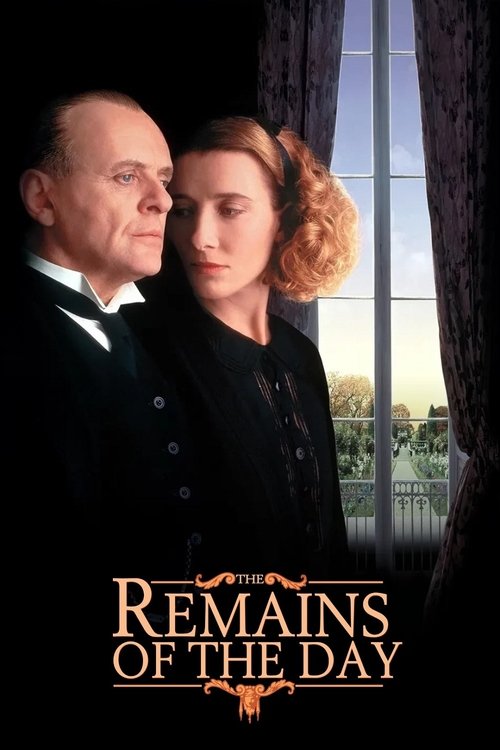
The Remains of the Day1993
Both are studies of men who chose service and loyalty over love, and both suggest the choice was a kind of death the chooser only recognizes too late.
A man at the end of his life realizes he's sacrificed everything—love, principle, happiness—for duty and propriety. It's the same story as Enchantment, but with the moral weight of history pressing down: he enabled atrocity through his service.
But It's an English butler movie from the 1990s that moves at funeral pace. If you need action or emotional catharsis, you won't find either.
More like this (8)
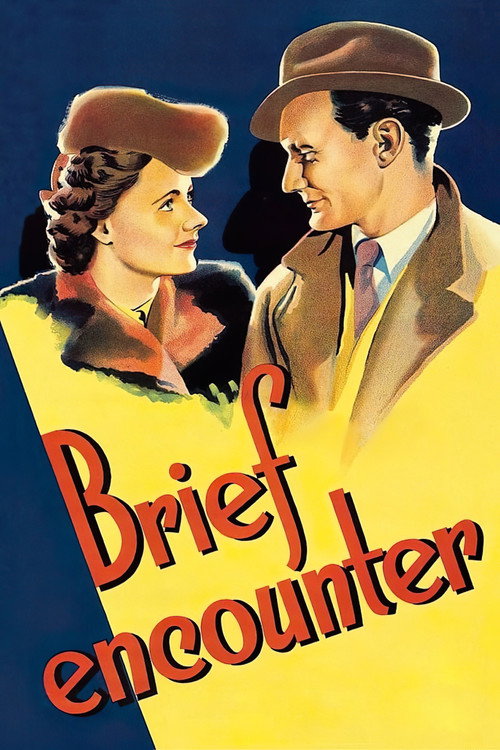
Brief Encounter1945
Noël Coward's masterpiece about two ordinary people meeting in a train station and falling in love they can never act on. Same era, same sense that passion and responsibility are irreconcilable.
But It's deeply English in its emotional restraint—if you need characters to say what they feel, you'll be frustrated.
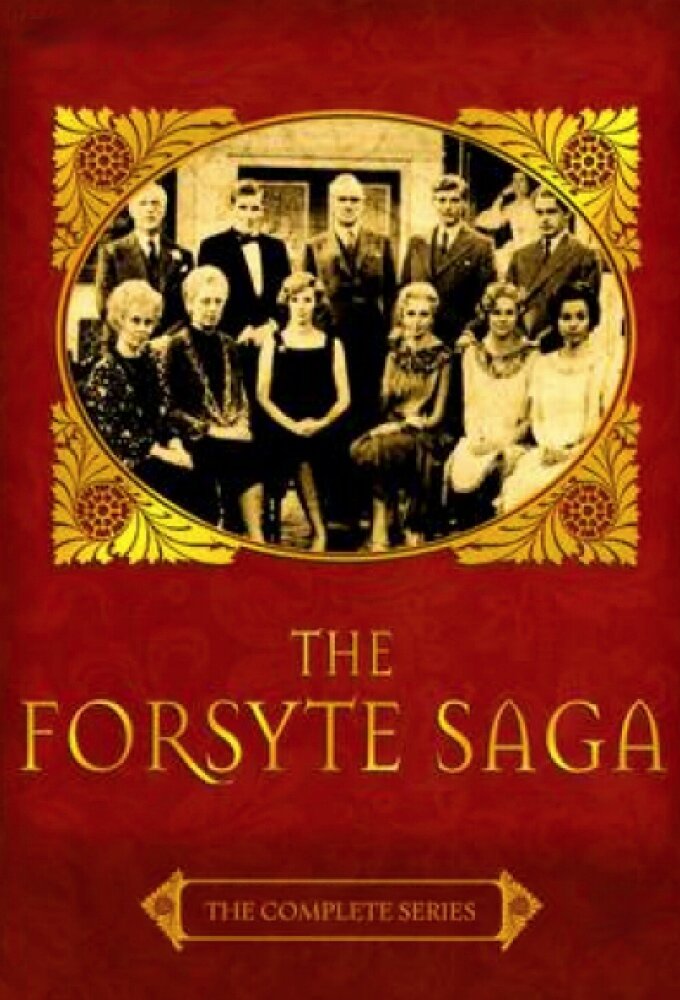
The Forsyte Saga1967
This BBC serial follows family saga across generations with Enchantment's interest in how past choices ripple forward. David Niven is part of the ensemble cast, and the whole thing has that same autumnal quality.
But At fifteen episodes, it's a commitment, and the pacing is glacial by modern standards.
Sunrise: A Song of Two Humans1927
An earlier meditation on marriage, temptation, and second chances that influenced everything postwar films did with romantic regret. The silent form forces you to feel rather than hear the characters' longing.
But It's silent, from 1927, and some will find the conventions of performance dated enough to be distracting.

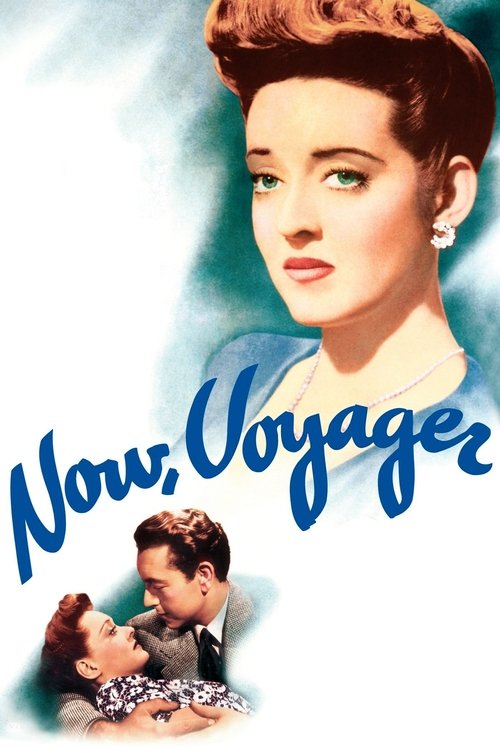
Now, Voyager1942
Bette Davis at her most controlled, playing a woman who must choose between love and duty. Like Enchantment, it argues that sometimes accepting loss is the only dignity available.
But It's a woman's film from 1942, which some find sentimental or dated in its gender politics, even if the emotion is genuine.
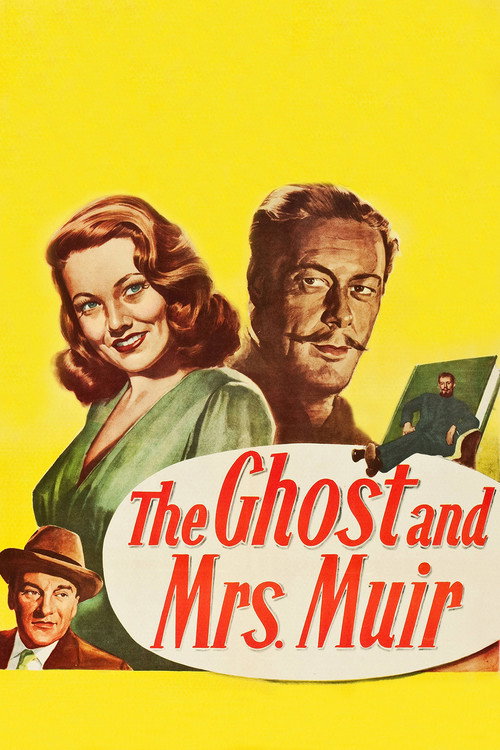
The Ghost and Mrs. Muir1947
Another 1940s romance built on what cannot be, with Rex Harrison as a ghost haunting a widow. It has Enchantment's mixture of tenderness and loss, but wraps it in gentler magic.
But The fantasy element, while charming, can feel like a dodge—the wish fulfillment some need but others find evasive.
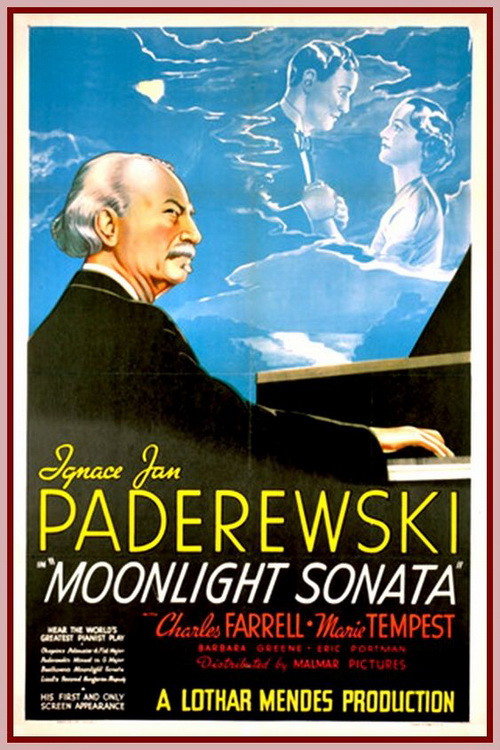
Moonlight Sonata1937
A lesser-known gem about a concert pianist and the woman he loved years ago, reunited by chance. It has the same architecture as Enchantment: memory, regret, and one last chance to do better.
But It's genuinely obscure, which means prints are imperfect and it moves at the pace of 1930s drama, which is slow.
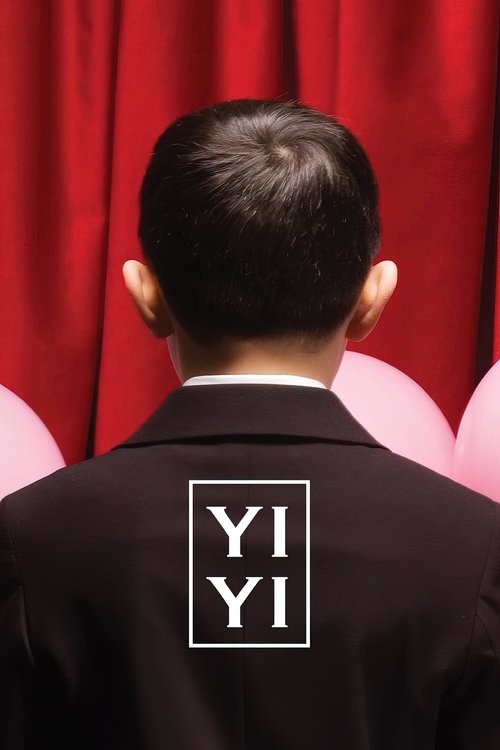
Yi Yi2000
Both use a family gathering to explore how the past doesn't resolve—it just gets passed along. The advice the older generation offers rarely helps.
Edward Yang's three-hour Taiwanese family epic about a man in midlife crisis watching his children and grandchildren repeat his mistakes. It has Enchantment's structure—the older generation as a mirror to the younger—but adds the texture of modern life and the question of whether we ever learn anything.
But Three hours in a language you may not speak, with subdued pacing and no catharsis. It refuses to make you feel better about regret.
Le Plaisir1952
Both are about the gap between the life you imagined and the life you lived, told through the eyes of someone looking back. Both suggest that regret and elegance are inseparable.
Max Ophüls' French film about pleasure, aging, and the gap between memory and reality. Three stories, all about people trying to recapture or understand a moment of joy. It's Enchantment's sensibility—melancholic, elegant, French—but in a different form and about the nature of desire itself.
But It's in French, from 1952, and Ophüls' camera moves in ways some find mannered. The stories don't resolve; they just conclude.

People
Cast
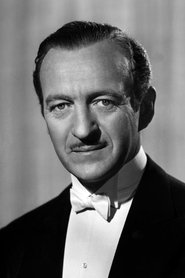 David NivenRoland Dane
 Teresa WrightLark Ingoldsby
 Evelyn KeyesGrizel Dane
 Farley GrangerPax Masterson
 Jayne MeadowsSelina Dane
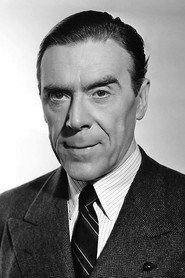 Leo G. CarrollProutie
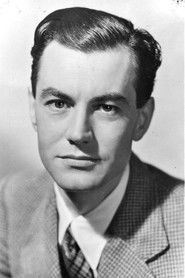 Philip FriendPelham Dane
 Shepperd StrudwickMarchese Del Laudi
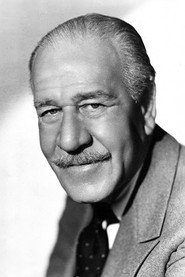 Henry StephensonGeneral Fitzgerald
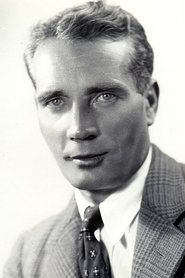 Colin Keith-JohnstonThe Eye
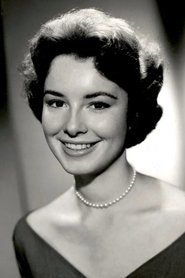 Gigi PerreauLark as a Child
 Peter MilesRollo as a Child
Directing
- Irving ReisDirector
Writing
- Rumer GoddenNovel
- John PatrickScreenplay
Production
- Samuel GoldwynProducer
Recommended by
Mr. Peabody and the Mermaid, The Demi-Paradise, The Clock, Moonlight Sonata