
Film
Le Plaisir
- Social drama
- Dip in and out
Max Ophüls' elegant triptych of desire, aging, and mortality set in Belle Époque Paris. Three interlinked stories—a man chasing youth through masked balls, a madam's girls discovering grace in the countryside, a painter obsessed with his muse—each explore what pleasure costs and what it means. It's romantic without sentiment, funny without cruelty, and gorgeously alive to the texture of living.
Should you watch it?
Watch it if you like three linked short stories told with a wry, ornate elegance, where the camera glides through ballrooms and brothels with the same knowing curiosity.
Skip it if you need momentum, since the middle episode is long and leisurely and the three tales are more mood than plot.
What it asks of you: Ninety-seven minutes in three unhurried chapters, with a lot of dancing, dressing and talk, and a wry patience about desire that rewards attention rather than speed.
Not sure? Find tonight's pick in a minute.
If you liked this
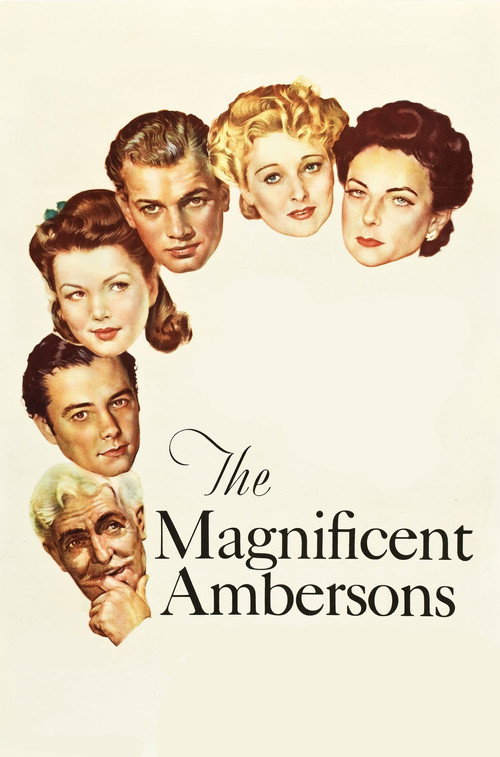
The Magnificent Ambersons1942
Welles' own masterpiece about time, beauty, and regret, told with the same fluid camera and moral complexity. Haunting meditation on what we lose as we age and how we cling to the past.
But It's been heavily edited; you're watching a compromised version. Some find its fatalism punishing rather than profound.
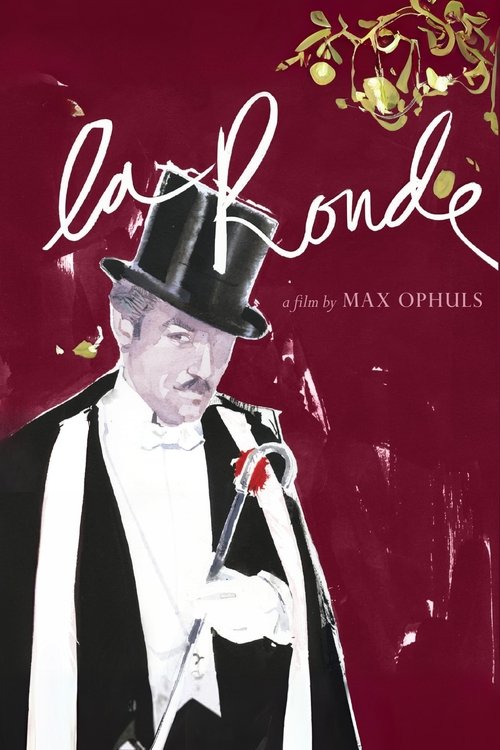
La Ronde1950
Ophüls' own previous film, a carousel of seductions where desire passes from person to person like a baton. If you love Le Plaisir's structure and sensibility, this is essential—possibly even finer.
But The framing device (a ringmaster narrating) feels stagey to modern eyes. Some sequences are slight, more sketch than story.
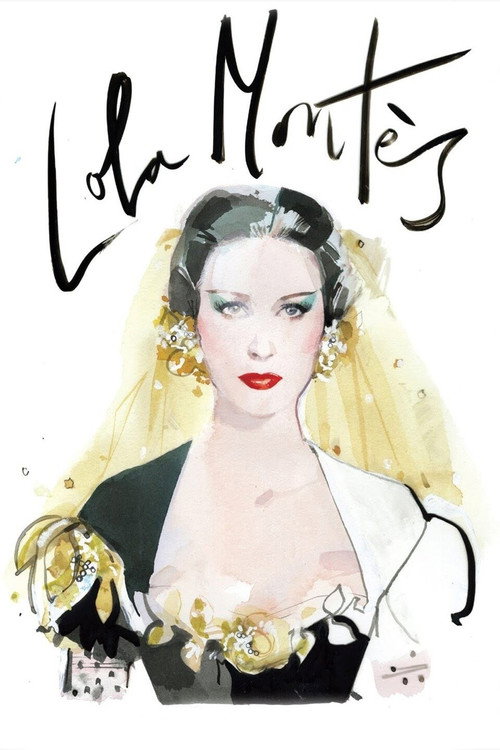
Lola Montès1955
Ophüls' final film, another biography of desire and performance. A woman's life told backwards, each scene a confession about the men who owned her. Visually intoxicating and genuinely moving about exploitation disguised as romance.
But Deliberately artificial and painterly; if you want realism or a straightforward plot, the style will frustrate you. It's also his most downbeat.
Not sure tonight? Get a pick in a minute, starting from Le Plaisir
The wildcard
Something you would not have found on your own.
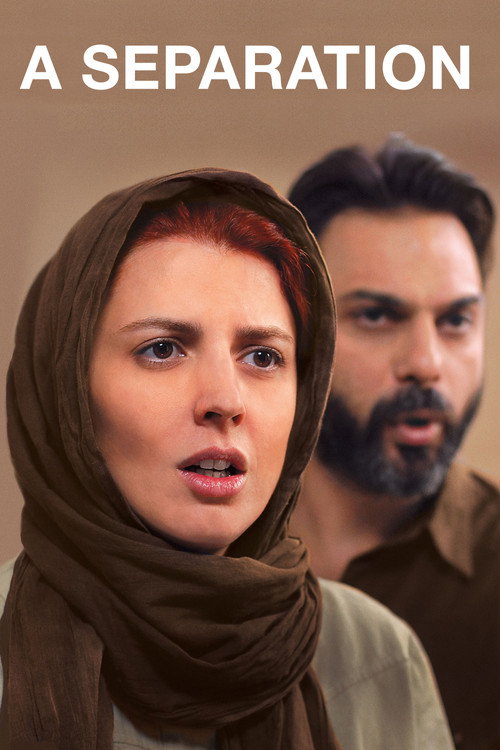
A Separation2011
Shares the tripartite structure and the question of how we justify our desires to ourselves and others; same architecture, opposite temperature.
Iranian drama about desire and marriage told in triptych form like Le Plaisir, but as moral investigation rather than lyric meditation. Three perspectives on the same painful events. Rigorous, unbearably tense, asks what pleasure owes to responsibility.
But It's entirely serious—no humor, no beauty for beauty's sake. The long court scenes will feel glacial if you want momentum. Emotionally demanding in ways Ophüls never is.
More like this (5)
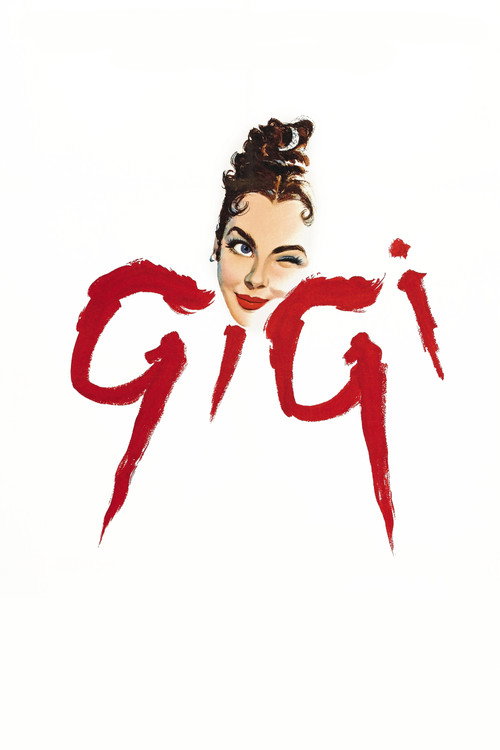
Gigi1958
Also about pleasure, youth, and women's agency in Belle Époque Paris. Where Ophüls is melancholy, Vincente Minnelli is exuberant—but both films ask what happens when desire becomes business.
But It's a musical, and if you hate showstoppers you'll hate this. The tone is much lighter; some find it slight compared to Ophüls' moral weight.
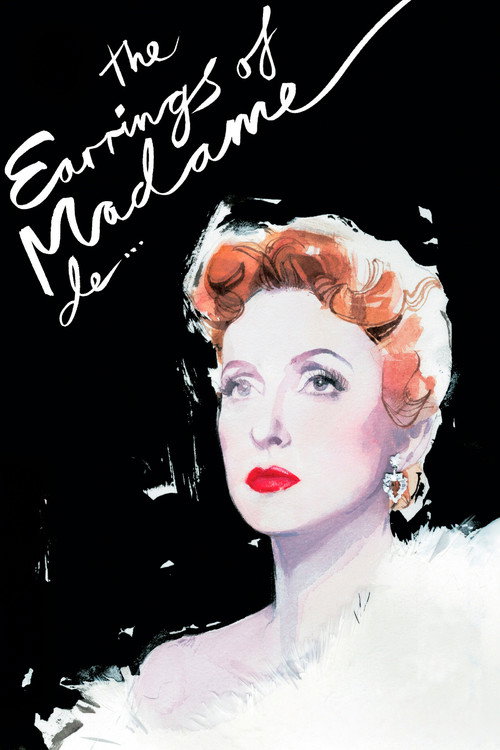
The Earrings of Madame de...1953
Ophüls again, with Danielle Darrieux again. A pair of earrings trace the geometry of desire and betrayal across a marriage. Arguably his most perfectly constructed work—every shot earns its place.
But It's more tightly plotted than Le Plaisir, which some find more satisfying but others find less generous. Very of-its-moment in attitudes to infidelity.
The Red Shoes1948
Powell and Pressburger's fever dream about art, obsession, and the price of beauty. Like Le Plaisir, it's about what we sacrifice for desire and illusion—but told through ballet and Technicolor rapture.
But It's visually overwhelming and symbolism-heavy. The ending divides people sharply; some find it inevitable, others cruel or nihilistic.

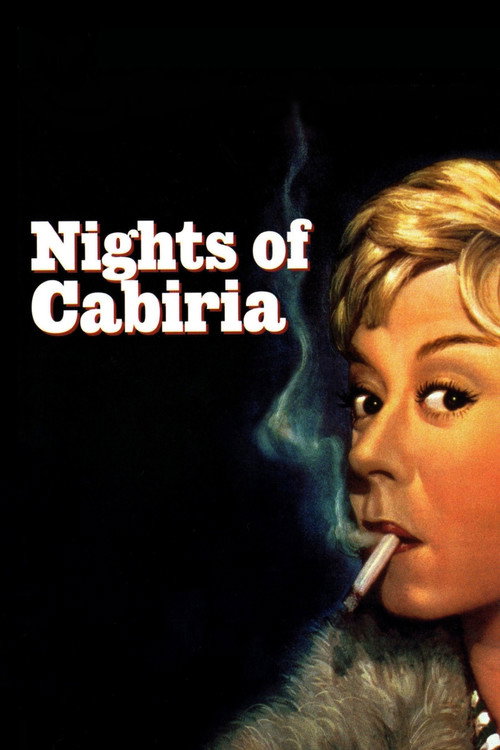
Nights of Cabiria1957
Fellini's portrait of a woman seeking love and escape in Rome. The same mixture of compassion and realism, humor and heartbreak, observing people reaching for pleasure they might not deserve but desperately need.
But It can feel episodic and plotless, which some readers find aimless. The tone shifts between light and dark without always signposting why.
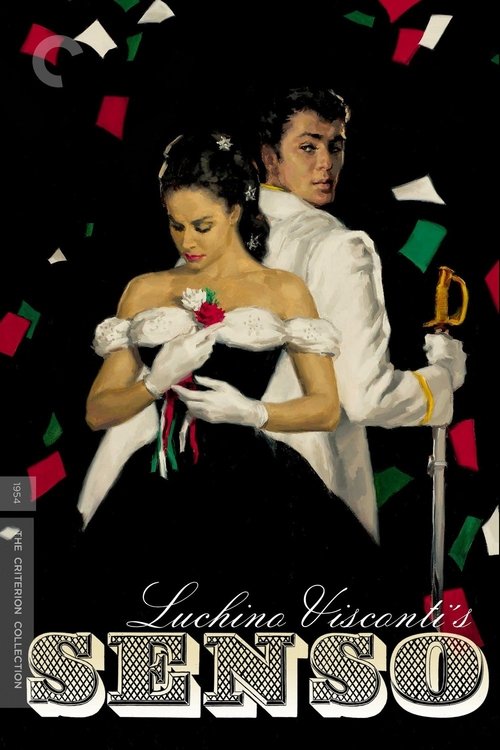
Senso1954
The dark mirror—what Le Plaisir observes with gentle irony, Senso dramatizes as tragedy. Both about pleasure as the organizing principle of a life, but one smiles and one weeps.
Luchino Visconti's Technicolor epic about a Venetian countess destroyed by passion during the Risorgimento. Voluptuous, operatic, about desire as historical force and personal ruin. Looks like a painting; feels like falling.
But It's long, it's slow, it's unabashedly melodramatic. If you find Visconti's romanticism overwrought or prefer Ophüls' lightness of touch, this will feel suffocating.
People
Cast
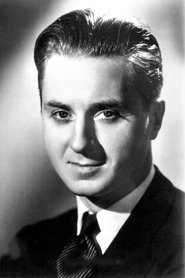 Claude Dauphinle docteur
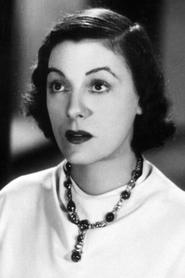 Gaby MorlayDenise - la femme d'Ambroise
 Madeleine RenaudJulia Tellier
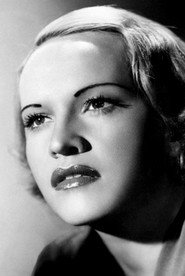 Ginette LeclercMadame Flora dite Balançoire
 Mila ParélyMadame Raphaële
 Danielle DarrieuxMadame Rosa
 Pierre BrasseurJulien Ledentu
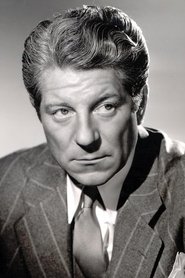 Jean GabinJoseph Rivet
 Jean Servaisl'ami de Jean
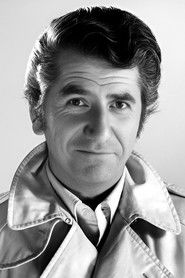 Daniel GélinJean
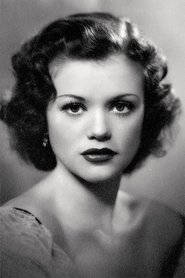 Simone SimonJoséphine
- Philippe de ChériseyFrédéric
Directing
- Max OphülsDirector
Writing
- Max OphülsAdaptation
- Jacques NatansonScreenplay
- Guy de MaupassantShort Story
Production
- Édouard HarispuruProducer