
Film
Cluny Brown
- Comedy
- Light-hearted
A spirited plumber's daughter sent into service at an English manor house in 1946. Cluny Brown is a film about collision—between class and competence, between a woman who fixes things and a world that insists she shouldn't. It's a Lubitsch comedy: light, knowing, stuffed with charm, and genuinely funny about the absurdity of social pretense.
Should you watch it?
Watch it if you love a sly, good-humored comedy of manners where a stubborn, unpolished heroine quietly unsettles a stiff household and the romance builds through small, teasing exchanges rather than grand gestures.
Skip it if you need brisk plotting or modern pacing, since this 1946 romance takes its time over social niceties and wry observation, and its charm depends on patience with a gentle, old-fashioned rhythm.
What it asks of you: Around a hundred minutes of unhurried attention, with the humor arriving in glances and asides rather than punchlines, and a light, comfortable tone that rewards settling in.
Not sure? Find tonight's pick in a minute.
If you liked this
Breakfast at Tiffany's1961
Holly Golightly is Cluny's spiritual sister—a woman who refuses to fit into the box society built for her, funny and defiant and unexpectedly moving. Same era of sophisticated romantic comedy that finds depth in surface charm.
But The film can feel dated in its racial caricature, and Holly's love story ends in a place some find unsatisfying rather than bittersweet.

It Happened One Night1934
The grandmother of screwball romance: a woman of spirit meets a man who doesn't expect her. Snappy dialogue, real chemistry, and a plot that actually respects both characters' intelligence and desires.
But The pacing is from another era; if you're used to quick cutting, the rhythm might feel slow. Some of the gender politics are creaky.

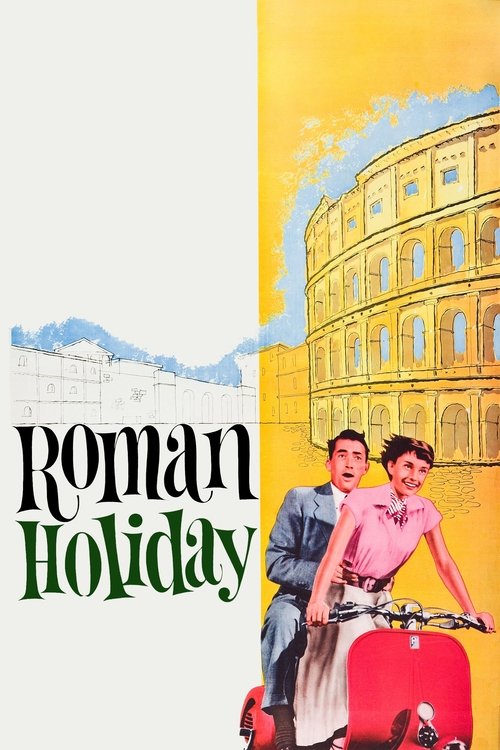
Roman Holiday1953
A princess escapes protocol and discovers life; a man helps her see the world differently. Audrey Hepburn has that same lightness and steel as Cluny—capable, funny, unwilling to be diminished by circumstance.
But It's more overtly romantic and sentimental than Cluny Brown; if you prefer comedy sharper than wistfulness, this softens where you might want it to bite.
Not sure tonight? Get a pick in a minute, starting from Cluny Brown
The wildcard
Something you would not have found on your own.
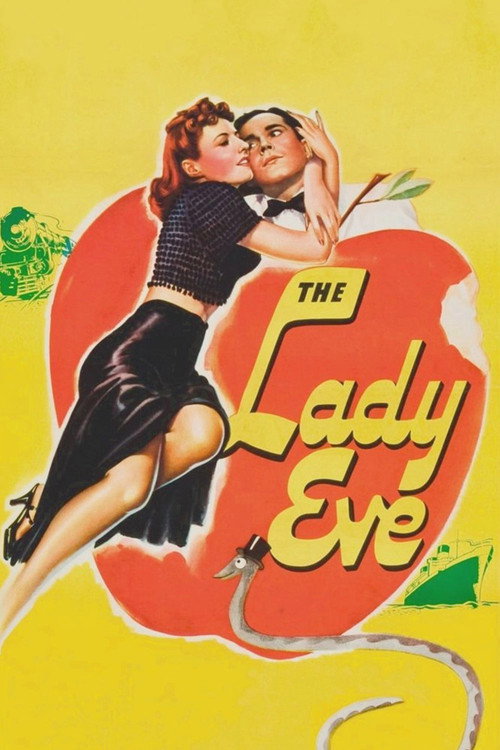
The Lady Eve1941
Both films are about women of real competence made invisible by the social categories men place them in; both use comedy to expose the absurdity of those categories without ever becoming preachy about it.
Preston Sturges' masterpiece about a con artist and a naïve heir: all surface charm and hidden depths, comedy as a tool for truth-telling. The woman is smarter than everyone, the man is both foolish and kind, and the dialogue is absolutely alive.
But It's from 1941, and some romantic dynamics—particularly around deception—read differently now. You need to accept that it's a different era's idea of cute.
More like this (8)
The Philadelphia Story1940
Class collision and romantic chaos in a mansion, except the woman is already aristocratic and everyone underestimates her anyway. Cary Grant, James Stewart, and Katharine Hepburn in perhaps the best ensemble romantic comedy ever made.
But It's long, theatrical, and relies on you finding drunk pratfalls charming. The gender politics eventually feel patronizing if you sit with them too long.

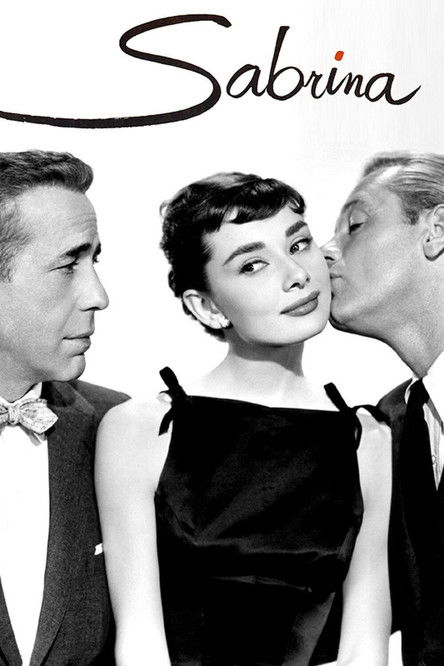
Sabrina1954
A chauffeur's daughter falls in love across class lines. Audrey Hepburn again, and the film knows what it's doing with the fairy tale of a woman remade by money and attention—it's skeptical in the exact way Cluny Brown is.
But Billy Wilder's version is messier and more interesting than the Bogart-Holden dynamics; the ending is neater than the premise deserves.
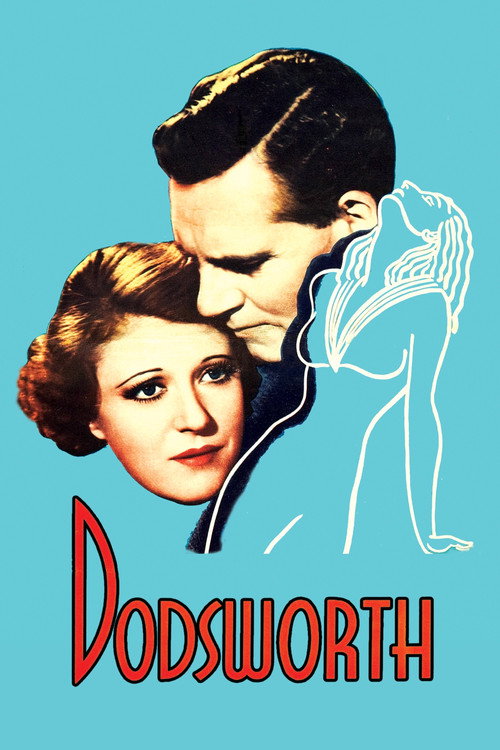
Dodsworth1936
A couple travels Europe, and everything they assumed about each other and themselves comes undone. William Wyler directing a genuinely adult look at marriage, manners, and the person you become when you stop performing.
But It's serious-minded and a bit slow; there's no slapstick, and the romance is hard-won rather than effortless. Expect depth, not lightness.
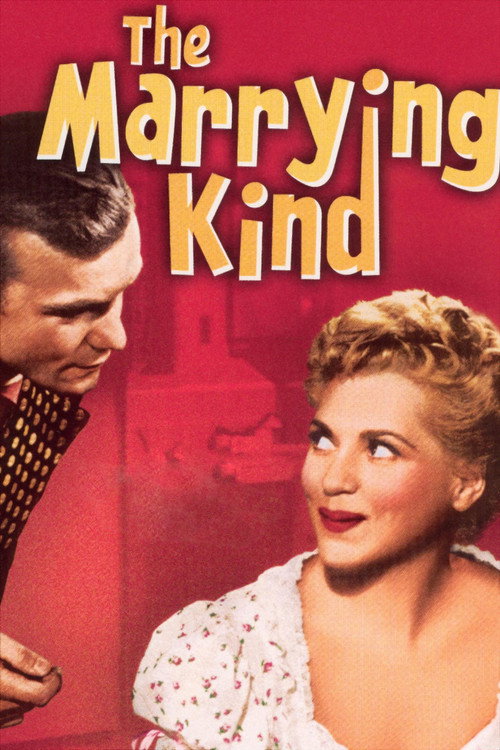
The Marrying Kind1952
Aldo Ray and Debbie Reynolds as a couple navigating marriage through snapshots of ordinary life—funny, tender, and unafraid to let both characters be flawed and real. The film trusts you to find truth in small moments.
But It's understated to the point of invisibility; if you want your comedy in primary colors and your romance to sweep you away, this won't do it.
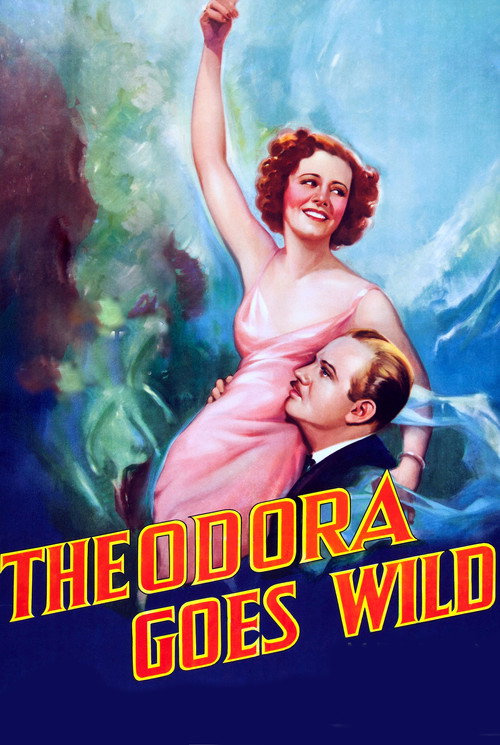
Theodora Goes Wild1936
Irene Dunne as a small-town woman living a secret glamorous life. A comedy about the gap between who you are and who everyone thinks you should be, with real joy in the mischief of being found out.
But The plot mechanics are creaky even for 1936; it relies on deception as a source of comedy in ways that feel manipulative now, not fun.
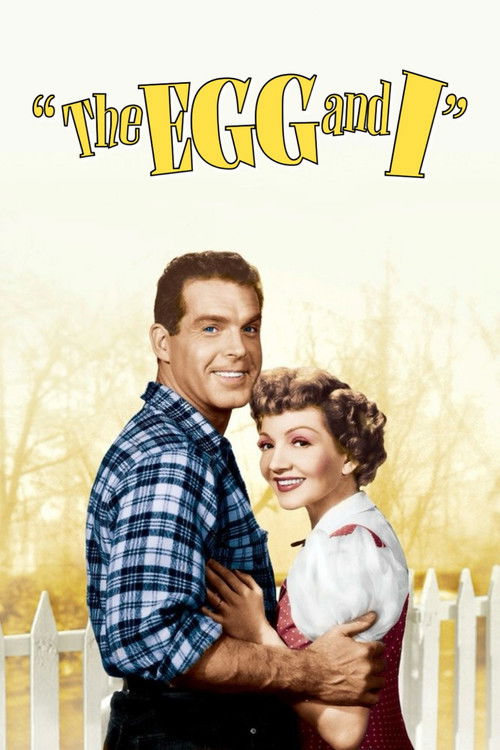
The Egg and I1947
Claudette Colbert and Fred MacMurray on a chicken farm in Washington, learning to actually know each other. A quieter, more domestic comedy than most, interested in what remains when the honeymoon ends.
But It's genuinely low-key to the point of flatness; nothing explosive happens, and if you need plot momentum to stay engaged, you'll feel bored.
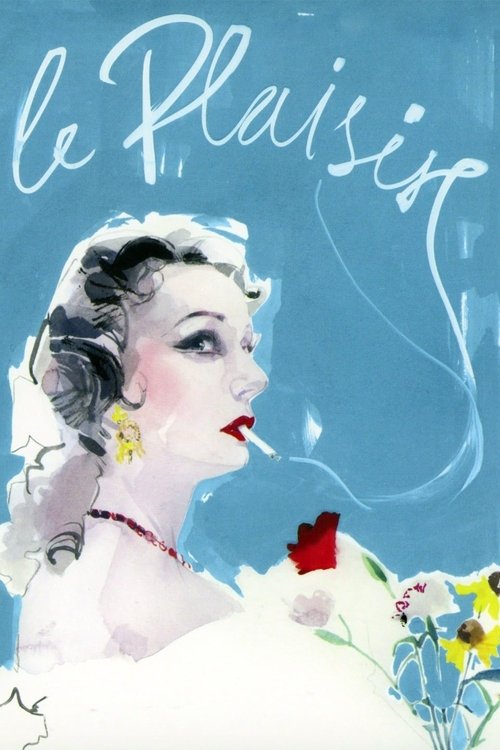
Le Plaisir1952
Both are from roughly the same moment in cinema, both are about the collision between desire and social reality, and both trust the audience to find the comedy in genuine emotion rather than broad jokes.
Max Ophüls' French film about desire and romance across different lives, connected by a single object. Visually lush but emotionally shrewd; it sees romance as complicated, class-bound, and worth pursuing anyway.
But It's in French with subtitles, it's episodic, and it's sadder than Cluny Brown—it doesn't promise happy endings, and the pleasure is often mixed with resignation.
The Red Shoes1948
Both center on a woman refusing to disappear into the role society has written for her, but where Cluny Brown solves that problem with comedy and romantic love, The Red Shoes suggests that some collisions between desire and duty can't be resolved—only endured. The register is completely different, but the question is the same.
A dancer caught between love and art, between who she must be professionally and who she wants to be personally. Michael Powell and Emeric Pressburger's film is visually extraordinary and emotionally devastating—a woman caught in an impossible choice.
But It's dark where Cluny Brown is light, tragic where that film is resolutely comic. The ending is brutal. It also demands patience with its pacing and its visual ambition; it's not a casual watch.

People
Cast
 Charles BoyerAdam Belinski
 Jennifer JonesCluny Brown
 Peter LawfordAndrew Carmel
 Helen WalkerBetty Cream
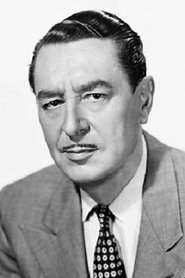 Reginald GardinerHilary Ames
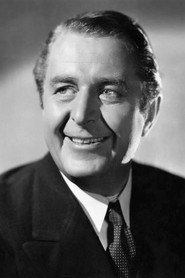 Reginald OwenHenry Carmel
 C. Aubrey SmithCharles "Duff" Graham
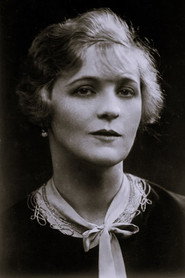 Margaret BannermanAlice Carmel
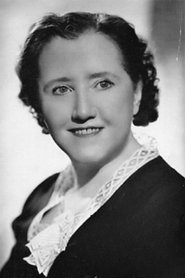 Sara AllgoodMrs. Maile
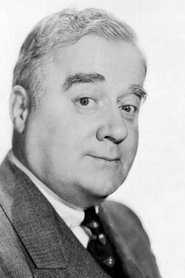 Ernest CossartSyrette
 Una O'ConnorMrs. Wilson
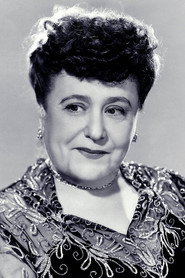 Florence BatesDowager at Ames's Party
Directing
- Tom DudleyAssistant Director
- Ernst LubitschDirector
Writing
- Margery SharpNovel
- Elizabeth ReinhardtScreenplay
- Samuel HoffensteinScreenplay
Production
- Ernst LubitschProducer
- Frances C. RichardsonResearcher