
Film
Theodora Goes Wild
- Screwball comedy
- Light-hearted
A scrappy 1936 romantic comedy about a small-town woman living a thrilling double life as a scandalous novelist. Irene Dunne plays it with mischief and warmth, spiralling between priggish propriety and liberated chaos as a charming illustrator threatens her secret. It's light but never dumb, surprisingly frank about desire, and moves like it's having the time of its life.
Should you watch it?
Watch it if you love screwball comedy where a buttoned-up heroine's secret double life collides with a sparring leading man, and sharp dialogue does most of the heavy lifting, much like the best Howard Hawks romps of the era.
Skip it if you need your comedies fast and modern, since the 1930s rhythm of talky banter and polite social satire moves at its own unhurried pace and may feel dated.
What it asks of you: It runs about ninety-four minutes and rewards close listening more than physical gags, with a light, teasing tone that stays on the surface rather than digging deep.
Not sure? Find tonight's pick in a minute.
If you liked this
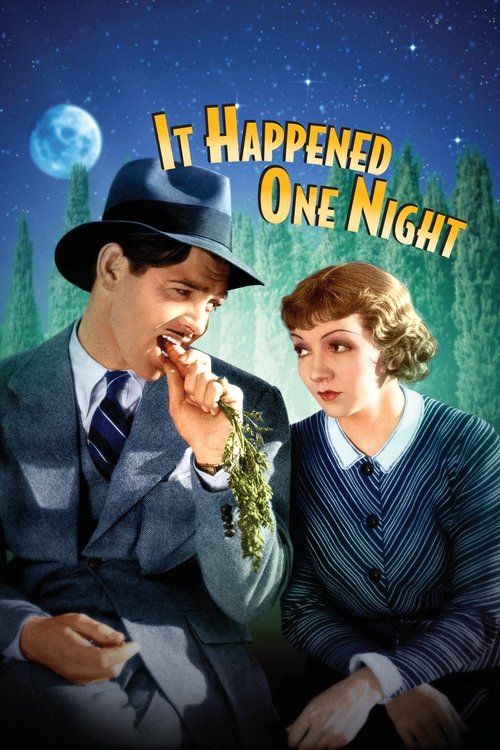
It Happened One Night1934
The template for screwball chemistry: two leads who verbally spar while actually falling for each other, breezy pacing, and a road movie structure that lets the romance breathe. Claudette Colbert and Clark Gable set the standard Theodora follows.
But It's a very 1934 film—some of the dialogue rhythms will feel alien if you're not tuned to the era's delivery cadence.
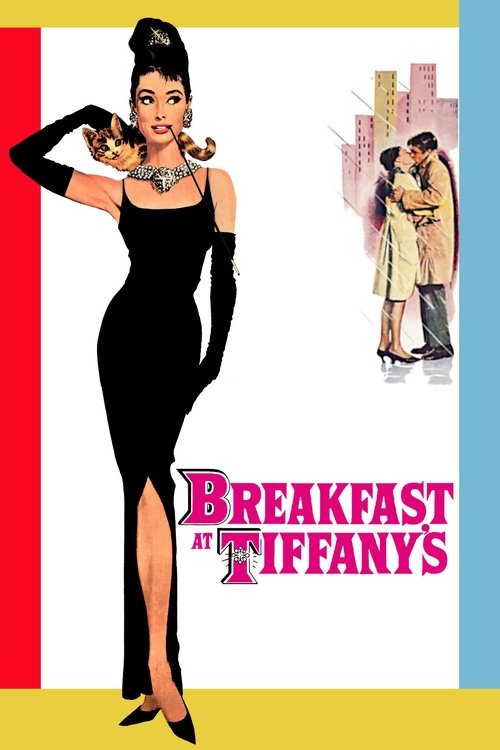
Breakfast at Tiffany's1961
Another woman living a double life, another protagonist trying on different versions of herself. Audrey Hepburn's Holly Golightly has Theodora's mischief and reinvention, and the film's romance has the same warm, intelligent spark beneath the banter.
But It's from a different era with different sensibilities—some material hasn't aged as gracefully as others.
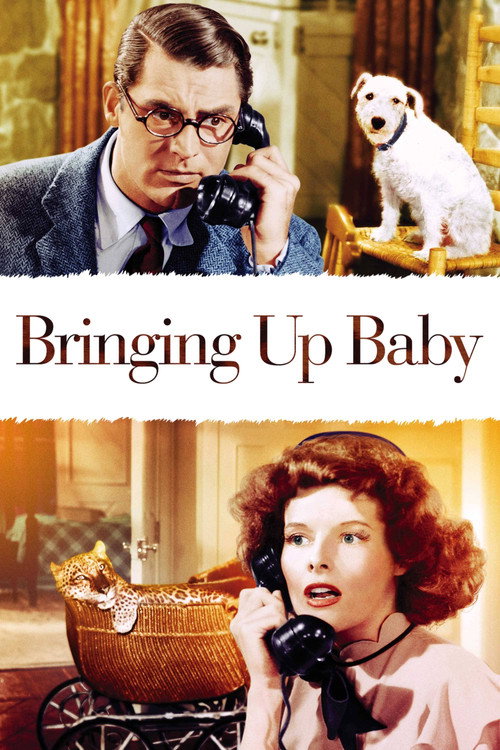
Bringing Up Baby1938
Peak screwball timing and an escalating chaos that makes Theodora look almost restrained. Cary Grant and Katharine Hepburn prove that comedy works best when both characters are equally unhinged and equally smart. Pure joy.
But The pacing is relentless and the plot deliberately nonsensical—if you need logic, this will frustrate you.
Not sure tonight? Get a pick in a minute, starting from Theodora Goes Wild
The wildcard
Something you would not have found on your own.
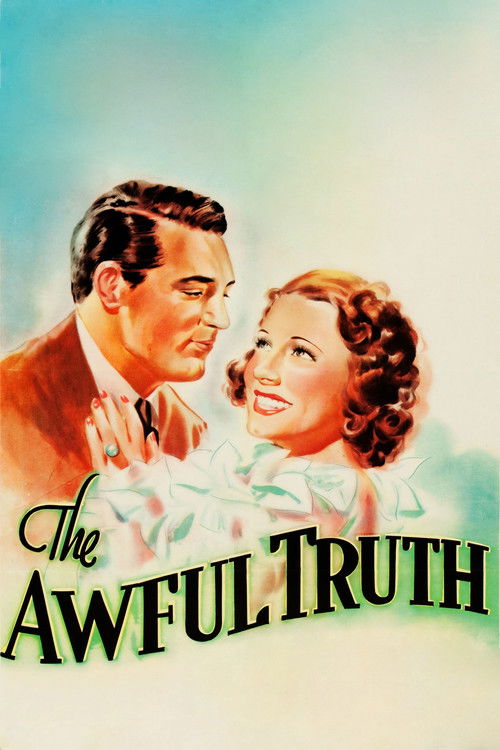
The Awful Truth1937
Both films hinge on the gap between who someone really is and who they pretend to be, and both suggest that knowing yourself is harder than fooling anyone else.
Same year's energy, same love of performance and reinvention. A divorced couple tries to sabotage each other's new romances by impersonating people they're not. It's about people who know each other too well trying to become strangers.
But The emotional core is surprisingly melancholic—it's not purely frothy, and some viewers prefer comedy that stays light.
More like this (8)
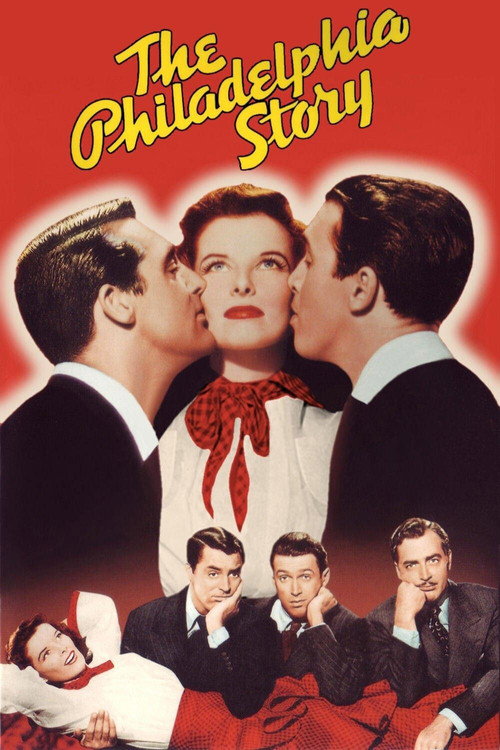
The Philadelphia Story1940
Another woman escaping her prescribed role, another love triangle with actual stakes. The wit is sophisticated, the characters genuinely grow, and it understands that constraint and freedom need each other.
But At 122 minutes, it's a commitment, and the ending might feel too neat if you're in a cynical mood.
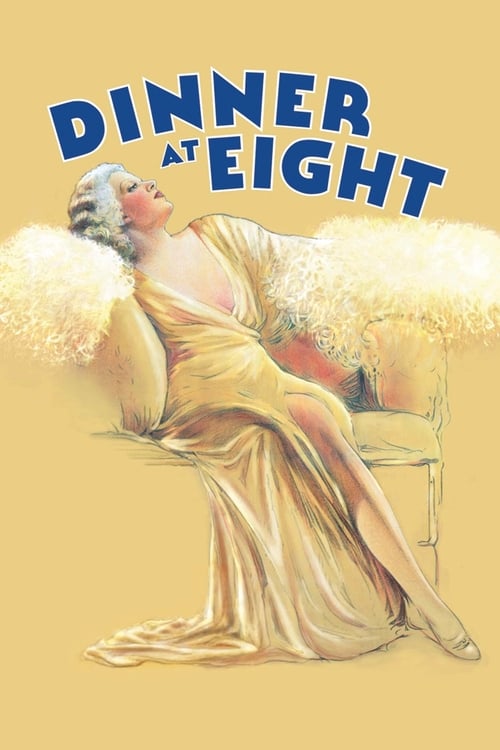
Dinner at Eight1933
An ensemble cast, crackling dialogue, and that same pre-Code frankness about sex and society. It's about people performing versions of themselves at a dinner party—close kin to Theodora's double life.
But It's an ensemble, so no character gets the narrative centre, which some viewers find scattering.
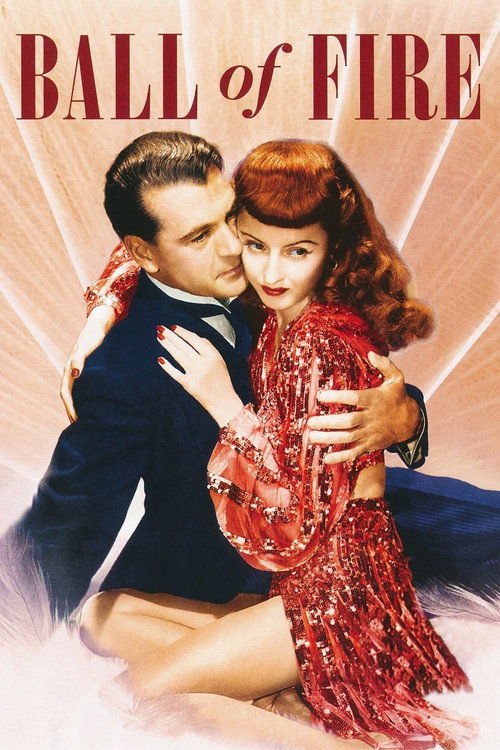
Ball of Fire1941
Gary Cooper and Barbara Stanwyck: an intellectual and a woman who turns his world inside out. It has Theodora's energy and the same delight in watching someone blow up the life they thought they wanted.
But It runs long and the middle sags slightly—not all the subplots land with equal force.
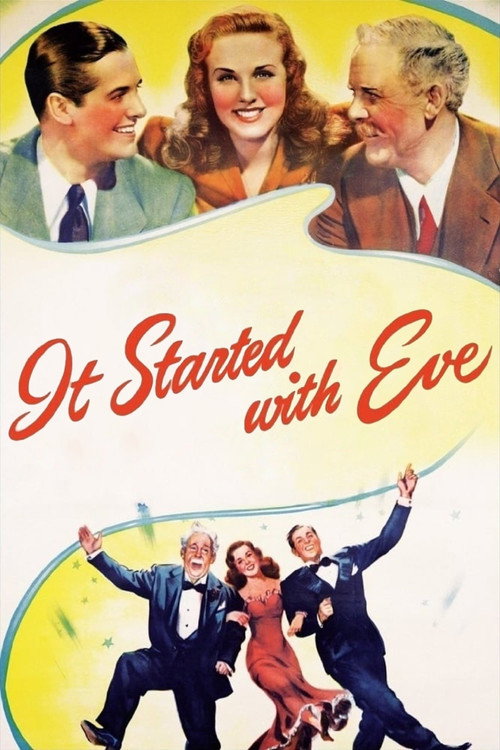
It Started with Eve1941
A woman presents a false version of herself and has to live it. Lighter and more purely comedic than Theodora, it has the same pleasure in watching a performance unravel and become real.
But It's gentler and less interested in actual stakes—if you want character depth, you won't find much.
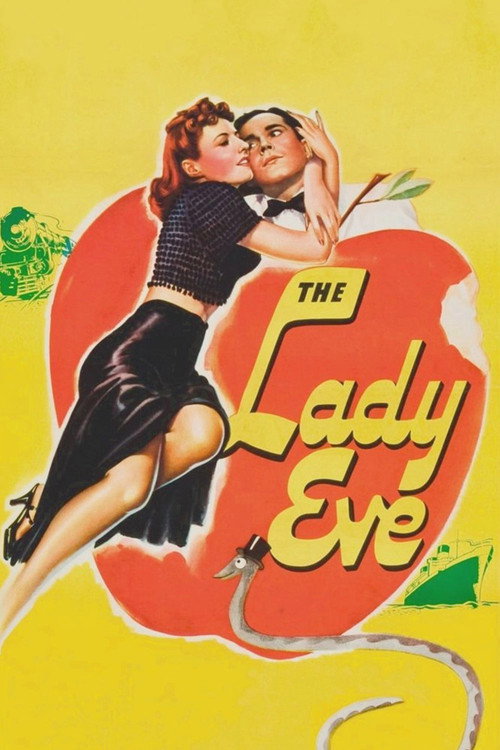
The Lady Eve1941
Barbara Stanwyck as a con artist in a romantic comedy about deception, performance, and what happens when a good liar falls in love. Preston Sturges at his cleverest, with real heart underneath the schemes.
But The tone shifts between farce and drama—some viewers find that tonal whiplash jarring rather than charming.
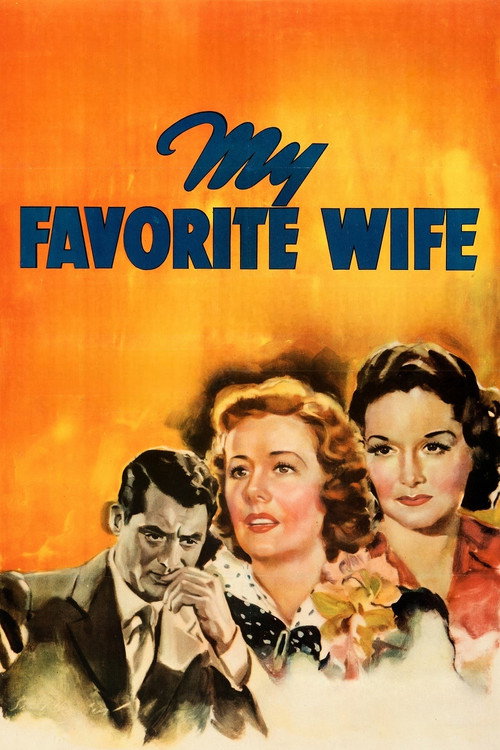
My Favorite Wife1940
Irene Dunne again, playing a woman returning from a desert island to find her husband remarried. It's lighter than Theodora but has the same delight in chaos and misunderstanding, plus Dunne's impeccable timing.
But The plot mechanics are contrived even by screwball standards, and it never quite reaches the emotional depth of its premise.
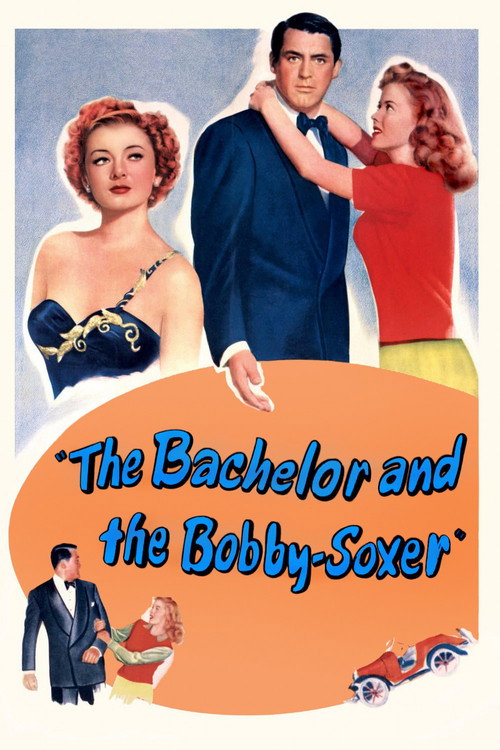
The Bachelor and the Bobby-Soxer1947
Both use romance and deception as tools to expose what someone's genuinely like beneath their public performance.
Cary Grant as a man undone by a teenager's infatuation, Myrna Loy as her pragmatic older sister. It's a screwball with a different engine: instead of lovers finding each other, it's about people learning who they actually are when their masks slip.
But It's broadly comedic and doesn't gun for sophistication—if you want subtle, this isn't it.
Singin' in the Rain1952
Both celebrate the liberating power of performance and pretense—the idea that living a lie might actually set you free, at least temporarily.
A woman performer with a secret identity (as a voice), a man reinventing himself from one medium to another, and a total embrace of artifice as a path to truth. Gene Kelly and Debbie Reynolds in a musical about the joy of performance itself.
But If you don't love musicals, the constant song breaks will feel like the plot keeps stopping. It's also relentlessly cheerful.

People
Cast
 Irene DunneTheodora Lynn
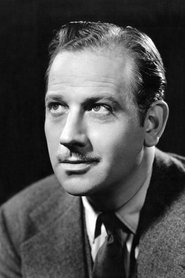 Melvyn DouglasMichael Grant
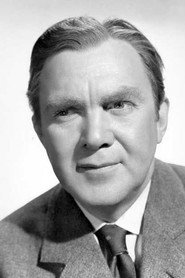 Thomas MitchellJed Waterbury
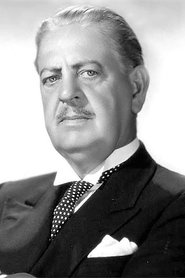 Thurston HallArthur Stevenson
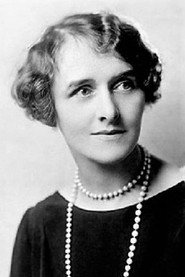 Elisabeth RisdonAunt Mary
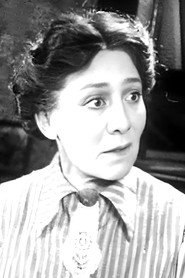 Margaret McWadeAunt Elsie
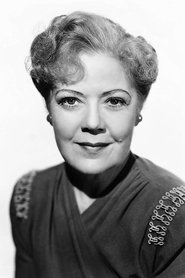 Spring ByingtonRebecca Perry
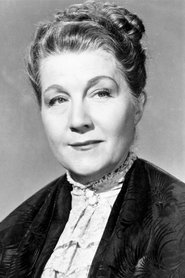 Nana BryantEthel Stevenson
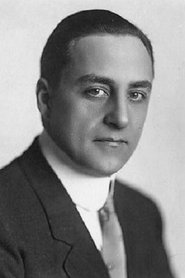 Henry KolkerJonathan Grant
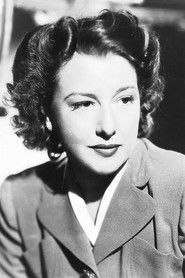 Leona MaricleAgnes Grant
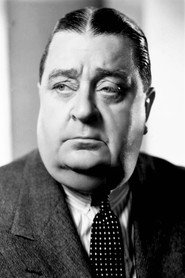 Robert GreigUncle John
- Frederick BurtonGovernor Wyatt
Directing
- William E. MuelAssistant Director
- Richard BoleslawskiDirector
Writing
- Sidney BuchmanScreenplay
- Mary McCarthyStory
Production
- Everett RiskinAssociate Producer
Recommended by
Ruggles of Red Gap, Morning Glory, It Started with Eve, Cluny Brown, The Young in Heart, Accent on Youth, Hands Across the Table