
Film
The Young in Heart
- Comedy
- Con-artist caper
- Light-hearted
A Depression-era con-artist family—all charm, no scruples—targets a lonely millionaire widow, only to find themselves genuinely caring for her. Lighter than it sounds, with the warmth of a 1930s Hollywood that believed in redemption through connection. For anyone who likes their comedy with heart and their characters fundamentally good despite their worst impulses.
If you liked this
Breakfast at Tiffany's1961
Another stylish, urbane comedy where a lovable rogue—this time a woman—floats through Manhattan charming everyone. Same DNA: surface glitter concealing real loneliness, solved by genuine human connection.
But Audrey Hepburn's performance has been endlessly mythologised, which can feel suffocating on first viewing. The pacing is leisurely in ways modern audiences sometimes find slack.

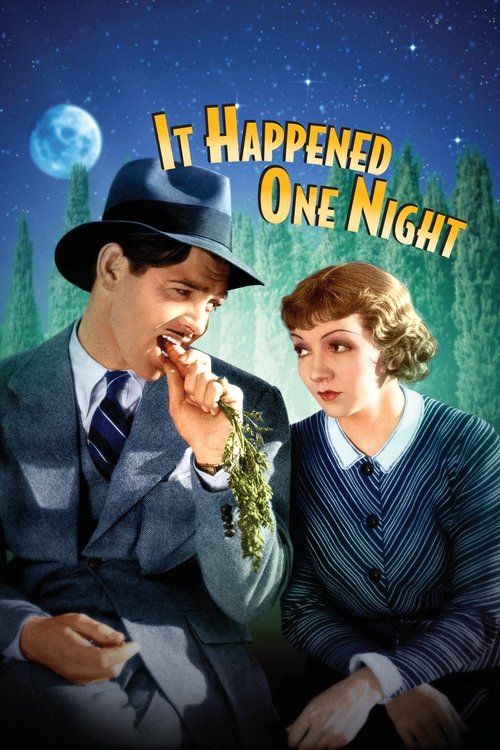
It Happened One Night1934
A con and a heiress thrown together on a road trip, screwball romance blooming from deception and circumstance. Same era, same belief that people are basically redeemable through being seen by the right person.
But The screwball dialogue moves fast and overlaps constantly; subtitles help but won't catch everything. Clark Gable's famous.
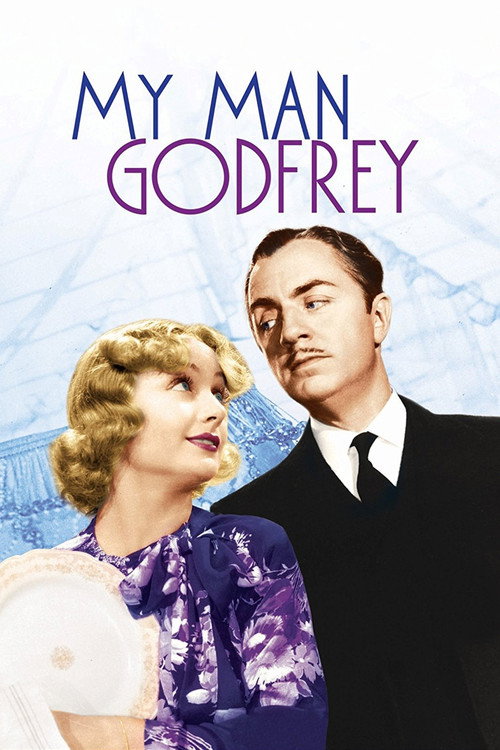
My Man Godfrey1936
A wealthy eccentric family hires a homeless man as a butler, and everything spirals into genuine affection and class commentary. Same spirit: chaos and con artistry leading to unexpected grace.
But The homeless man storyline is treated lightly in ways that sit uncomfortably now. The film's optimism about class mobility hasn't aged perfectly.
Not sure tonight? Get a pick in a minute, starting from The Young in Heart
The wildcard
Something you would not have found on your own.
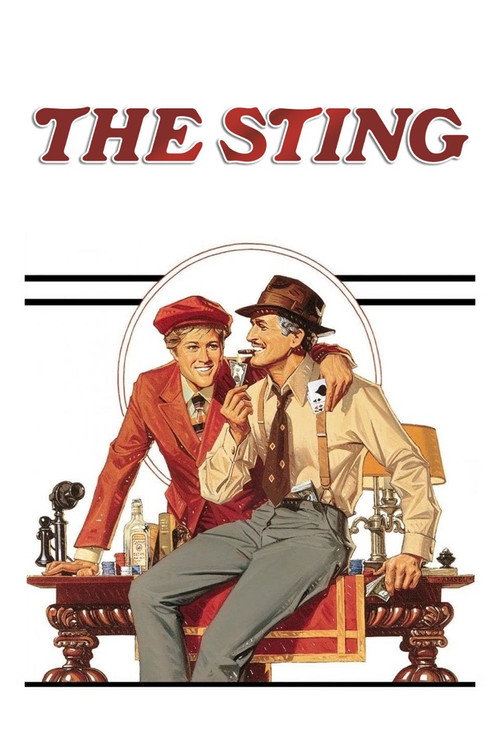
The Sting1973
The architecture is identical: a con game that succeeds because the operators are better at caring than they are at theft. Both films believe good people can be criminals and criminals can be good.
Paul Newman and Robert Redford run an elaborate con against a mob boss, but the real story is about partnership and loyalty overriding self-interest. Decades later, same engine: a scheme that works because the con men care about each other more than the score.
But It's been imitated endlessly and feels familiar even if you haven't seen it. The jazz score, the period detail, the slickness—it's a masterpiece of 1970s style that can feel dated precisely because it defined the era.
More like this (7)
Singin' in the Rain1952
Gene Kelly and Donald O'Connor steal, charm, and dance their way through a story where pretense melts into authenticity. Same warmth and visual joy, even higher energy and better known.
But If you don't connect with 1950s musicals as a form, the constant pivoting to song and dance will feel like it breaks the story apart rather than completing it.

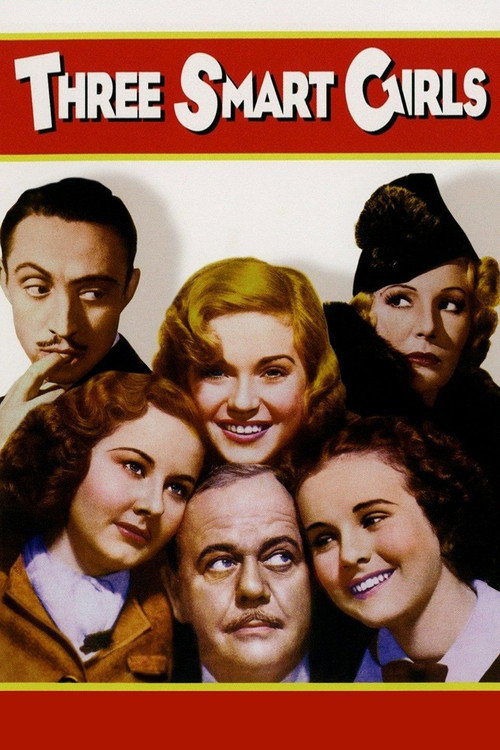
Three Smart Girls1936
Deanna Durbin's breakout: three girls scheme to prevent their parents' divorce through elaborate deception, and it actually works because the schemes force people to be honest. That same alchemy.
But Deanna Durbin is an acquired taste—saccharine at moments, and the whole film leans hard on her voice and star power. It's smaller in scope than you might expect.
The Philadelphia Story1940
Katherine Hepburn, Cary Grant, and James Stewart orbit each other with schemes and lies that collapse into genuine feeling. The gold standard for this kind of film: witty, romantic, absolutely sure people are worth saving.
But Its worldview is unapologetically upper-class; the supporting characters exist mainly to fawn and scheme. Feels like a play, because it is.

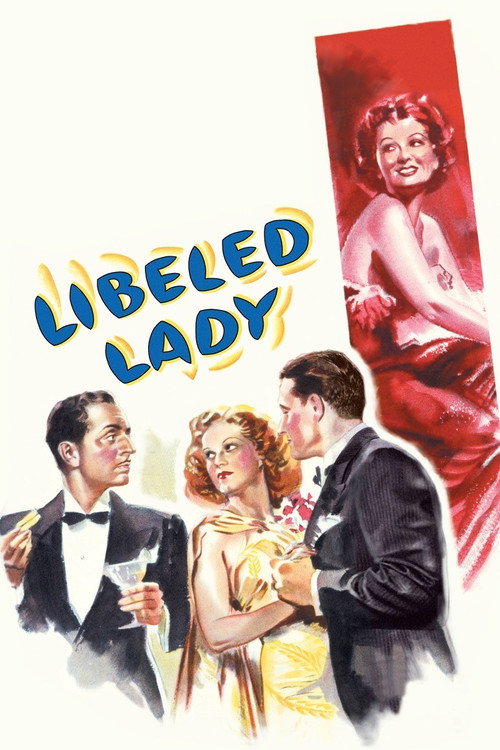
Libeled Lady1936
William Powell and Jean Harlow con a woman into admitting she lied, and romance blooms from the deception. Clever, fast, with the same sense that con men are just romantic idealists with bad luck.
But The plot gets genuinely convoluted—characters misleading characters misleading other characters. It's easy to lose the thread and not entirely care.
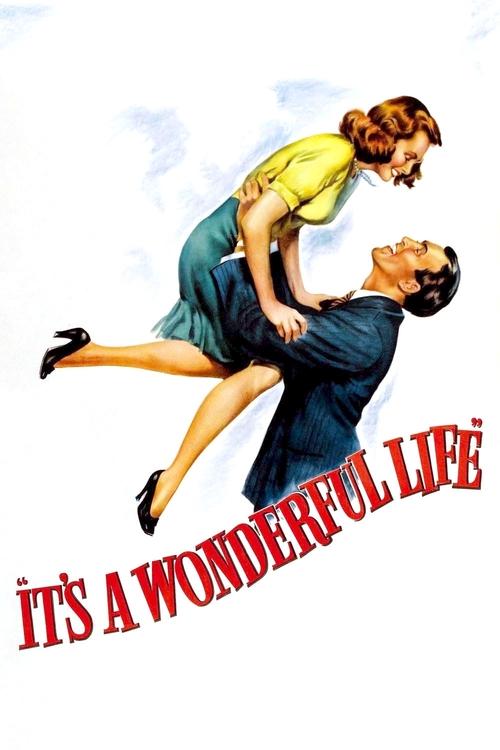
It's a Wonderful Life1946
George Bailey's small life is shown to matter profoundly to everyone around him; a character learns what he's worth. Shares the core belief: people are worth more than they know, and connection is redemptive.
But It's been quoted to death and shown constantly. The sanctimony of its message wears on many viewers. Genuinely grim in its first half.
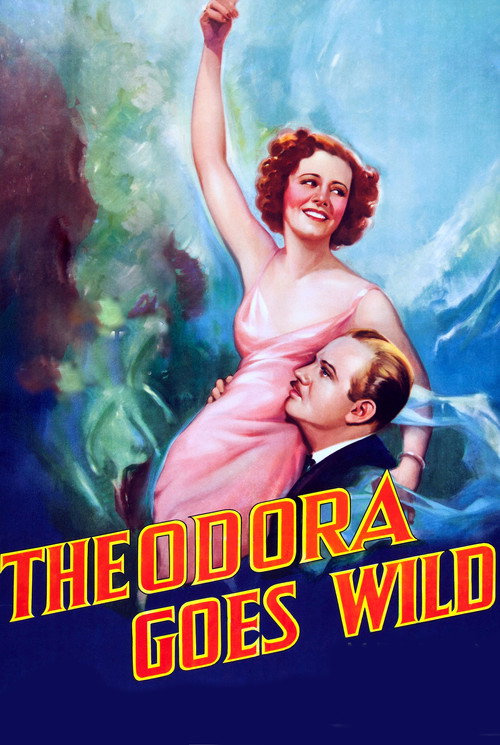
Theodora Goes Wild1936
Irene Dunne plays a demure small-town librarian who's secretly written a scandalous bestseller; she lets loose with a journalist in New York. Same vintage, same idea: authenticity emerging from pretense, love accelerating the process.
But The scandal itself is hilariously quaint by modern standards, which can make the stakes feel plastic. Dunne's timing is brilliant but very specifically 1930s.
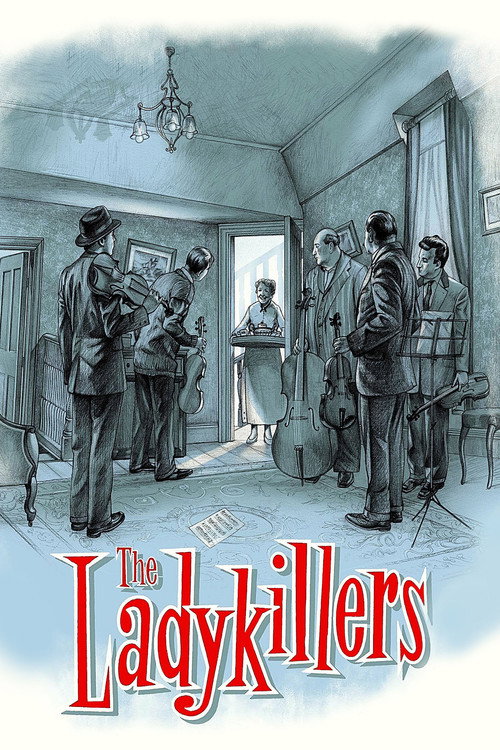
The Ladykillers1955
Same DNA as *The Young in Heart*: con artists undone not by law or fate but by proximity to genuine human goodness. Both films insist that character is more powerful than cunning.
Five criminals posing as musicians rent a room from an elderly landlady while planning a heist, and she outsmarts them all through sheer decency and common sense. Inverts the premise: here the old woman is the force of genuine character, and the con men—despite their superiority—can't beat honest virtue.
But It's a British film from the 1950s with a very specific comic sensibility; the pacing and humor feel mannered to modern viewers. The sentiment about goodness winning can feel saccharine if you're not in the mood.
People
Cast
 Janet GaynorGeorge-Anne Carleton
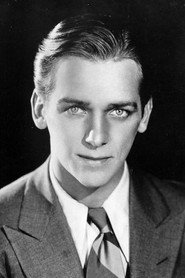 Douglas Fairbanks Jr.Richard Carleton
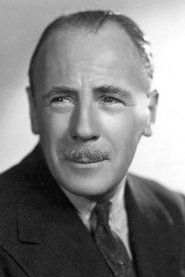 Roland YoungCol. Anthony 'Sahib' Carleton
 Billie BurkeMarmy Carleton
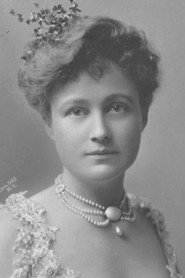 Minnie DupreeEllen Fortune
 Paulette GoddardLeslie Saunders
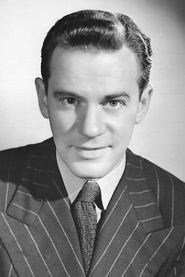 Richard CarlsonDuncan Macrae
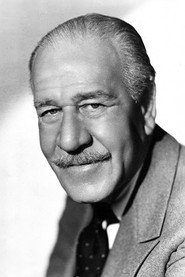 Henry StephensonFelix Anstruther
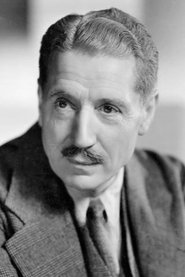 Lawrence GrantMr. Hutchins
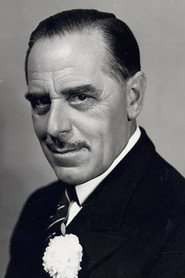 Walter KingsfordInspector
 Eily MalyonSarah
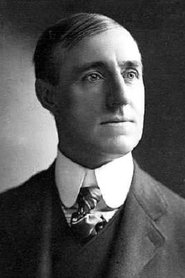 Tom RickettsAndrew
Directing
- Eric StaceyAssistant Director
- Barbara KeonContinuity
- Richard WallaceDirector
- Geraldine WrightScript Supervisor
Writing
- Charles BennettAdaptation
- I.A.R. WylieNovel
- Paul OsbornScreenplay
Production
- David O. SelznickProducer
- William H. WrightProducer's Assistant