
Film
Merrily We Live
- Screwball comedy
- Light-hearted
A frothy 1938 screwball comedy where a society matron's habit of hiring reformed criminals and drifters collides with her family's romantic entanglements. Constance Bennett commands every scene with urbane charm as chaos erupts in her household. Fast-paced, witty, and constructed with the precision of a Swiss watch—pure escapist joy from Hollywood's golden age.
If you liked this
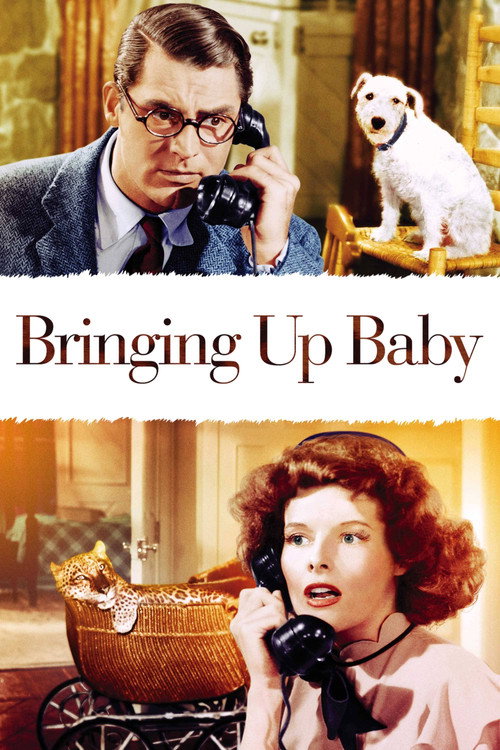
Bringing Up Baby1938
Cary Grant and Katharine Hepburn spark off each other in this machine-gun-paced comedy about a paleontologist and a heiress, stuffed with slapstick, wordplay, and inspired lunacy that defined the screwball template.
But The chaos is relentless and occasionally mean-spirited; if you prefer character development to pure comedic momentum, the plot exists mostly to set up the next gag.
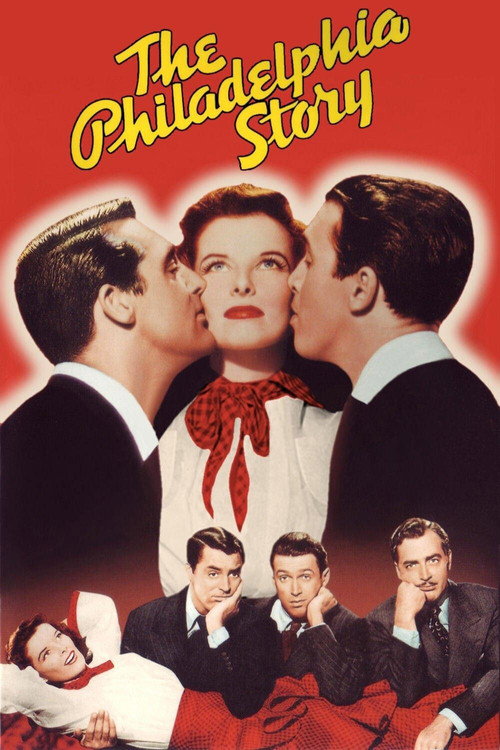
The Philadelphia Story1940
Three titans—Stewart, Grant, Hepburn—navigate a wedding-eve comedy about class, marriage, and second chances. Sophisticated banter, genuine emotion, and the kind of craftsmanship that makes every scene sing.
But At nearly two hours it's leisurely; some find it more concerned with witty repartee than with anything resembling real stakes or character growth.
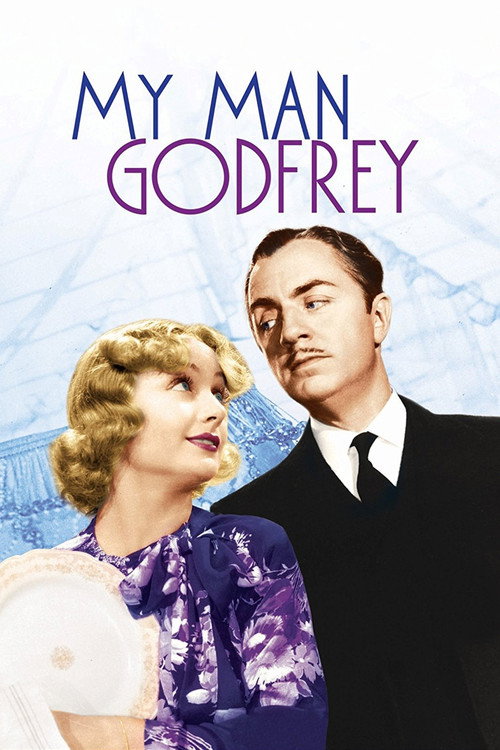
My Man Godfrey1936
Carole Lombard is electric as a spoiled heiress who hires a charming hobo as a butler, sparking romance and social satire. Energetic, tender, and genuinely funny about class and reinvention.
But The tone lurches between light comedy and sincere romance; some moments that mean to be touching land as oddly paced or sentimental.
Not sure tonight? Get a pick in a minute, starting from Merrily We Live
The wildcard
Something you would not have found on your own.
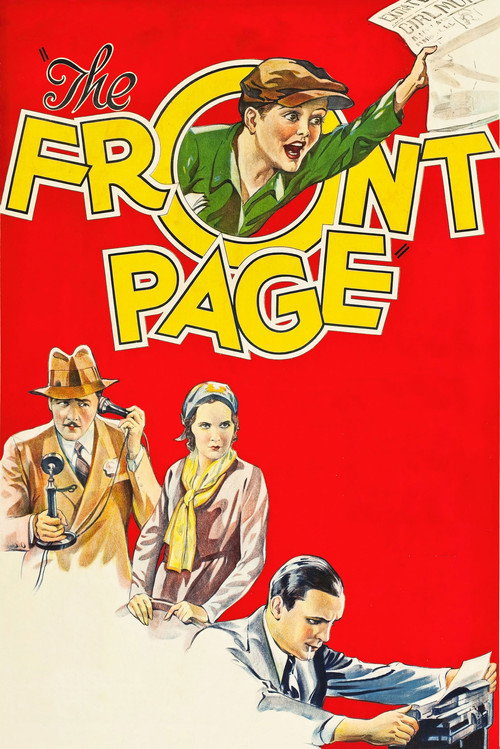
The Front Page1931
Both are 1930s comedies built on meticulously timed ensemble dialogue and rapid-fire plot mechanics; Hawks and Whelan use the same engine in totally different gears.
Howard Hawks' rapid-fire newspaper comedy has the same verbal firepower and physical precision as Merrily We Live, but channels it through masculine workplace chaos rather than domestic farce. The template for witty, fast-paced American comedy. Same era, same energy, totally different setting.
But It's deeply cynical about sentiment and goodness; the world it describes is corrupt and nobody learns anything. Also, some dated attitudes about race and gender will make you cringe.
More like this (8)
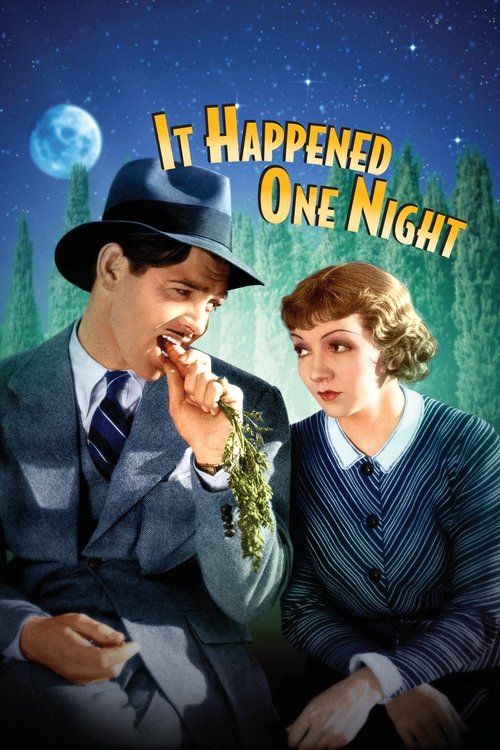
It Happened One Night1934
Claudette Colbert and Clark Gable bicker their way across America in this prototype romantic comedy—snappy, sexy, inventive, and so influential that every road-trip romance owes it a debt.
But The class politics are dated; it treats poverty as charming and the very wealthy as fundamentally better, just flawed. The pacing also slackens in stretches.
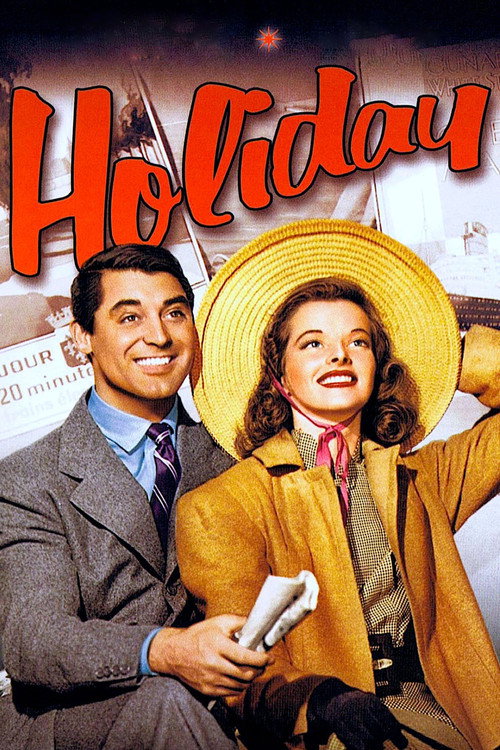
Holiday1938
Cary Grant and Katharine Hepburn in an underrated gem about a man who refuses to live for money and the free-spirited woman who adores him. Smart, warm, and genuinely about something.
But It's less farcical and more sincere than other screwball comedies; if you came for pure pratfalls, the earnestness might feel like a slowdown.
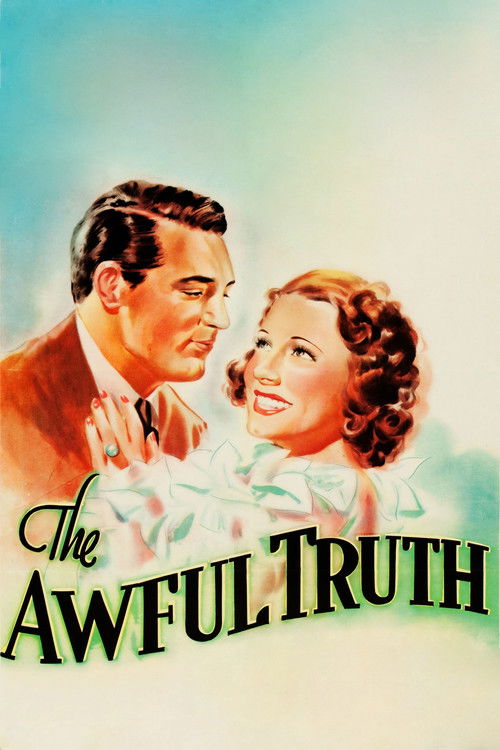
The Awful Truth1937
Cary Grant and Irene Dunne spar through a divorce and reconciliation with witty malice, physical comedy, and genuine affection. Sophisticated, nimble, and deeply funny about love and stubbornness.
But The humour relies on embarrassment and social cruelty; not everyone finds watching characters mortify each other joyful, even in service of eventual reunion.
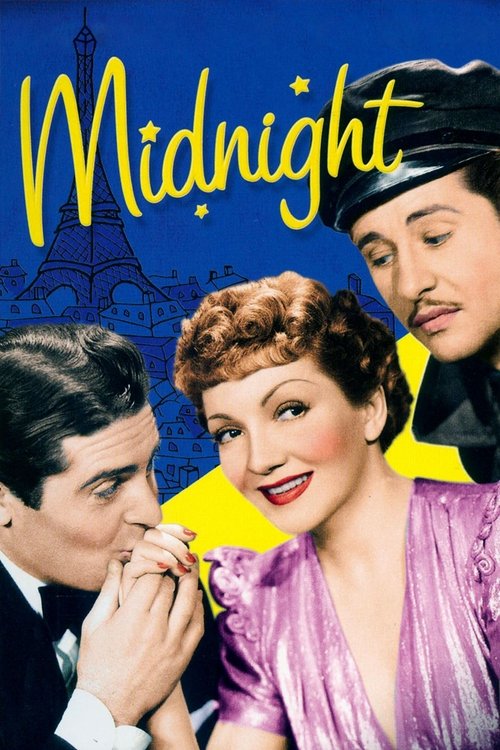
Midnight1939
Claudette Colbert as a penniless ex-chorus girl navigating Paris high society, playing everyone against each other. Billy Wilder's screenplay crackles; it's zippy, charming, and endlessly inventive.
But The plot twists are engineered and occasionally arbitrary; you have to enjoy the mechanisms clicking over caring much about logic or consistency.
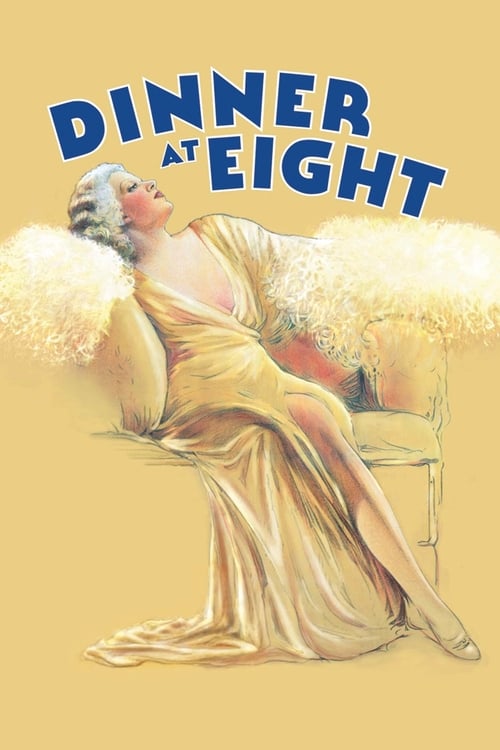
Dinner at Eight1933
Grand ensemble comedy where a dinner party brings together New York's elite—powerful, petty, romantic, and broke. An enormous cast delivered perfect comedic timing under George Cukor's direction. Lavish and bitchy.
But With so many characters and plot threads, no one gets much depth; it feels like being shown a highlight reel rather than a complete story.
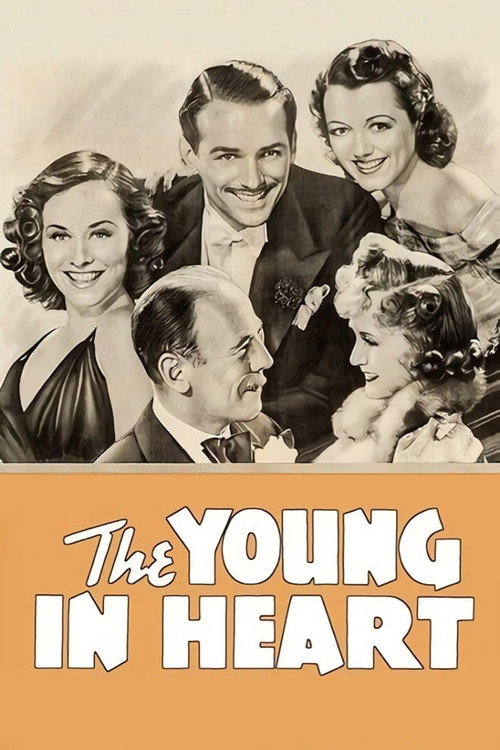
The Young in Heart1938
A charming con-artist family—Douglas Fairbanks Jr., Janet Gaynor, Roland Young—attempt one last scheme, only to find genuine feeling. Lighter than most screwballs but warm-hearted and genuinely likeable.
But It's more earnest and sentimental than comedically brilliant; the charm can feel thin if you prefer sharper, faster wit and more inventive scenarios.
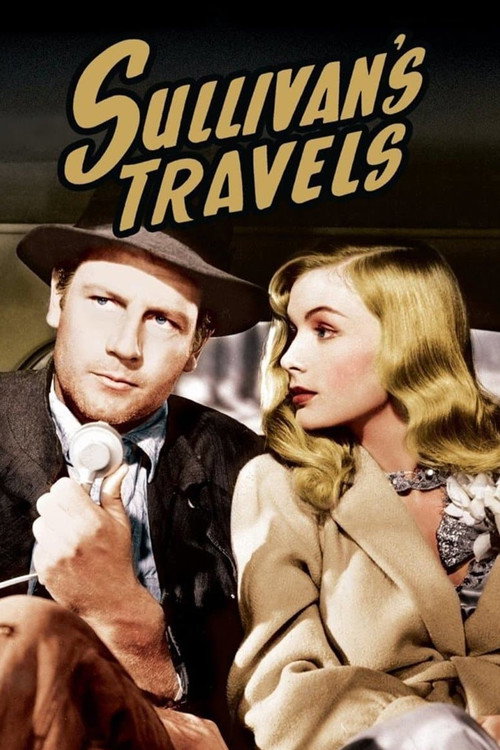
Sullivan's Travels1941
Both use the machinery of 1930s screwball to explore class and surfaces, but Sturges uses comedy to argue for comedy itself as a moral necessity.
Preston Sturges made a comedy about a successful comedy director who wants to make serious art. It's genuinely hilarious but also genuinely sad—the tonal range is extraordinary. Same moment in cinema, totally different ambitions for what comedy could be.
But The tonal shifts are dramatic; it starts frothy and becomes bleak and compassionate. If you want escape, the second half will leave you unsettled.
Winter Light1963
Both explore how families and institutions create surfaces to hide dysfunction; one is comedy and one is tragedy, but they're examining the same human architecture.
Bergman's film about crisis of faith in a tiny Swedish parish seems impossibly far from Merrily We Live, but both are about the rituals and masks people use to navigate impossible households. Bleakly serious where Merrily is comedic, but structurally and thematically kindred.
But It is austere, slow, and bleak; there are no laughs and no music. If you watch Merrily We Live for fun, this will feel like a betrayal into art-house gloom.

People
Cast
 Constance BennettJerry Kilbourne
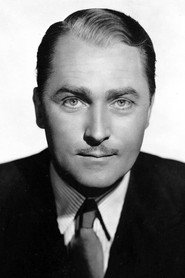 Brian AherneE. Wade Rawlins
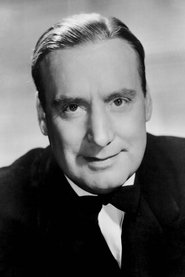 Alan MowbrayGrosvenor
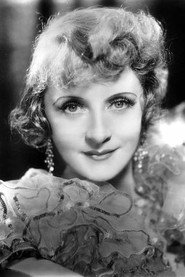 Billie BurkeMrs. Emily Kilbourne
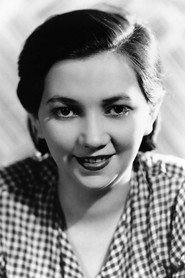 Patsy KellyEtta
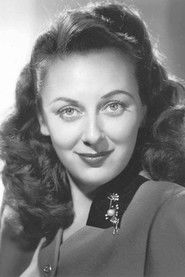 Ann DvorakMinerva Harlan
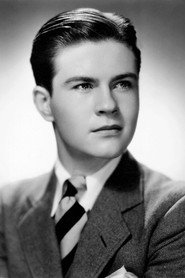 Tom BrownKane Kilbourne
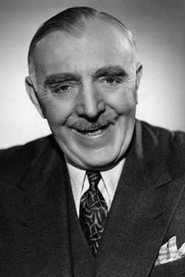 Clarence KolbHenry Kilbourne
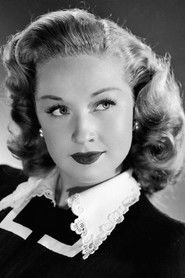 Bonita GranvilleMarian Kilbourne
 Marjorie RambeauMrs. Harlan
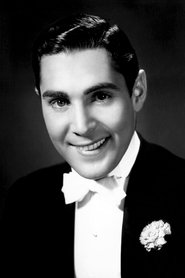 Phillip ReedHerbert Wheeler
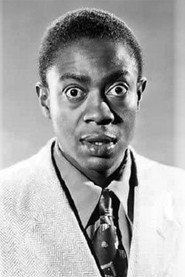 Willie BestGeorge
Directing
- Norman Z. McLeodDirector
Writing
- E.J. RathNovel
- Eddie MoranScreenplay
- Jack JevneScreenplay
- Courtenay SavageTheatre Play
Production
- Hal RoachProducer
- Milton H. BrenProducer