
Film
The Gilded Lily
- Romantic comedy
- Drama
- Light-hearted
A Depression-era romantic comedy where a secretary becomes an overnight sensation through a deliberately planted newspaper story, only to discover that manufactured fame and real love are often at odds. Claudette Colbert anchors a smart, brisk film that understands the machinery of celebrity and the cost of ambition—light on its feet but never lightweight.
If you liked this
It Happened One Night1934
The template for screwball romance: a reporter and a runaway heiress, witty banter, genuine chemistry, and the pleasure of watching two people circle each other before surrendering. It's effortless and intoxicating.
But If you don't buy the central couple's attraction, the whole enterprise collapses. Some viewers find the pacing glacial by modern standards.

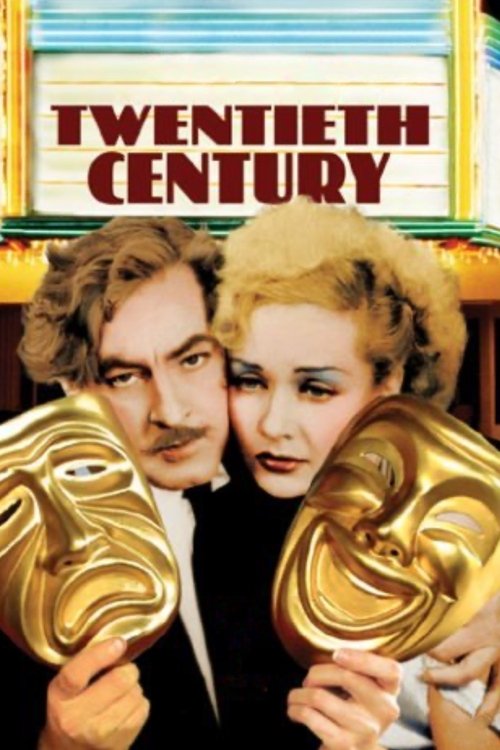
Twentieth Century1934
John Barrymore and Carole Lombard trade barbs on a cross-country train with the intensity of people who genuinely might kill each other. Loud, theatrical, sexually charged, and every line lands.
But The comedy is pitched at a hysterical register that exhausts some people. It's relentless in a way that can feel shrill.
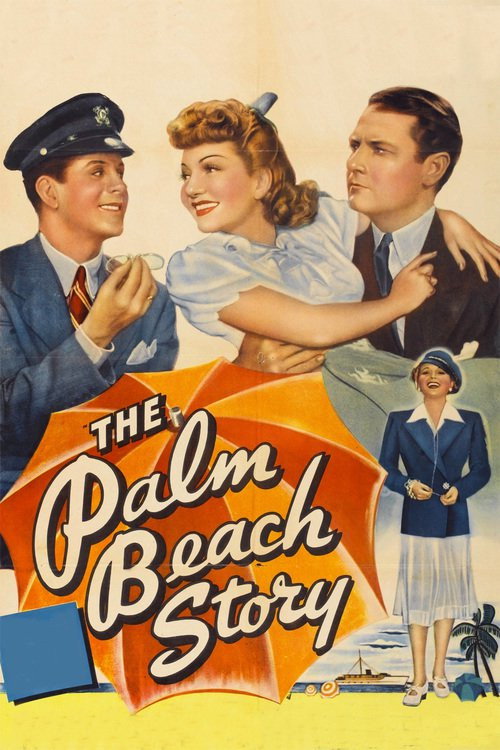
The Palm Beach Story1942
Preston Sturges at his most inventive: a wife pretends to be single to win over a millionaire, chaos ensues, and the dialogue moves at the speed of thought. Gloriously unhinged and generous.
But The plot mechanics require a lot of suspension of disbelief, and the movie asks you to simply go with increasingly absurd situations.
Not sure tonight? Get a pick in a minute, starting from The Gilded Lily
The wildcard
Something you would not have found on your own.
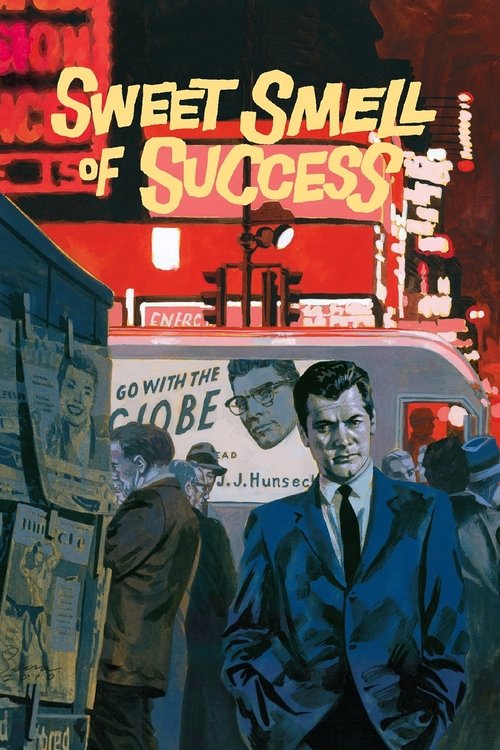
Sweet Smell of Success1957
Both films center on the construction of false public personas and the question of whether authentic feeling can survive in the machinery of fame. *The Gilded Lily* is sunny about it; *Sweet Smell* is poison.
A gossip columnist and a press agent orbit each other in a Machiavellian dance of manipulation and desire. The dialogue is baroque and cruelly funny, the camera work is oppressive and beautiful, and it understands that the publicity machine Colbert's film only hints at has teeth.
But It's a morality play dressed as noir, and nearly everyone in it is contemptible. If you want to like your characters, this will repel you. Also shot in a stark black-and-white that some find punishing.
More like this (8)
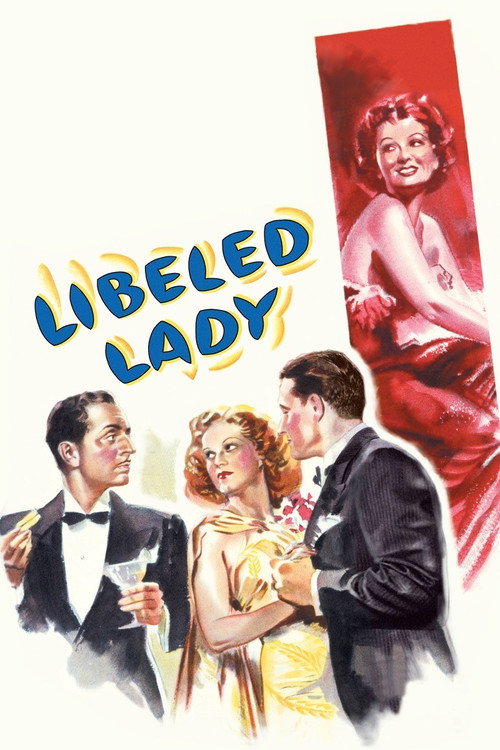
Libeled Lady1936
Spencer Tracy, Jean Harlow, William Powell, and Myrna Loy in a newspaper romance where the schemes-within-schemes plot is an excuse for four brilliant people to riff on each other. Pure pleasure.
But The gender politics are very much of the 1930s. If outdated attitudes toward women wear on you, this won't help.
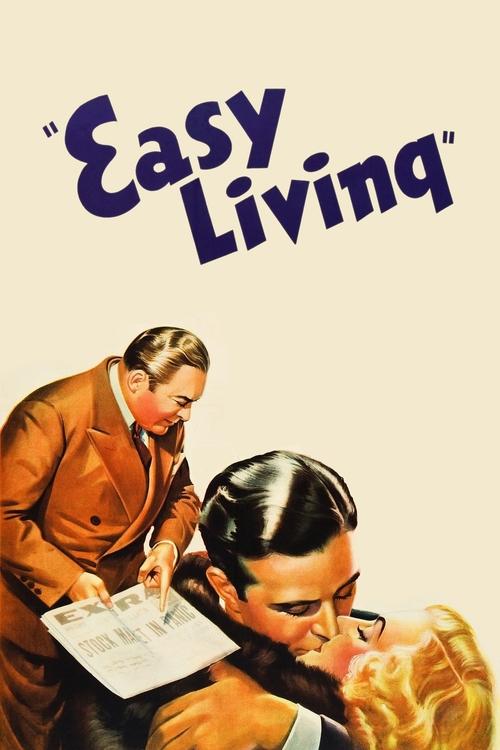
Easy Living1937
Jean Arthur becomes accidentally wealthy and watches her life crack open as a result. Funny, warm, and genuinely interested in what money does to relationships and dignity.
But Some of the broad physical comedy feels dated. The pacing occasionally drags in the middle act.
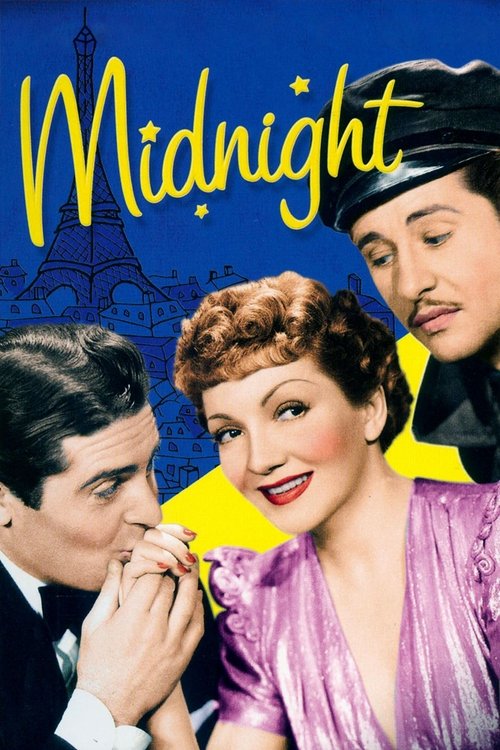
Midnight1939
Claudette Colbert plays a drifter who infiltrates high society; Billy Wilder directs with an elegant touch and the script crackles with innuendo and class comedy. Sophisticated and sexy.
But The setup asks you to believe a con that's frankly improbable. The third act gets a little sentimental.
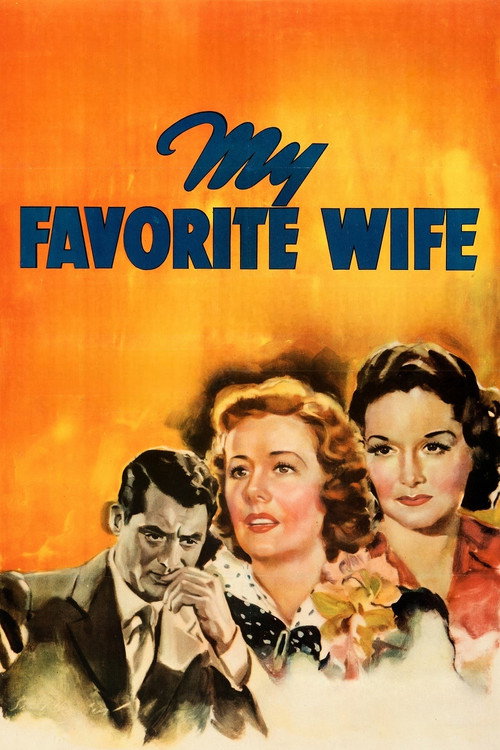
My Favorite Wife1940
Cary Grant and Irene Dunne navigate a plot built on mistaken identity and lies, and the movie is smart enough to keep up with them. Breezy, funny, and genuinely inventive.
But It relies on a lot of plot busywork that occasionally grinds the charm to a halt.
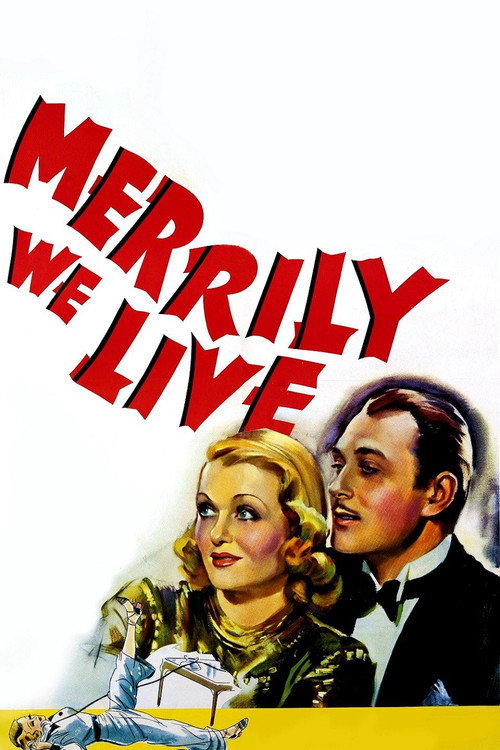
Merrily We Live1938
Constance Bennett and Brian Aherne in a screwball about a homeless man mistaken for a wealthy employer. It's funny, warmly observed, and has real affection for its characters.
But Not as sharp as the very best comedies of the era. Some performances feel broad and straining for laughs.
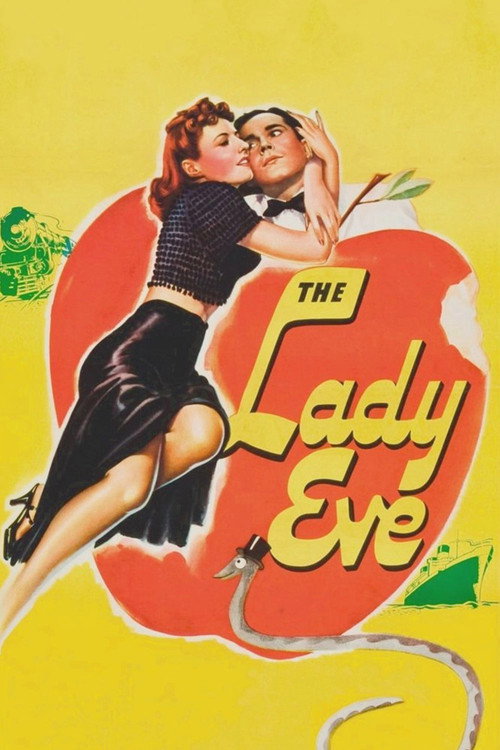
The Lady Eve1941
Barbara Stanwyck as a con artist who plays multiple versions of herself to seduce a naive millionaire. It's sly, sexy, and built on the pleasure of watching someone orchestrate their own seduction.
But Some viewers find Stanwyck's method acting choices cold. The plot reversal in the third act confuses people who weren't paying close attention.
Singin' in the Rain1952
Where *The Gilded Lily* treats manufactured fame as a gag, *Singin' in the Rain* uses the same material to ask whether the person you pretend to be can ever become someone else. The Broadway Melody sequence is the shadow side of Colbert's happy ending.
Gene Kelly, Debbie Reynolds, and Donald O'Connor in a film about the transition from silent pictures to talkies—a story about illusion becoming reality, public personas getting exposed, and the machinery of stardom breaking down. Pure joy with real stakes underneath.
But If you're not moved by virtuoso dancing and singing, long stretches will feel like watching someone show off. The romantic plot is thin.

A Star Is Born1937
Where *The Gilded Lily* makes fame into a comedic asset, *A Star Is Born* shows what fame actually costs—the isolation, the disposability, the way the machine consumes the people who fuel it. Both understand that publicity is a currency, but only one knows the interest rate.
Janet Gaynor ascends to stardom while her husband (Fredric March) descends into irrelevance and alcoholism. It's a tragedy dressed as a Hollywood story, and it understands the cost of being the object everyone wants. Devastating and true.
But It's not light entertainment. The second half is genuinely bleak, and the film offers no comfort. Some scenes are almost unbearably sad.

People
Cast
 Claudette ColbertMarilyn David
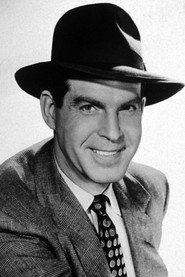 Fred MacMurrayPeter Dawes
 Ray MillandCharles Gray Granville
 C. Aubrey SmithLloyd Granville
- Eddie CravenEddie
 Luis AlberniNate
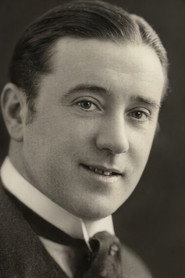 Forrester HarveyProprietor, English Inn
 Grace BradleyDaisy
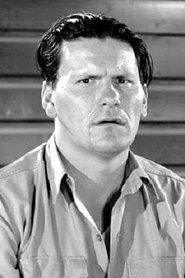 Warren HymerTaxi Driver
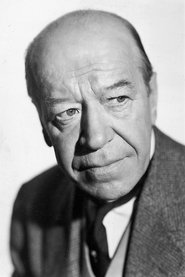 Donald MeekHankerson
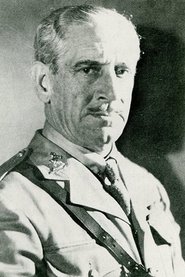 Claude KingCaptain of Boat
- Charles IrwinOscar
Directing
- Wesley RugglesDirector
Writing
- Claude BinyonScreenplay
- Jack KirklandStory
- Melville BakerStory
Production
- Emanuel CohenExecutive Producer
- Albert LewisProducer