
Film
Holiday
Other titles called Holiday: the 2014 film, the 2014 film.
A screwball romance that asks whether you marry the person or the family fortune. Johnny Case wants to live before he dies; his fiancée wants him to stay put. Katharine Hepburn and Cary Grant are effervescent and perfectly matched, the dialogue snaps, and the film's quiet radicalism—that maybe work isn't everything—lands with surprising force even now.
Should you watch it?
Watch it if you like sharp, talky screwball comedy where a man's ideas about money and class get argued out with a grin, and Cary Grant at his most relaxed is reason enough.
Skip it if you need your romantic comedies warm and gently sentimental, since this one is brisk and cool-eyed about wealth, and its rich characters can feel stiff and hard to warm to.
What it asks of you: Expect a brisk ninety-seven minutes of fast back-and-forth dialogue that rarely pauses, so you will need to keep up with overlapping banter and rapid shifts in mood.
Not sure? Find tonight's pick in a minute.
If you liked this
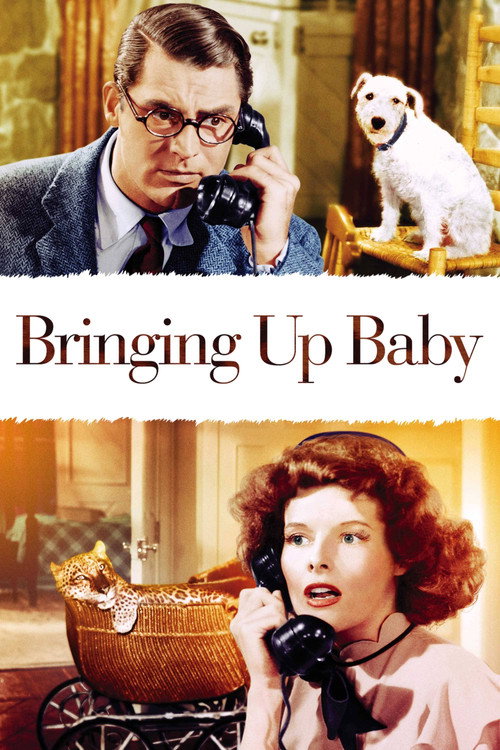
Bringing Up Baby1938
The same year, same leads, same director: Grant and Hepburn at peak comic chemistry, chasing a leopard through increasingly absurd situations. If you loved their spark in Holiday, this is them at full throttle.
But The screwball energy never lets up, which some find exhausting rather than exhilarating. It's relentless.
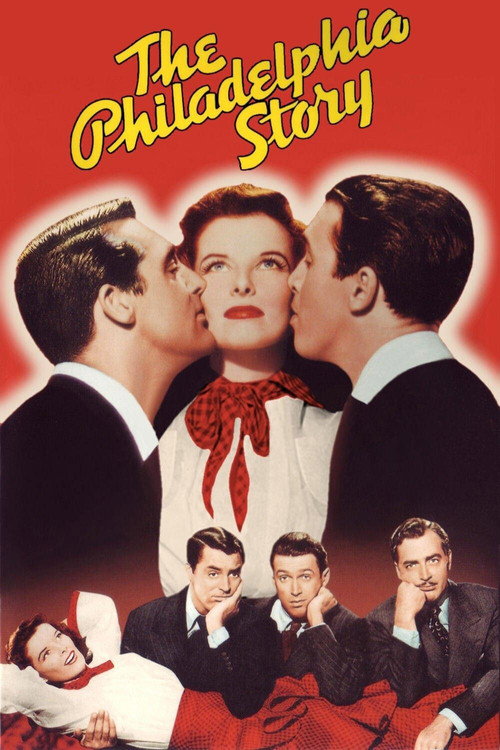
The Philadelphia Story1940
Grant and Hepburn reunite (with Jimmy Stewart) in another tale of wealth, marriage, and whether the person you think you want is actually right for you. Sophisticated, funny, and unexpectedly moving.
But It's longer and more plot-heavy than Holiday. If you prefer character moments to intricate setup, it can feel a bit mechanical.
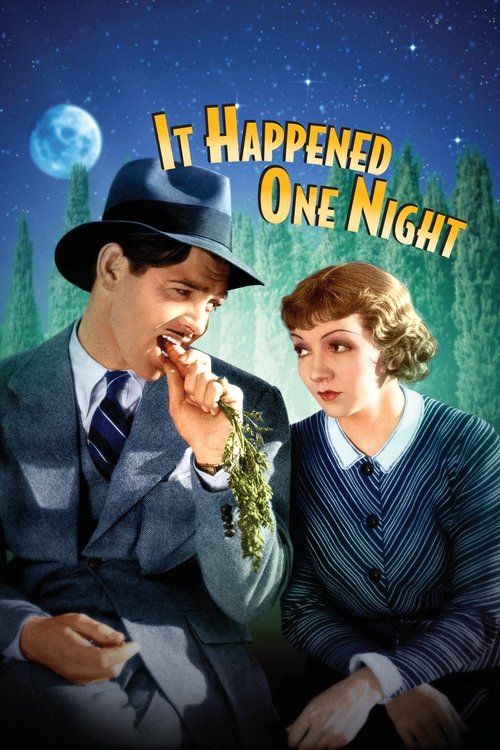
It Happened One Night1934
The ur-screwball romance: Claudette Colbert and Clark Gable on the road, sparring and falling in love. Direct DNA from the form Holiday perfected, and the chemistry is crackling.
But It's from 1934, so the pacing is slower and the film stock grainier than you might expect. Some of the class politics feel dated.
Not sure tonight? Get a pick in a minute, starting from Holiday
The wildcard
Something you would not have found on your own.
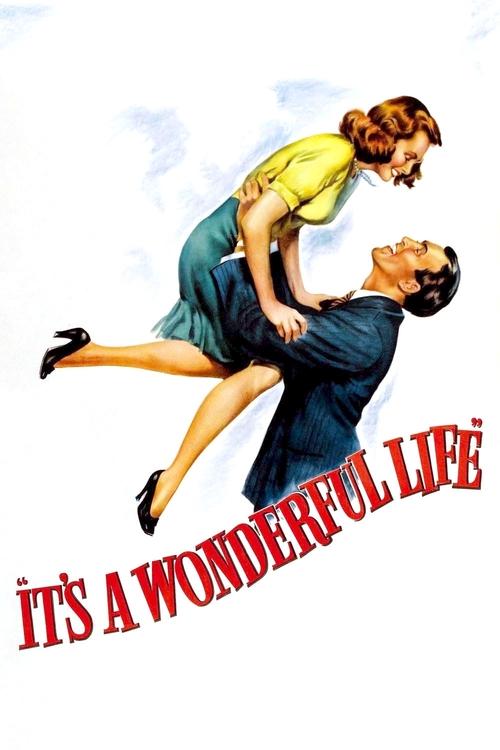
It's a Wonderful Life1946
Both examine whether duty to family and place is a virtue or a prison; both ask what happens when you choose differently.
George Bailey turns down his dreams to stay in his small town; Johnny Case wants to leave and live those dreams. Capra's film is Holiday's moral opposite—both asking what we sacrifice and why—but with the weight of a man's entire life at stake rather than a holiday.
But It's heavy, sentimental, and increasingly difficult to watch without cynicism about its vision of duty and contentment. The opposite of Holiday's sparkle.
More like this (8)
His Girl Friday1940
Rapid-fire dialogue, a female lead who won't be managed, and genuine stakes underneath the comedy. If Holiday's smart talk appealed to you, this will scratch that itch harder.
But It's a remake of The Front Page and leans heavily into newspaper shop talk that can feel insider-y. The pacing is frenetic in a way that reads as chaotic if you're not in the mood.

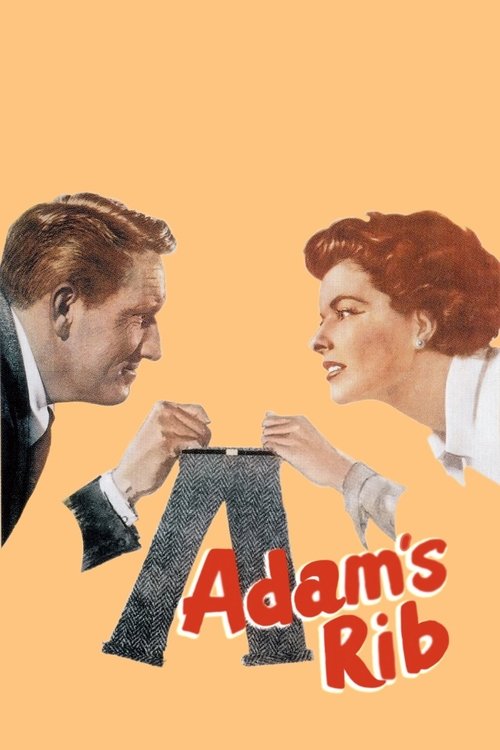
Adam's Rib1949
Spencer Tracy and Katharine Hepburn as married lawyers arguing opposite sides of a case. Hepburn's wit is just as sharp as in Holiday, the marriage dynamics are real, and it's genuinely progressive for 1949.
But It's slower and more talk-heavy than Holiday. If you came for the romantic spark, the marital squabbling might feel like a comedown.
Breakfast at Tiffany's1961
Audrey Hepburn as a woman who won't be pinned down, who values freedom over security. The film asks similar questions about what we owe society versus what we owe ourselves, with style and heartbreak.
But It's a different kind of film—slower, more wistful, less comedic. The ending divides people sharply.

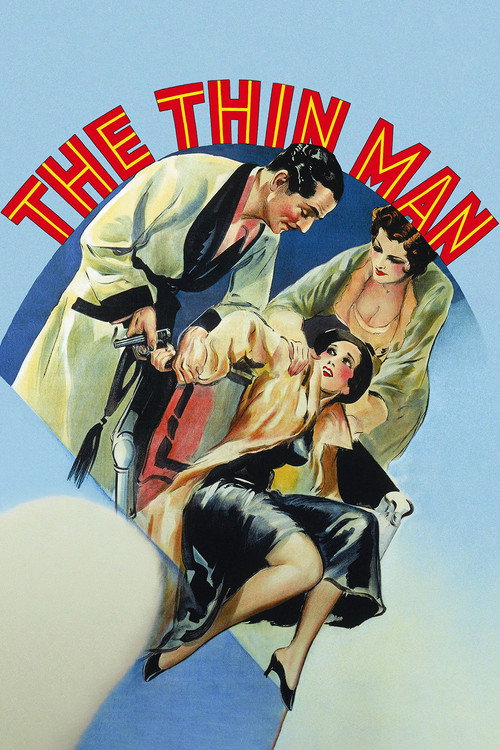
The Thin Man1934
William Powell and Myrna Loy as a married couple with chemistry for days, trading quips while solving a murder. Witty, sexy, and endlessly rewatchable if you loved Grant and Hepburn's repartee.
But It's a mystery first and a romance second. If you don't care about the plot, the film can feel like it's marking time between the good conversations.
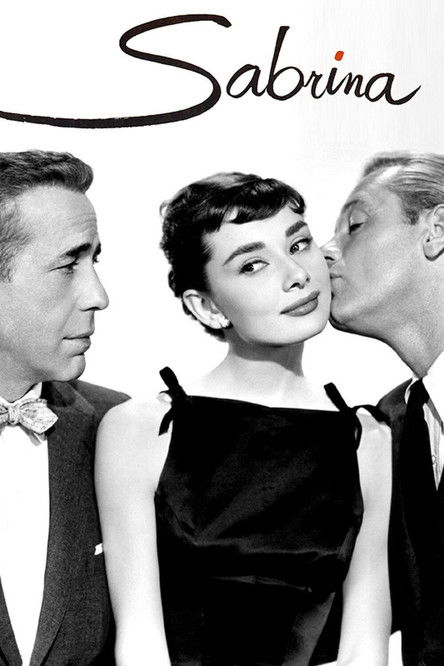
Sabrina1954
Audrey Hepburn, Humphrey Bogart, and William Holden: a love triangle about money, class, and whether money matters in love. Sophisticated, beautifully shot, and the question at the film's heart is genuinely thorny.
But It's a bit more restrained than Holiday, and the romance can feel secondary to the social observation. Some find it cold.
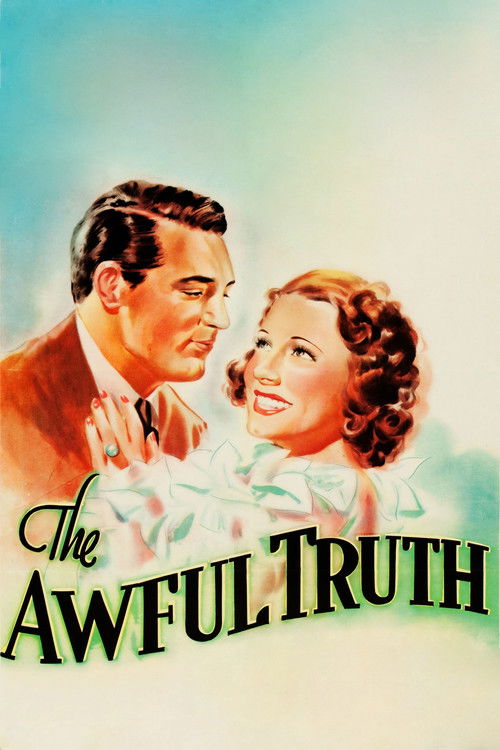
The Awful Truth1937
Cary Grant and Irene Dunne as a divorcing couple who keep running into each other and remembering why they fell in love. Hilarious, touching, and the chemistry is immaculate.
But The sexual politics of the era are pretty pronounced, and the plot hinges on some uncomfortable masculine territory. It ages less gracefully than Holiday.
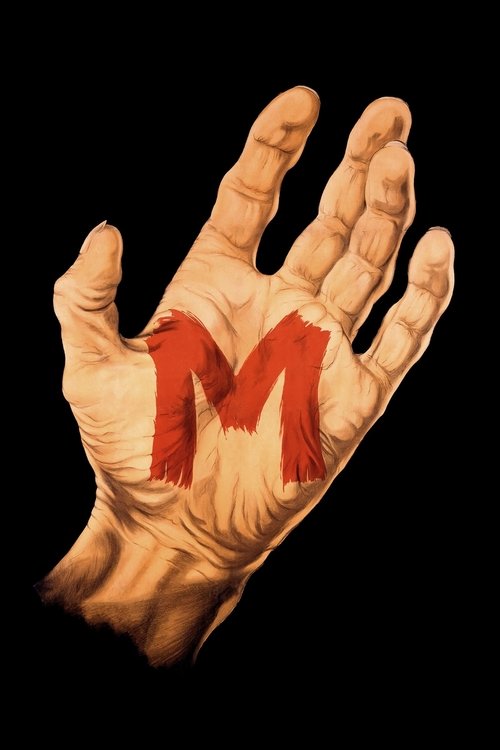
M1931
Both are examples of direction so good you stop noticing it's there. Both use the formal language of cinema to comment on class and society.
A German expressionist masterpiece about a child murderer hunted through a city. Nothing like Holiday in tone, but Fritz Lang built it around the same formal brilliance—every frame is composed, every scene plays with character and society simultaneously.
But It's dark, grim, and about evil. If you watch Holiday for the lightness, M is the opposite direction entirely. Subtitled, black-and-white, bleak.
Singin' in the Rain1952
Both films are about young people choosing to live their own lives rather than accept the world as handed to them. Both find joy and possibility in that choice.
Gene Kelly, Donald O'Connor, and Debbie Reynolds in what might be the happiest film ever made. Not a romance first—it's about ambition, reinvention, and the joy of being alive. The dancing is transcendent.
But If you came for dialogue and character, the narrative is gossamer-thin. Whole sequences exist just to justify another musical number.

People
Cast
 Katharine HepburnLinda Seton
 Cary GrantJohnny Case
 Doris NolanJulia Seton
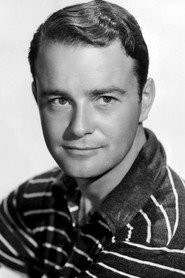 Lew AyresNed Seton
 Edward Everett HortonNick Potter
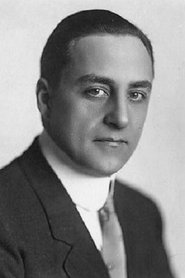 Henry KolkerEdward Seton
 Binnie BarnesLaura Cram
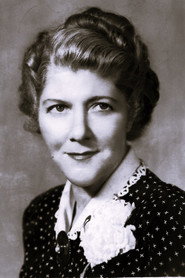 Jean DixonSusan Potter
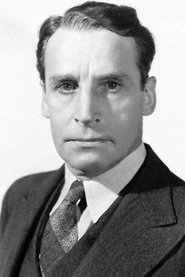 Henry DaniellSeton Cram
- Edward BibyChurchgoer (uncredited)
 Beatrice BlinnMaid (uncredited)
- Mabel ColcordSetons' Cook (uncredited)
Directing
- George CukorDirector
Writing
- Donald Ogden StewartScreenplay
- Sidney BuchmanScreenplay
- Philip BarryTheatre Play
Production
- Everett RiskinProducer
Recommended by
The Philadelphia Story, My Man Godfrey, The Awful Truth, You Can't Take It with You, Life with Father, The Ghost Goes West, Sylvia Scarlett, A Damsel in Distress, Morning Glory, The Remarkable Andrew, One Touch of Venus, Made for Each Other, The Royal Family of Broadway, Road to Rio, Moon Over Miami, Brazil, Topper Takes a Trip, Merrily We Live, Niagara Falls, Three Smart Girls Grow Up