
Film
The Royal Family of Broadway
- Screwball comedy
- Light-hearted
A 1930 farce about a theatrical dynasty juggling fame, romance, and the eternal question of whether to stay onstage or grow up. Fredric March and Ina Claire sparkle as a brother-sister acting team caught between their mother's relentless showbiz hunger and their own desire for a quieter life. Sharp, speedy, and affectionate about the theatre world.
If you liked this
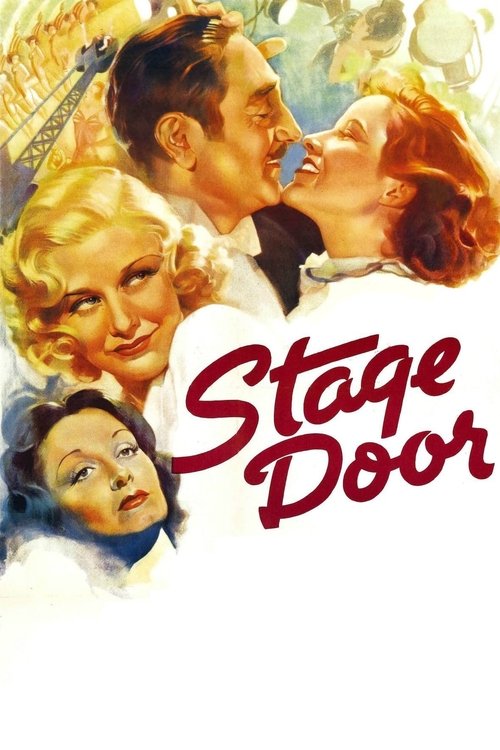
Stage Door1937
A superior follow-up to this template: women in theatre, competing ambitions, a gifted ensemble cast (Katharine Hepburn, Ginger Rogers, Andrea Leeds) delivering rapid-fire wit. Poignant without losing the snap.
But The plot turns genuinely dark in the final act. If you want pure froth, the tonal shift lands like cold water.
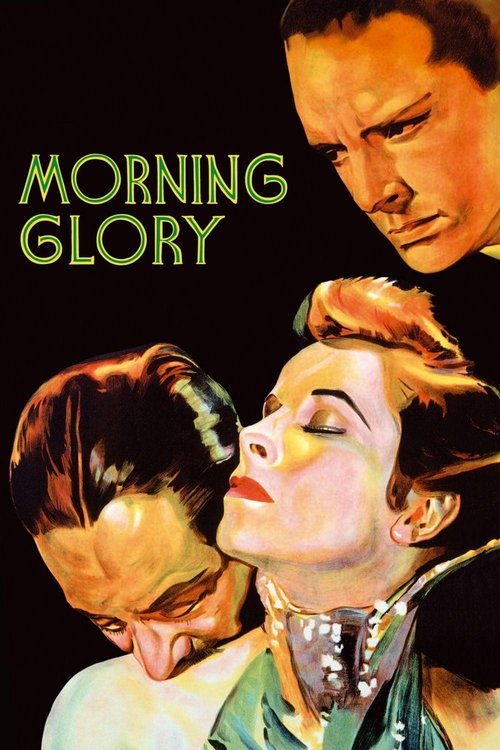
Morning Glory1933
Katharine Hepburn at her most electric as an idealistic young actress colliding with Broadway reality. Faster, smaller-scale than this, but the same DNA: theatre people, ambition, the cost of the stage.
But At 71 minutes it can feel thin if you're not captivated immediately. Some find Hepburn's vocal mannerisms affected rather than charming.
It Happened One Night1934
Fredric March's co-star Claude Colman brings the same urbane energy; the same snappy dialogue machine; a rich person learning what matters. A masterpiece of screwball comedy that teaches you why this era was magic.
But It's a romance at heart. If you're here for theatre-world specifics, you'll get a broader canvas instead.

Not sure tonight? Get a pick in a minute, starting from The Royal Family of Broadway
The wildcard
Something you would not have found on your own.
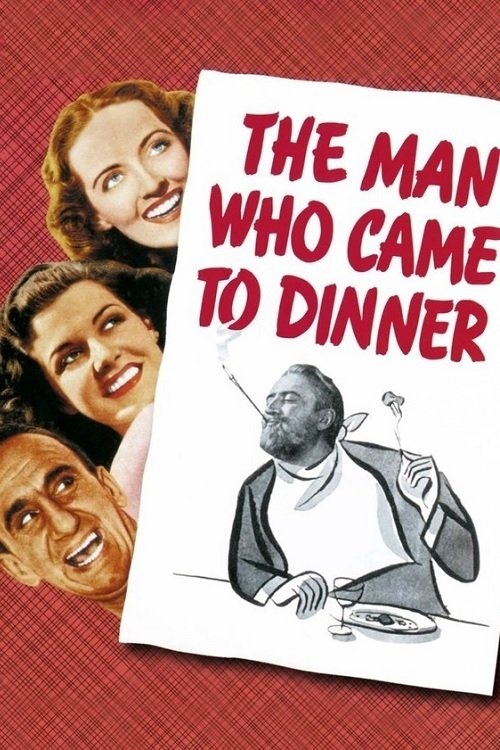
The Man Who Came to Dinner1941
Both are love letters to theatrical people that also understand their destructiveness. The difference is whose living room they wreck.
Monty Woolley as a tyrannical theatre critic imprisoned in a small-town home, holding a family hostage with wit and narcissism. It's this film's evil twin: same theatrical egoism, but the perspective is inverted—now we see the chaos from the family's side.
But Woolley's character is exhausting by design. If you need likeable people to root for, he'll wear you out.
More like this (7)
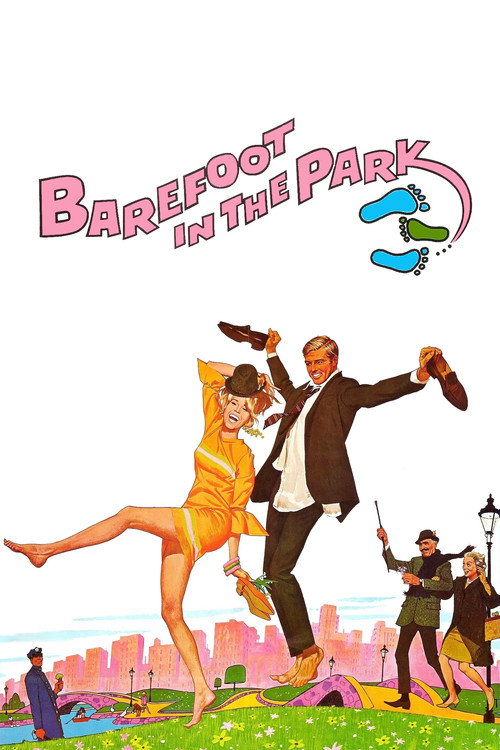
Barefoot in the Park1967
A young couple (Robert Redford, Jane Fonda) navigate marriage and maturity, with a garrulous mother-in-law (Mildred Natwick) stealing every scene. Same architecture: theatrics, family pressure, growing up.
But Dated in its gender politics and some of the comedy beats now read as shrill. The 1960s softness might feel saccharine if you prefer the 1930s' harder edge.
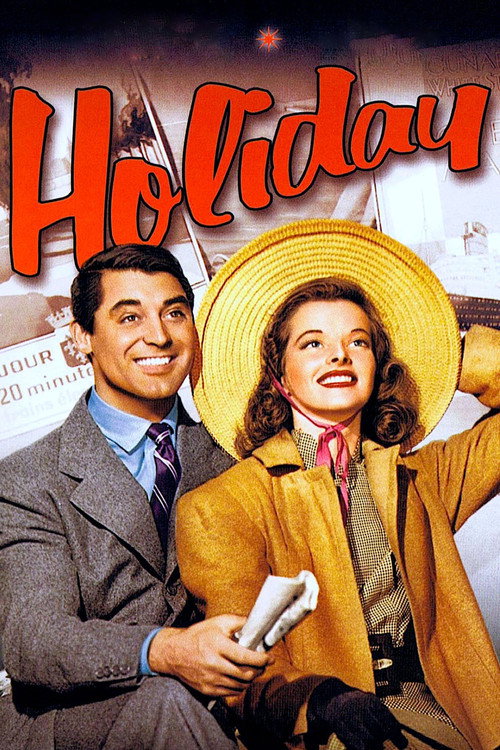
Holiday1938
Cary Grant and Katharine Hepburn as characters rebelling against inherited expectation. The ensemble cast, the talk, the architecture of family rebellion—all here. Frank Capra directing.
But It's a chamber piece set mostly in one house. If you want scope or movement, it's claustrophobic.
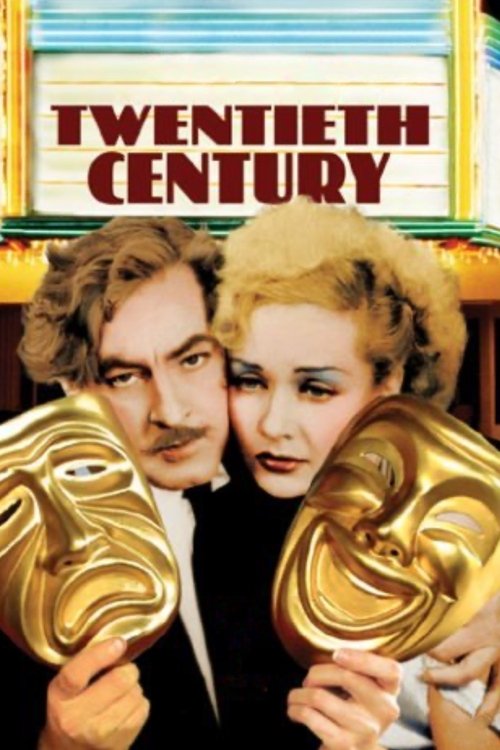
Twentieth Century1934
A theatre impresario (John Barrymore, theatrical royalty himself) and his star (Carole Lombard) reunite on a train. Manic, adoring of theatre people, a love letter to that particular madness.
But Barrymore's performance is so theatrical it tilts toward parody. Some audiences find that annoying rather than funny.
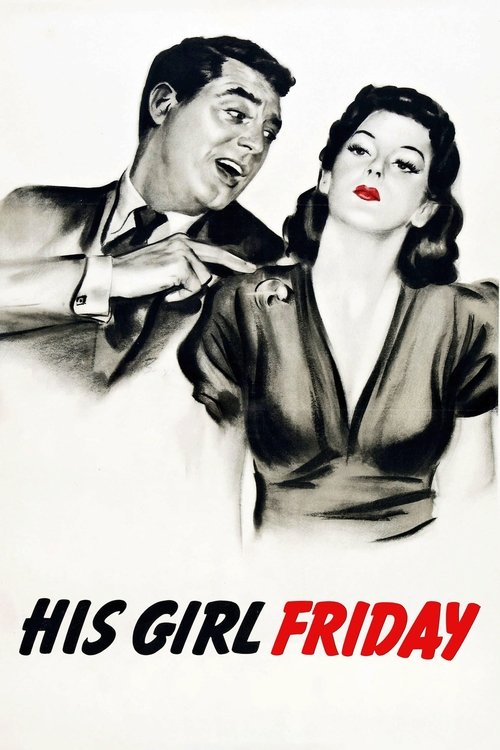
His Girl Friday1940
Cary Grant and Rosalind Russell in a newsroom; substitute the theatre for journalism and you have the same engine—smart people talking fast, careers versus love, family dysfunction as comedy.
But It's very male-centred for a film with a powerhouse female lead. The gender dynamics will irritate some viewers.
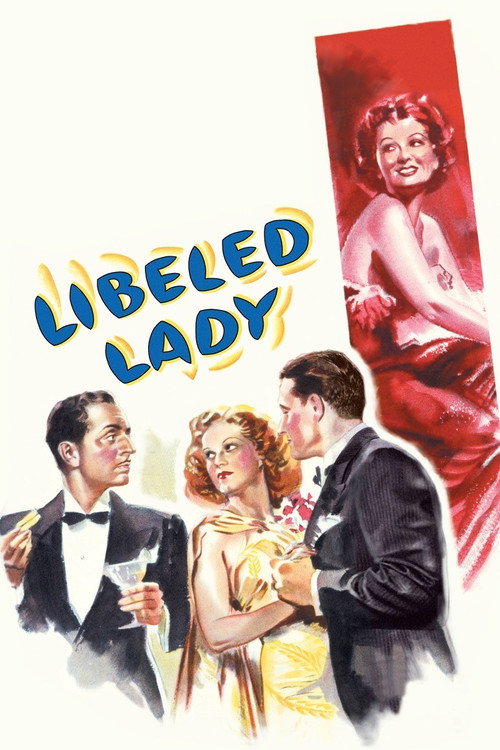
Libeled Lady1936
Spencer Tracy, Jean Harlow, William Powell, Myrna Loy: four stars orbiting each other in a screwball chaos of lies and comeuppance. Demonstrates how well this era's ensemble comedy could work when everyone was sharp.
But The plot is tissue-thin and the satire of the wealthy doesn't bite. It's pure mechanics, and if that doesn't enchant you, there's not much underneath.
Singin' in the Rain1952
Both are about entertainer families navigating obsolescence and ego. *Royal Family* asks the question in farce; *Singin' in the Rain* answers it in dance.
Gene Kelly, Donald O'Connor, Debbie Reynolds in a backstage musical about the death of silent film. Same question as *Royal Family*—what happens to artists when the world changes?—but set to production numbers. Joyful, inventive, gorgeously made.
But It's a musical. If you're not predisposed to people breaking into song, you're fighting the film the whole way through.

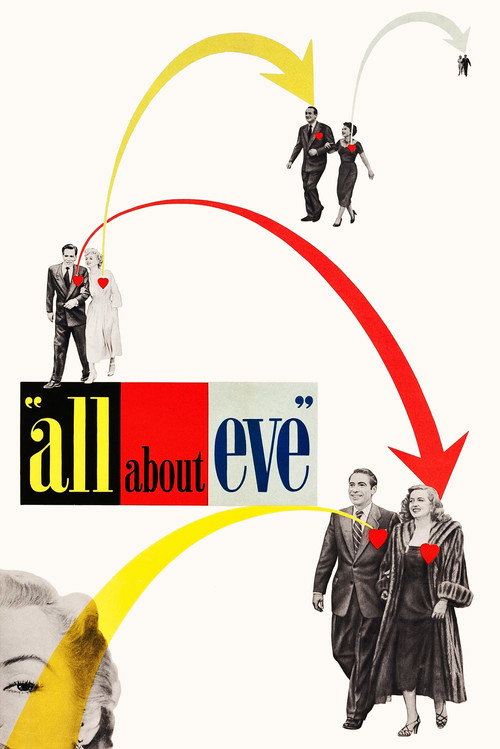
All About Eve1950
Both centre on theatre people unable to leave the stage. But where *Royal Family* finds it funny, *All About Eve* finds it tragic.
Bette Davis as an ageing Broadway legend, Anne Baxter as the ambitious understudy circling for her throne. Vicious, smart, about the cost of a life in theatre. Still the definitive anatomy of theatrical ambition and predation.
But It's mordant and cruel; there's no warmth anywhere. If you want this film's affection for these people, *All About Eve* will feel like poison.
People
Cast
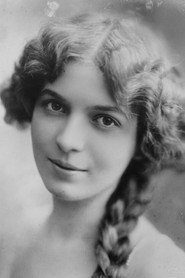 Ina ClaireJulie Cavendish
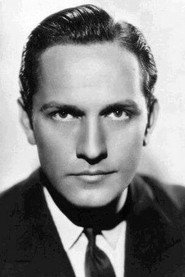 Fredric MarchTony Cavendish
 Mary BrianGwen Cavendish
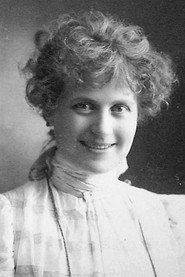 Henrietta CrosmanFanny Cavendish
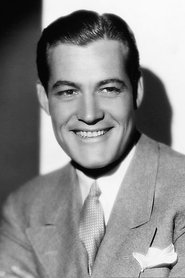 Charles StarrettPerry
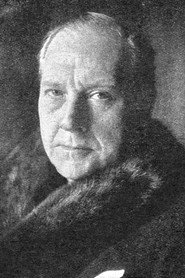 Arnold KorffOscar Wolfe
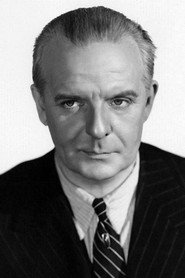 Frank ConroyGilmore Marshall
- Elsie EsmondDella
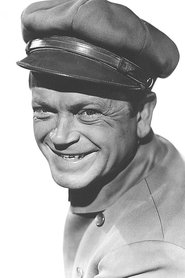 Murray AlperMcDermott
- Wesley StarkHall Boy
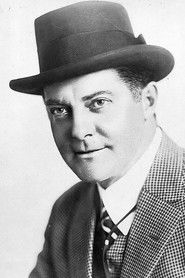 Herschel MayallDoctor
Directing
- Cyril GardnerDirector
- George CukorDirector
Writing
- Herman J. MankiewiczAdaptation
- Edna FerberAuthor
- George S. KaufmanAuthor
- Gertrude PurcellWriter