
Film
The Man Who Came to Dinner
- Screwball comedy
- Light-hearted
A caustic theatre critic, stranded in a small Ohio town after a fall, turns his hosts' home into a circus of chaos and celebrity. Fast, theatrical, and crackling with zingers, it's a showcase for verbal sparring and impeccable comic timing—pure stage comedy translated to film, made for anyone who loves talk as entertainment.
Should you watch it?
Watch it if you love razor-sharp, talky comedy where one gloriously rude guest commandeers every room and the verbal sparring does all the work.
Skip it if you need fast plot turns or a modern pace, since this is stagey, dialogue-led and largely confined to one house with a lot of rapid-fire wordplay.
What it asks of you: Settle in for nearly two hours of mostly indoor talk, where the jokes come in volleys and you have to keep up with every line to enjoy the ride.
Not sure? Find tonight's pick in a minute.
If you liked this
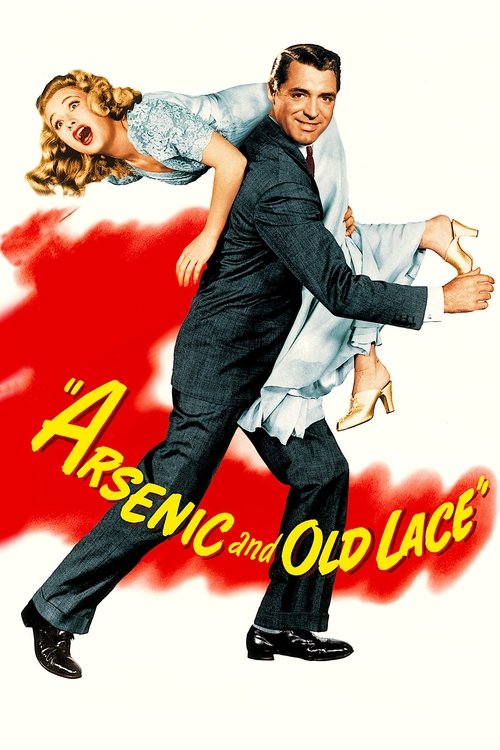
Arsenic and Old Lace1944
Cary Grant trapped with homicidal aunts in a house of horrors, playing hysteria and deadpan off each other. It has the same manic energy and theatrical chaos, built on people stuck in close quarters.
But The hysteria can feel dated, and the pace occasionally overstays its welcome. Some find Grant's frantic reactions more exhausting than funny.
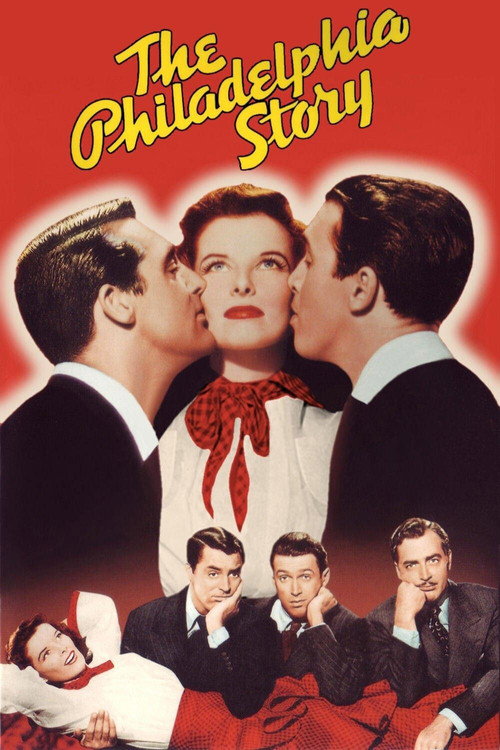
The Philadelphia Story1940
Katharine Hepburn, James Stewart, and Cary Grant trading barbs around a wedding weekend. Witty, elegant, effortless—dialogue doing heavy lifting with charm and intelligence.
But It's genteel and unhurried by modern standards. If you need plot momentum over banter, you'll watch the clock.
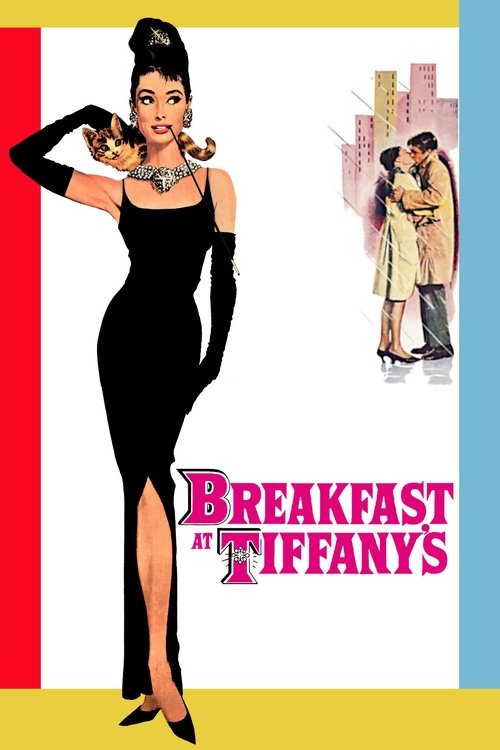
Breakfast at Tiffany's1961
Audrey Hepburn as a woman reinventing herself with style and misdirection; Paul Varjak observing her chaos. It shares the mix of sophisticated comedy and a central character who disrupts everyone's sense of order.
But The racial stereotyping in one subplot hasn't aged well. Some find Hepburn's charm slightly remote, hard to truly connect with.
Not sure tonight? Get a pick in a minute, starting from The Man Who Came to Dinner
The wildcard
Something you would not have found on your own.
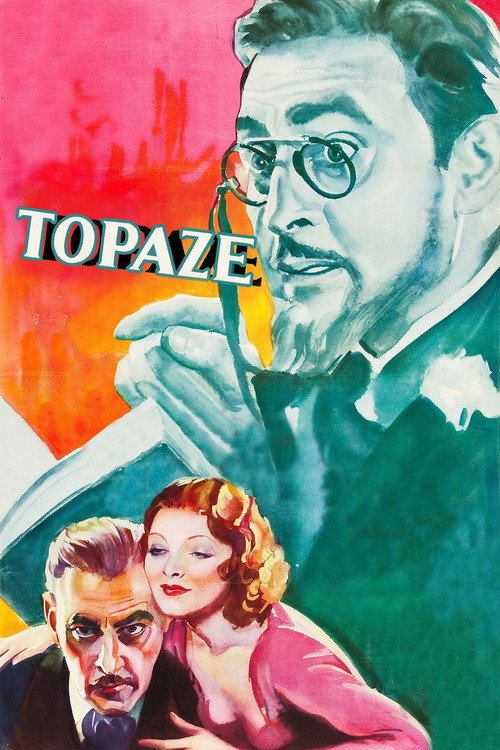
Topaze1933
Both are vehicles for a single bravura performance; both watch a vivid personality remaking everyone around them. Topaze shows you what Whiteside might become if he stayed too long.
John Barrymore as a naive schoolteacher slowly corrupted into cunning by the world around him. Barrymore—Monty Woolley's contemporary and equal—gets to be both highbrow and vaudeville, tragic and absurd. It's the inverse: how a good man becomes the disruptor, not the disrupted-upon.
But It's dark comedy, not light—the tone shifts away from entertainment into something sadder. And Barrymore's performance, while brilliant, can feel hammy if you're not attuned to his register.
More like this (8)
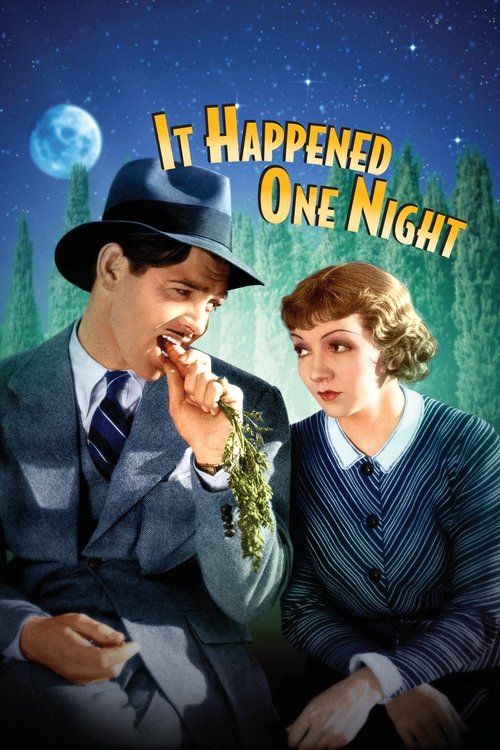
It Happened One Night1934
Clark Gable and Claudette Colbert on a road trip, sparring and surprising each other. It invented the template for banter-driven romantic comedy and does it beautifully—no filler, every line counts.
But The pacing assumes patience with dialogue; there are long stretches without plot movement. Black-and-white and monochrome in style may feel distant.
Singin' in the Rain1952
Gene Kelly, Donald O'Connor, and Debbie Reynolds in Hollywood's golden age, swinging from comedy to dance to pathos without losing a beat. It has the same theatrical joy and ensemble play of The Man Who Came to Dinner.
But If musicals feel like a genre barrier to you, this won't convince you. And some dialogue bits don't land as cleanly as the song-and-dance sequences.

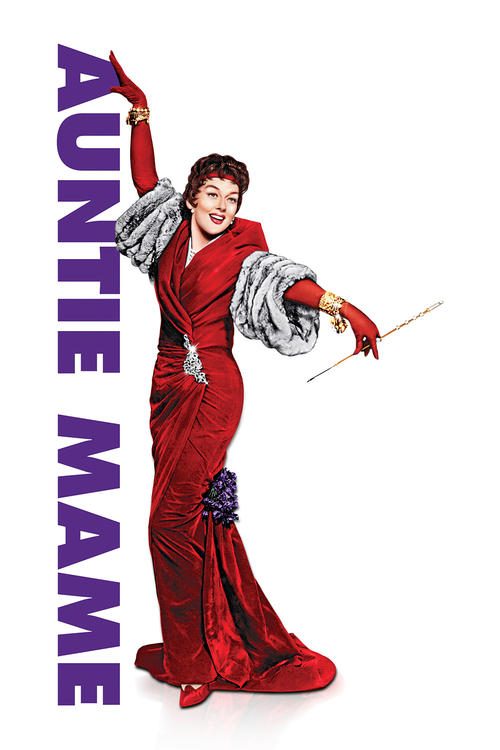
Auntie Mame1958
Rosalind Russell as a free-spirited bohemian aunt who sweeps into her nephew's life and turns it inside-out with style and hilarity. Same DNA: a vivid outsider creating chaos in provincial settings, born for performance.
But It's broad and campy—if you prefer restraint, the shrieking extroversion will feel like too much. Some pacing drags in the second half.
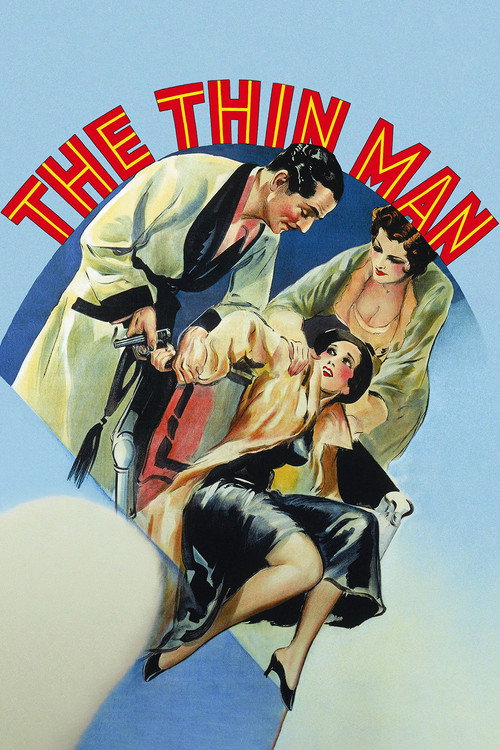
The Thin Man1934
William Powell and Myrna Loy as husband-and-wife detectives trading quips while solving a murder. Sophisticated, fast, and genuinely funny—dialogue snaps and characters enjoy each other's company.
But The plot is secondary to the rapport, so if you care about mystery structure, you'll be frustrated. It's slight, intentionally so.
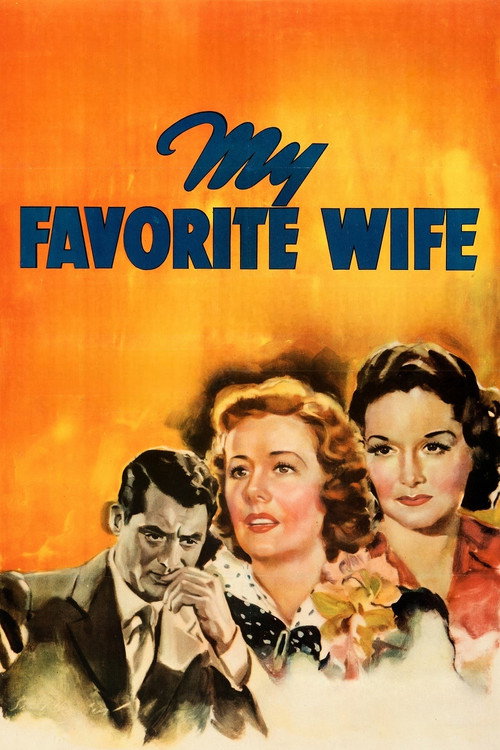
My Favorite Wife1940
Cary Grant, Rosalind Russell, and Irene Dunne in a tangle of misunderstanding and remarriage chaos. Frothy, clever, and driven entirely by performance and timing—no heavy lifting required.
But It's pure confection with no substance. If you want your comedy to mean something, this will feel vapid.
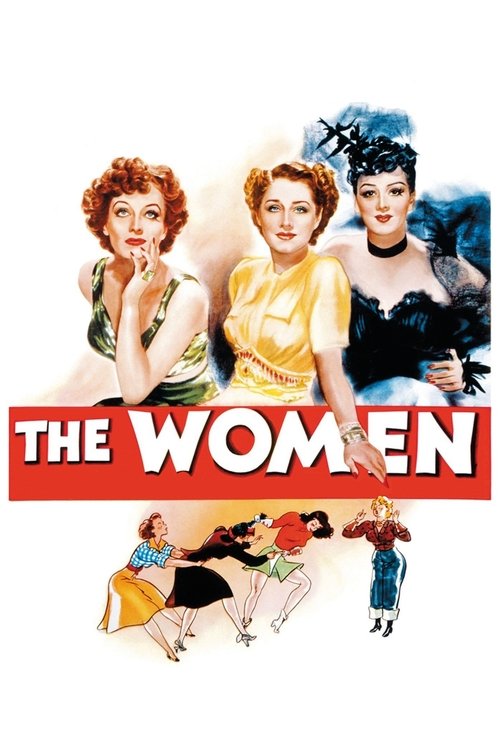
The Women1939
An all-female cast (no men on screen) in a vicious, funny comedy about friendship, betrayal, and vanity. Bitchy, intelligent, and surprising—though from a different comic register than Dinner, it shares the theatrical spark.
But The moral attitudes about women are complicated and dated in ways that can feel off. Some sequences drag; it's long and uneven.
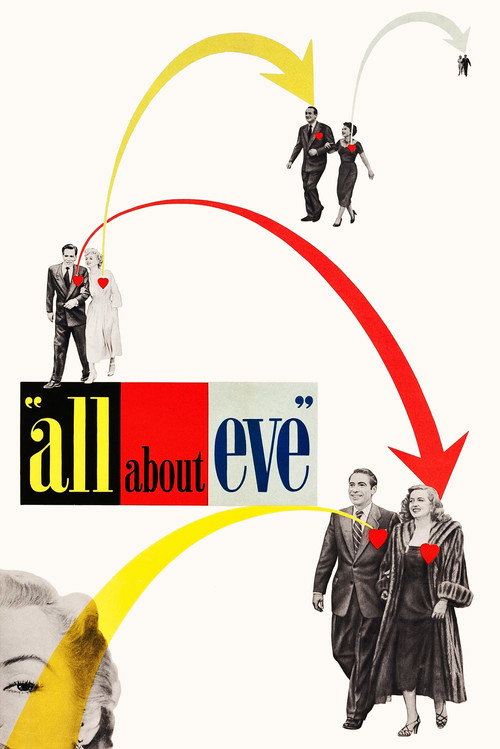
All About Eve1950
Both are about theatre people and the damage they do; both feature Davis at her best. But Eve makes you sympathize with the people being disrupted, where Dinner lets you enjoy the disruption itself.
Bette Davis (who plays the heroine here) faces off against Anne Baxter in a theatrical backstabbing masterpiece. Venomous, intelligent, and utterly controlled—it's Davis in the same register of theatrical malice, but playing someone defending her turf rather than invading it.
But It's psychological rather than slapstick; the pleasure is in watching ambition and ego corrode people. If you want lightness, this is heavy.
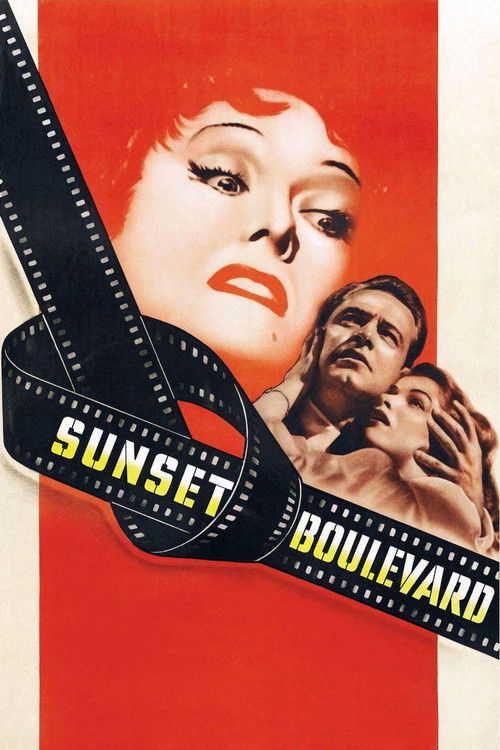
Sunset Boulevard1950
Both trap a visitor in someone else's world. One is farce because everyone is sane and flexible; the other is horror because everyone is trapped in delusion. They're the same geometry in opposite tones.
William Holden enters a Gothic mansion and becomes trapped by a faded silent-film star (Gloria Swanson) who rewrites reality to suit herself. It's the darkest possible version of the same setup: a vivid, delusional central character, an invaded home, the collision of worlds. Swanson's performance is as theatrical as Woolley's, but the laughter dies in your throat.
But It's a tragedy, not a comedy—bleak, cruel, and increasingly horrible. Monochrome cinematography and a suffocating atmosphere make it heavy viewing. If you came for laughs, you'll feel blindsided.
People
Cast
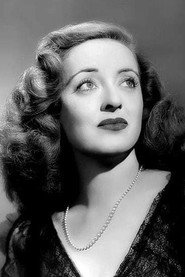 Bette DavisMaggie Cutler
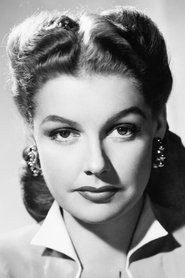 Ann SheridanLorraine Sheldon
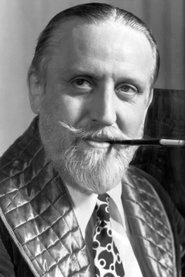 Monty WoolleySheridan Whiteside
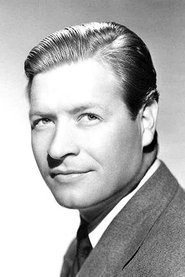 Richard TravisBert Jefferson
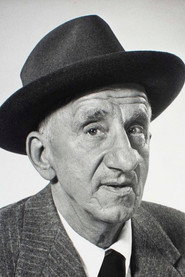 Jimmy DuranteBanjo
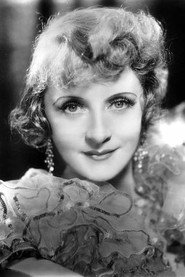 Billie BurkeDaisy Stanley
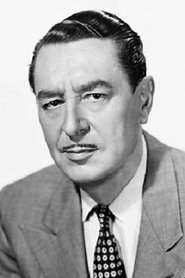 Reginald GardinerBeverly Carlton
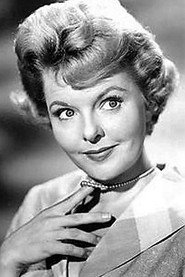 Elisabeth FraserJune Stanley
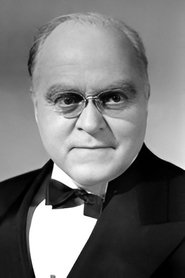 Grant MitchellErnest W. Stanley
 George BarbierDr. Bradley
 Mary WickesMiss Preen
 Russell ArmsRichard Stanley
Directing
- Richard MayberyAssistant Director
- William KeighleyDirector
Writing
- Julius J. EpsteinScreenplay
- Philip G. EpsteinScreenplay
- George S. KaufmanTheatre Play
- Moss HartTheatre Play
Production
- Jack SaperAssociate Producer
- Jerry WaldAssociate Producer
- Hal B. WallisExecutive Producer
- Jack L. WarnerProducer
Recommended by
The Bishop's Wife, National Lampoon's Christmas Vacation, The Royal Family of Broadway