
Film
Morning Glory
Other titles called Morning Glory: the 2010 film.
A bright-eyed actress fights her way into 1930s Broadway through sheer determination and relentless charm. Katharine Hepburn is a motormouth whirlwind—breathless, unfiltered, unshakeable—surrounded by men who can't quite figure her out. It's a swift, gentle film about ambition and the particular courage required to believe in yourself when nobody else does yet.
Should you watch it?
Watch it if you love backstage stories about ambitious outsiders, with snappy 1930s dialogue and a star performance that carries the whole film on sheer nerve.
Skip it if you need modern pacing or a slick, cynical take on Broadway; this is sentimental, talky, and built on a single energetic personality.
What it asks of you: Settle in for a brisk seventy-four minutes of chatter and earnest theatrical sentiment; it moves quickly and stays bright, asking you to enjoy the heroine's nonstop talking.
Not sure? Find tonight's pick in a minute.
If you liked this
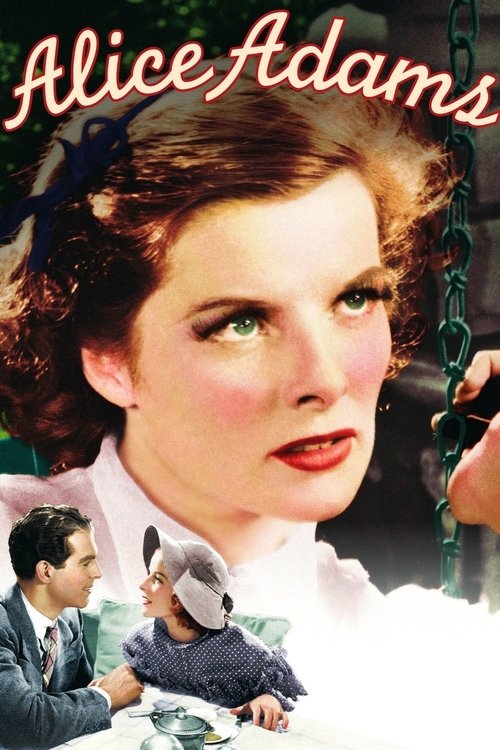
Alice Adams1935
Hepburn again, this time as a social-climbing girl desperate to impress. The desperation cuts differently here—sadder, more grounded—but the same unwavering self-belief. She'll break your heart doing it.
But It's slower and heavier than Morning Glory. If you came for the effervescence, this one sits in melancholy instead.
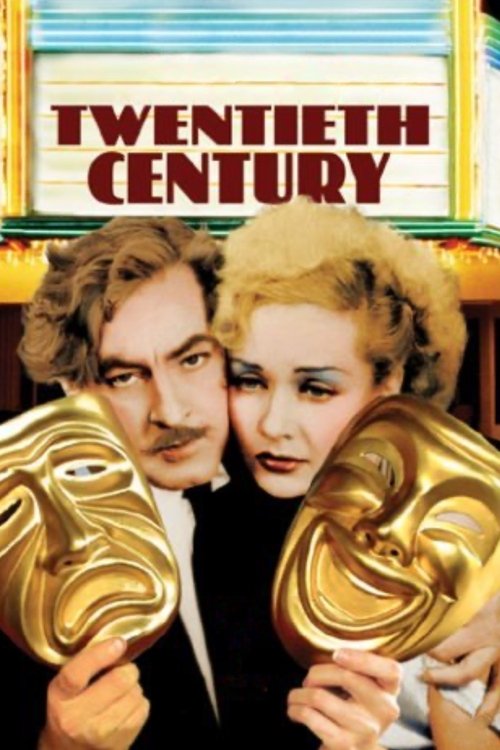
Twentieth Century1934
John Barrymore and Carole Lombard on a train, theatrical, exuberant, completely unhinged. The same energy as Morning Glory—people talking a mile a minute, theater people behaving like theater people, high stakes that are somehow also ridiculous.
But The screwball dialogue moves at a near-incomprehensible pace. You have to lean in or you'll lose whole conversations.
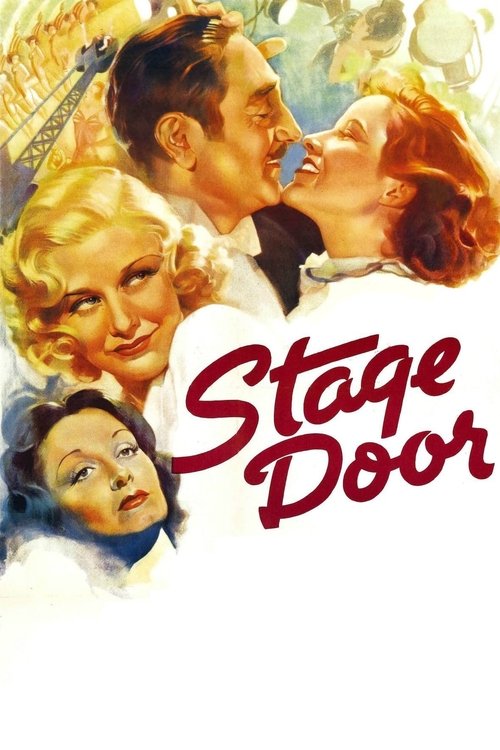
Stage Door1937
Hepburn alongside Ginger Rogers and Jean Arthur, all of them ambitious actresses in a boarding house, all fighting for the same roles. It's got the Broadway world, the same young-woman-proving-herself energy, and a much sharper edge.
But It's cynical where Morning Glory was hopeful. The world it shows you is tougher and meaner.
Not sure tonight? Get a pick in a minute, starting from Morning Glory
The wildcard
Something you would not have found on your own.
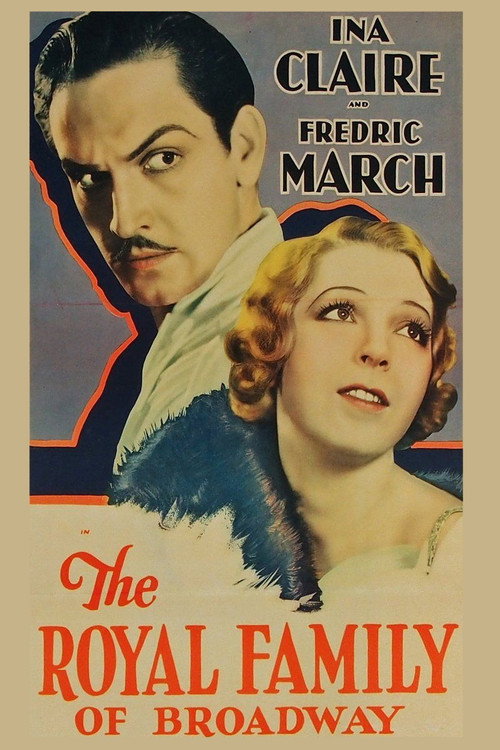
The Royal Family of Broadway1930
Both understand that theater people are a different species, living by performance and ambition. Both celebrate that strangeness rather than judge it.
A early-talkie comedy about a theatrical dynasty—acting, backstage drama, the whole circus. It's crackling with energy, loud and unhinged, the kind of film that proved talking pictures could be as theatrical and fast as the stage itself.
But It's ear-assault dialogue—everyone talking over everyone. The sound recording is primitive and the mix is chaos. You'll be reaching for subtitles.
More like this (7)
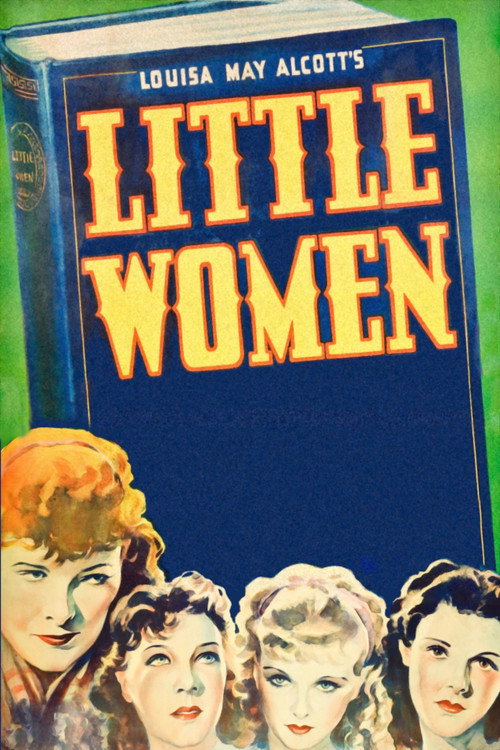
Little Women1933
Hepburn with Frances Dee, Jean Parker, and Joan Bennett. Similar era, similar ambition and determination, but set in a family drama instead of the theater. Still captures that indomitable spirit.
But It's sentimental in a way that won't appeal if you're allergic to 1930s period earnestness.
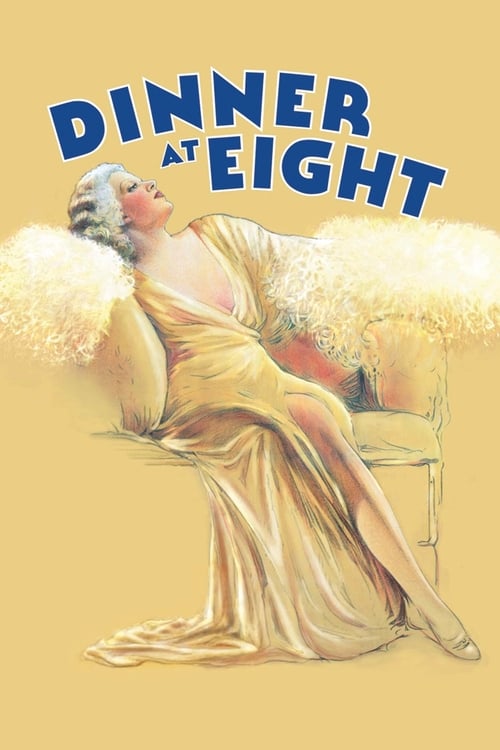
Dinner at Eight1933
An ensemble of stars—John Barrymore, Marie Dressler, Wallace Beery—on one electric evening. It's ensemble theater-of-life storytelling with real stakes and genuine wit. The same year as Morning Glory, same studio polish.
But There's no single character to follow. It's a patchwork. If you need a protagonist to attach to, this will feel scattered.
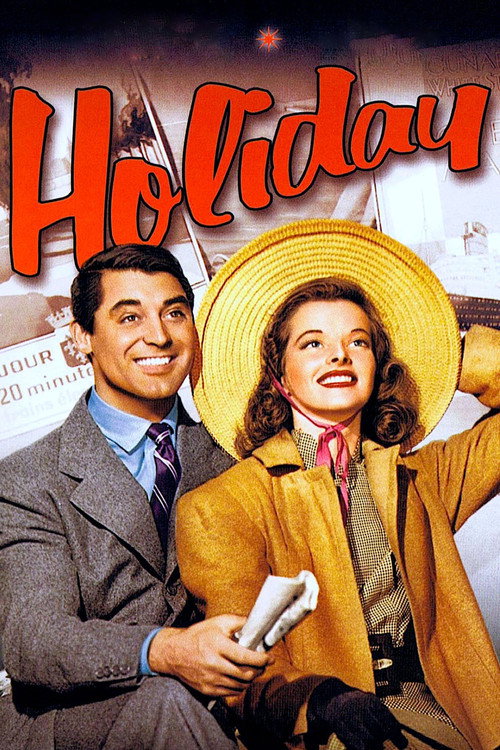
Holiday1938
Hepburn and Cary Grant, both rebels against expectation, both refusing to play the game society wants them to play. She's free and alive in this one; he matches her energy. Pure joy in watching two excellent people enjoying each other.
But It's more of a romantic-comedy blueprint than a character study. If you want depth over charm, look elsewhere.
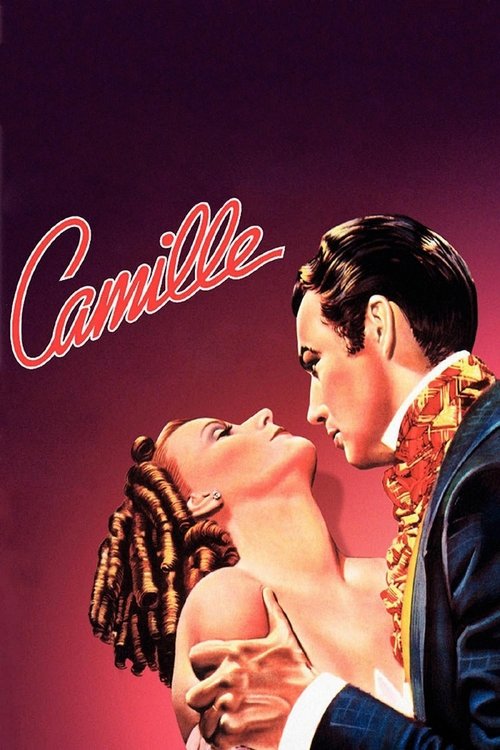
Camille1936
Greta Garbo and Robert Taylor in the classic courtesan tragedy. It has the same theatrical world, the same stakes, but turned entirely toward heartbreak. If Morning Glory showed you the bright side, this shows you what happens when brightness fades.
But It's genuinely tragic. The tone is completely different—heavy, fatalistic, designed to drain you.
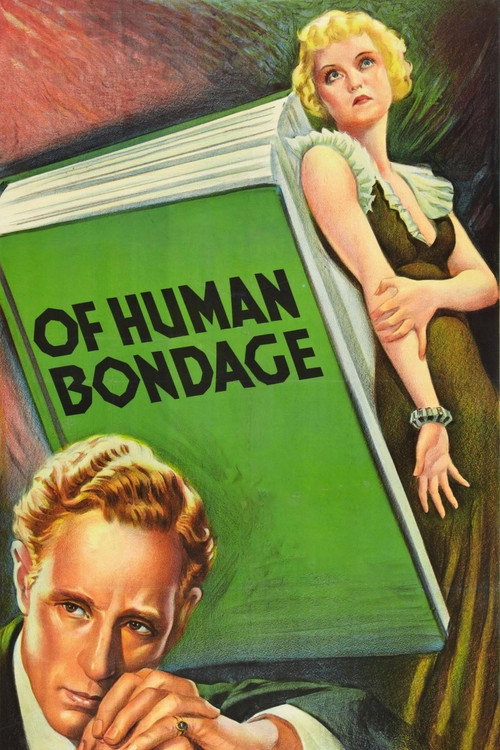
Of Human Bondage1934
Bette Davis as a waitress who destroys a man. Theatrical ambition again, but twisted—she's using her charm as a weapon. It's about what happens when someone's will to power meets someone else's weakness.
But It's darker and meaner than you might expect. Davis is brilliant and awful; there's no one to root for.
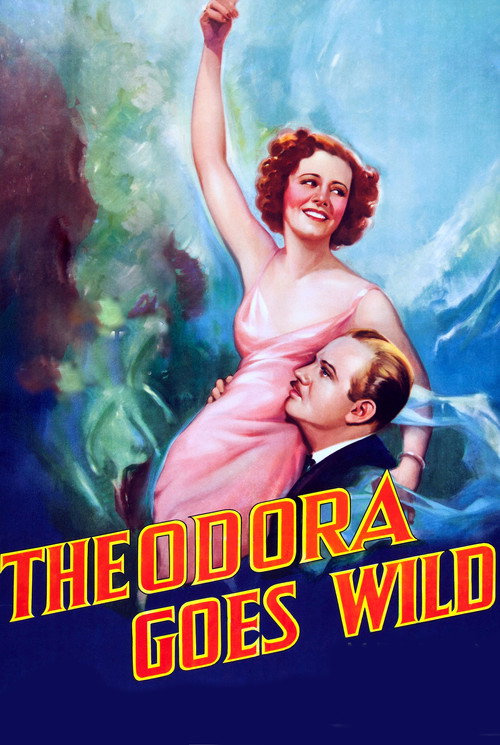
Theodora Goes Wild1936
Irene Dunne as a prim woman with a secret wild side. The same energy as Eva Lovelace—a woman living out loud, defying expectation, refusing to be tamed. It's got genuine laughs and genuine romance.
But The plot pivots toward conventional romance. If you want to watch a woman be independent, the ending might frustrate you.
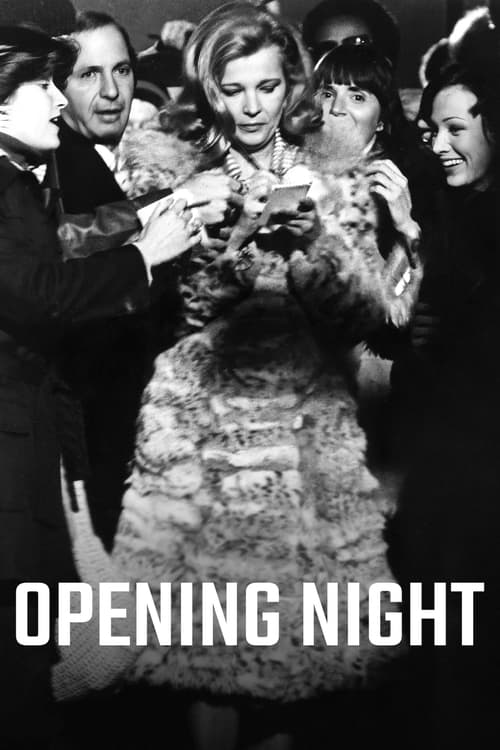
Opening Night1977
Both are about women and the theater, but separated by 44 years. One watches hope go in; the other watches what's left when hope burns out. A before-and-after about ambition and survival.
John Cassavetes directing Gena Rowlands as an aging actress preparing for a comeback. It's raw, improvised, desperate, and completely unhinged. Eva Lovelace's optimism at the start of her career meets the wreckage of a life spent in theater. Haunting.
But It's unstructured and experimental. If you want a plot, you won't find one. If you want conventional narrative, this will feel like it's falling apart.
People
Cast
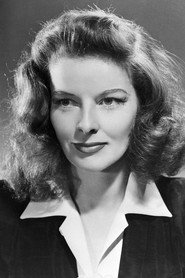 Katharine HepburnEva Lovelace
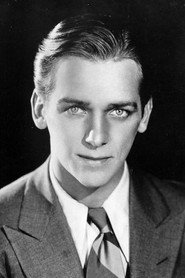 Douglas Fairbanks Jr.Joseph Sheridan
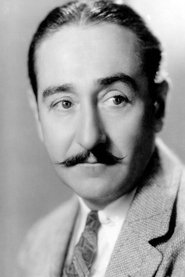 Adolphe MenjouLouis Easton
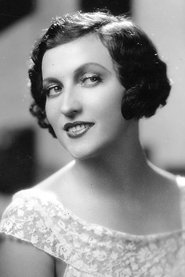 Mary DuncanRita Vernon
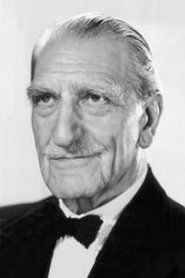 C. Aubrey SmithHedges
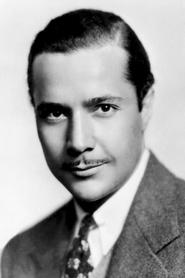 Don AlvaradoPepi
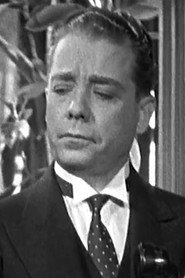 Fred SantleySeymour
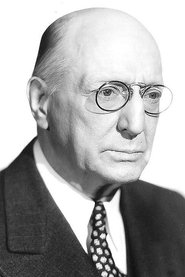 Richard CarleHenry Lawrence
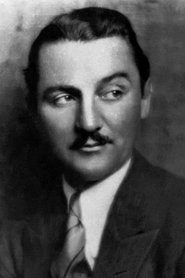 Tyler BrookeCharles Van Duesen
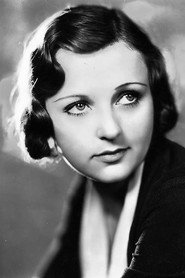 Geneva MitchellMiss Hall
- Helen WareMiss Navarre
 Robert AdairRoberts, the Butler (uncredited)
Directing
- Edward KillyAssistant Director
- F. Harmon WeightAssistant Director
- James HartnettAssistant Director
- Lowell ShermanDirector
Writing
- Howard J. GreenScreenplay
- Zoë AkinsTheatre Play
Production
- Merian C. CooperExecutive Producer
- Pandro S. BermanProducer
- C.J. WhiteProduction Manager
Recommended by
Stage Door, Bombshell, Torch Singer, Alice Adams, The Royal Family of Broadway, Walden, Red-Headed Woman, Dance, Fools, Dance, A Woman Rebels, Merrily We Go to Hell, Platinum Blonde, The Easiest Way, One in a Million, Female, Christopher Strong, Waterloo Bridge, The Greeks Had a Word for Them, Finishing School, The Little Minister, Hell Divers