
Film
The Easiest Way
A Depression-era melodrama about a young woman caught between financial survival and moral choice. When her newspaperman lover vanishes, she returns to a wealthy man's mistress arrangement—a decision that costs her everything when romance unexpectedly resurfaces. Constance Bennett commands the screen with raw vulnerability; the film doesn't judge her, which was radical for 1931.
If you liked this
Stella Dallas1937
Barbara Stanwyck's devastating performance as a working-class mother sacrificing everything for her daughter's prospects. A companion piece about women's impossible choices in an unforgiving economy, with genuine emotional weight and Stanwyck's fierce, unvarnished presence.
But The melodrama can feel overwrought to modern viewers, and the class anxiety at its core is relentless—there's no comfort here, only grit.

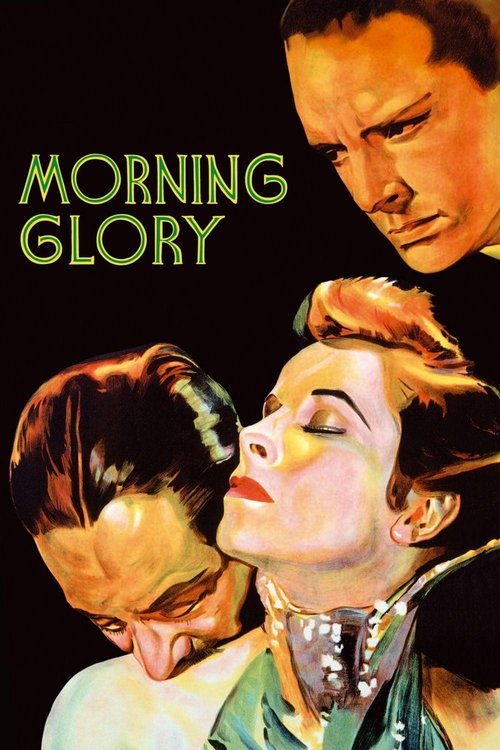
Morning Glory1933
Katharine Hepburn as an ambitious young actress navigating romance, ambition, and survival in Depression New York. Sharp, funny, and grounded in the same era, with Hepburn's wit sharpening what could be maudlin material.
But The theatrical world feels more rarefied than *The Easiest Way's* street-level struggle, and some of the romance feels lightweight by comparison.
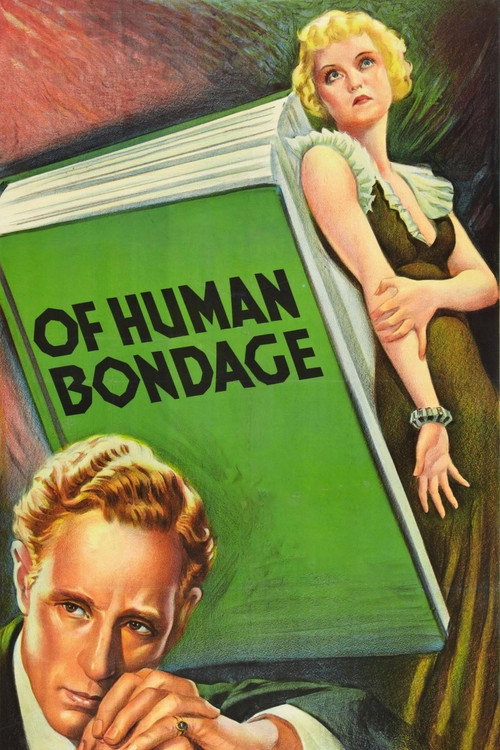
Of Human Bondage1934
Bette Davis as a waitress who destroys a young man through her manipulation and sexual allure. Raw and unsentimental about desire, class, and the cruelty people inflict when survival is at stake—morally complex in the way *The Easiest Way* is.
But It's bleak and mean-spirited; Davis's character is poisonous, and watching her work is painful rather than cathartic.
Not sure tonight? Get a pick in a minute, starting from The Easiest Way
The wildcard
Something you would not have found on your own.
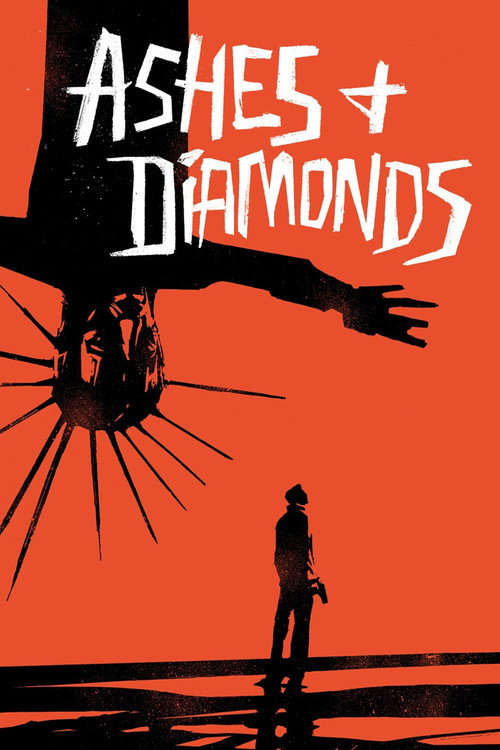
Ashes and Diamonds1958
Both films insist that moral compromise under duress is human, not shameful. Neither offers redemption; both offer understanding.
Andrzej Wajda's Polish masterpiece about a freedom fighter in postwar Warsaw who falls in love amid impossible moral choices. Like *The Easiest Way*, it's a film about what we do when history and circumstance force our hand, with the same refusal to sentimentalize survival.
But It's in Polish with subtitles, and the political context (Polish resistance) feels distant from Depression New York—the connection is philosophical rather than immediate.
More like this (8)
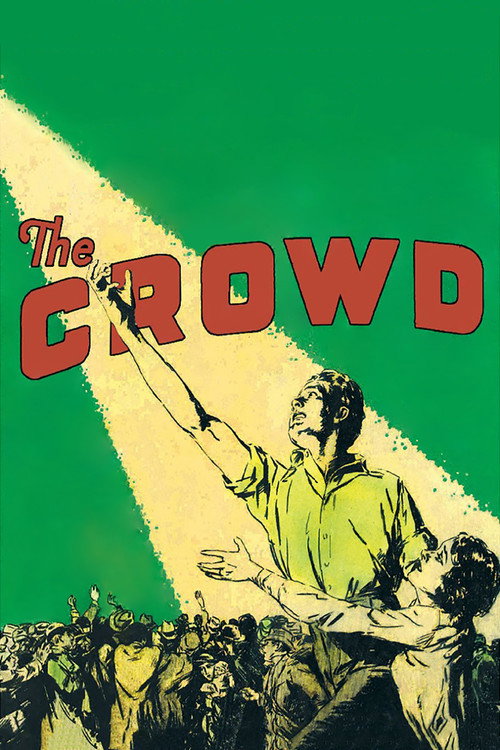
The Crowd1928
King Vidor's masterpiece about ordinary people trying to keep their heads above water in the modern city. Captures the same Depression anxiety and economic precarity, with visual poetry and crushing inevitability. Essential silent cinema.
But It's quieter and slower than *The Easiest Way*, and the bleakness is structural rather than dramatic—some will find it ponderous.
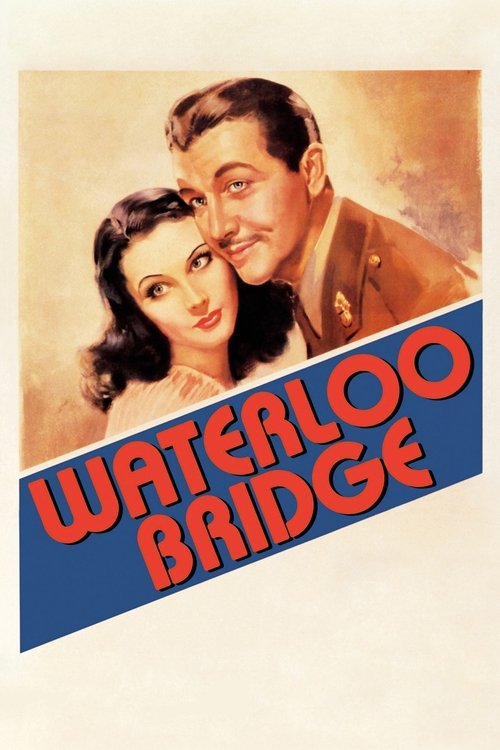
Waterloo Bridge1940
Vivien Leigh as a ballet dancer who becomes a prostitute during WWI to survive. The moral clarity of wartime reframes the same material—necessity, shame, love—with even starker tragedy and Leigh's luminous performance.
But It's melodramatic in ways that feel dated, and the ending offers a kind of narrative punishment that modern audiences may resent.
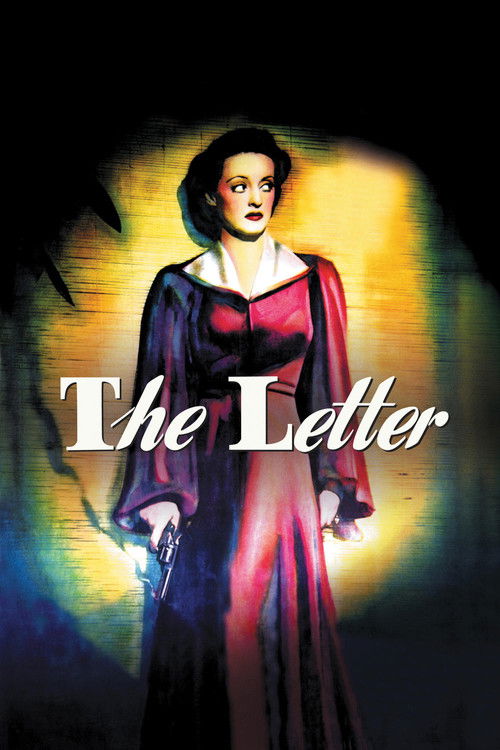
The Letter1940
Bette Davis in a fever dream of a thriller about a woman who shoots a man and then must lie to protect herself and her marriage. Morally corrosive and visually stunning, with Davis at her most dangerous and controlled.
But It's a genre pivot away from *The Easiest Way's* economic realism into something more deliberately theatrical and noir-inflected.
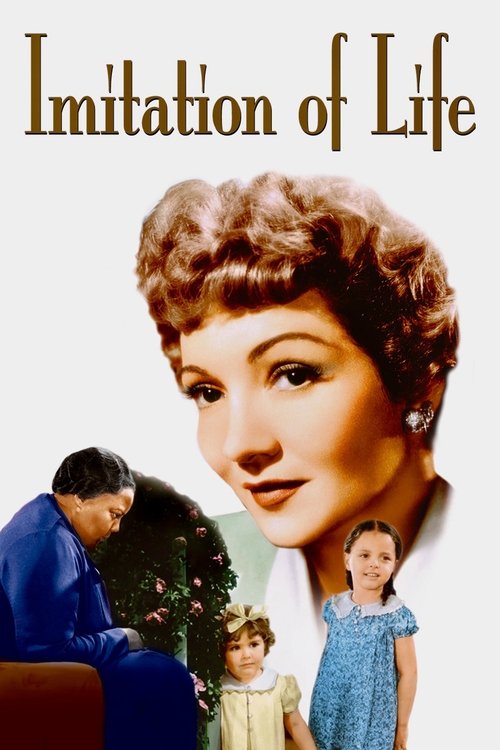
Imitation of Life1934
Claudette Colbert and Warren William as a widow building a business empire while her daughter chafes at the cost. Focuses on ambition and sacrifice with some of the same class consciousness, and genuinely moving about what we owe to those we love.
But The tone is more uplifting than *The Easiest Way*, which some will appreciate and others will find false.
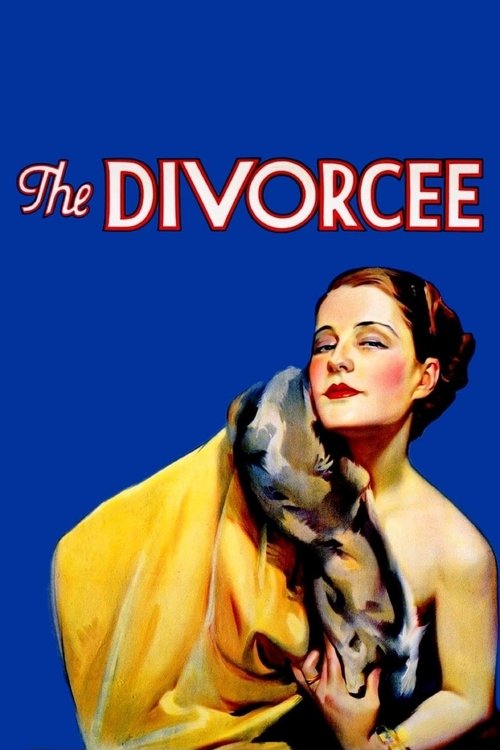
The Divorcee1930
Norma Shearer as a woman who refuses to be shamed after her husband's infidelity and claims sexual and social freedom. A bracing early sound film about female agency that precedes *The Easiest Way* and shares its moral ambiguity.
But The dialogue can feel stiff, and the film's sympathy for its heroine was controversial enough to age in unexpected ways.
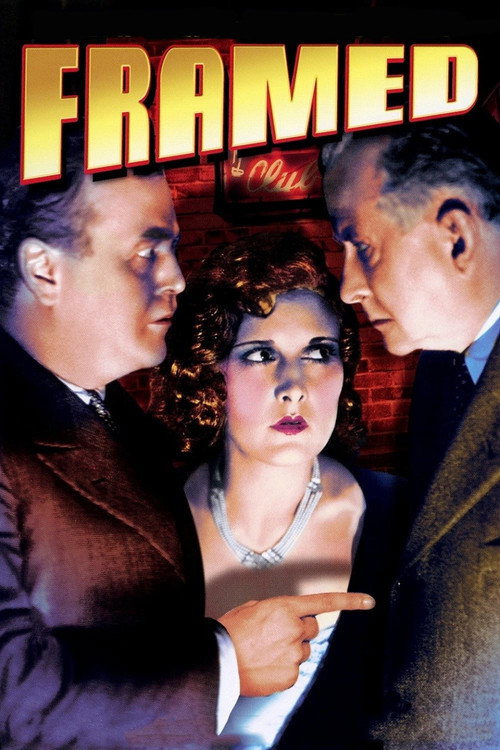
Framed1930
Karl Dane and J. Farrell MacDonald (who plays Laura's father in *The Easiest Way*) in a comedy about a small-town girl and con artists. Lighter territory, but captures the same era's street-smart sensibility and economic desperation.
But It's primarily a comedy, which means it doesn't earn the emotional gravity *The Easiest Way* achieves, and it's much less focused.
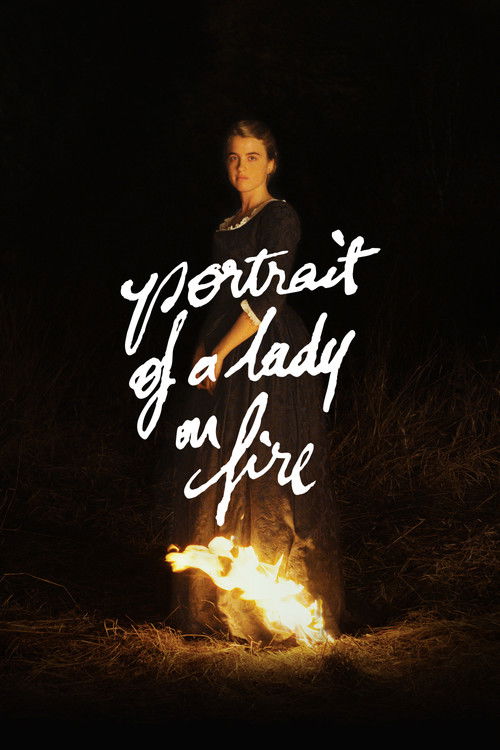
Portrait of a Lady on Fire2019
The core is identical: two women, economic or social powerlessness, a love that costs more than either can afford. The difference in era and setting is the point.
Céline Sciamma's ravishing film about a painter and her aristocratic subject who fall in love across class and obligation. Uses the visual language of great portraiture to ask the same question *The Easiest Way* does: what do we owe ourselves versus what we owe survival?
But It's a queer love story set in 18th-century France, which is tonally and stylistically worlds away from 1931 New York melodrama. Also very slow and painterly.
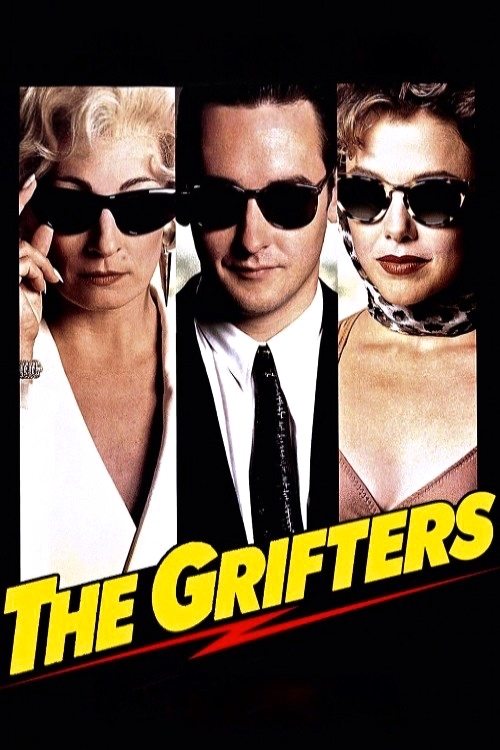
The Grifters1990
Both are about people making hard economic choices that erode them. *The Easiest Way* offers moral anguish as a sign of humanity; *The Grifters* suggests that anguish is a luxury the broke can't afford.
Stephen Frears' adaptation of Jim Thompson's noir about con artists and survival in Depression America. John Cusack, Anjelica Huston, and Annette Bening in a film that treats moral drift not as tragedy but as profession. Unsentimental about how people live.
But It's much darker and more cynical than *The Easiest Way*—nobody here is conflicted about their choices, and there's no love to redeem the grift. It's also very 1990s in tone.
People
Cast
 Constance BennettLaura Murdock
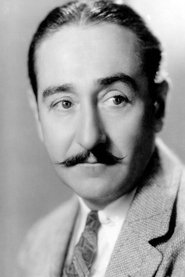 Adolphe MenjouWilliam Brockton
 Robert MontgomeryJack Madison
 Anita PagePeg Murdock
 Marjorie RambeauElfie St. Clair
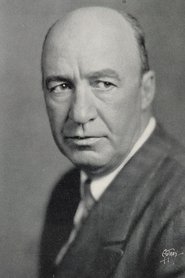 J. Farrell MacDonaldBen Murdock
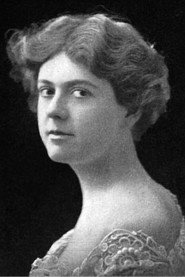 Clara BlandickAgnes Murdock
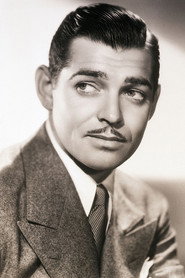 Clark GableNickolas (Nick) Feliki
 John HarronChris Swoboda - Laura's Suitor (uncredited)
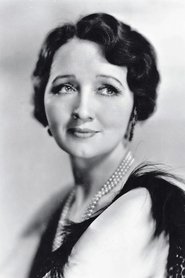 Hedda HopperMrs. Clara Williams (uncredited)
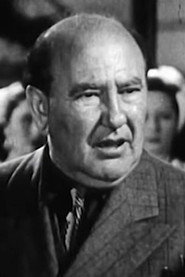 Charles JudelsMr. Gensler (uncredited)
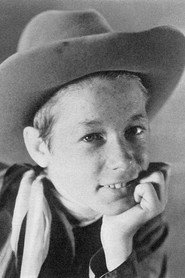 Andy ShufordBobby Murdock (uncredited)
Directing
- Al ShenbergAssistant Director
- Robert A. GoldenAssistant Director
- Jack ConwayDirector
Writing
- Eugene WalterTheatre Play
- Edith EllisWriter
Production
- Hunt StrombergProducer
Recommended by
Sinners in the Sun, Merrily We Go to Hell, Faithless, A Free Soul, Possessed