
Film
Possessed
Other titles called Possessed: the 1947 film, the 2009 film, the 2015 film.
A 1931 drama following a factory worker who climbs into the arms and apartments of a wealthy lawyer, gambling everything on the hope he'll marry her. Joan Crawford tears through the role with raw intensity—this is pre-Code Hollywood at its most frank about desire, ambition, and the transactional nature of romance. For anyone curious about how boldly sexual cinema was before the censors tightened their grip.
If you liked this
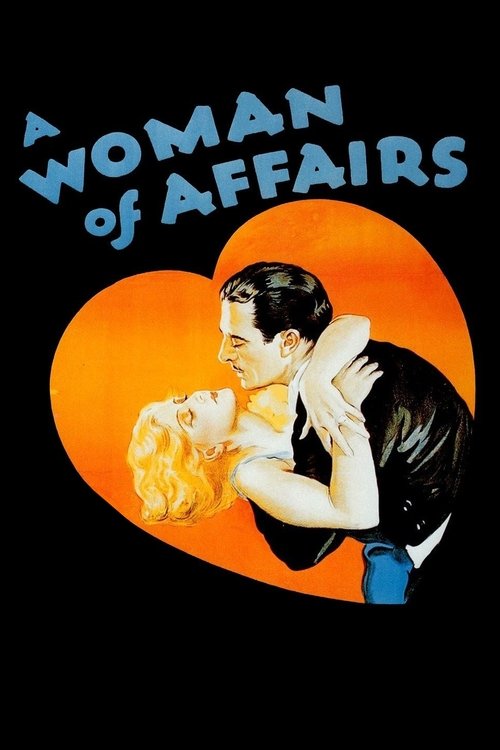
A Woman of Affairs1928
Greta Garbo in a similarly morally complicated role, playing a woman destroyed by scandal and the men around her. Silent film at its most emotionally direct and genuinely tragic.
But Silent cinema moves differently than you expect; it requires patience and a willingness to read intertitles rather than hear dialogue.
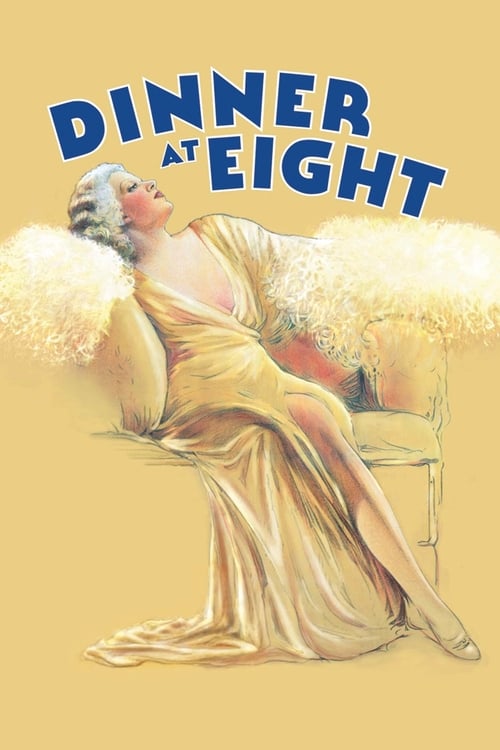
Dinner at Eight1933
Jean Harlow, Marie Dressler, and an ensemble cast in a brilliantly sharp pre-Code comedy about status, sex, and the performances we all give. Faster and funnier than Possessed, but the same era's DNA.
But The pacing can feel scattered—multiple storylines compete for attention and some resolve more neatly than others.
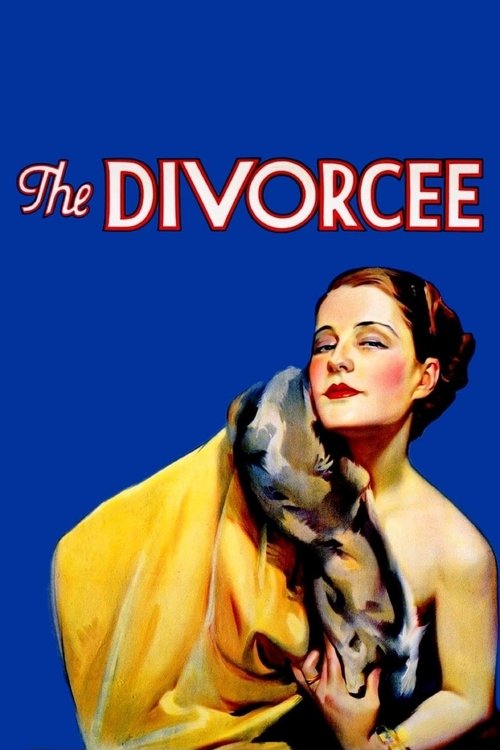
The Divorcee1930
Norma Shearer claims sexual agency and refuses to apologize for it, in a film that scandalized audiences. Direct precursor to Possessed's themes about women choosing their own fates.
But The ending compromises its own premise in ways that will frustrate you; the studio couldn't quite let her keep winning.
Not sure tonight? Get a pick in a minute, starting from Possessed
The wildcard
Something you would not have found on your own.
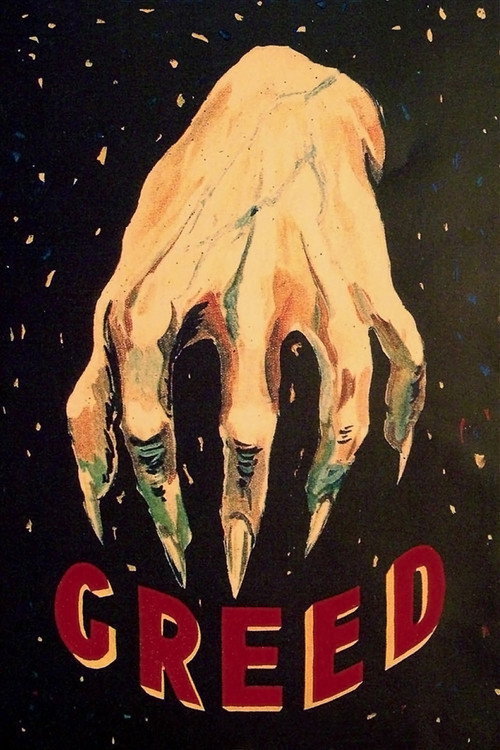
Greed1924
Both films argue that marriage as a commodity—rather than a partnership—is a form of poisoning. Greed simply goes deeper into the rot.
Erich von Stroheim's silent masterpiece about ambition and marriage as economic transaction, told with brutal psychological clarity. The same core story—a woman marries for money, everything corrodes—but rendered as genuine tragedy rather than melodrama.
But It's 2.5 hours, deliberately paced, and absolutely unrelenting; Stroheim offers no comfort or resolution, only consequence.
More like this (8)
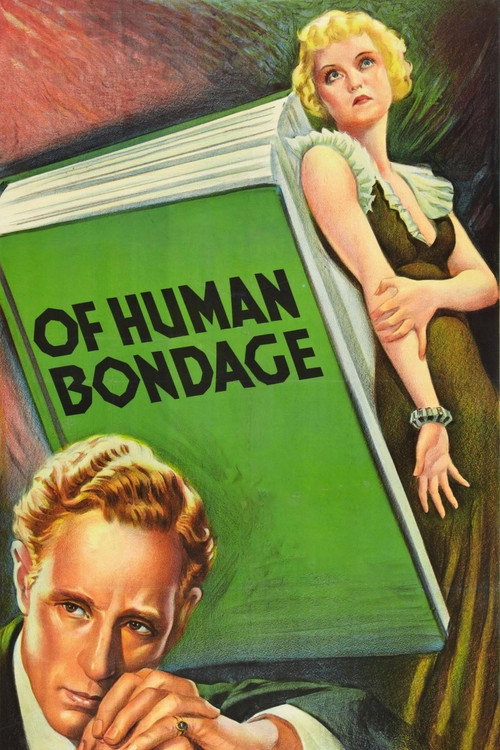
Of Human Bondage1934
Bette Davis as a woman who manipulates men for survival—toxic, magnetic, and totally unsentimental. Different gender dynamic but the same ruthless clarity about desire and power.
But It's deeply unpleasant to watch at times, and your sympathies never fully settle where you expect them to.
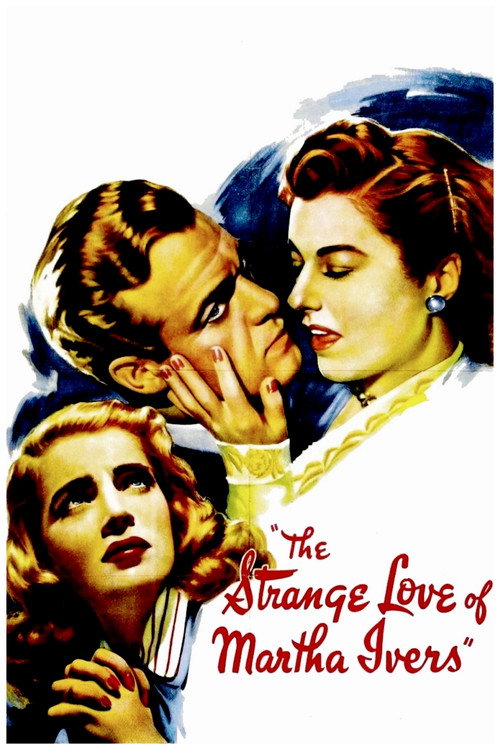
The Strange Love of Martha Ivers1946
Barbara Stanwyck as a woman whose ambitions and secrets define everyone around her. A later film but the same exploration of how hunger for security and status can poison a life.
But It's a noir, so it trades pre-Code frankness for shadow and implication—less direct about what it's showing you.
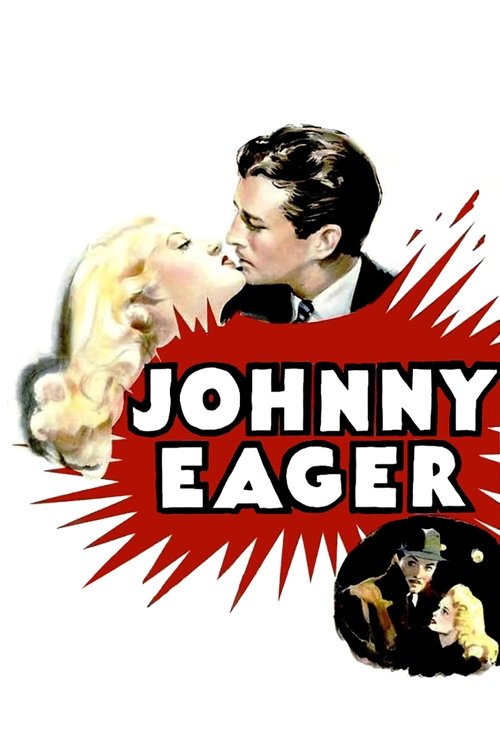
Johnny Eager1941
Robert Taylor and Lana Turner in a cynical drama about a woman gambling on a criminal's reformation. The moral stakes are high and nobody wins cleanly.
But Turner's performance is uneven, and the film sometimes doesn't seem to know whether it's sympathetic to her or condemning her.
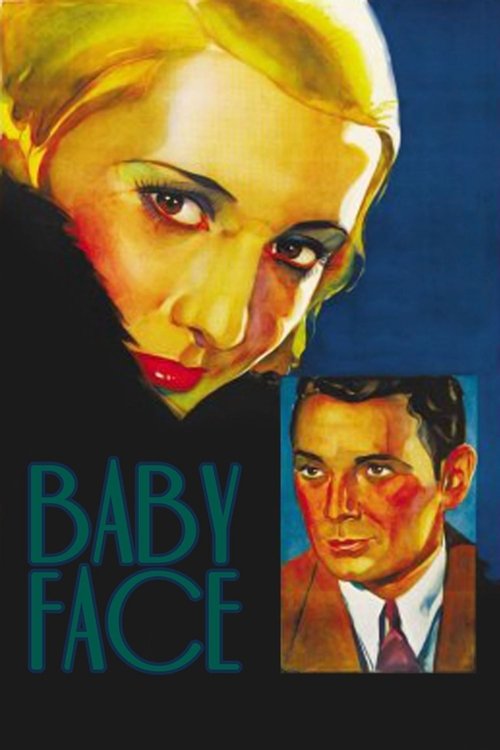
Baby Face1933
Barbara Stanwyck in perhaps pre-Code's most shameless film about a woman using seduction as a ladder. Gleeful and unrepentant in ways even Possessed isn't quite.
But The opening is deeply uncomfortable—it establishes her character through scenes involving exploitation and abuse that some viewers will find hard to move past.
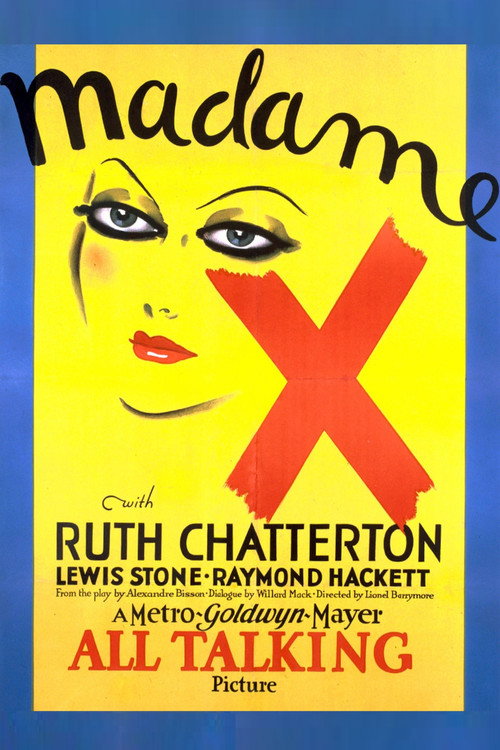
Madame X1929
Ruth Chatterton as a woman defined by a single transgression that destroys her entire life. The same era's fatalism about women's sexual choices, played with real grandeur.
But It's heavy and bleak; there's no momentum or humor to cut the tragedy, and it ends where it must.
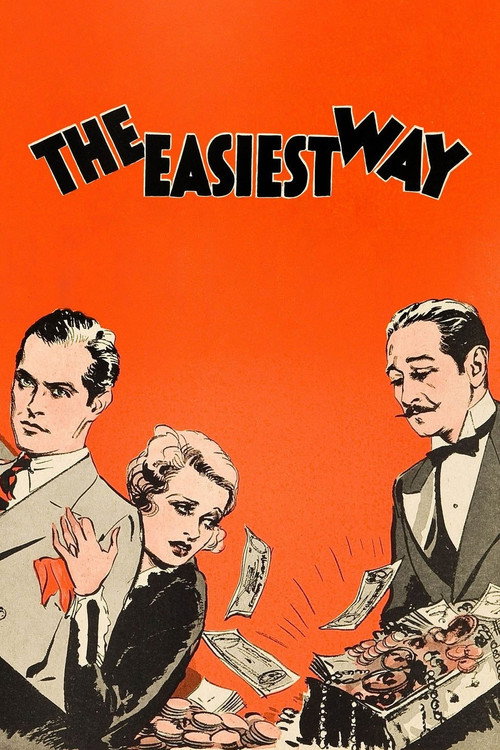
The Easiest Way1931
Constance Bennett as a woman who abandons respectability for survival, then can't claw her way back. Made the same year as Possessed and obsessed with identical moral questions.
But It's talky in ways that feel stagy, and the supporting cast can't quite match the lead's intensity.
The Killers1946
Like Possessed, it understands that the woman isn't the villain—she's a mirror. Both films see through the moral panic to the actual human story.
Based on Hemingway's short story, this film traces a doomed man's attraction to a femme fatale and discovers the real killer is disappointment. It's noir as character study—less interested in plot than in how desire blinds us.
But It's fragmented and demanding; the narrative circles backward and the tone shifts between scenes. Not a comfortable watch.

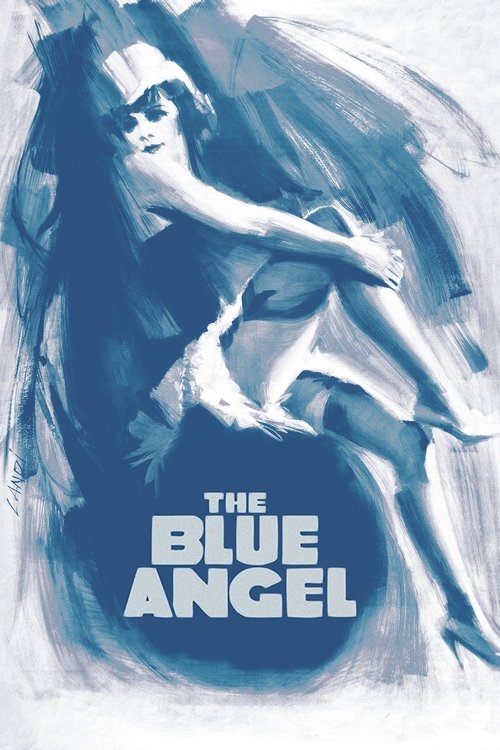
The Blue Angel1930
Both are pre-Code films about the moral vertigo of class transgression through romance—but this one never lets the audience off the hook about who deserves our sympathy.
Marlene Dietrich in von Sternberg's masterpiece, a German film about a respectable man destroyed by desire for a nightclub performer. It's the same theme from the man's perspective, and infinitely more tragic.
But It's in German with subtitles, and it moves slowly; the emotional devastation is the entire point, which means there's no relief.
People
Cast
 Joan CrawfordMarian Martin aka 'Mrs. Moreland'
 Clark GableMark Whitney
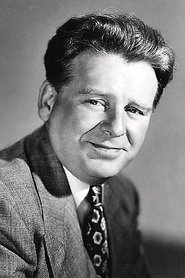 Wallace FordAl Manning
 Richard 'Skeets' GallagherWally Stuart
 Frank ConroyHorace Travers
 Marjorie WhiteVernice LaVerne
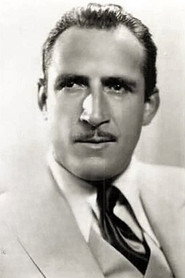 John MiljanJohn Driscoll
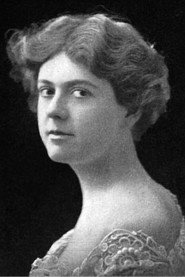 Clara BlandickMrs. Martin
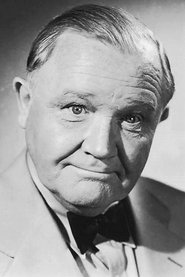 Wade Boteler'Answer That One' Heckler (uncredited)
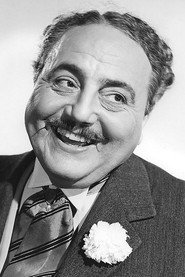 Gino CorradoSignor Martini - Party Guest (uncredited)
 Bess FlowersParty Guest (uncredited)
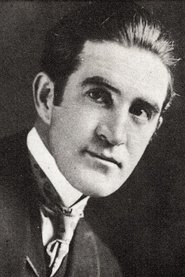 Francis FordDrunken Husband (uncredited)
Directing
- Charles DorianAssistant Director
- Clarence BrownDirector
Writing
- Lenore J. CoffeeScreenplay
- Edgar SelwynTheatre Play
Production
- Clarence BrownProducer
- Harry RapfProducer
- Irving ThalbergProducer