
Film
The Divorcee
A 1930 drama about a woman who discovers her husband's infidelity and seeks revenge by taking a lover herself. Norma Shearer's Oscar-winning performance anchors a film that treats female desire and agency with remarkable frankness for its era. It's a conversation starter about double standards, forgiveness, and who gets to define morality in marriage.
Should you watch it?
Watch it if you enjoy early talkies where sharp, unsentimental dialogue examines marriage and double standards, and you're curious how Hollywood handled adultery before the censors tightened up.
Skip it if you need fluid camerawork and fast editing, since its stiff, stage-bound early-sound staging moves slowly and talks a lot.
What it asks of you: Settle in for a brisk 83 minutes of talk-heavy scenes, and give the dialogue your full attention, since the drama lives in what people say rather than in spectacle.
Not sure? Find tonight's pick in a minute.
If you liked this
Breakfast at Tiffany's1961
Audrey Hepburn as a woman writing her own rules in New York City, charming and complicated and utterly free. It has the same DNA—a female protagonist whose independence matters more than moral judgment.
But The representation of Asian characters is cringe-inducing, and Holly Golightly can feel thin if you're not in the mood for her brand of stylish evasiveness.

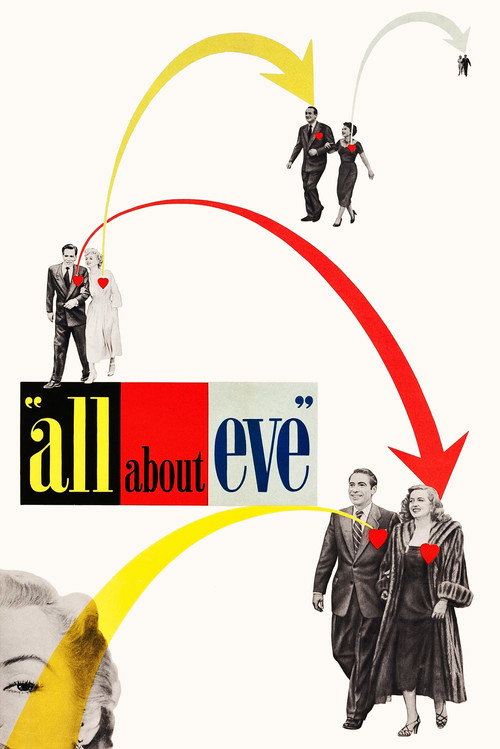
All About Eve1950
Bette Davis, ambition, and ruthless wit. A woman pursuing power and connection without apology, and a film that never flinches from the damage desire can do. Brilliant and mean.
But Dated gender politics occasionally jar, and the ending might feel like a compromise if you're rooting for moral complexity over closure.
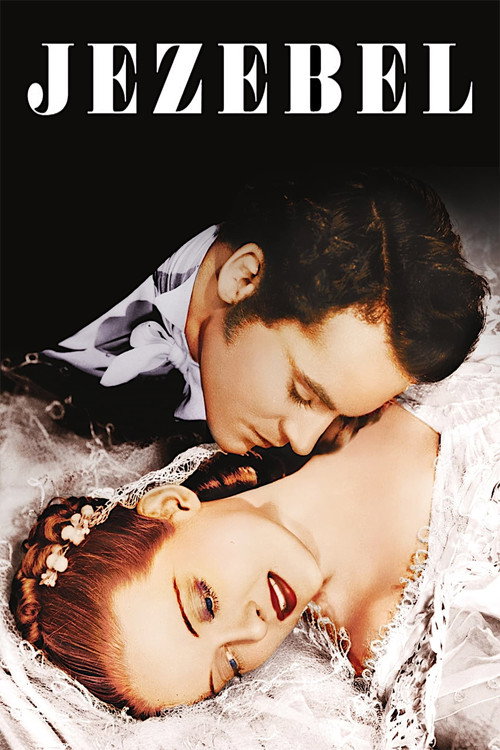
Jezebel1938
Bette Davis again, pre-Civil War, playing a woman whose willful independence becomes the film's moral centre. A fascinatingly complicated meditation on a woman's right to be selfish.
But The Southern Gothic atmosphere is slow-building, and the treatment of race and slavery is product of its time and uncomfortable.
Not sure tonight? Get a pick in a minute, starting from The Divorcee
The wildcard
Something you would not have found on your own.
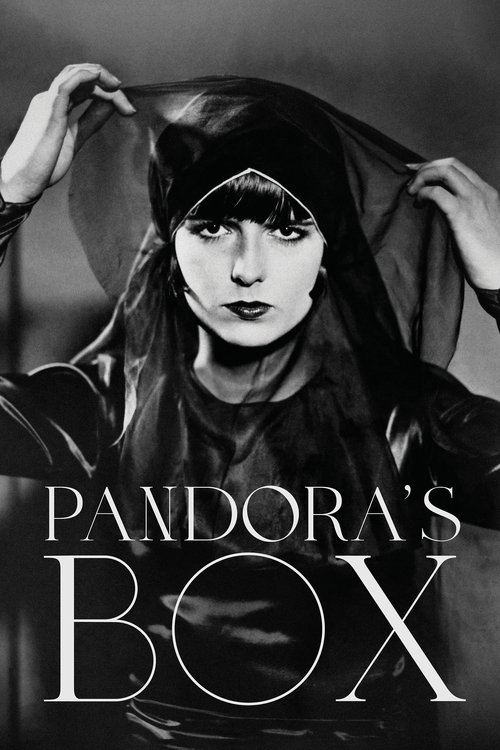
Pandora's Box1929
Both films arrived in the same moment of cinema history when female agency became representable on screen. *Pandora's Box* sees it as tragedy; *The Divorcee* sees it as justice. They're mirror images.
Louise Brooks in the Weimar masterpiece, a woman whose appetites destroy everyone around her, including herself. Pre-Code German cinema about female sexuality as a force of nature, beautiful and pitiless. It's the film *The Divorcee* was arguing with.
But It's a silent film from 1929 that treats women's desire as inherently tragic and destructive. The fatalism can feel bleak, and it requires real attention to the visual storytelling.
More like this (8)
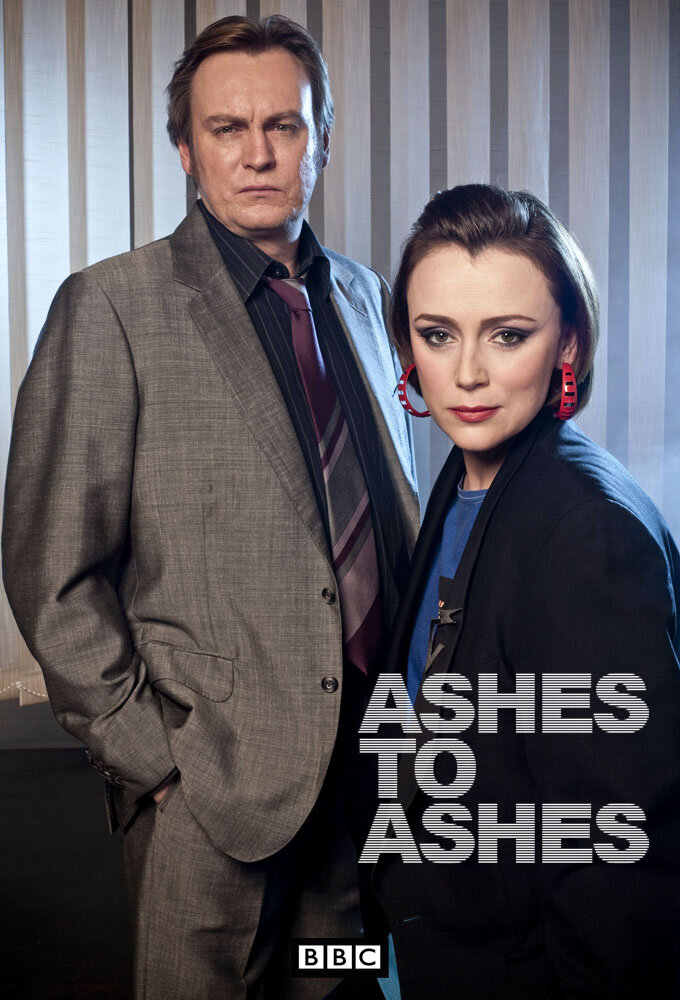
Ashes to Ashes2008
A woman detective hardens herself against emotion and softness to survive. The show is about reclaiming humanity from a world that demands you be ruthless. Sharp, dark, deeply felt.
But It's relentlessly grim and the central relationship is emotionally punishing. Not for watching when you need comfort.
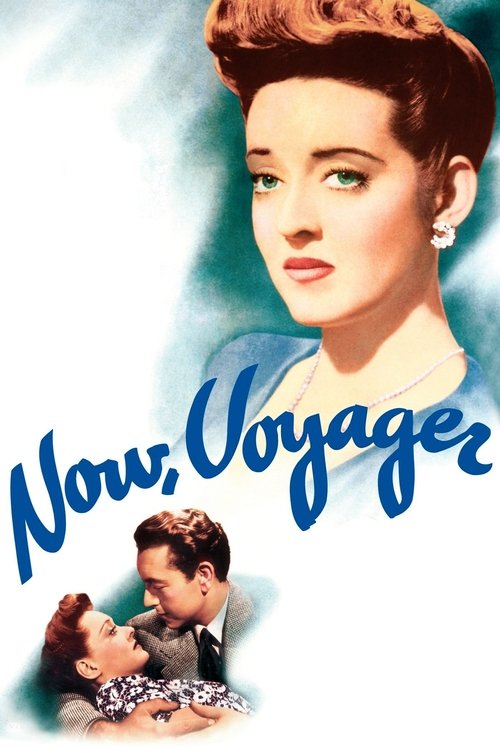
Now, Voyager1942
Bette Davis transforms from grey spinster to radiant woman through romance and self-discovery. A film about female appetite and the courage it takes to want something for yourself.
But The class anxiety and the mother-figure dynamics will feel dated. The ending is more compromise than triumph.
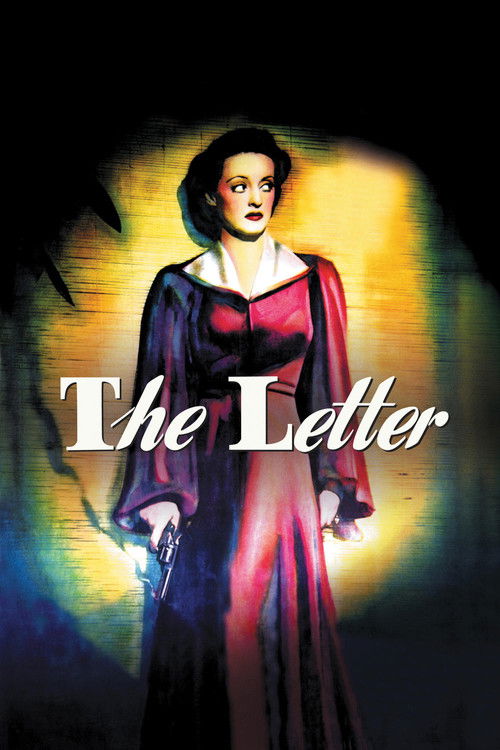
The Letter1940
Bette Davis in a tropical melodrama, a woman who kills her lover and must live with it. Gorgeous, tense, and merciless about the cost of female transgression.
But The pacing is theatrical and slow by modern standards. The racial politics of colonial Malaya are ugly and unremarked.
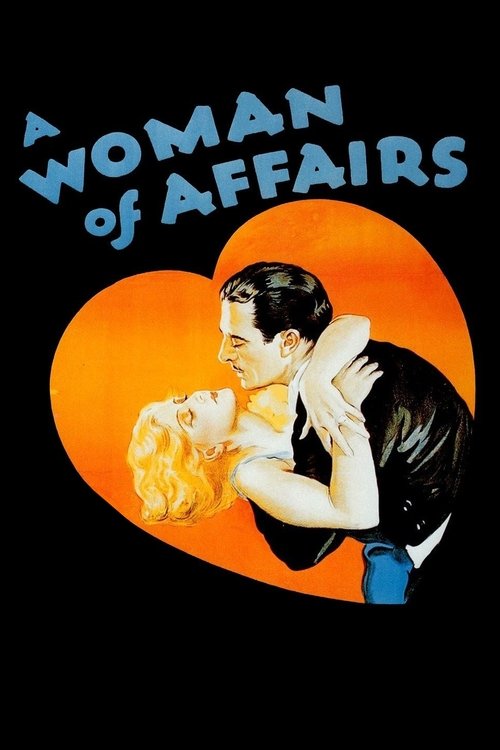
A Woman of Affairs1928
Greta Garbo as a woman of complicated morals and genuine passion, treated with dignity by a film that trusts the audience to see beyond scandal. Silent cinema at its most eloquent.
But Without sound, it demands patience and attention. The intertitles can feel clunky, and the plot requires some generosity of interpretation.
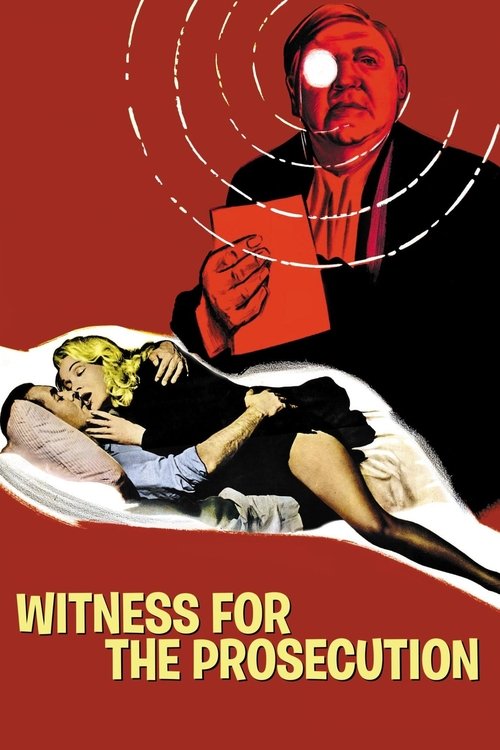
Witness for the Prosecution1957
Billy Wilder's courtroom thriller about a woman whose loyalty and honesty are weaponized against the man she loves. A woman's agency becomes the plot's fulcrum in surprising ways.
But It's a puzzle box above all else, which means the characters exist to serve twists rather than to breathe as people.
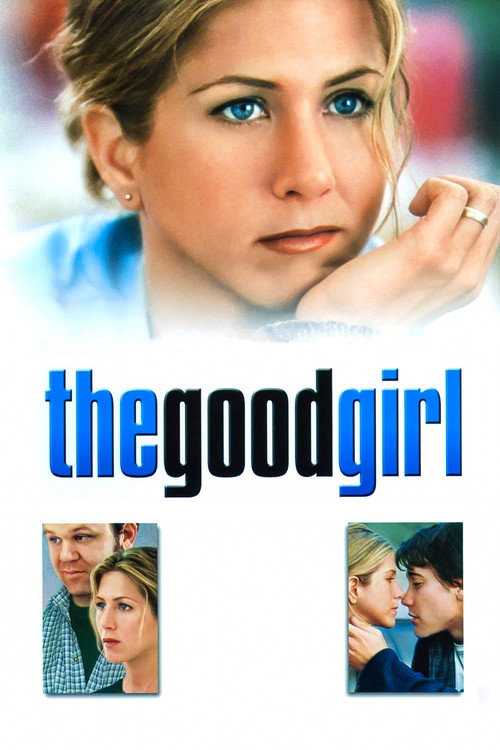
The Good Girl2002
Jennifer Aniston as a woman in a dead-end life who takes a lover and starts a slow-motion personal catastrophe. Darkly funny about small-town morality and the gap between who you are and who you pretend to be.
But It's cynical about American life in a way that can feel exhausting, and the indie sensibility doesn't quite stick the landing.
In a Lonely Place1950
Both films pivot on the question of whether you can forgive infidelity—but *In a Lonely Place* flips it, asking what happens when you can't. Where *The Divorcee* finds liberation in reciprocal betrayal, this finds only damage.
Humphrey Bogart and Gloria Grahame in a noir about accusation, moral ambiguity, and whether love survives when trust dies. A film that treats infidelity and suspicion as spiritual violence, not plot mechanics.
But It's claustrophobic and pessimistic. The ending offers no redemption, and Grahame's character's arc will frustrate anyone hoping for agency to equal happiness.

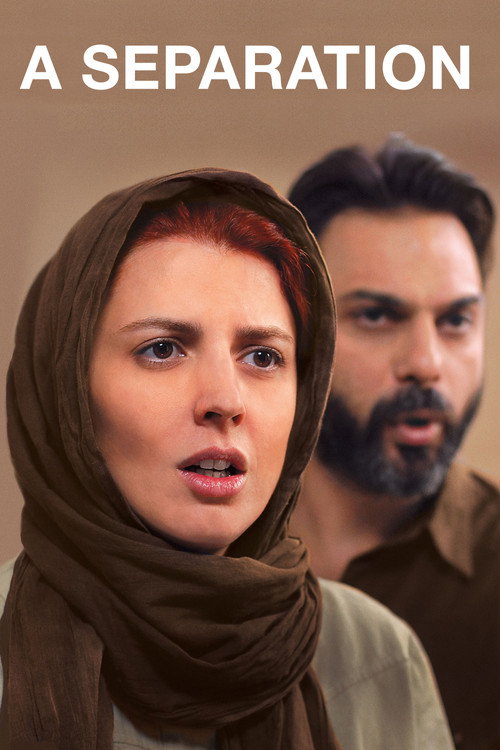
A Separation2011
Both films use infidelity and betrayal as the entry point to something larger—questions about justice, duty, and whether morality is individual or collective. *The Divorcee* asks who gets to judge; *A Separation* shows you the courtroom where that judgment happens.
An Iranian film about a marriage dissolution that becomes a legal and moral labyrinth. Precise, devastating, about how two people can be completely right and completely wrong simultaneously. Cinema as clarity.
But It's slow and procedural in a way that privileges emotional restraint over dramatic catharsis. The ambiguity will infuriate anyone wanting clear heroes and villains.
People
Cast
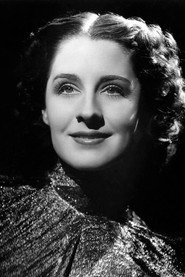 Norma ShearerJerry
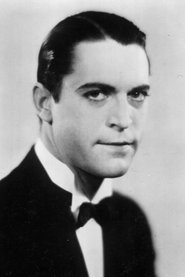
 Conrad NagelPaul

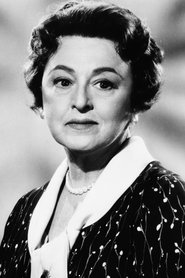 Florence EldridgeHelen
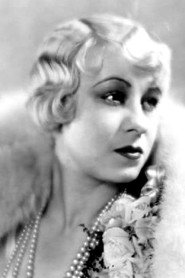 Helene MillardMary
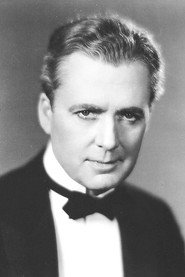 Robert ElliottBill
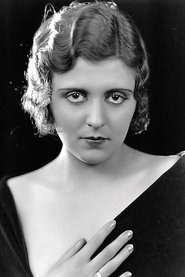 Mary DoranJanice
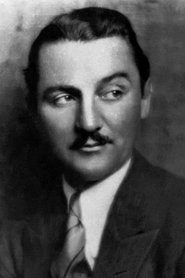 Tyler BrookeHank
- Zelda SearsHannah
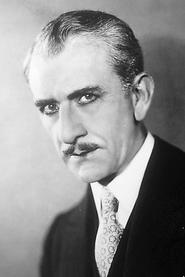 George IrvingDr. Bernard
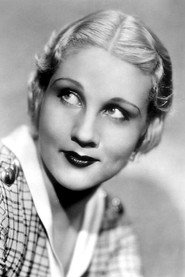 Judith WoodDorothy
Directing
- Robert Z. LeonardDirector
- John MeehanScript Supervisor
Writing
- John MeehanDialogue
- Ursula ParrottNovel
- Nick GrindéScreenplay
- Zelda SearsScreenplay
Production
- Robert Z. LeonardProducer
Recommended by
The Women, Baby Face, My Favorite Wife, Red-Headed Woman, Girls About Town, Sinners in the Sun, Faithless, The Common Law, The Easiest Way, A Free Soul, Possessed, Illicit, Hold Your Man, The Greeks Had a Word for Them