
Film
The Greeks Had a Word for Them
A 1932 comedy about three con-women sharing a penthouse, living lavishly off wealthy men while scheming against each other. It's witty, fast-paced, and fizzy—a pre-Code romp where women are sexual agents plotting their own fortunes. For anyone who loves early Hollywood sass and doesn't mind creaky timing.
If you liked this
Gentlemen Prefer Blondes1953
Marilyn Monroe and Jane Russell as women weaponizing charm and sexuality for power. Similar energy: women orchestrating their own advantage, comedy built on sexual confidence, and musical numbers that puncture the scheming.
But The 1950s setting softens the pre-Code edge; it's glossier and more sentimental than the 1932 original's sharper cynicism.
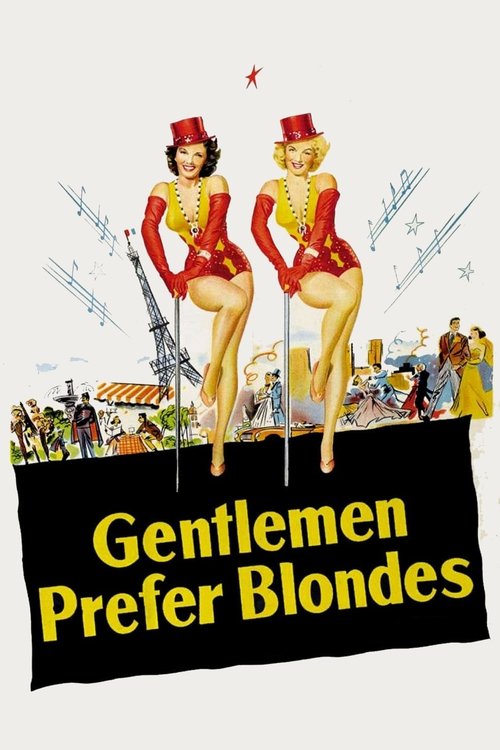
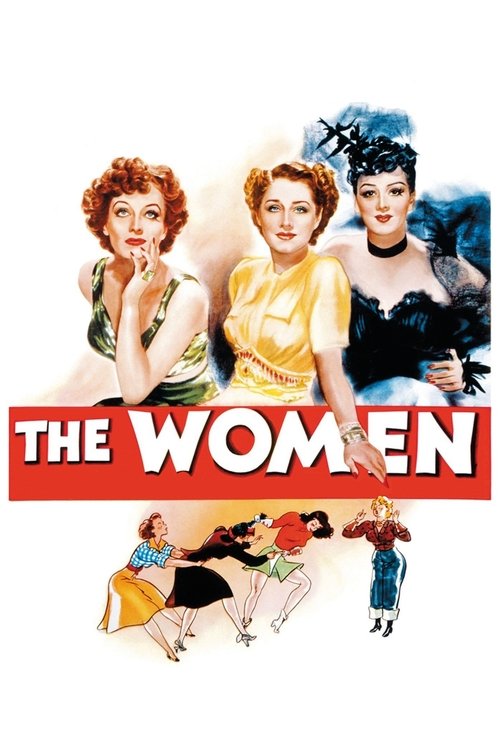
The Women1939
An all-female ensemble navigating romance, rivalry, and reinvention. Faster pacing, sharper dialogue, and that same Pre-Code willingness to let women be vain, competitive, and utterly self-interested without apology.
But Longer and more melodramatic; the catfighting is meaner and the ending less ambiguous than the speedy charm of *Greeks*.
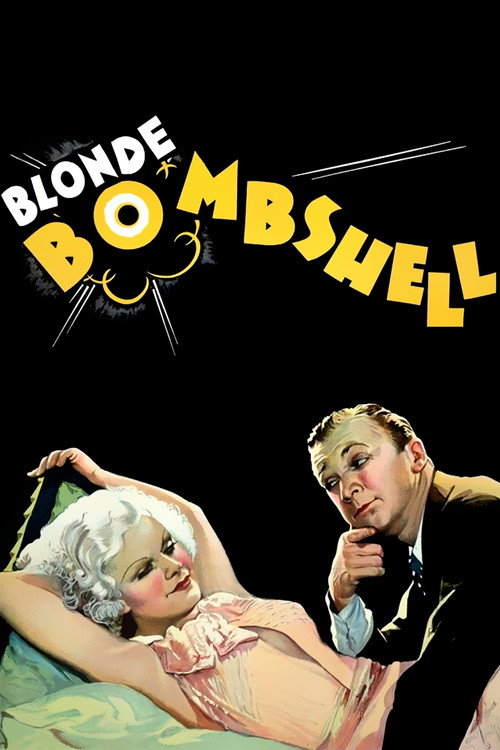
Bombshell1933
Jean Harlow as a star navigating studio politics, hangers-on, and fortune hunters. Same era, same anarchic energy, same pleasure in watching smart women outmaneuver the people trying to exploit them.
But It's a backstage story rather than pure con comedy, and Harlow's persona dominates in ways that can feel dated.
Not sure tonight? Get a pick in a minute, starting from The Greeks Had a Word for Them
The wildcard
Something you would not have found on your own.
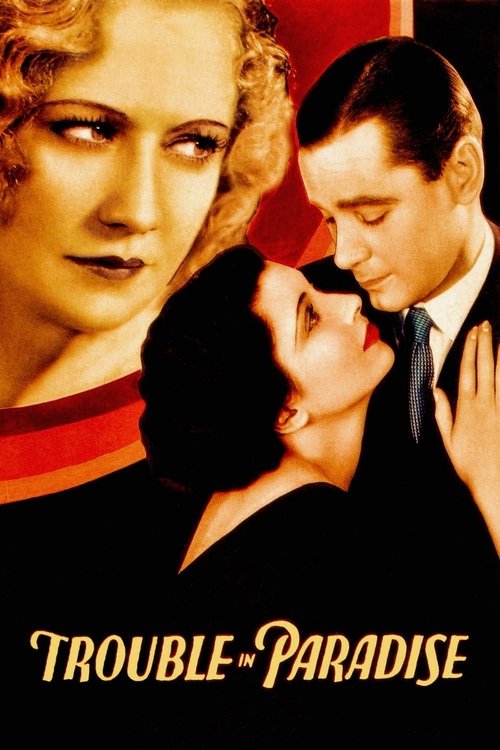
Trouble in Paradise1932
Both are 1932 pre-Code comedies about beautiful people in luxury apartments plotting against each other; Lubitsch's approach to sexual scheming is the high-art version of this film's populist take.
Released the same year, this Ernst Lubitsch masterpiece swaps women for con-man lovers, but keeps the penthouse, the schemes, and the amoral charm. It's what *Greeks* would be if directed by a genius—sprightlier, more elegant, more wickedly plotted.
But Lubitsch's comedy is cerebral and restrained; if you want chaos and catfighting, this is too sophisticated, too controlled.
More like this (7)
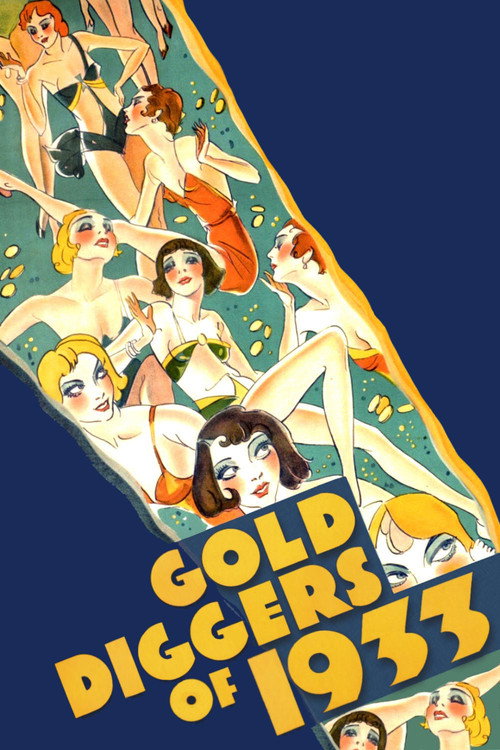
Gold Diggers of 19331933
Three chorus girls scheme for wealthy suitors. Practically a sister film—same year, same playbook, same gleeful amorality. Add elaborate Busby Berkeley numbers that *Greeks* lacks.
But The musical numbers, while spectacular, interrupt the comedy rhythm; some find them indulgent rather than integrated.
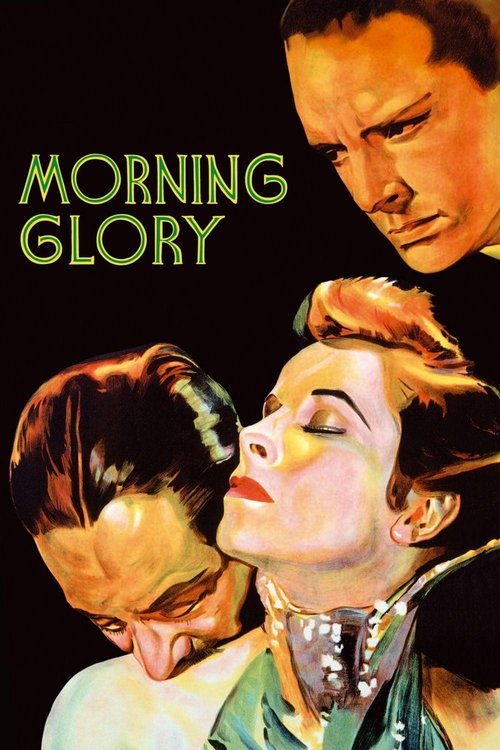
Morning Glory1933
Katharine Hepburn as an ambitious actress willing to manipulate her way into stardom. Same scrappy, unsentimental female ambition; Hepburn's intensity gives it philosophical weight beneath the scheming.
But More romantic drama than pure comedy; Hepburn's mannered delivery won't appeal to everyone, and the tone shifts away from farce.
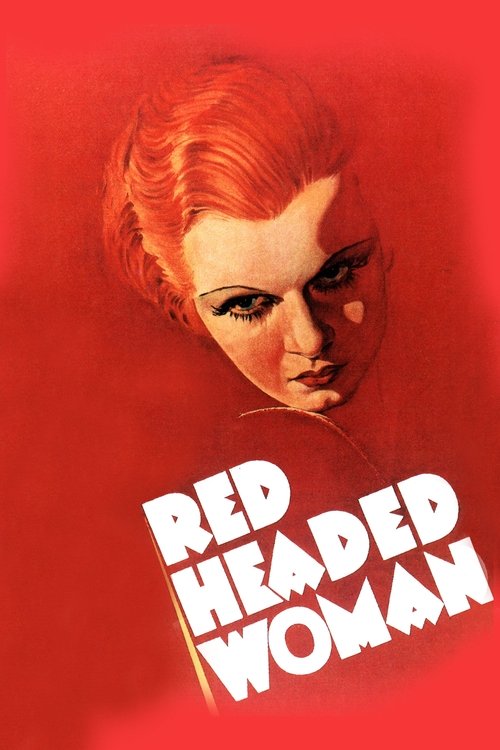
Red-Headed Woman1932
Jean Harlow as a gold digger using sex and manipulation to climb social ranks. Released the same year, same unapologetic female sexuality, same pre-Code freedom to treat morality as optional.
But Harlow's character is more ruthless and less sympathetic; the film takes a darker view of ambition that some find less fun.
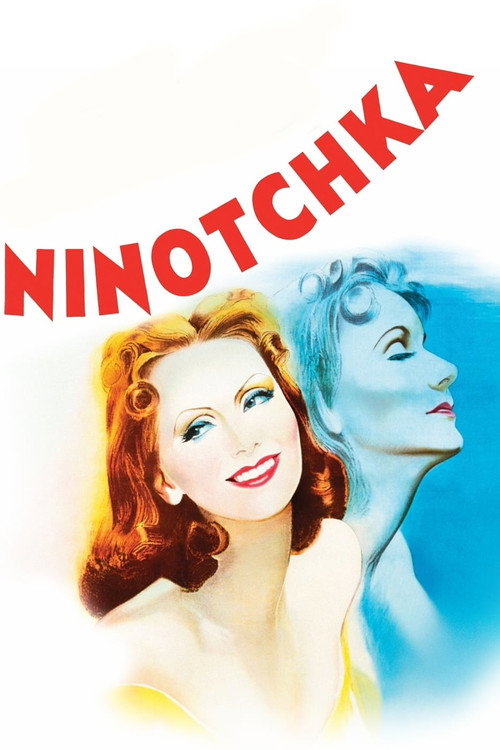
Ninotchka1939
Greta Garbo as a Soviet envoy seduced by Parisian luxury and a con artist's charm. Swaps the penthouse scheme for international intrigue, but keeps the wit, the female intelligence, and the pleasure of watching women outsmart men.
But It's more romantic comedy than pure con; the satire of communism dates it, and Garbo's coolness can feel distant.
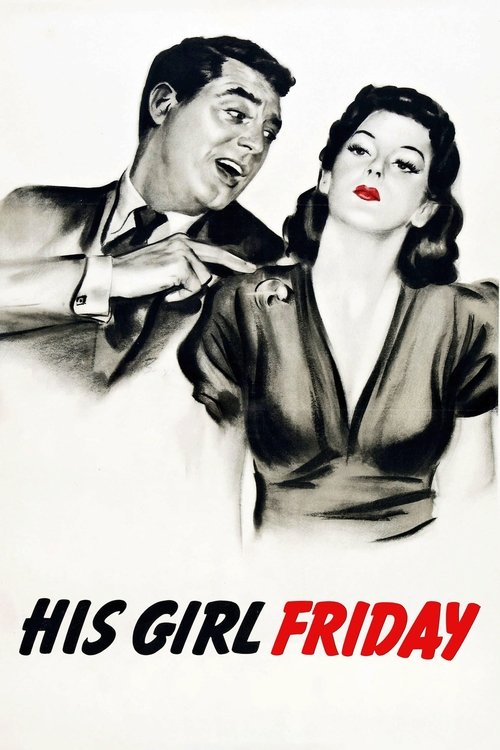
His Girl Friday1940
Rapid-fire dialogue, a woman outmaneuvering men at their own game, and the sense that everyone is performing a role. Different setting—newspaper rather than penthouse—but the same scrappy, amoral energy.
But It's a talkie obsessed with speed and overlapping dialogue that some find exhausting rather than exhilarating.
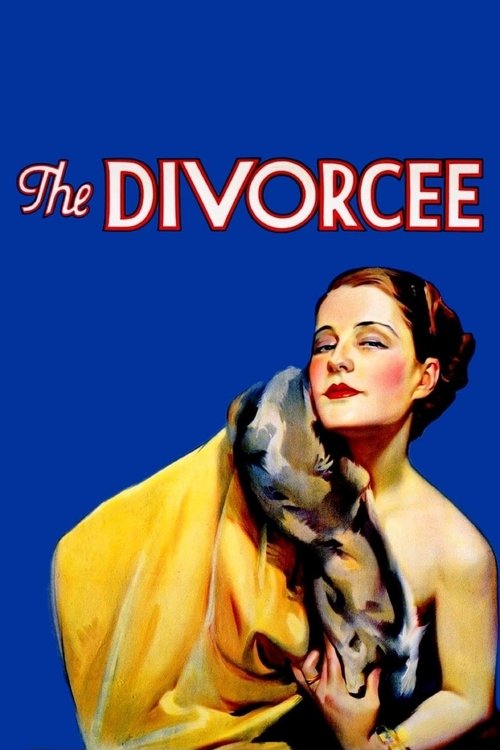
The Divorcee1930
An early talkie about a woman reclaiming agency after betrayal, refusing to apologize for her desires. Pre-Code sensibility, female self-interest as virtue, and the kind of frank sexuality that was about to disappear from cinema.
But It's more melodrama than comedy, and the pacing feels sluggish compared to later sound films; the plot turns heavy-handed.
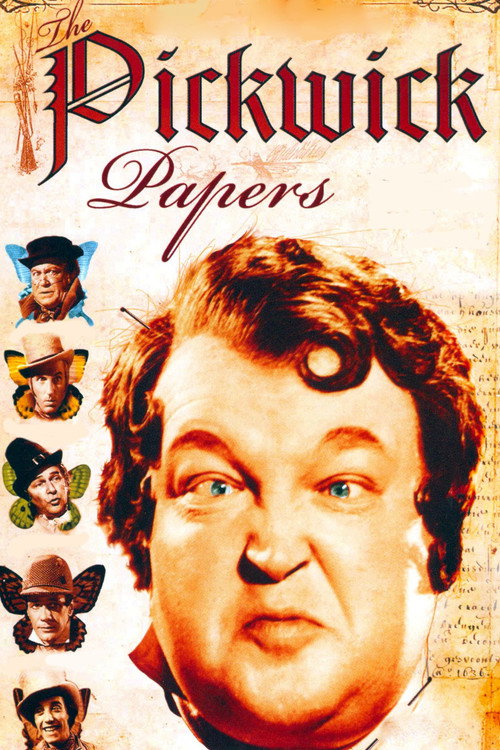
The Pickwick Papers1952
Both are character ensembles where the plot is secondary to watching clever, performative people interact. This one mines the same comedy of manners and mutual manipulation, but in a completely different register and era.
Dickens adapted as ensemble comedy, with a large cast of eccentric characters scheming, performing, and outwitting each other. Trade the penthouse for the road, but keep the picaresque logic: character comedy built on fast dialogue and performative personalities.
But It's literary adaptation, not original screenplay; the episodic structure can feel baggy, and Dickens' sentimentality undercuts the amorality you came for.
People
Cast
 Joan BlondellSchatzi Sutro
 Madge EvansPolaire
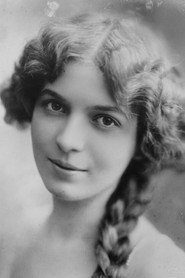 Ina ClaireJean Lawrence
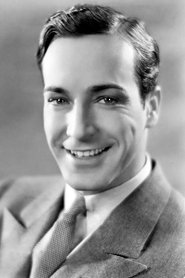 David MannersDey Emery
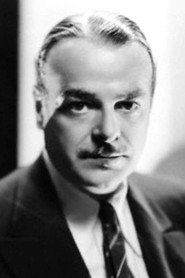 Lowell ShermanBoris Feldman
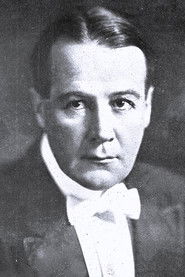 Phillips SmalleyJustin Emery
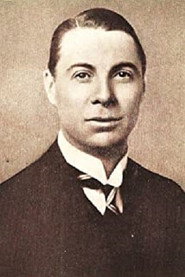 Sidney BraceyThe Waiter
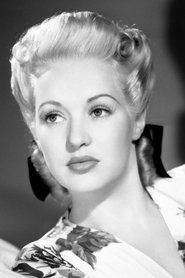 Betty GrableHat Check Girl (uncredited)
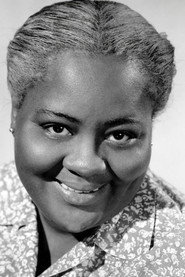 Louise BeaversBeautician (uncredited)
 Ward BondTaxi Driver (uncredited)
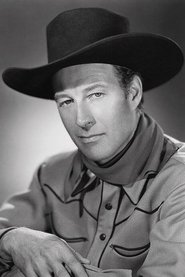 Bill ElliottWedding Guest (uncredited)
- Wilson BengeBellings the Butler
Directing
- Lowell ShermanDirector
Writing
- Sidney HowardAdaptation
- Zoë AkinsTheatre Play
Production
- Samuel GoldwynProducer