
Film
The Pickwick Papers
Other titles called The Pickwick Papers: the 1985 series (BBC One).
- Comedy
- Light-hearted
Dickens's debut novel becomes a picaresque romp across 1950s England. Samuel Pickwick and his bumbling band of companions stumble through misadventures—legal trouble, romantic entanglements, coaching inns—with warmth and good humour. It's gentle, episodic, designed to be enjoyed rather than gripped. For viewers who want Dickens without the darkness, or British comedy that trusts character over gags.
If you liked this
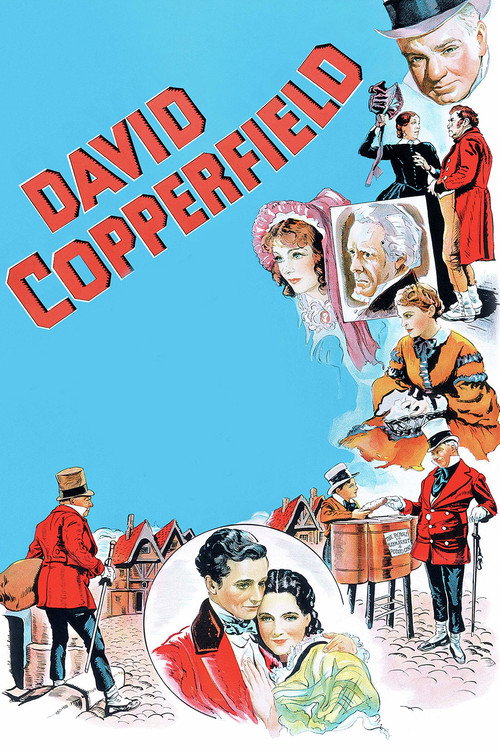
David Copperfield1935
Another Dickens adaptation from cinema's golden age, with the same episodic picaresque structure and affection for eccentric supporting characters. George Cukor directs with uncluttered charm.
But The Depression-era sentimentality reads as heavy to modern viewers. It's long and takes its time in ways that test patience.
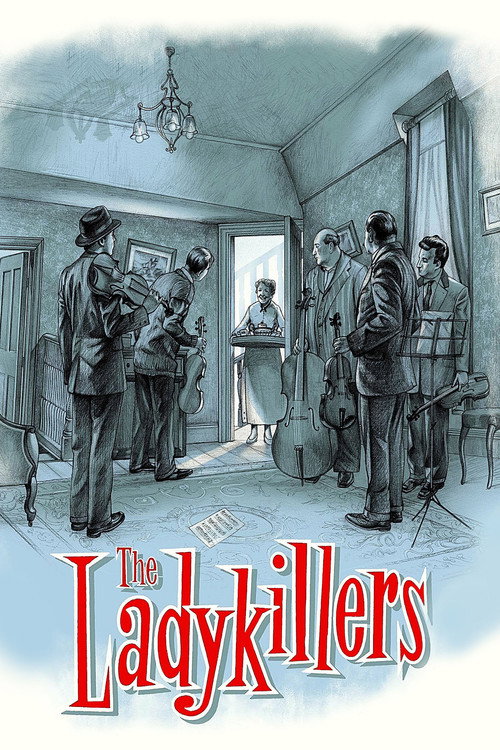
The Ladykillers1955
British comedy ensemble piece with the same cast-of-characters energy and London bohemia. Wickedly funny where Pickwick is warm, but built on the same principle: funny people in funny situations.
But Much darker and cynical. If you want Pickwick's good-natured bumbling, this crime caper will feel mean-spirited.
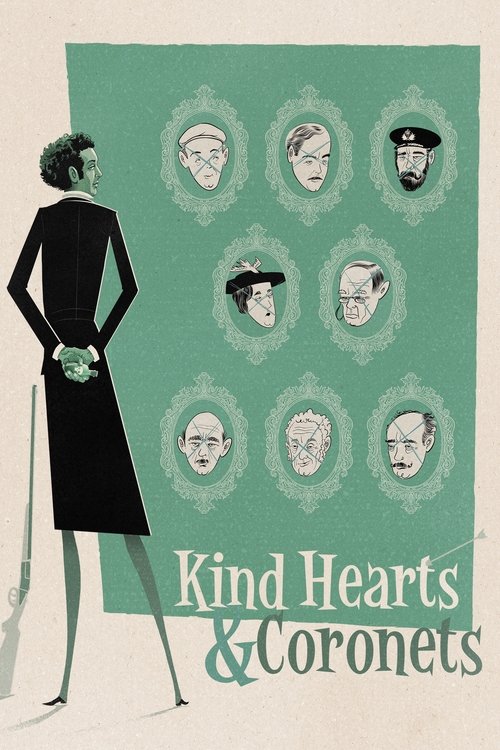
Kind Hearts and Coronets1949
Ealing Studios masterpiece with superb ensemble playing and witty dialogue. The same post-war British comedy sensibility, built on character rather than slapstick.
But A murder plot underpins the humour, so the tone is mordant where Pickwick is affectionate. Requires closer attention.
Not sure tonight? Get a pick in a minute, starting from The Pickwick Papers
The wildcard
Something you would not have found on your own.
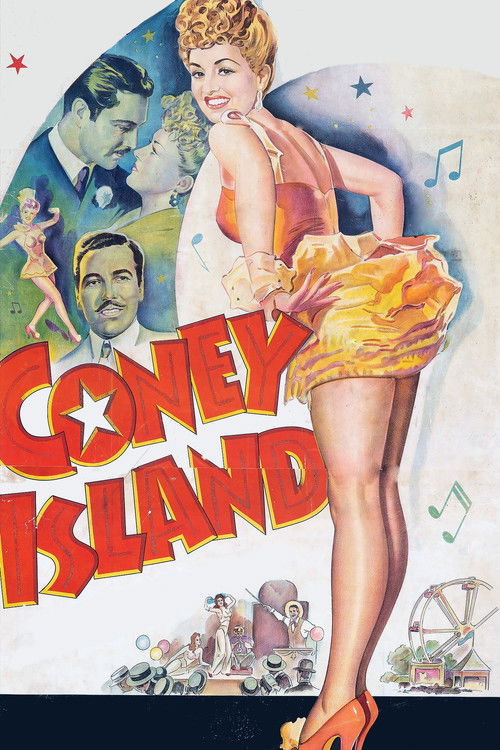
Coney Island1943
Both belong to a pre-cynical era of comedy cinema. Both believe in warm characters and happy endings. But where Pickwick is provincial and literary, this is metropolitan and unpretentious.
Betty Grable as a vaudeville dancer caught between two suitors (George Montgomery and Dan Dailey). Brash, colourful, utterly without pretension: a musical comedy about nice people in silly situations. Pure entertainment.
But American optimism and Technicolor excess are almost aggressive. The songs are instantly forgettable. Pickwick is English charm; this is midcentury American confidence.
More like this (7)
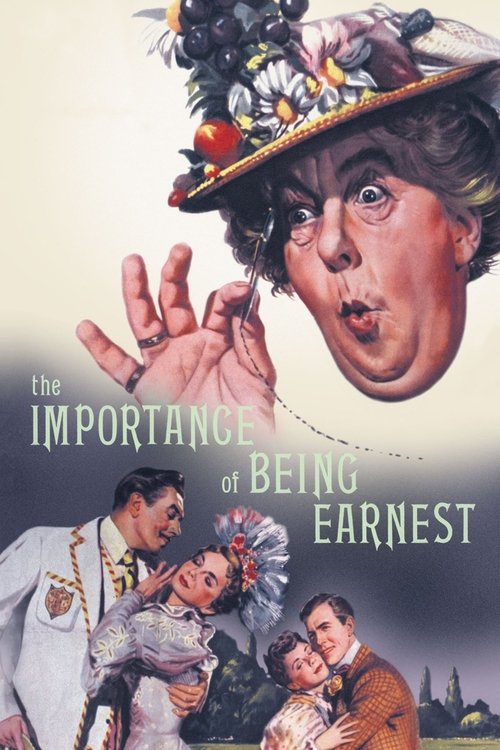
The Importance of Being Earnest1952
Released the same year, based on similarly beloved Victorian comedy. Theatrical, character-driven, utterly confident in its own charm. Anthony Asquith's direction is light and playful.
But Wilde's dialogue is denser and more epigrammatic than Dickens's narrative humour. Much shorter and more farcical.
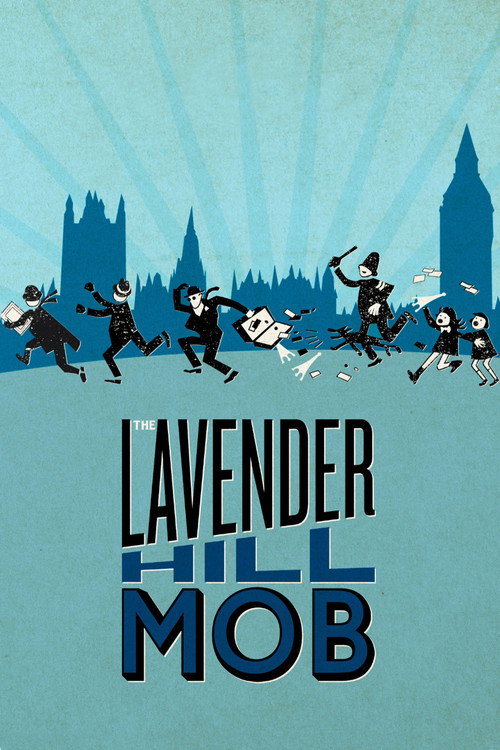
The Lavender Hill Mob1951
Ealing comedy gem about lovable incompetents attempting a crime. That perfect balance of character warmth and genuine comedy excitement, with Alastair Sim stealing every scene.
But A plot-driven heist rather than episodic wandering. Pickwick fans looking for incident-by-incident charm may find this too goal-oriented.
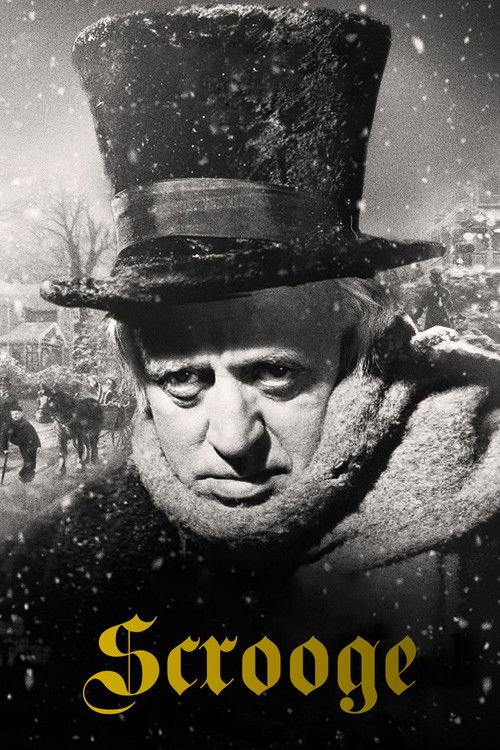
Scrooge1951
Dickens's other great Christmas tale, also adapted in the immediate post-war years. Alastair Sim's performance is transcendent, and the film captures that same mixture of sentiment and humour.
But Dominated by a single character and a redemption arc. Lacks Pickwick's ensemble sprawl and picaresque structure.
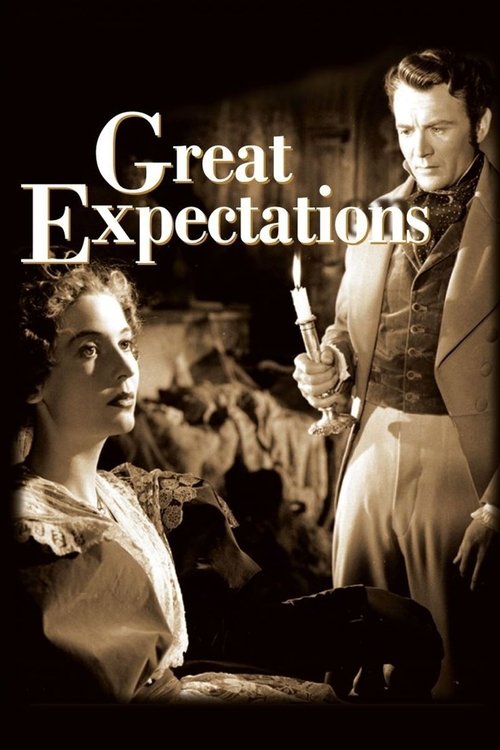
Great Expectations1946
David Lean's masterly Dickens adaptation, with cinematography that turns the English landscape into character. The same dense supporting cast, the same ability to find warmth in ordinary life.
But This is heavy, atmospheric, and deeply preoccupied with tragedy and desire. Not the film to watch if you want light entertainment.
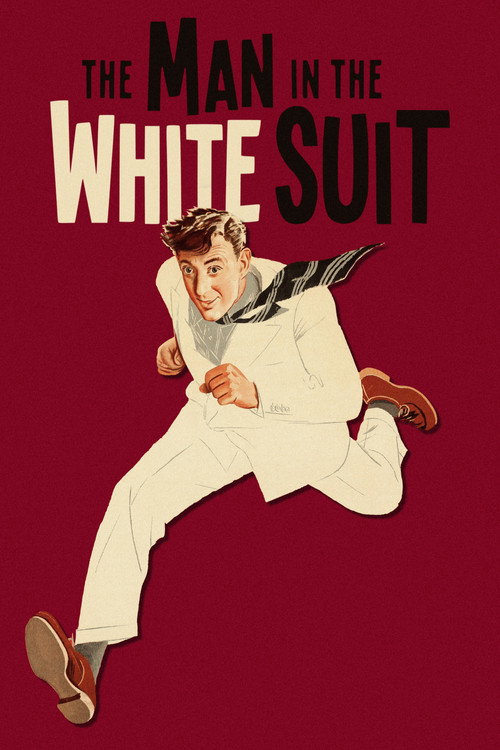
The Man in the White Suit1951
Ealing Studios at its peak, same era and sensibility. Alec Guinness as an idealist surrounded by scheming bureaucrats and mill owners. British comedy that respects intelligence and eccentricity.
But More satirical and socially pointed than Pickwick's gentle humanism. The ending is deliberately anti-feel-good.
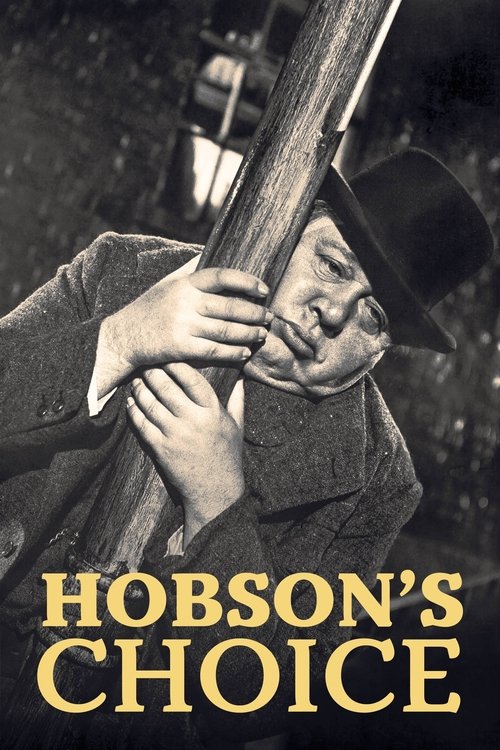
Hobson's Choice1954
Charles Laughton in a character-driven comedy about a bullying boot-maker and his daughter's rebellion. British cinema at its most confident, full of incident and warmth without sentimentality.
But Set in industrial Lancashire and preoccupied with class and labour. The comedy is drier and more sardonic than Pickwick's lighter tone.
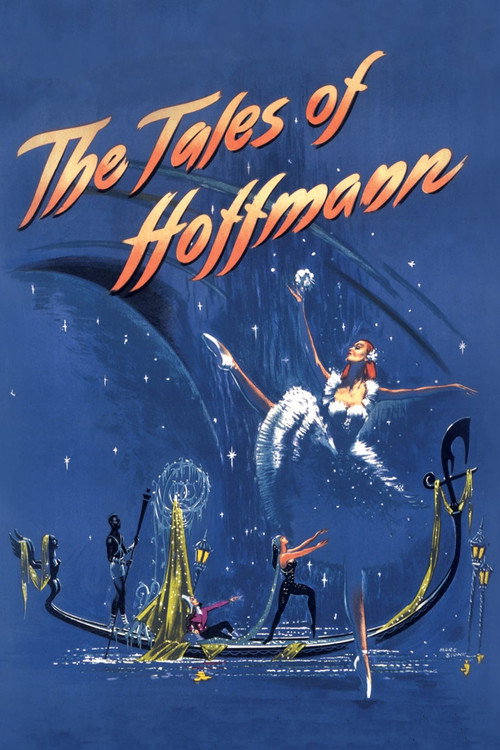
The Tales of Hoffmann1951
Both are radically episodic works from the early 1950s that prize mood and incident over conventional narrative. But where Pickwick is grounded in English social comedy, this is phantasmagoria.
A Powell and Pressburger opera film: episodic, dazzlingly designed, anarchic in its formal choices. Narrative structure dissolves into pure cinema spectacle. Watch it for the same reason you'd watch a magic lantern show: constant visual invention.
But Essentially plotless and designed as dream-logic. If you want story or character development, this is nightmare territory. Some will find it precious and dated; others, immortal.
People
Cast
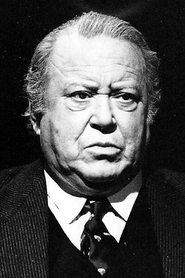 James HayterSamuel Pickwick
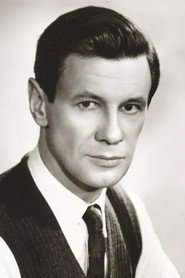 James DonaldNathaniel Winkle
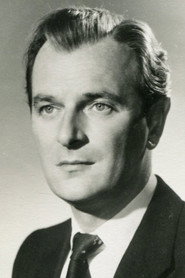 Nigel PatrickMr. Jingle
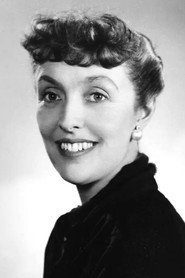 Joyce GrenfellMrs. Leo Hunter
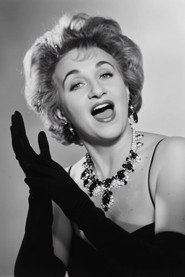 Hermione GingoldMiss Tompkins
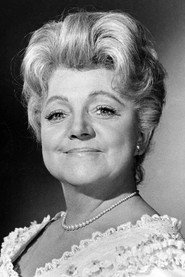 Hermione BaddeleyMrs. Bardell
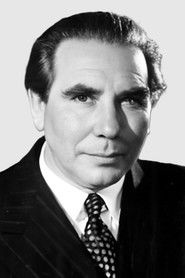 Donald WolfitSergeant Buzfuz
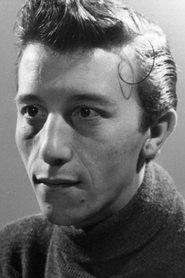 Harry FowlerSam Weller
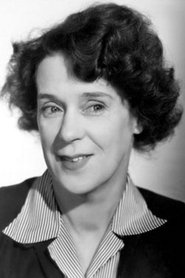 Kathleen HarrisonRachel Wardle
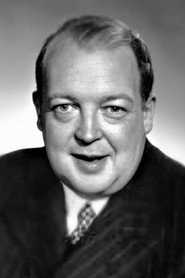 Alexander GaugeTracy Tupman
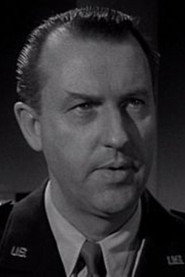 Lionel MurtonAugustus Snodgrass
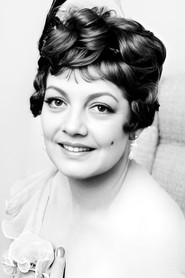 Diane HartEmily Wardle
Directing
- Noel LangleyDirector
Writing
- Charles DickensNovel
- Noel LangleyScreenplay
Production
- George MinterProducer
- Noel LangleyProducer