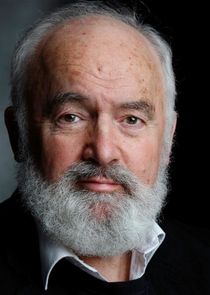
Television series
The Pickwick Papers
Other titles called The Pickwick Papers: the 1952 film.
A warm-hearted 1985 BBC serialisation of Dickens's picaresque debut, following Mr. Pickwick and three gentlemen on bumbling adventures across England. It's episodic and digressive in the novel's spirit—more interested in character and human kindness than plot momentum. For anyone who thinks Dickens might be stuffy, or who loves ensemble comedy that trusts you to enjoy people simply being themselves.
If you liked this
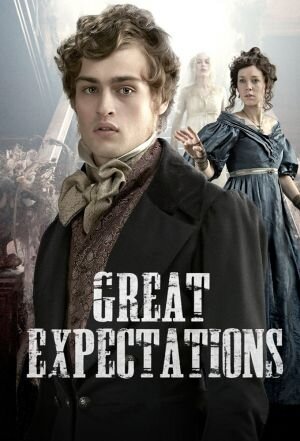
Great Expectations2011
The BBC's other Dickens masterclass: a complete, scrupulously faithful adaptation with Alec Guinness and Jean Simmons. If you loved Pickwick's episodic warmth, this will deepen your sense of how Dickens builds worlds.
But It's graver and more tightly wound. Three and a half hours, and the tone darkens considerably—less bumbling romance, more genuine moral reckoning.
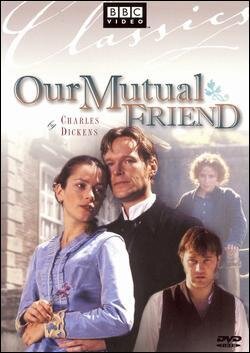
Our Mutual Friend1998
Another BBC Dickens serialisation with that same generous pacing and ensemble spirit. Julian Sands, David Bradley, and Paul McGann in a story about redemption, money, and second chances that feels oddly modern.
But It's denser than Pickwick, with multiple interlocking plots. Requires more sustained attention; less cosy, more complex.
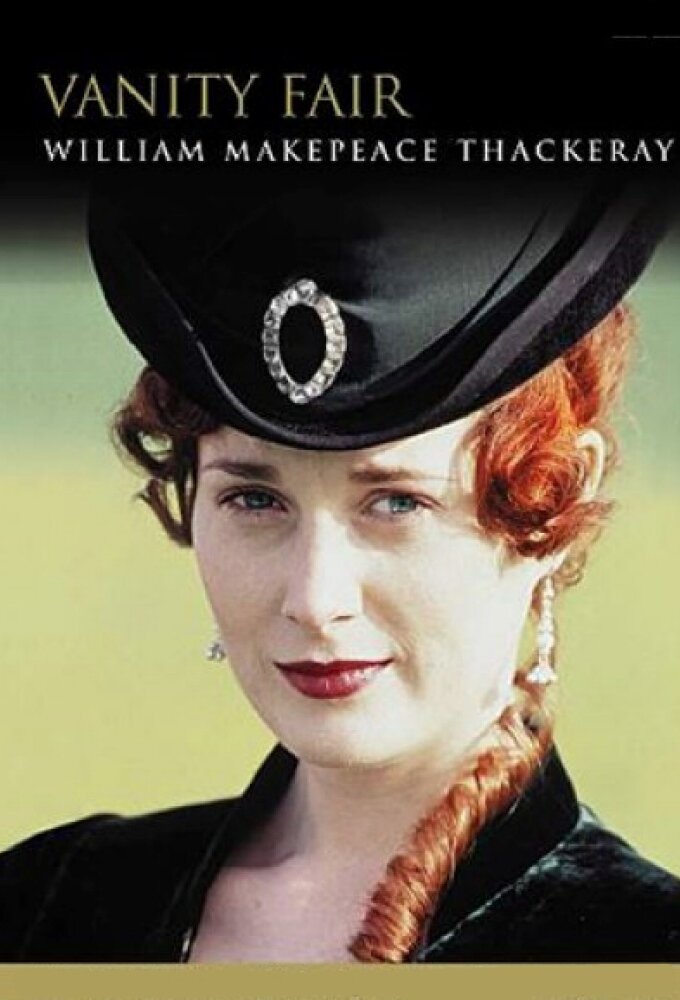
Vanity Fair1998
Minnie Driver as Becky Sharp in a BBC production that captures the same episodic, character-driven energy. Picaresque adventures with a sharper edge and a protagonist who actually schemes rather than stumbles into fortune.
But It's more cynical. Where Pickwick trusts in human goodness, Vanity Fair is watching people scheme. Some find that exhausting rather than liberating.
Not sure tonight? Get a pick in a minute, starting from The Pickwick Papers
The wildcard
Something you would not have found on your own.
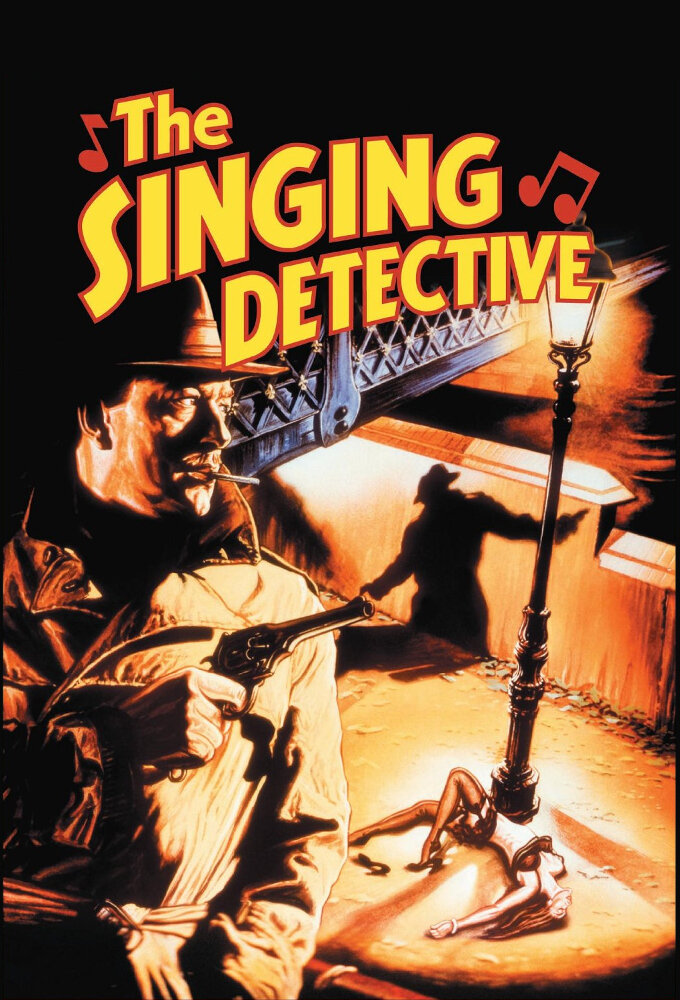
The Singing Detective1986
Both are BBC productions from the mid-1980s where actors inhabit ensemble pieces, but Potter weaponised the episodic form into something disorienting—the mirror-dark version of Pickwick's genial wandering.
A year after Pickwick, Dennis Potter made this fever dream—a detective serial fractured by musical numbers, hospital scenes, and the narrator's fever-addled mind. It sounds mad because it is, but the underlying structure is picaresque adventure (a man puzzling out who he is) colliding with modernist form.
But It's genuinely strange and sometimes difficult. The fantasy and reality bleed into each other deliberately. You can't settle into it passively—it demands you accept confusion as part of the experience.
More like this (8)
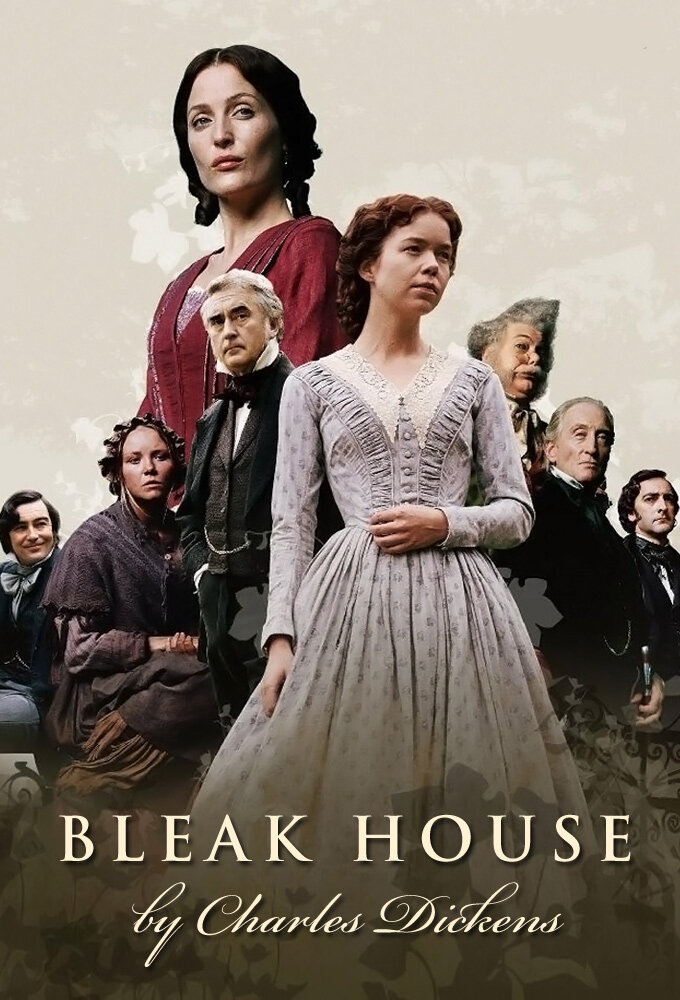
Bleak House2005
A later Dickens with the same sprawling cast and London setting. The BBC production is vivid and intricate, following multiple lives intersecting through Chancery. A masterpiece of ensemble storytelling.
But It's genuinely bleak, not cheery. Also much longer and more intricate—Pickwick is a romp by comparison. The legal plot is complex and deliberately frustrating.
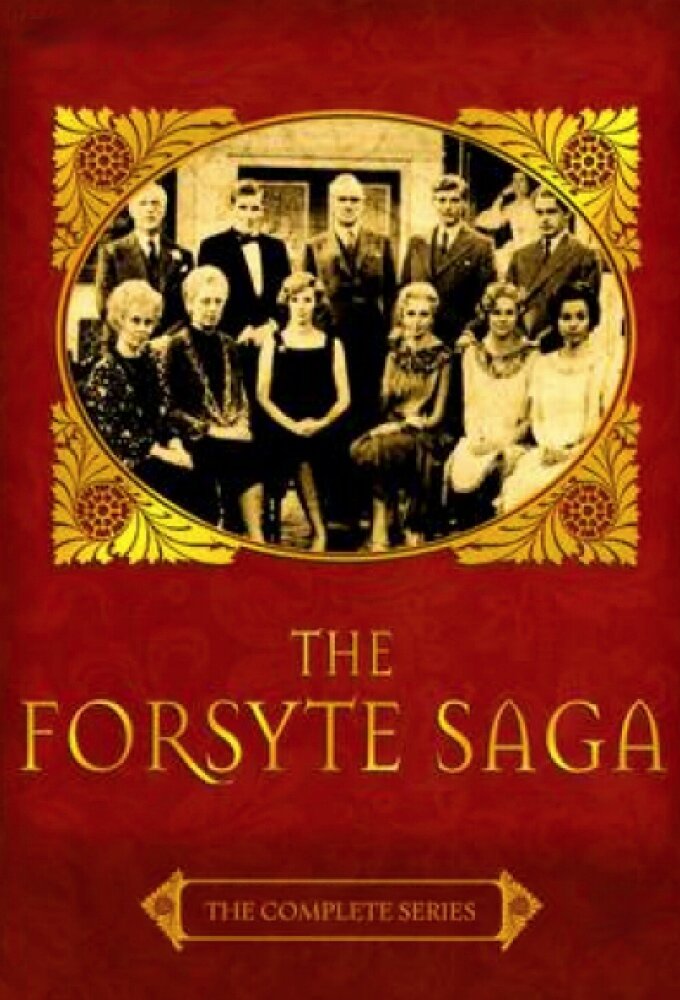
The Forsyte Saga1967
Not Dickens, but the same BBC tradition of long-form ensemble narrative following a family through decades. Beautifully acted, intimate, and lets you live inside these people's lives rather than rushing past them.
But It's very English and very slow by modern standards. Almost meditative. If you want momentum, you won't find it here.
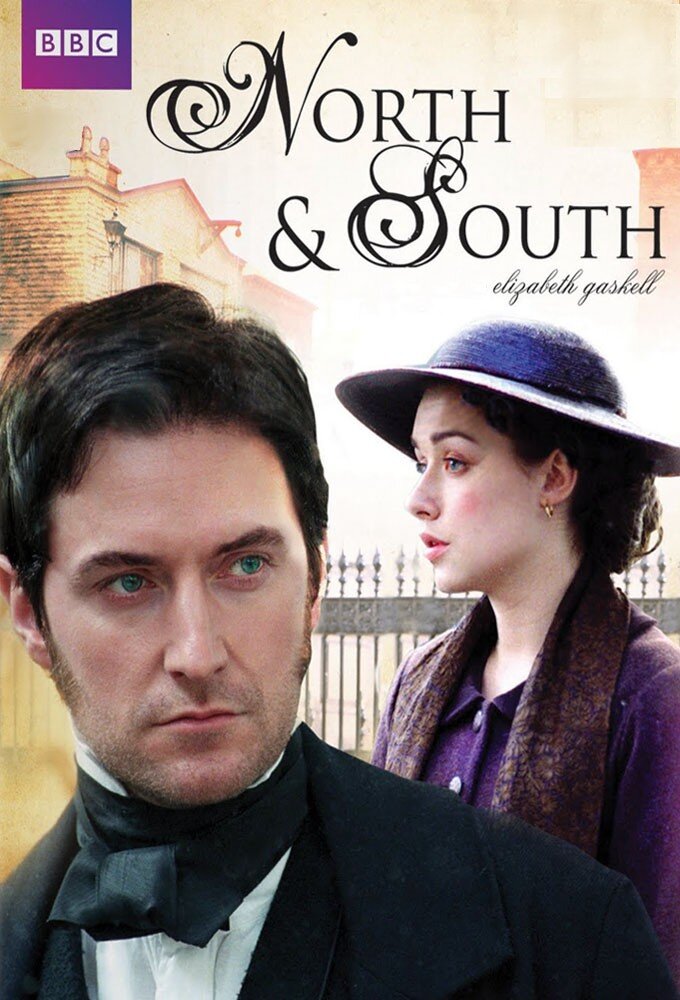
North & South2004
Elizabeth Gaskell serialised. Victorian industrial drama with the same warmth toward working people and genuine social concern that runs through Pickwick. Beautifully paced BBC production.
But There's a central romantic plot that matters more than in Pickwick. If you want pure ensemble without emotional investment in the will-they-won't-they, this won't be it.
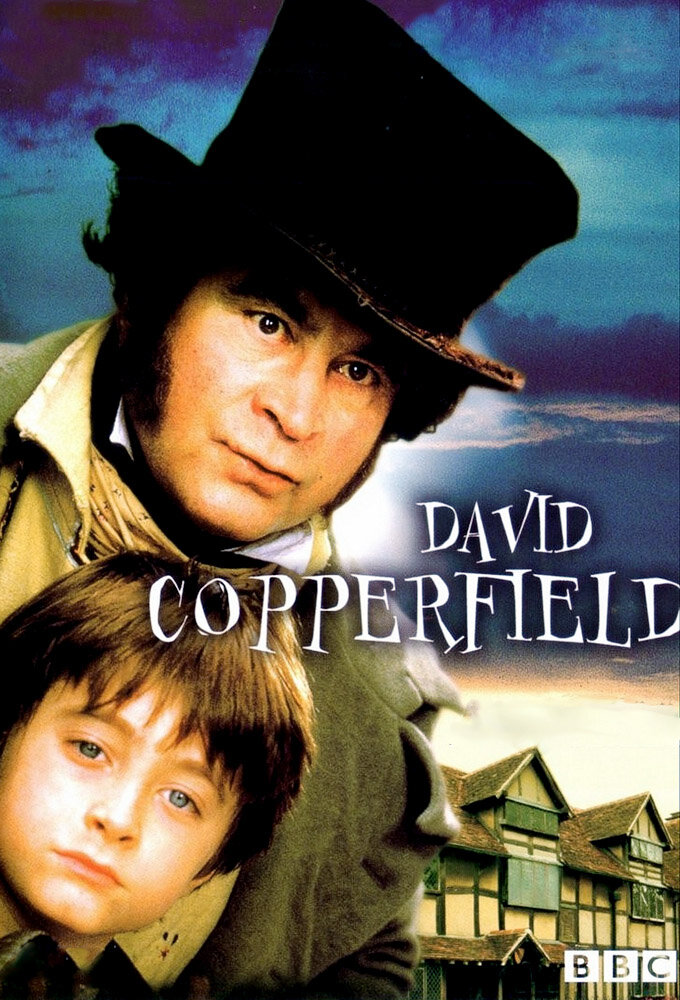
David Copperfield1999
Arguably Dickens's most autobiographical and most beloved novel. This BBC version is a faithful, intelligent adaptation with exceptional performances. The episodic early chapters will feel very familiar.
But It's a bildungsroman—the mood shifts as David matures. Starts picaresque, becomes something more serious and inward-looking by the end.
The Remains of the Day1993
A different era and register, but the same generosity of observation toward English eccentricity and the inner lives of apparently staid men. Anthony Hopkins's performance is a masterclass in what isn't said.
But It's a meditation on regret and self-deception rather than comedy. Beautifully tragic in a way Pickwick never aims to be. Emotionally demanding in a different register.

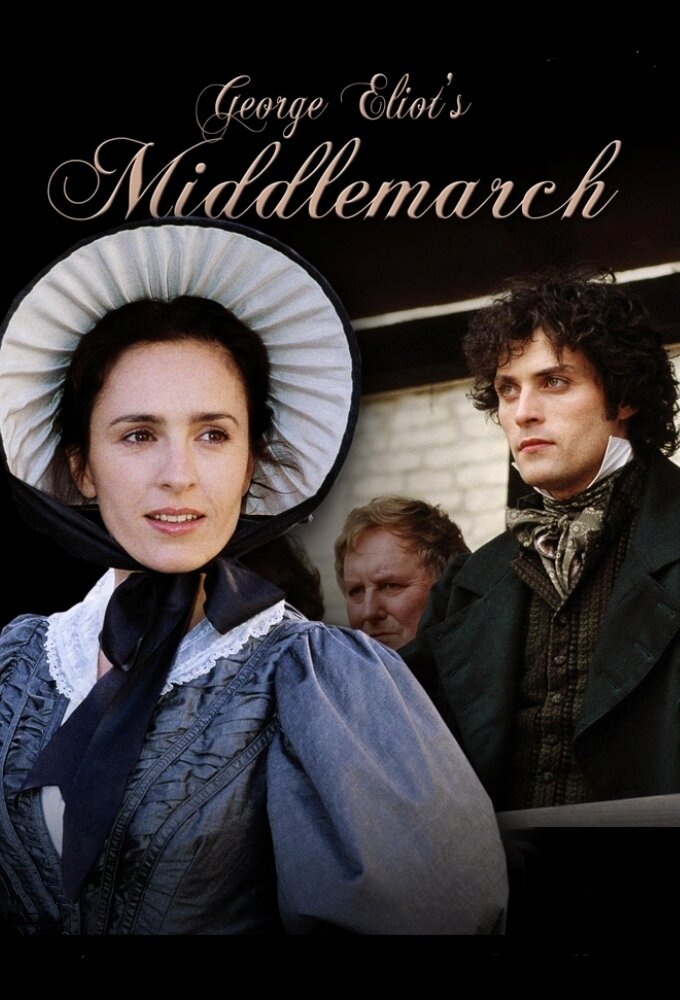
Middlemarch1994
George Eliot's masterpiece of provincial English life, character, and quiet desperation. An ensemble cast in a small town—the scope is smaller than Pickwick but the observation deeper. Achingly good.
But It's serious and often sad. The comedy, where it exists, is character comedy rather than event comedy. No comic adventures; mostly people navigating disappointment.
Le Corbeau1943
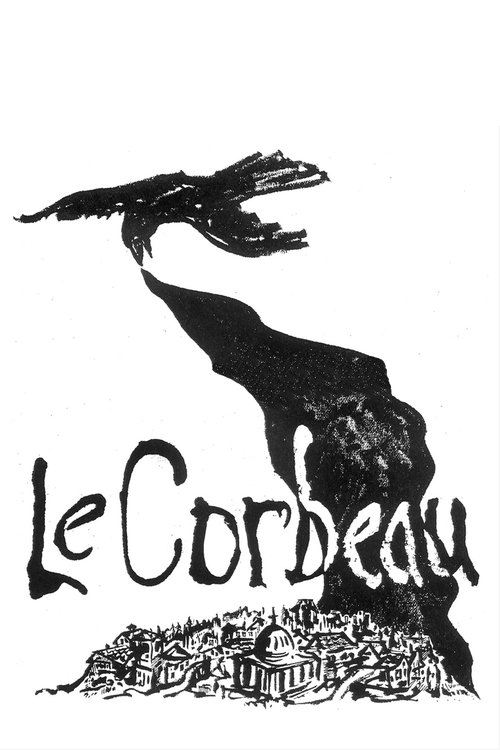
Both are episodic narratives of provincial English/French life where characters are thrown together by circumstance. Pickwick finds kindness in strangers; Le Corbeau finds malice. It's the same engine running on opposite fuel.
A French film set in a provincial small town where poison-pen letters turn neighbours against each other. It's an ensemble piece about community and suspicion, but where Pickwick's small-town adventures are warm, this one is claustrophobic and paranoid.
But It's a thriller, not a comedy. Made during the Nazi occupation as propaganda, and it shows—the mood is poisoned from the start. The warmth toward human nature that defines Pickwick is completely absent here.
Stalker1979
Both are journeys undertaken by an ensemble of men with distinct personalities, where the pleasure is in their interaction rather than plot resolution. Pickwick is a Victorian romp; Stalker is cosmic dread. Same structure, opposite emotional poles.
A Soviet science-fiction film where three men travel into a mysterious zone following a guide. It's slow, meditative, philosophical—but structurally it's an odyssey of four men journeying together, their personalities and philosophies rubbing against each other, the journey more important than the destination.
But It's 163 minutes and deliberately, almost aggressively paced. Nothing happens. There are long passages of men talking and walking. No plot momentum. Visually repetitive. It's the anti-adventure adventure.

People
Cast
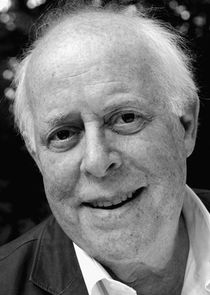
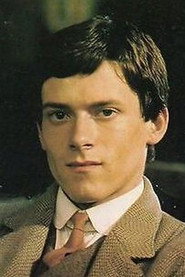
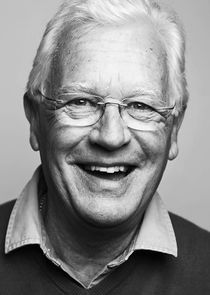
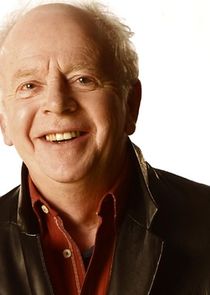 Ray BrooksNarrator