
Television series
Great Expectations
Other titles called Great Expectations: the 1946 film, the 1998 film.
Gillian Anderson brings iron-willed cruelty to Dickens's jilted spinster in this sumptuous BBC adaptation. It's a romance wrapped in a mystery of identity and class, where a blacksmith's boy's dreams of gentility collide with the cost of ambition. Lush period detail, ensemble chemistry, and Anderson's razor-edged performance make it compelling even when the pacing flags.
Should you watch it?
Watch it if you love a slow-burning Victorian story of class, longing and self-deception, and like seeing a classic novel adapted with its gothic atmosphere and rich period detail intact.
Skip it if you want a brisk, streamlined retelling, since three forty-minute episodes let the story linger over every mood and the romance can feel drawn out.
What it asks of you: Three roughly forty-minute episodes, unhurried and atmospheric, with long stretches of quiet looking and brooding that reward a willingness to sit still.
Not sure? Find tonight's pick in a minute.
If you liked this
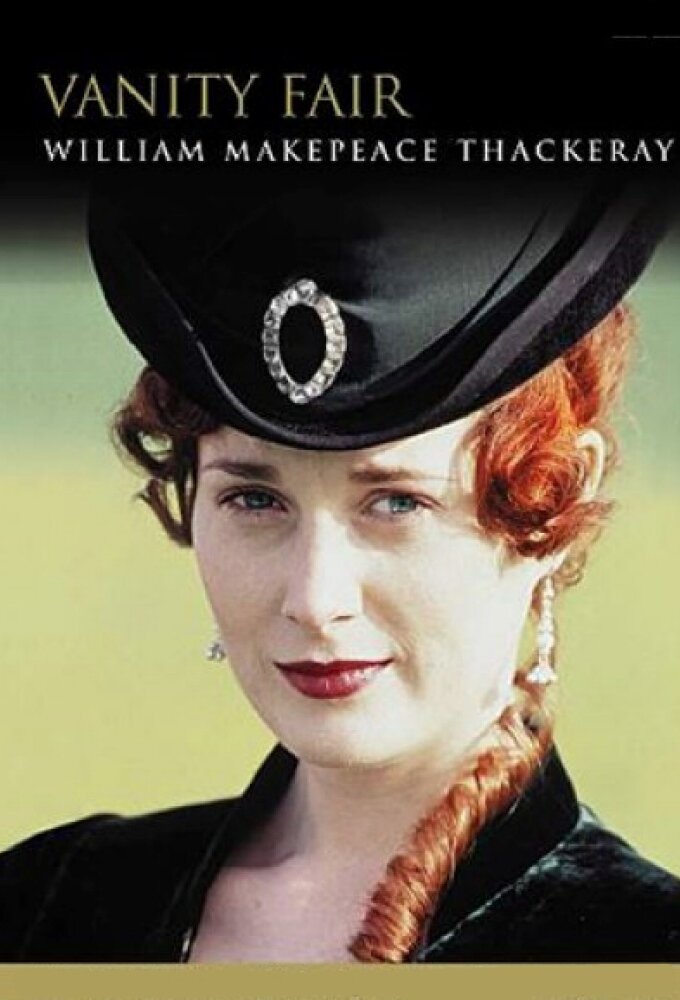
Vanity Fair1998
Same era, same BBC gloss, same theme of social climbing and its discontents. Reese Witherspoon's Becky Sharp is Pip's mirror—clever, hungry, and willing to burn bridges to rise. The satire cuts deeper.
But At four hours it demands patience, and Becky's ruthlessness can feel exhausting rather than exhilarating if you want someone to root for.
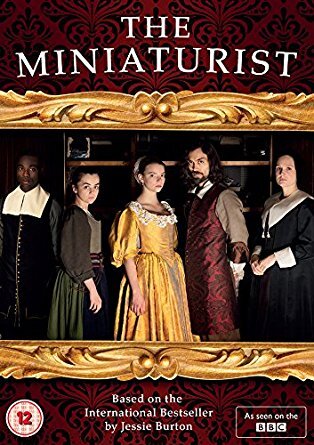
The Miniaturist2017
Another dark-edged period mystery from the BBC, with Anderson regulars and the same sense of secrets festering beneath gilded surfaces. Unsettling and gorgeously made, with a premise that hooks you immediately.
But It's genuinely unsettling—the kind of show that sits wrong with you—and the final revelations may frustrate rather than satisfy.
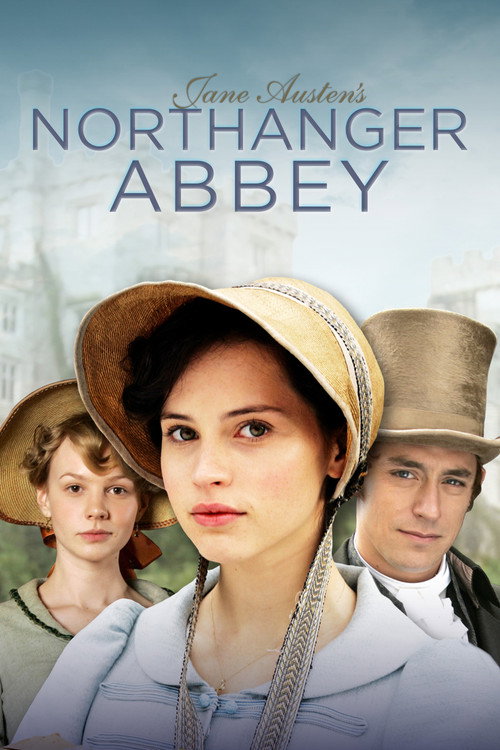
Northanger Abbey2007
Austen's wit about class aspiration and delusion, played with infectious charm by Felicity Jones. Lighter than Great Expectations but cut from the same cloth: a young person seduced by fantasy bumping into reality.
But If you find period adaptations precious or over-mannered, this gentle satire won't shake that feeling.
Not sure tonight? Get a pick in a minute, starting from Great Expectations
The wildcard
Something you would not have found on your own.
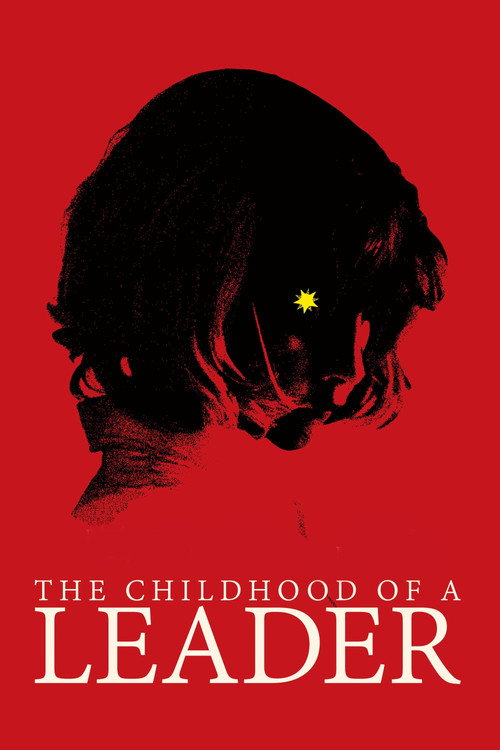
The Childhood of a Leader2016
Both use a young protagonist's social ascent to interrogate whether gentility is merit or accident—except this one argues it breeds cruelty rather than grace.
A Fascist is born in miniature: a cossetted, beautiful boy in 1920s Europe, indulged into monstrosity by wealth and breeding. It's Great Expectations inverted—the gentleman revealed as monster from within, not redeemed by grace but poisoned by privilege. Visually hypnotic.
But Deliberately slow, essayistic, offering no easy judgement or catharsis. The boy's blankness is the point, which some will find infuriating rather than illuminating.
More like this (8)
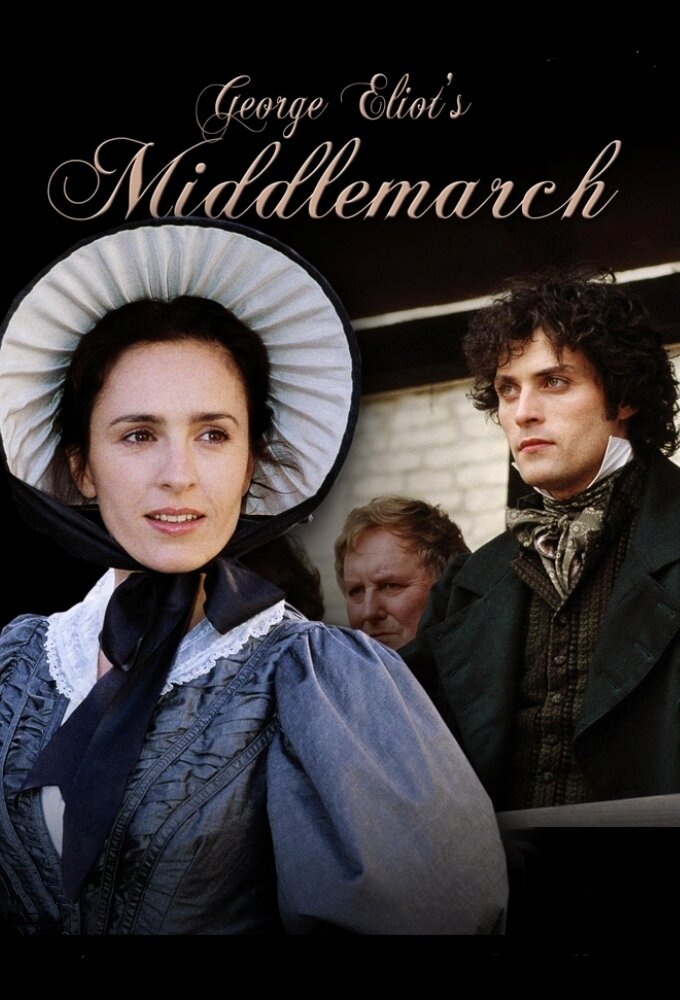
Middlemarch1994
The BBC's masterwork of the form: ensemble cast, woven lives, the same theme of youthful idealism meeting the world's indifference. Richer and more intricate than Great Expectations, but similarly grounded in real feeling.
But At nearly six hours and structured as a web rather than a spine, it requires active attention and rewards patience more than drama.
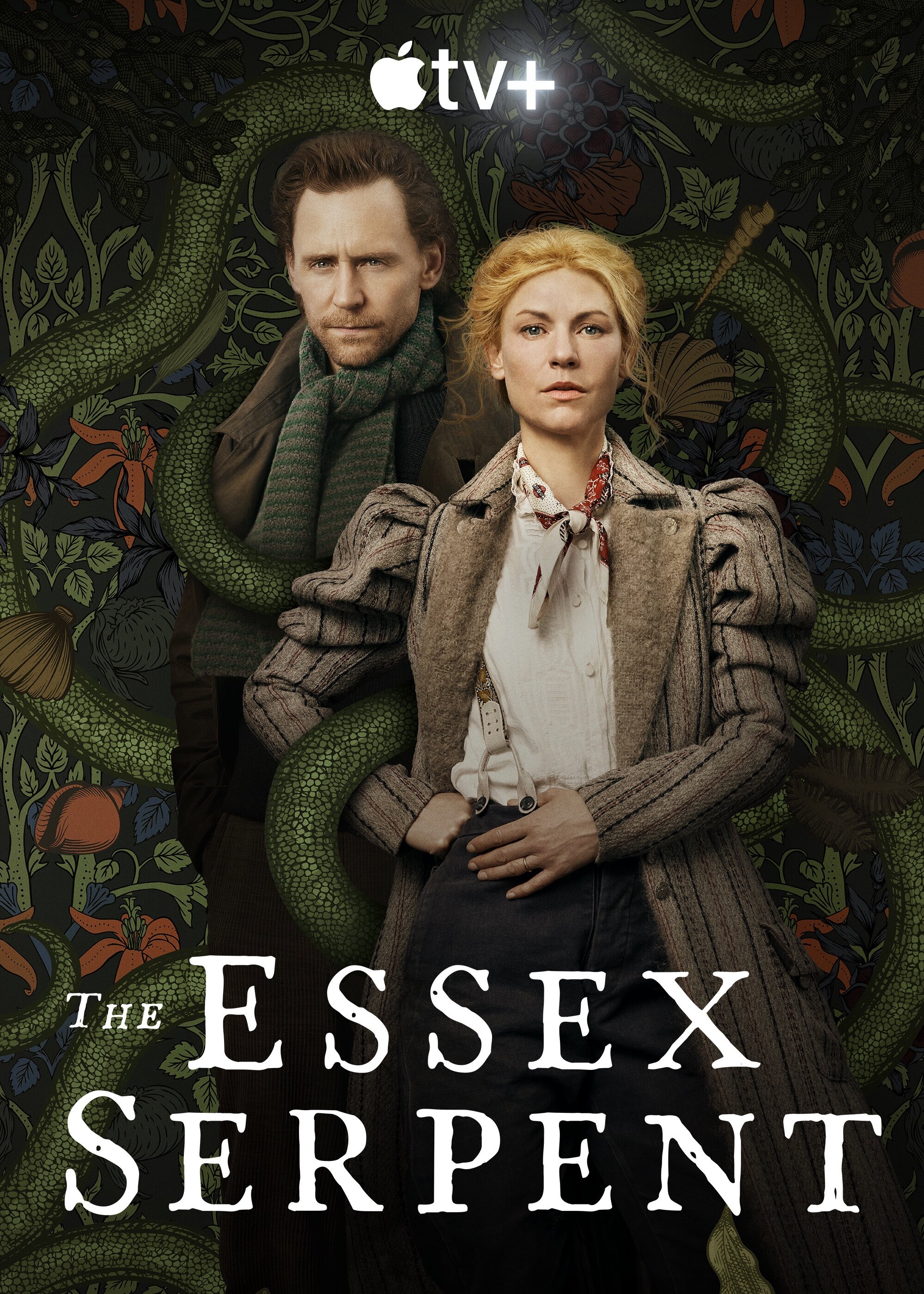
The Essex Serpent2022
Sarah Waters–adapted period mystery with the same tonal mix of Gothic unease and character study. Elizabeth Moss and Frank Dillane navigate faith, science, and longing across a fog-bound landscape. Beautifully strange.
But The pacing is deliberate to the point of drowsy, and the plot matters less than the emotional texture—a hard sell if you want momentum.
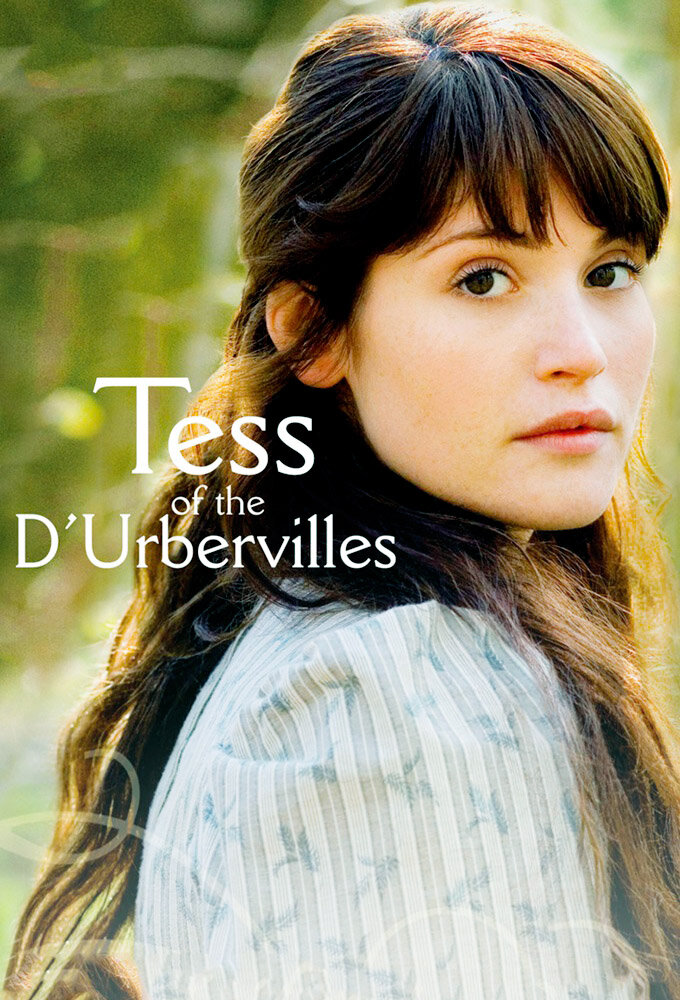
Tess of the D'Urbervilles2008
Tragedy with grit rather than melodrama. Gemma Arterton as a woman crushed by class and circumstance, with none of Pip's luck. Bleak, moving, and far less forgiving than Dickens about social injustice.
But It's relentlessly grim and offers no redemption, only the weight of inevitability. Some will find that punishing rather than cathartic.
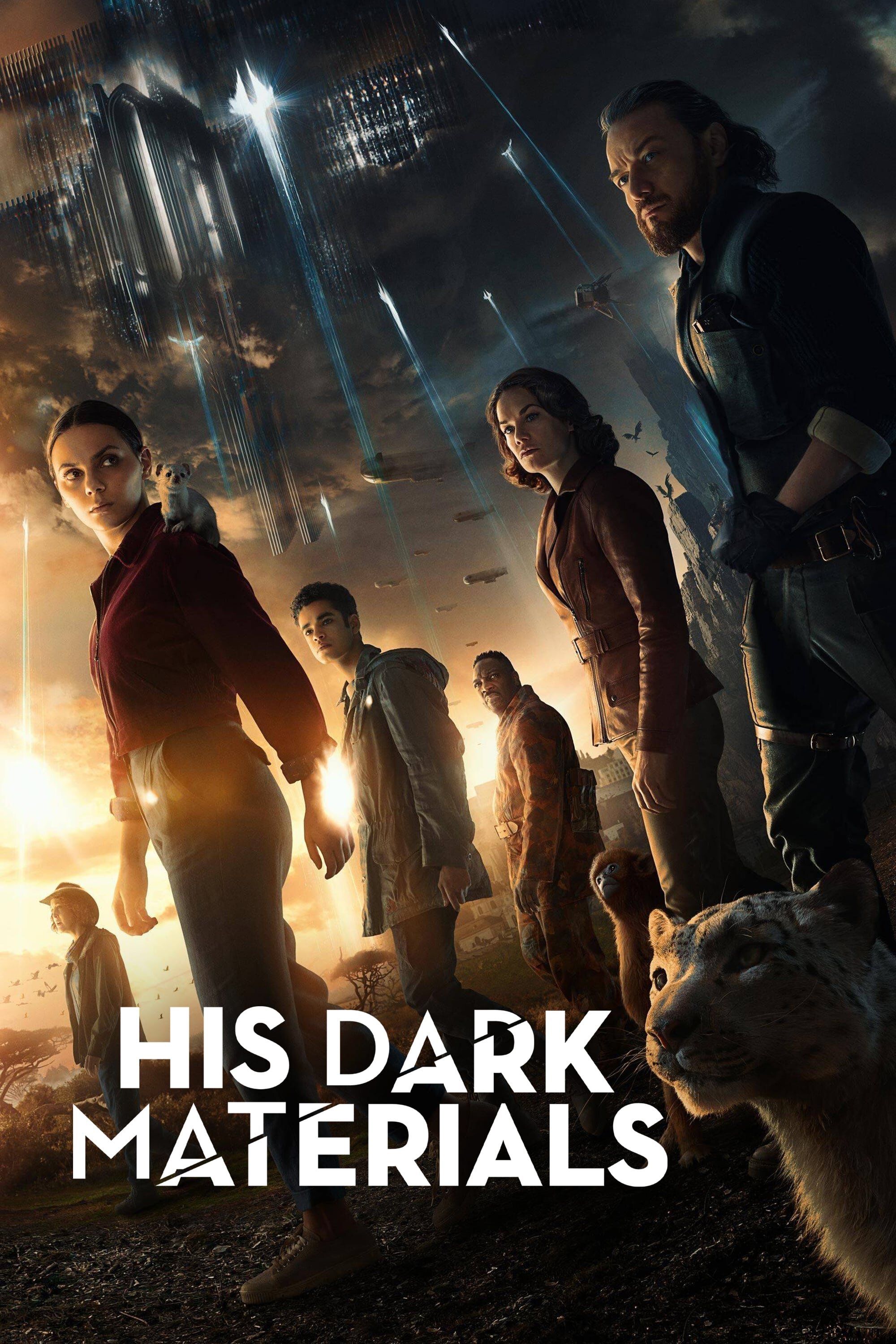
His Dark Materials2019
Gilded worlds, corrupted institutions, a gifted young protagonist discovering that power corrupts everyone around them. The BBC brings Pullman's epic to life with Anderson herself in a key role, and the visual imagination is staggering.
But The first season struggles with pacing, and it pivots into fantasy in ways that may not satisfy those purely invested in the coming-of-age strand.
The Night Manager2016
Espionage wrapped in luxury, with Tom Hiddleston and Olivia Colman. The same eye for surfaces masking rot, though the thrills are sharper and the moral questions simpler—sometimes that's exactly what you want.
But It's glossy entertainment rather than deep character work, and if you're drawn to Dickens for the social anatomy, this is surface-level by design.

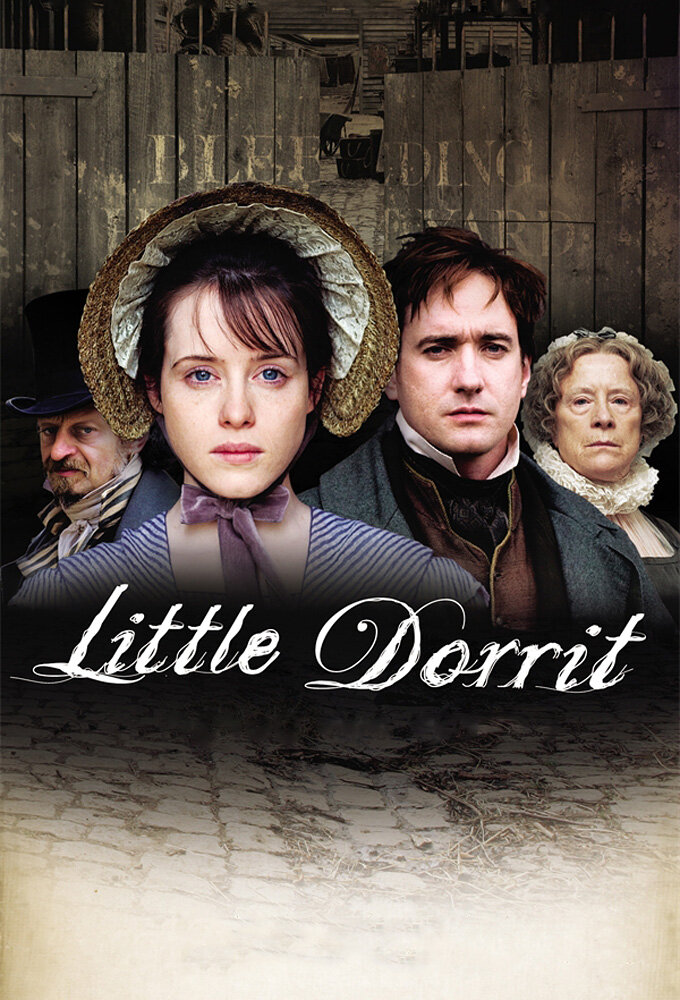
Little Dorrit2008
Another Dickens adaptation, this one with claustrophobic compassion. Less flashy than Great Expectations, more interested in kindness as a radical act. Claire Foy and Matthew Macfadyen anchor something genuinely moving.
But The pacing is patient to a fault, and Dickens's themes of poverty and debt may feel heavy-handed if you prefer subtlety.
Stalker1979
The same architecture: a young man's yearning for transformation, a mysterious benefactor, the haunting question of whether getting what you want is salvation or ruin.
Tarkovsky's metaphysical masterpiece: three men journey into a mysterious zone toward a room that grants wishes. It's a meditation on desire, ambition, and whether what we want will save or destroy us—Pip's journey stripped to its philosophical essence.
But At 163 minutes, it moves at the pace of a dream. There's barely a plot. If you need incident or dialogue to stay engaged, this will feel interminable.

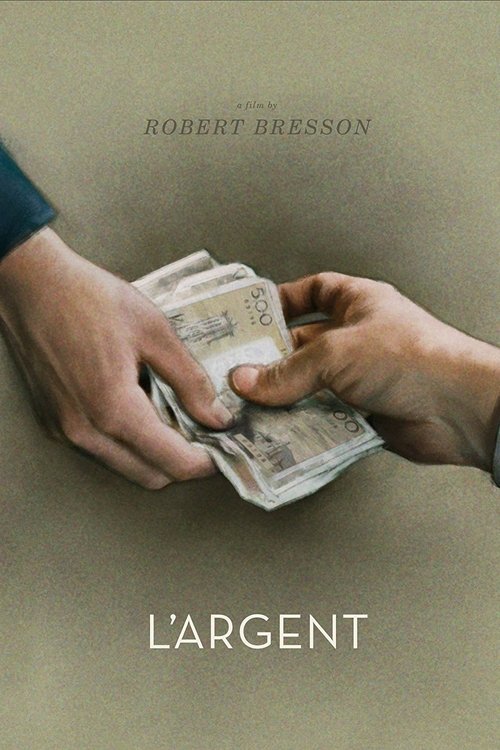
L'Argent1983
Both explore how class and money determine fate, but Bresson argues it's impersonal and pitiless, while Dickens leaves room for grace—a fundamentally different moral universe.
Bresson's final film: a counterfeit note destroys lives in a chain of casual cruelty. Where Great Expectations traces how money and class warp a single soul, this shows the system's indifference—how wealth is violence distributed.
But It's austere, minimalist cinema with little music or sentiment. The bleakness is the entire point, and redemption never arrives.
People
Cast







Recommended by
Oliver Twist, David Copperfield, Les Misérables, David Copperfield, The Pickwick Papers