
Television series
Tess of the D'Urbervilles
Other titles called Tess of the D'Urbervilles: the 1998 film.
- Period drama
- Very dark
Hardy's tragedy of a rural girl destroyed by circumstance and male desire. Gemma Arterton carries this lush BBC adaptation with quiet devastation, moving through beauty and violation with an intensity that makes the period feel immediate. For anyone who wants Victorian drama with emotional stakes that actually matter, and the courage to end where Hardy ended.
Should you watch it?
Watch it if you love Victorian novels where social pressure and bad luck wear down a decent person, and you don't mind sinking into slow, mournful rural beauty with lush period detail.
Skip it if you want brisk plotting or a lighter touch, since at four hour-long episodes it moves at a deliberate pace and rarely lets the mood lift.
What it asks of you: Four hour-long episodes, a patient pace and a sustained run of melancholy; you'll need to settle in and let the mood build gradually rather than expect lightness.
Not sure? Find tonight's pick in a minute.
If you liked this
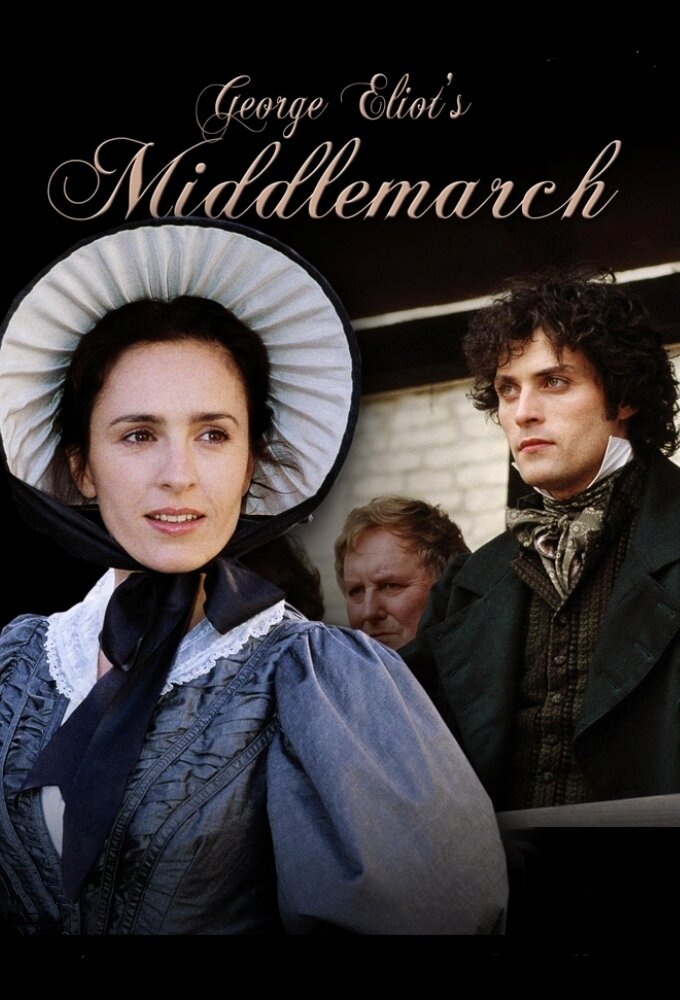
Middlemarch1994
George Eliot's ensemble masterpiece about ambition, marriage, and moral compromise in a provincial town. The 2002 BBC version is stately, intelligent, and full of characters whose small choices reshape their lives in ways they never anticipated.
But It's deliberately paced and dialogue-heavy; if you need constant plot momentum, this will feel slow, and some storylines matter more than others.
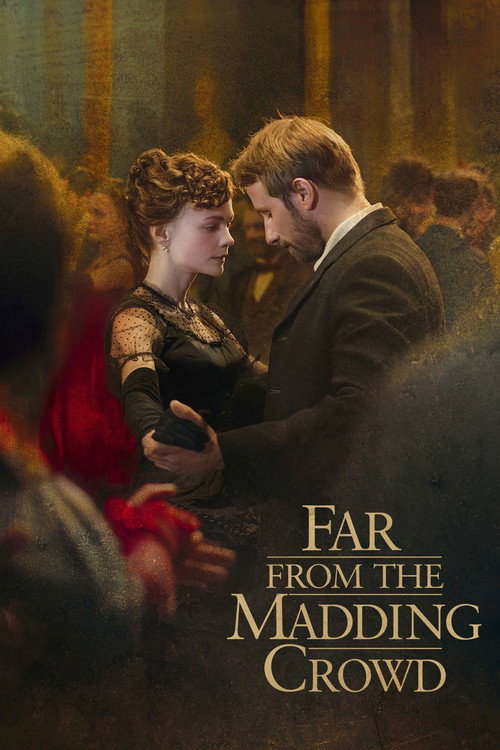
Far from the Madding Crowd2015
Another Hardy, another Bathsheba Everdene trying to survive in a man's world. Carey Mulligan is electrifying; the film is visually stunning and has real bite about power, agency, and how women pay for their own choices.
But The ending may feel abrupt if you want total narrative satisfaction, and some will find the tone shifts between comedy and darkness unsettling.
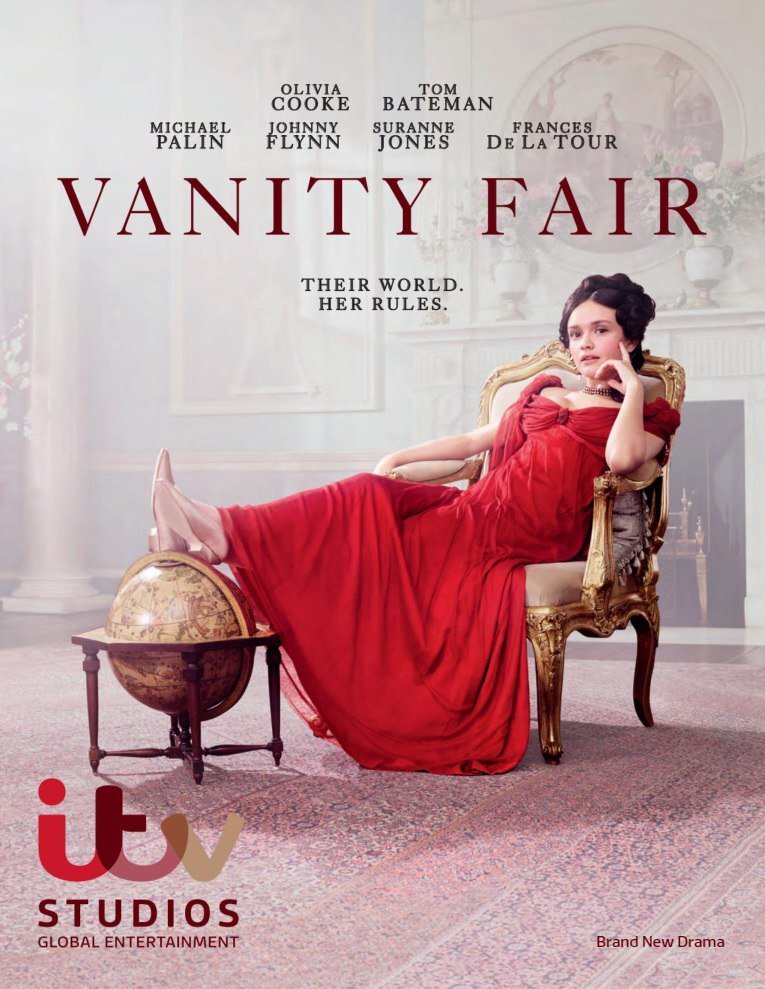
Vanity Fair2018
Reginald Perrin director Penelope Mortimer adapts Thackeray with a dark comedy edge. Natasha Little's Becky Sharp is a mastermind of self-preservation—the inverse of Tess, but equally ruthless about what society demands of women.
But It's cynical where Tess is tragic; if you want to feel sympathy for everyone, this satirical worldview will feel cold.
Not sure tonight? Get a pick in a minute, starting from Tess of the D'Urbervilles
The wildcard
Something you would not have found on your own.
Requiem for a Dream2000
Both are unflinching about how desire and circumstance destroy people. Both refuse to blame the victim while showing why she cannot escape. Both end in genuine devastation, not melodrama.
Aronofsky's descent into addiction and desperation—four lives collapsing under the weight of what they want. Not a period drama, not a romance, but it shares Tess's core: a person trapped by circumstance and their own nature, moving toward a ruin that feels inevitable.
But It's visceral, modern, often graphic, and punishing to watch. The despair doesn't lift; some find it nihilistic rather than tragic.

More like this (8)
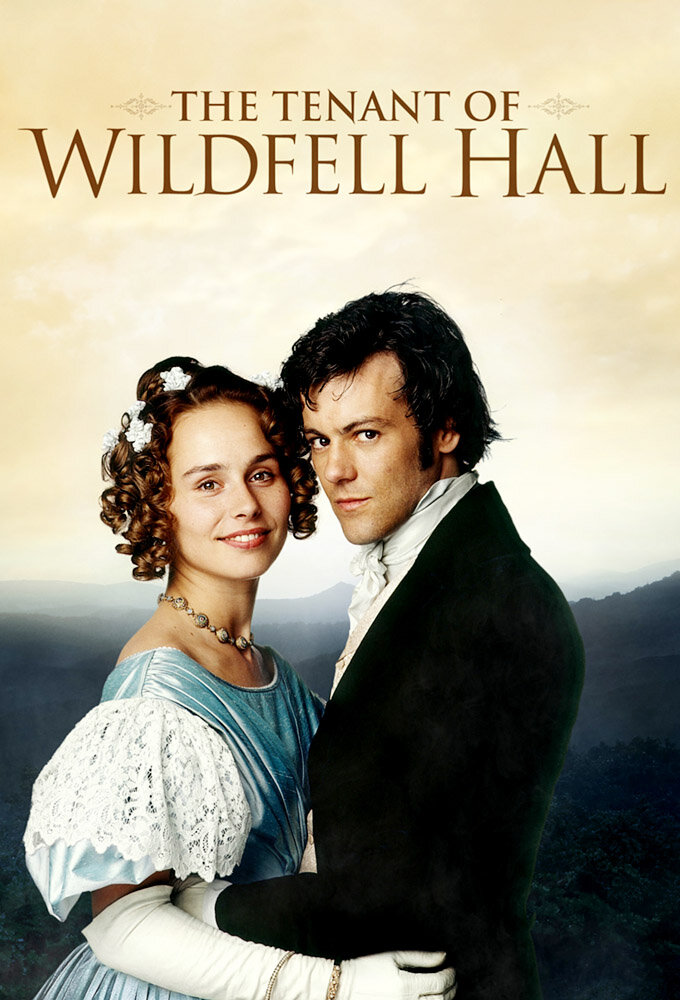
The Tenant of Wildfell Hall1996
Anne Brontë's feminist fury adapted with quiet power. A woman leaves her abusive husband and faces social annihilation—less philosophical than Hardy, more openly angry about the specific cruelties women endure.
But The pacing is deliberate and the tone is grimmer than some period dramas; it doesn't soften its edges for comfort.
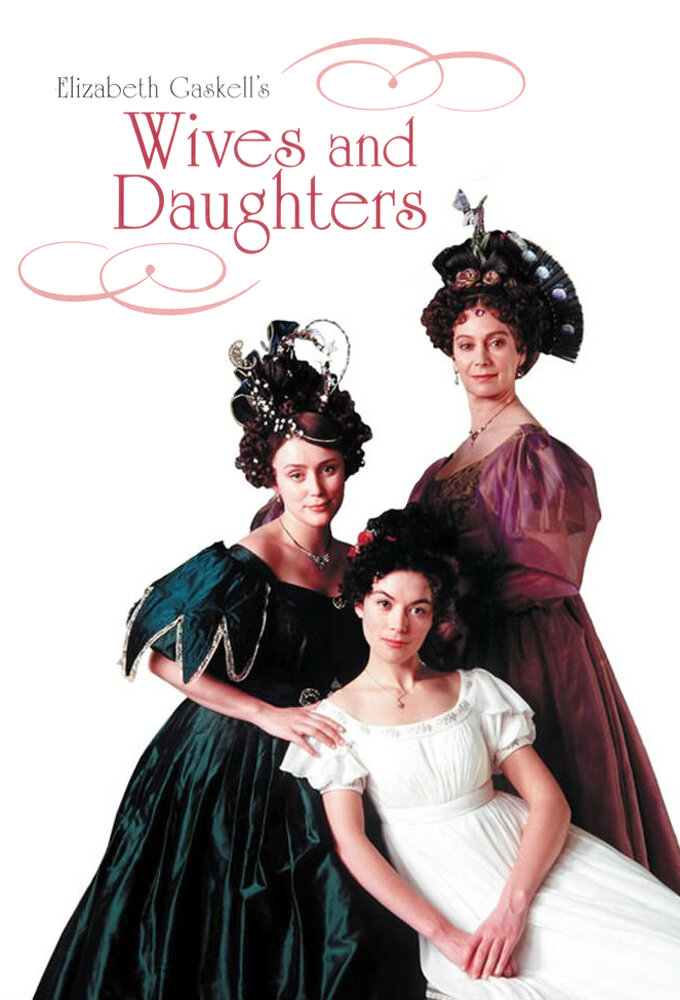
Wives and Daughters1999
Elizabeth Gaskell's novel is warmer than Hardy, but carries the same intelligence about how women navigate family, marriage, and reputation. Beautifully cast and genuinely moving without ever feeling sentimental.
But It's more of an ensemble drama than a character study, so if you're drawn to Tess specifically for Arterton's intensity, this diffuses focus across a larger cast.
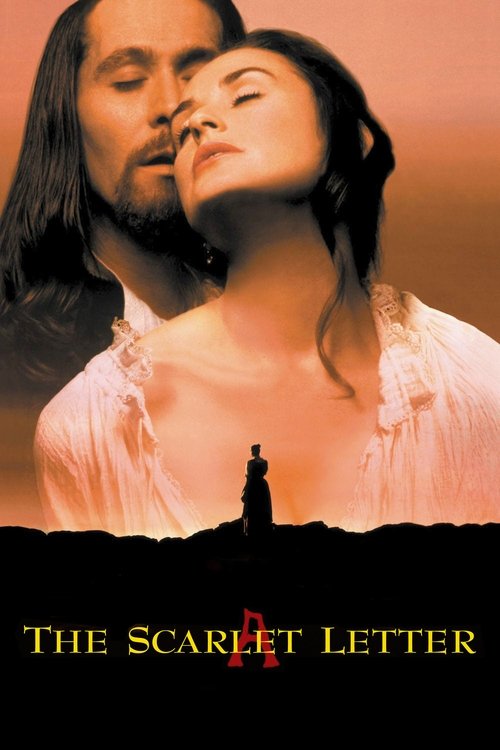
The Scarlet Letter1995
Demi Moore as Hester Prynne in a 1600s New England where a woman branded for sin becomes the town's moral conscience. Same DNA as Tess—violation, judgment, and the question of who actually deserves punishment.
But The film softens and romanticizes Hawthorne in ways purists dislike, and the love story overtakes the social critique.
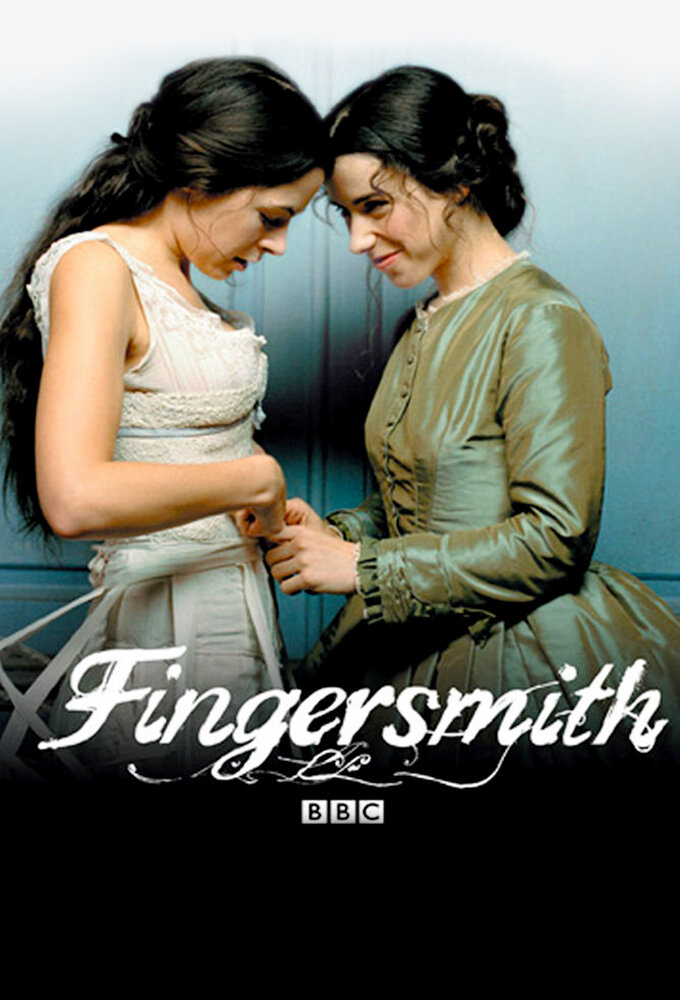
Fingersmith2005
Sarah Waters' Victorian con-girl drama is a page-turner with real emotional depth. The plotting is clever, the twists land, and it captures period atmosphere without ever feeling stuffy or safe.
But The sexual violence is more explicit than Tess, and the rapid-fire plotting can feel less meditative if you prefer Hardy's tragic stillness.
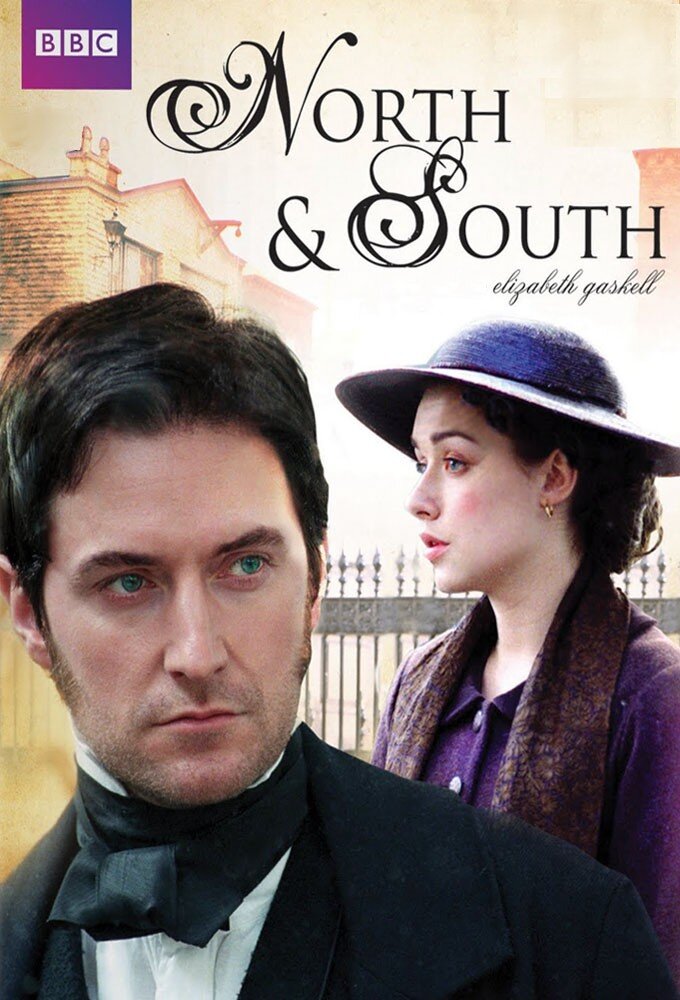
North & South2004
Elizabeth Gaskell's industrial-age drama with Margaret Hale caught between North and South, tradition and progress, duty and desire. Richard Armitage is magnetic; the writing is smart and the romance actually earns its weight.
But It's a love story that matters more than in Tess; if you want bleaker outcomes and less comfort, this will feel optimistic.
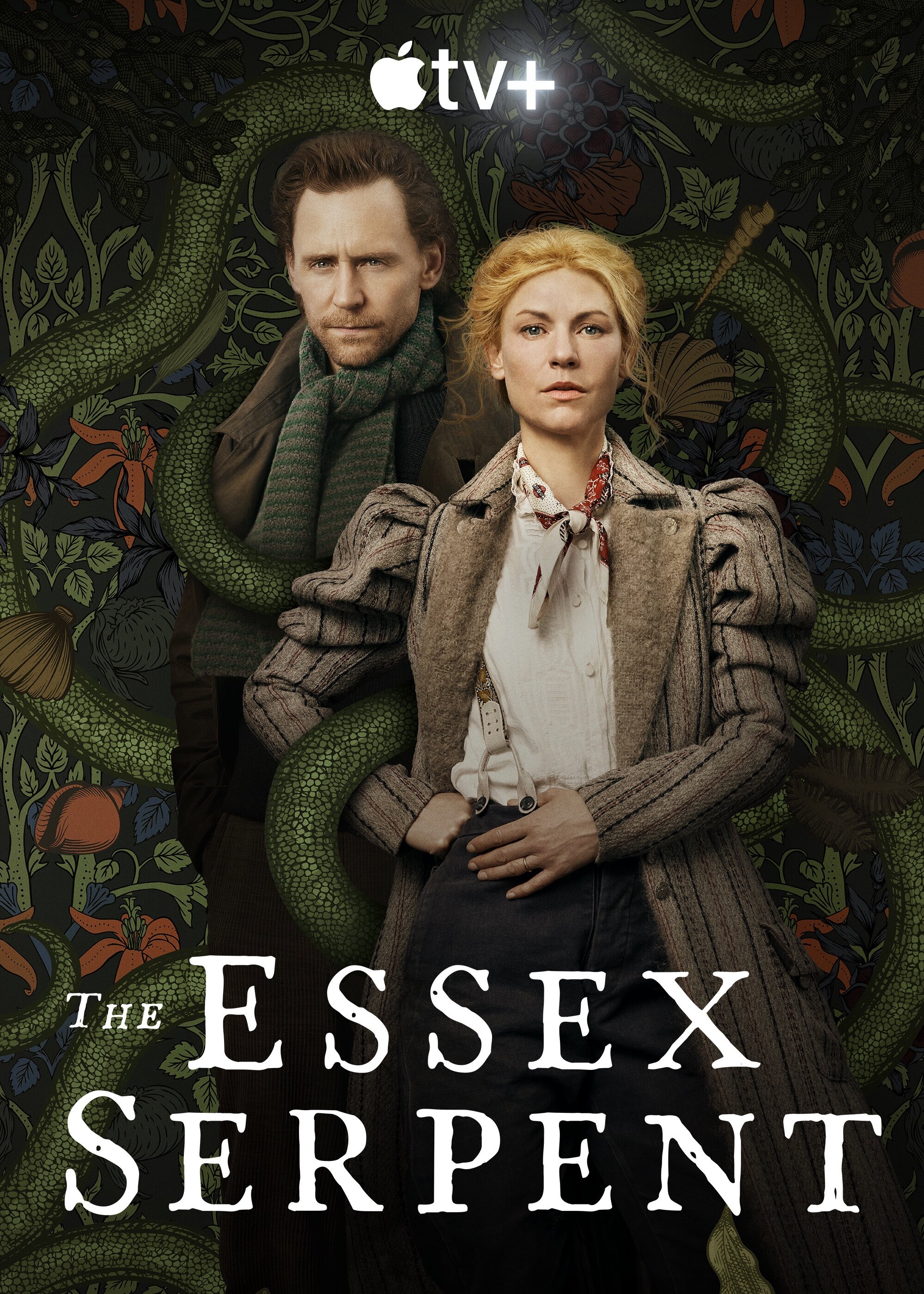
The Essex Serpent2022
Claire Danes in a darkly sensual Victorian mystery about faith, desire, and the unknown. Gorgeously shot, strange in the best way, and full of uncomfortable human truths wrapped in Gothic atmosphere.
But It's more atmospheric puzzle-box than straightforward narrative, and some find its pacing more haunting than satisfying.
Mulholland Drive2001
Both centre on a woman whose life splinters through no clear fault of her own. Both suggest that the world is structured to destroy certain kinds of people. Both are formally daring enough to make that destruction feel like art rather than accident.
David Lynch's Los Angeles dream-nightmare about ambition, identity, and the violence hidden beneath beauty. Naomi Watts delivers a devastating performance as someone undone by forces she can't see coming. It's disorienting and hypnotic.
But It's deliberately non-linear and refuses to explain itself; if you need clarity and conventional narrative, this will infuriate you.

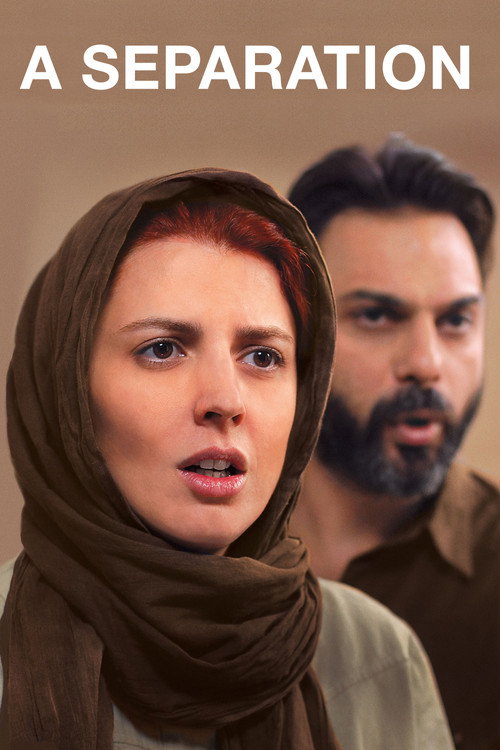
A Separation2011
Both are about ordinary people destroyed by social structure and their own goodness. Both ask: what happens when integrity isn't enough? Both suggest that tragedy isn't dramatic—it's administrative, bureaucratic, the slow accumulation of small failures.
Asghar Farhadi's Iranian masterpiece about a marriage fracturing over irreconcilable values. It's contemporary, it's morally complex, and it has none of the period distance—just people trying to survive their circumstances with dignity intact.
But There are no heroes and no clear villains; it demands you hold multiple truths. Some find moral ambiguity exhausting rather than honest.
People
Cast







Production
- Kate HarwoodExecutive Producer
Recommended by
Great Expectations, Daniel Deronda, Wuthering Heights, The Forsyte Saga, Little Dorrit, David Copperfield, The Tenant of Wildfell Hall, Mansfield Park, Lillie, David Copperfield, Adam Bede, The Loves of Joanna Godden