
Television series
Mansfield Park
Other titles called Mansfield Park: the 1999 film.
The 1983 BBC adaptation of Austen's most austere novel is all restraint and slow revelation—a portrait of a girl who refuses to be moved, even when the world pressures her into compromise. It's meticulous period drama for viewers who appreciate moral conviction over melodrama, and who understand that sometimes the real story is what someone *doesn't* do.
Should you watch it?
Watch it if you enjoy slow social comedy where the cruelty is perfectly polite and the real drama sits in what people fail to say across a dinner table, and you don't mind a quiet heroine doing most of the watching.
Skip it if you want brisk plot or a lead who drives events, since this is mostly talk, glances and drawing-room waiting that can feel airless.
What it asks of you: Six episodes of about fifty-five minutes played at a measured pace where long silences and polite evasions carry much of the weight, asking for a slow close watch.
Not sure? Find tonight's pick in a minute.
If you liked this
Pride and Prejudice
The BBC's definitive Austen, with superior romantic tension and a heroine who actively chooses her fate. If you loved Mansfield Park's integrity but want more spark, this delivers both principle and genuine wit.
But Elizabeth Bennet's confidence may feel like a rebuke to Fanny's quiet suffering. Six hours is a commitment, and the pacing in episode one can feel glacial.
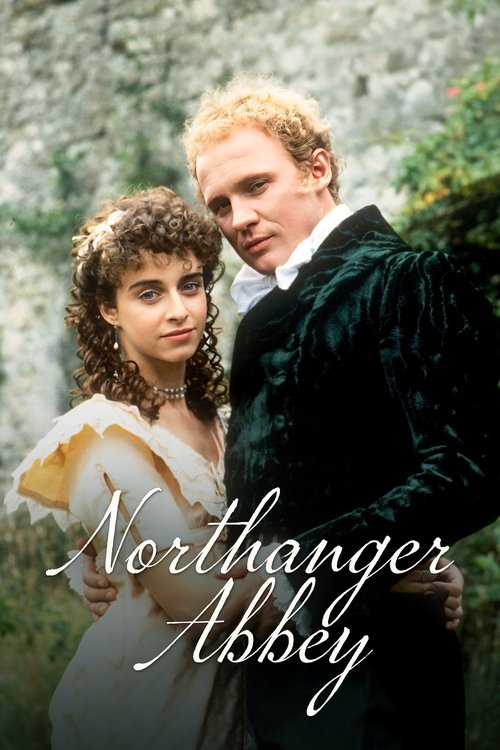
Northanger Abbey1987
Another BBC Austen from the same era with similar production values. It's lighter than Mansfield Park but shares the same attention to social performance and the gap between appearance and truth.
But The comedy is more pointed and frequent. If you're drawn specifically to Mansfield Park's solemn tone, this might feel like a tonal shift.
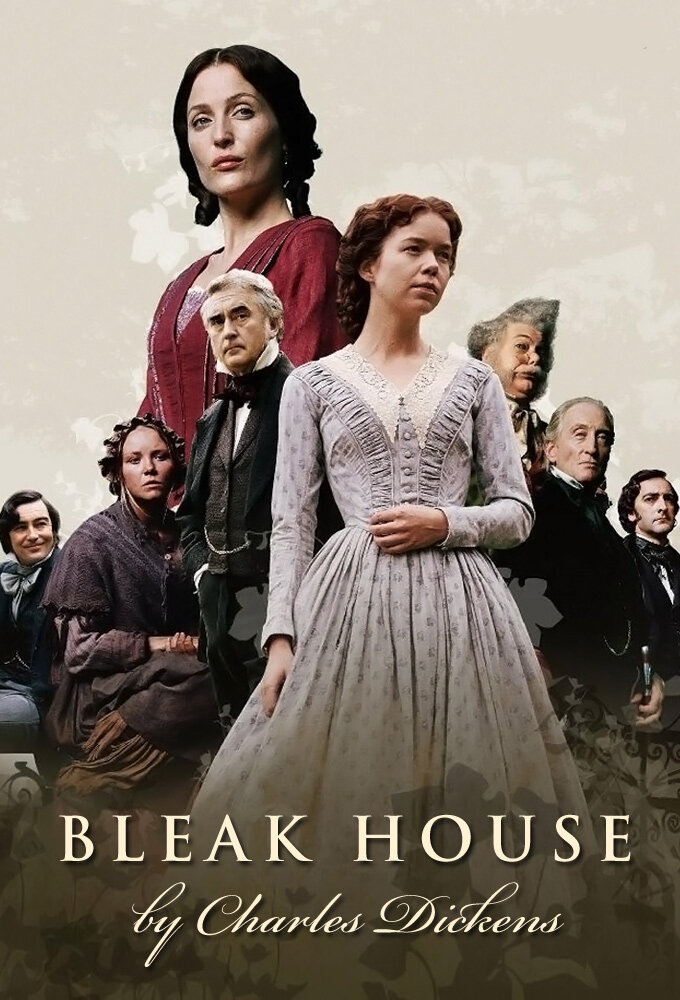
Bleak House2005
A serialised Victorian story that matches Mansfield Park's immersion in how institutions grind down individuals. It's bigger and more gothic, but shares the same unflinching view of power and complicity.
But At fifteen hours, it demands real investment. Some storylines sprawl; Mansfield Park's narrower focus may feel more controlled by comparison.
Not sure tonight? Get a pick in a minute, starting from Mansfield Park
The wildcard
Something you would not have found on your own.
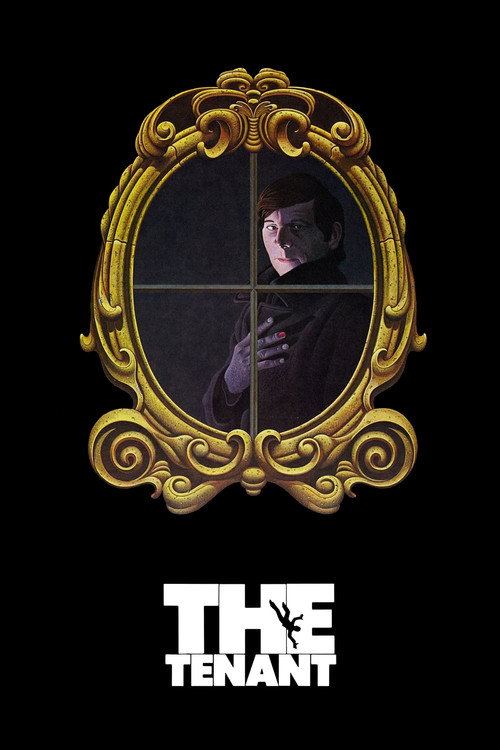
The Tenant1976
Both explore what happens to a woman who refuses to fight back against a hostile household. Mansfield Park suggests virtue in that refusal; Tenant suggests it's a symptom of something broken.
A surreal, claustrophobic nightmare about a woman ground down by social pressure and her own inability to resist. Like Fanny, the protagonist is passive in her own destruction—but here passivity becomes psychological horror.
But It's a Roman Polanski psychological thriller, not period drama. The dread is visceral and modern; if you want Austen's emotional subtlety, this goes somewhere much darker and stranger.
More like this (8)
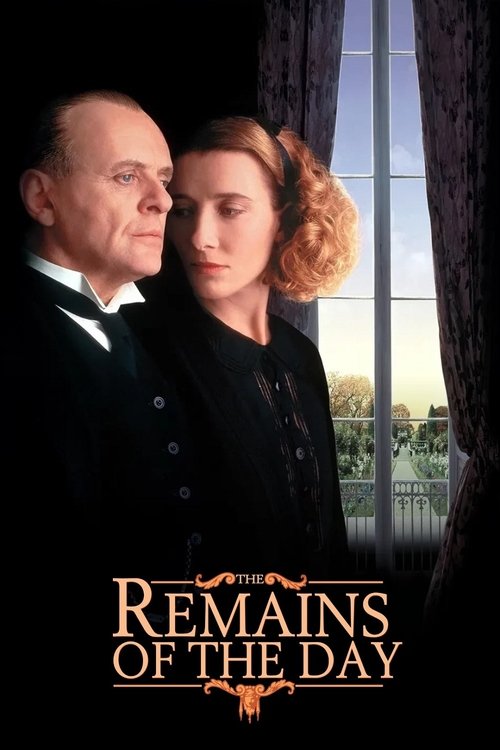
The Remains of the Day1993
A film about a man who sacrificed everything—including love—for duty and propriety. It has Fanny's fundamental sadness, and the same question: was the sacrifice justified, or just sad?
But Anthony Hopkins' performance is restrained to the point of invisibility. If you want emotional catharsis, you won't find it here.
Emma2009
A Masterpiece production that respects Austen's text while giving it visual generosity. Emma's arc from arrogance to self-knowledge complements Fanny's journey in illuminating ways.
But Emma is fundamentally more likeable and fun. Fanny's seriousness gives way here to charm, which might feel like a step backward.

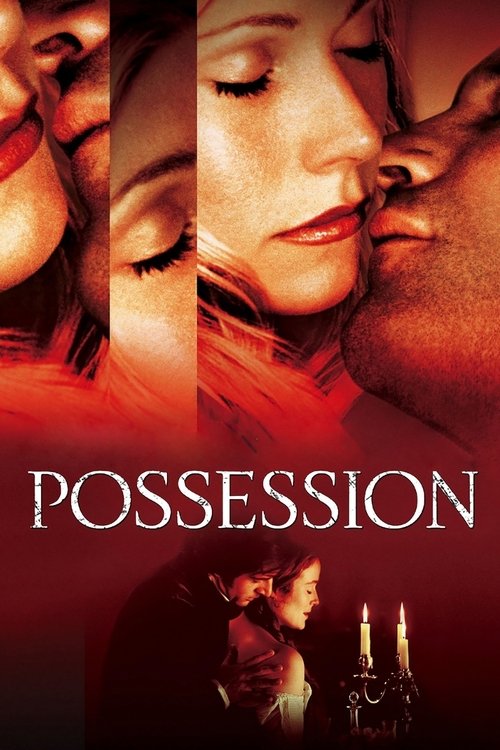
Possession2002
A layered drama about hidden passions and what we owe to duty versus desire. Like Mansfield Park, it asks what love means when it can't be spoken, and whether silence is protection or surrender.
But The dual narrative jumps between past and present. Some viewers find the fractured structure distracting rather than illuminating.
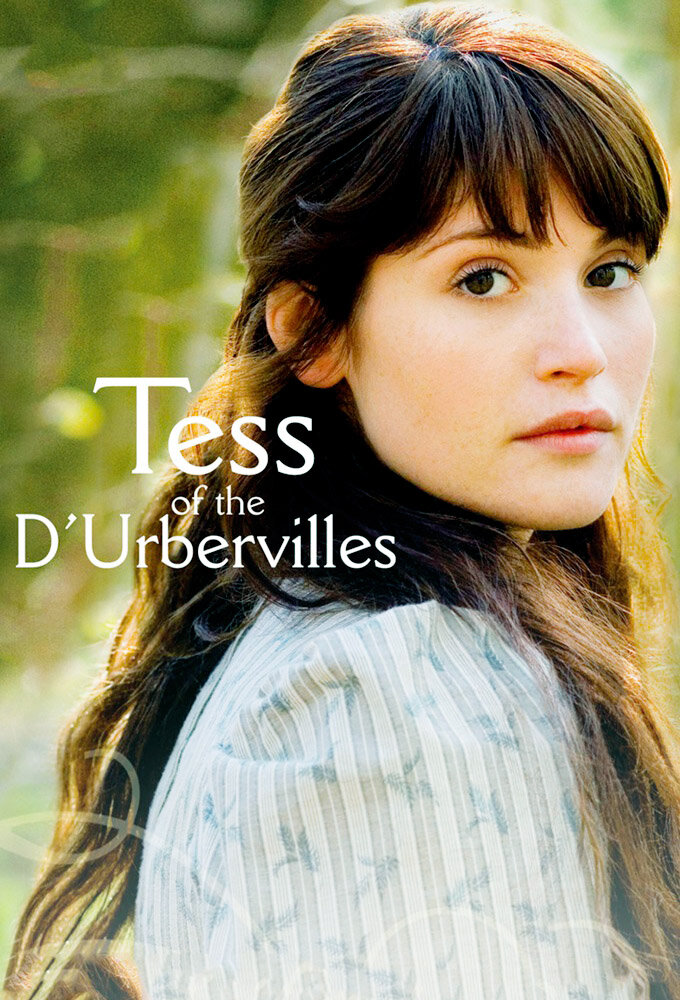
Tess of the D'Urbervilles2008
A British period drama about a young woman destroyed by circumstances beyond her control, with similar visual richness and moral weight. The tragedy is clearer, but the atmosphere is kindred.
But Tess is far grimmer. Mansfield Park ends in quiet contentment; this ends in devastation. The tonal difference is significant.
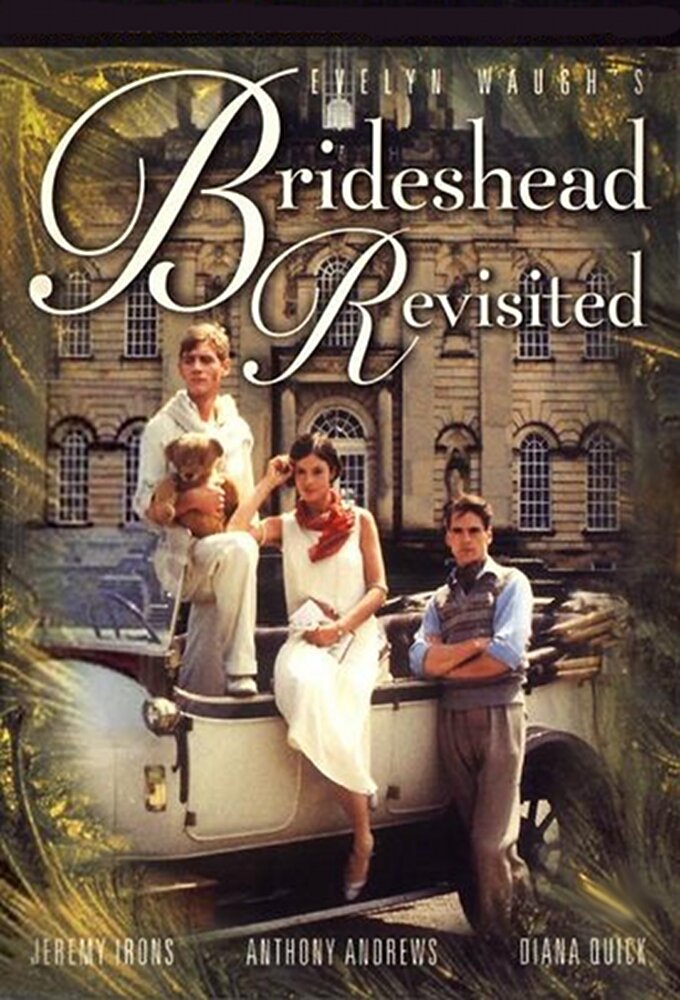
Brideshead Revisited1981
An eleven-hour meditation on how privilege and faith warp love and loyalty. The production design is stunning, and like Mansfield Park, it trusts viewers to sit with ambiguous emotions.
But It's more baroque and emotionally operatic than Austen ever is. The Catholicism and class anxiety may feel remote from the tighter moral world of Mansfield Park.
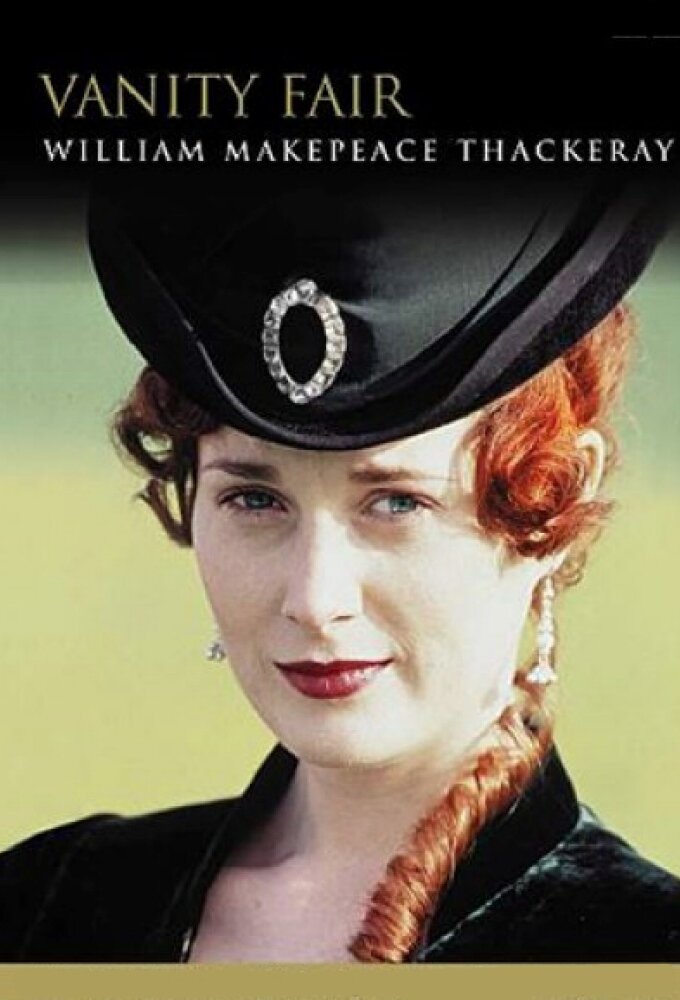
Vanity Fair1998
A Thackeray adaptation that, like Mansfield Park, examines how women navigate limited choices. Becky Sharp's scheming contrasts sharply with Fanny's passivity, offering a useful mirror.
But The production values are lower. And Becky's energy might exhaust viewers seeking something closer to Mansfield Park's contemplative pace.
The Burning Girls2023
Both centre a protagonist learning that the world doesn't care about your virtue, only your usefulness. Both ask: what does it cost to be kind in an unkind place?
A contemporary BBC drama about a woman rebuilding a life after trauma, discovering that the people around her have their own hidden cruelties. It translates Mansfield Park's central insight—that kindness is rare and precious—into modern domestic life.
But It's a three-part modern thriller, not period Austen. The pacing is urgent rather than contemplative, and the tone is grittier and more psychological than anything Austen wrote.

Pather Panchali1955
Both are studies in powerlessness and endurance. Both believe that small acts of kindness and attention are the only real victories available. Both are shot through with a kind of grave tenderness.
Satyajit Ray's masterpiece about poverty, family, and a girl's quiet suffocation within circumstance. Fanny's constraint becomes literal—economic and geographical—but the emotional geography is identical.
But It's a Bengali film from 1955, visually remote from BBC period drama. It's also deeply sad in ways that Mansfield Park, for all its melancholy, is not. The film moves slowly and makes few concessions.
