
Television series
Vanity Fair
Other titles called Vanity Fair: the 1998 series (BBC One), the 2004 film.
A glittering, serpentine drama about social climbing and self-invention in Regency England. Olivia Cooke's Becky Sharp is morally flexible, fearlessly ambitious, and impossible to look away from as she schemes her way through drawing rooms and battlefields. Sharp-tongued, elegantly produced, and alive to the fact that everyone's performing—most of the time, Becky's just more honest about it.
Should you watch it?
Watch it if you enjoy a schemer you cannot quite root against, and like your period drama sharp-tongued, morally slippery and happy to let the social climbing be the point.
Skip it if you want a warm, sympathetic heroine or a faithful, leisurely reading of the novel, since this version moves briskly and keeps its heroine at a cool distance.
What it asks of you: Seven episodes of about an hour each, so it is a short commitment, but it wants close attention to who is lying to whom and why.
Not sure? Find tonight's pick in a minute.
If you liked this
Bridgerton2020
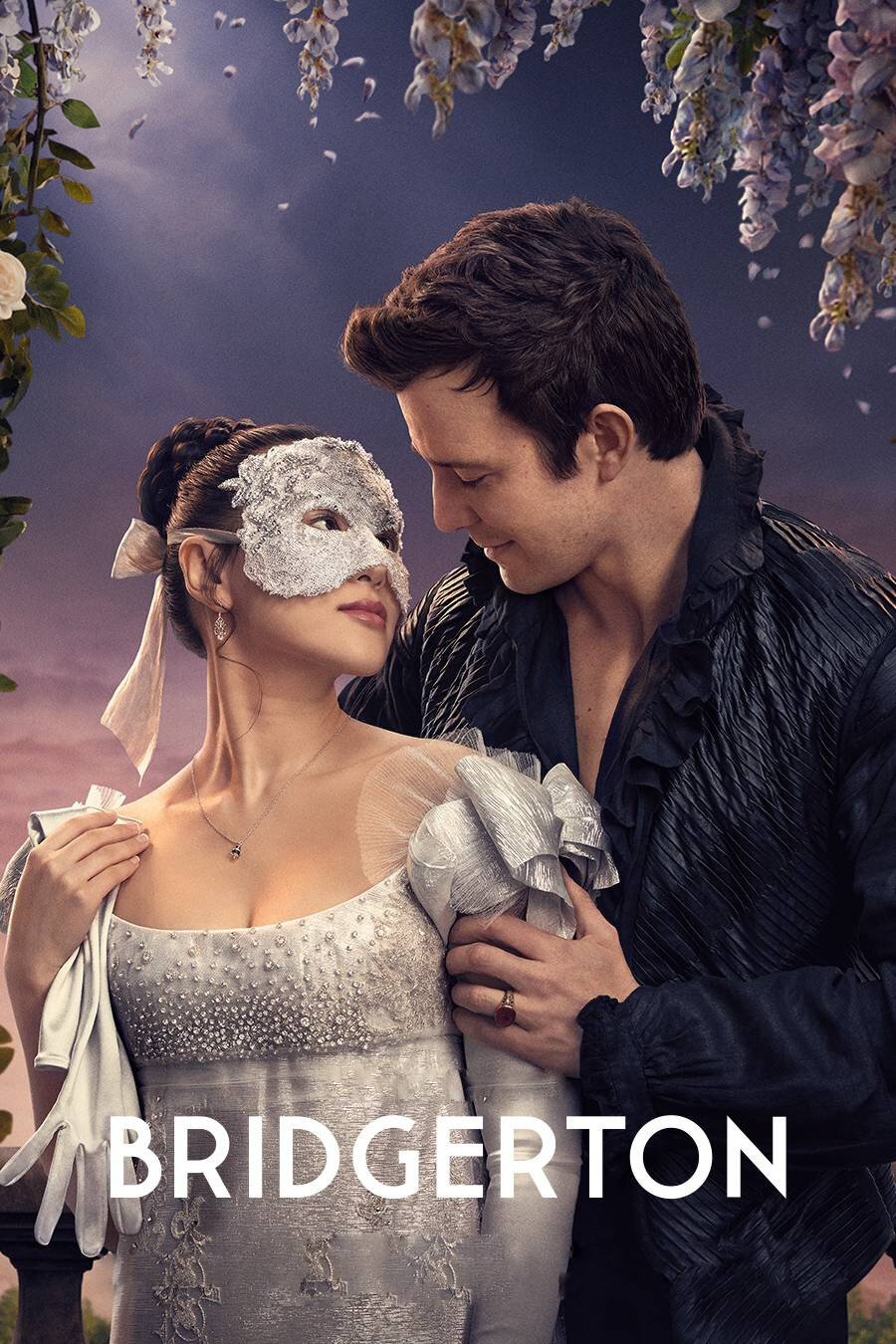
Same world, different angle: where Bridgerton wears Regency romance like a ball gown, this finds the scheming, social desperation, and genuine heartbreak underneath. Cooke's Becky is what happens when you remove the restraint.
But If you want your period drama to be purely escapist comfort, Becky's moral flexibility and the show's cynical eye on "society" might feel too pointed and cold.
Succession2018
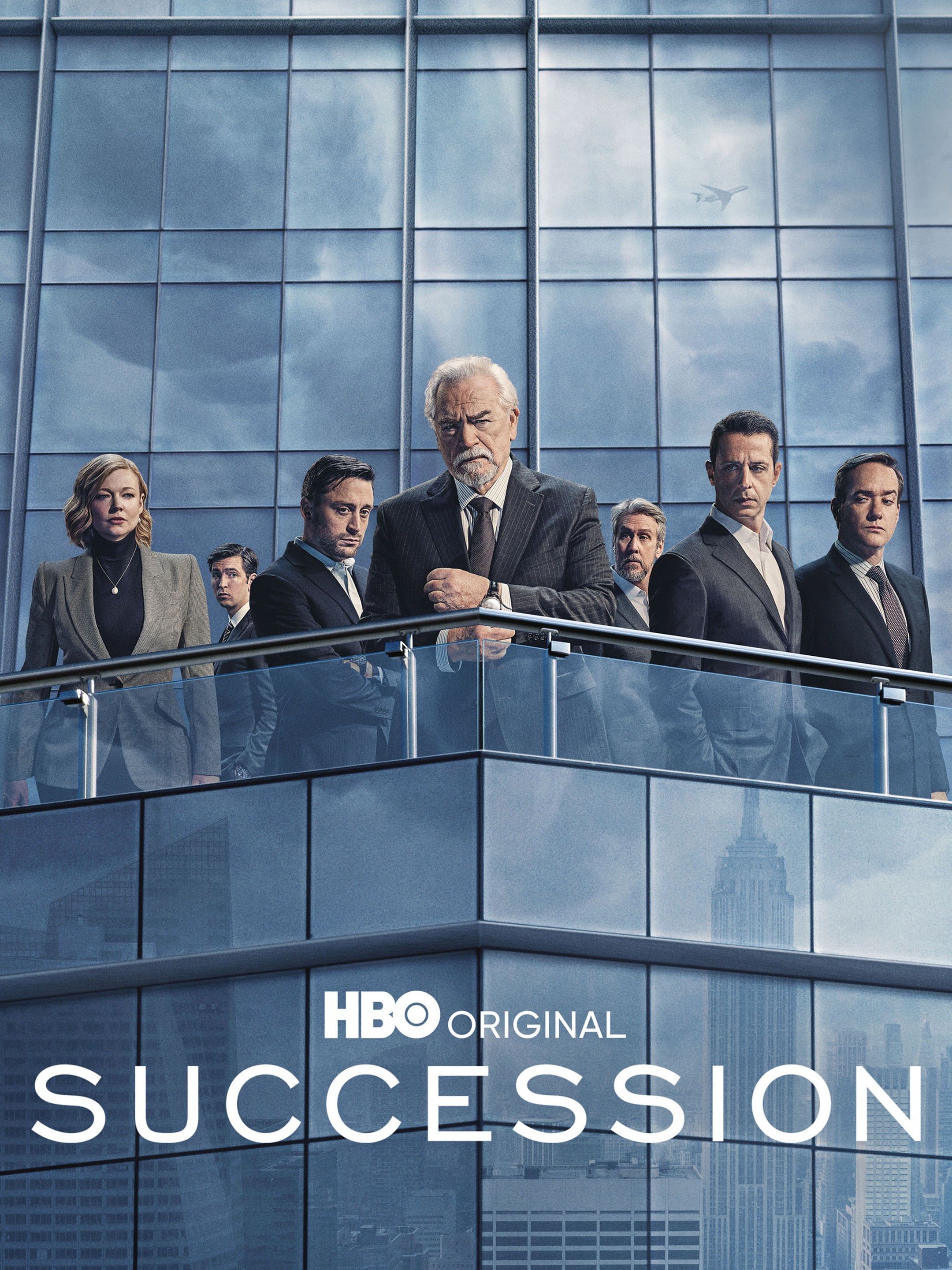
Both are about people clawing upward through systems that don't want them, lying beautifully, and discovering that winning doesn't feel like you thought it would. Same ruthlessness, same dark humour, same fascination with how power actually works.
But Very different worlds—modern corporate versus Regency drawing rooms—so if you need the historical aesthetics to stay engaged, this won't scratch that itch.
The Miniaturist2017
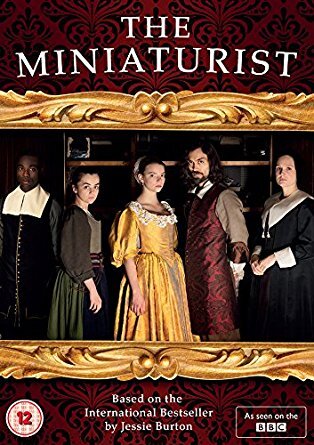
Another tale of a young woman arriving in a glittering world she doesn't understand, where secrets compound and nothing is as it seems. Hypnotic, gorgeous, and equally interested in what happens when ambition meets isolation.
But Slower-paced and more gothic; if you're watching Vanity Fair for plot momentum, this trades speed for atmosphere in ways that won't suit everyone.
Not sure tonight? Get a pick in a minute, starting from Vanity Fair
The wildcard
Something you would not have found on your own.
The Death of Louis XIV2016
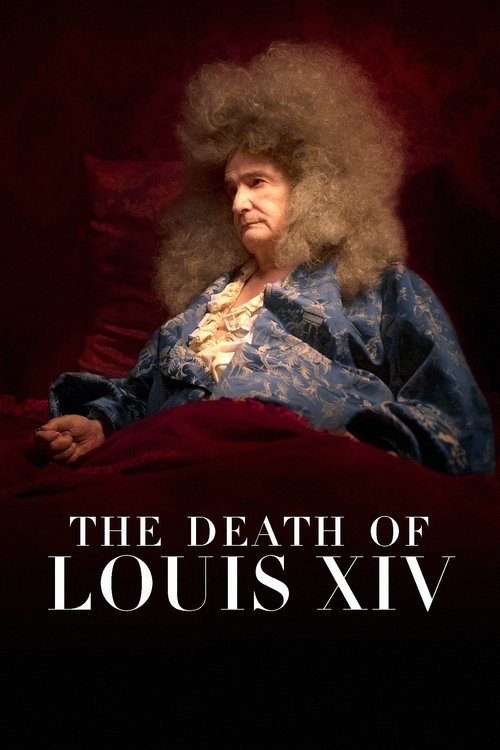
Both are studies of people aware they're always being watched, always performing their role. The elaborate costume drama of power, whether it's climbing into it or dying while wearing it.
A nearly silent French film about an aging king's final days. It sounds like the opposite of Vanity Fair—plotless, austere, almost meditative—but both are obsessed with performance, theatricality, and the gap between appearance and reality. Becky performing for society, Louis performing kingship: two sides of the same coin.
But Ninety minutes of a man dying in a bedroom, mostly without dialogue. If you want energy and incident, this will feel like watching paint crack.
More like this (8)
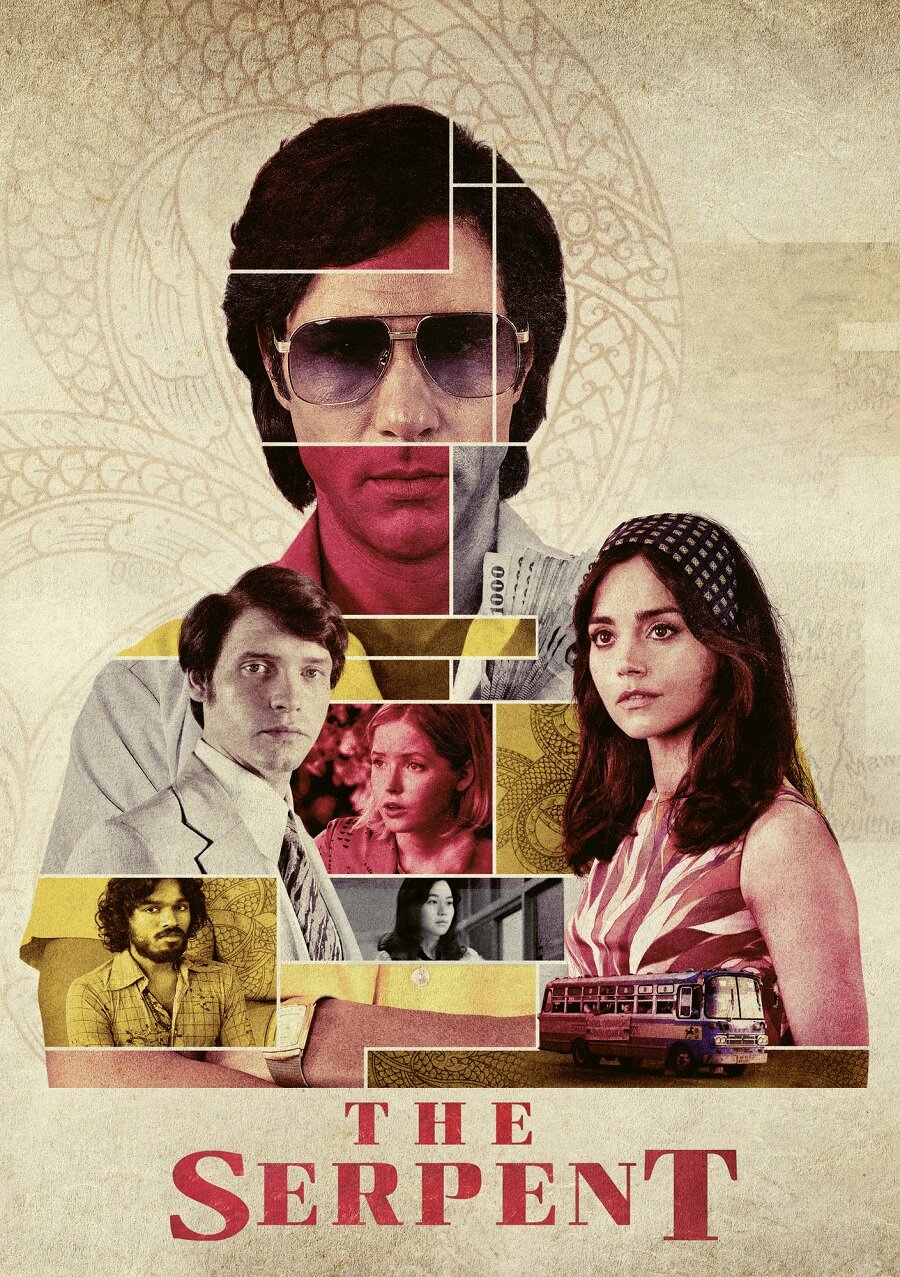
The Serpent2021
A true story of a charming con artist's rise and fall across continents. Same dark pleasure in watching someone talk their way through rooms, same question about whether we're rooting for them or horrified by them.
But Real violence and real victims; the historical removal of Vanity Fair provides moral distance this doesn't, which some find more troubling to watch.
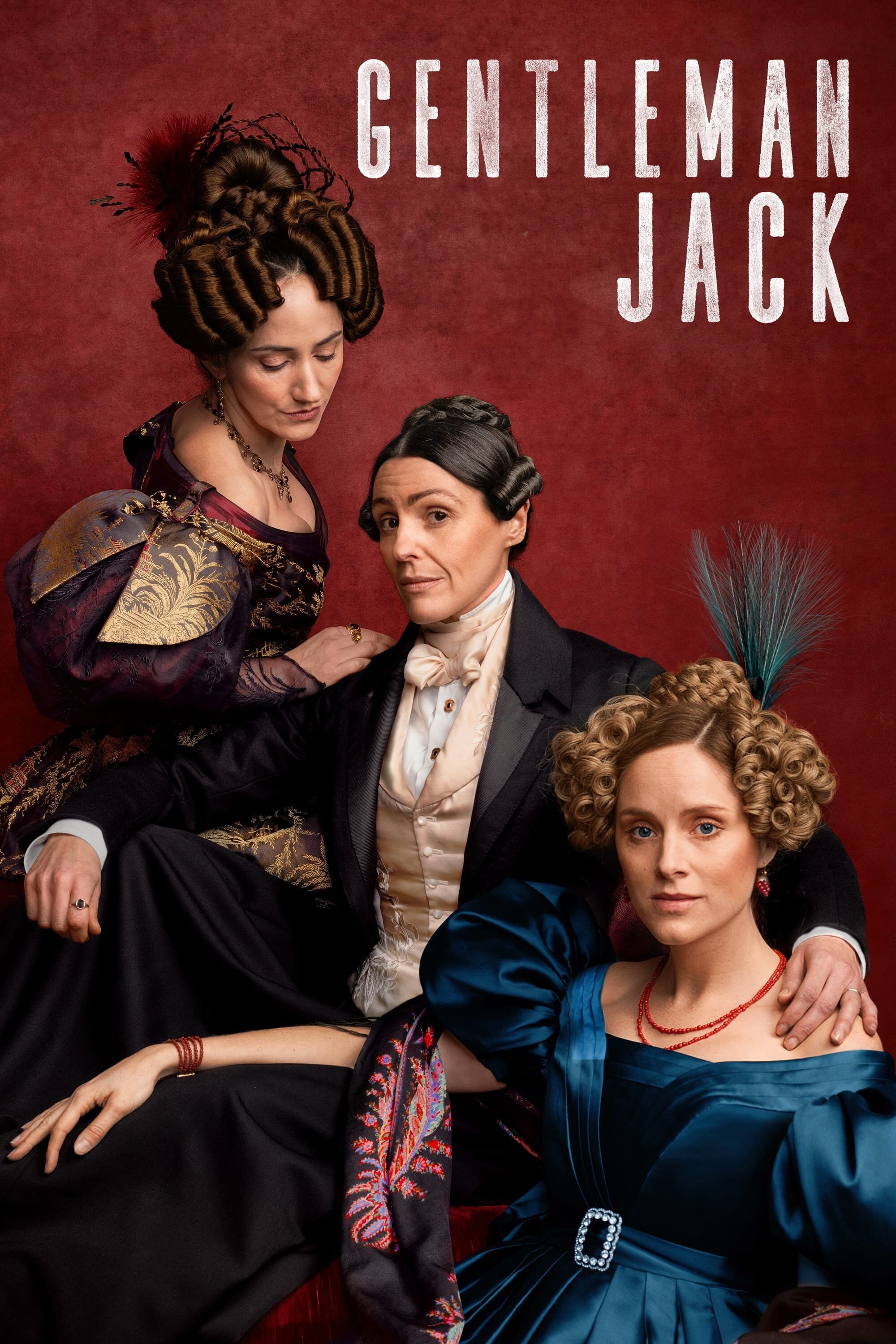
Gentleman Jack2019
Period drama that refuses to be dull or reverent. Halifax in the 1830s, a woman reinventing herself on her own terms, wit and sexuality and ambition all tangled together. Sally Wainwright writes with the same sharp eye.
But Slower in the early episodes, and the romantic plot matters more than it does in Vanity Fair, which some experience as a shift in stakes rather than deepening.
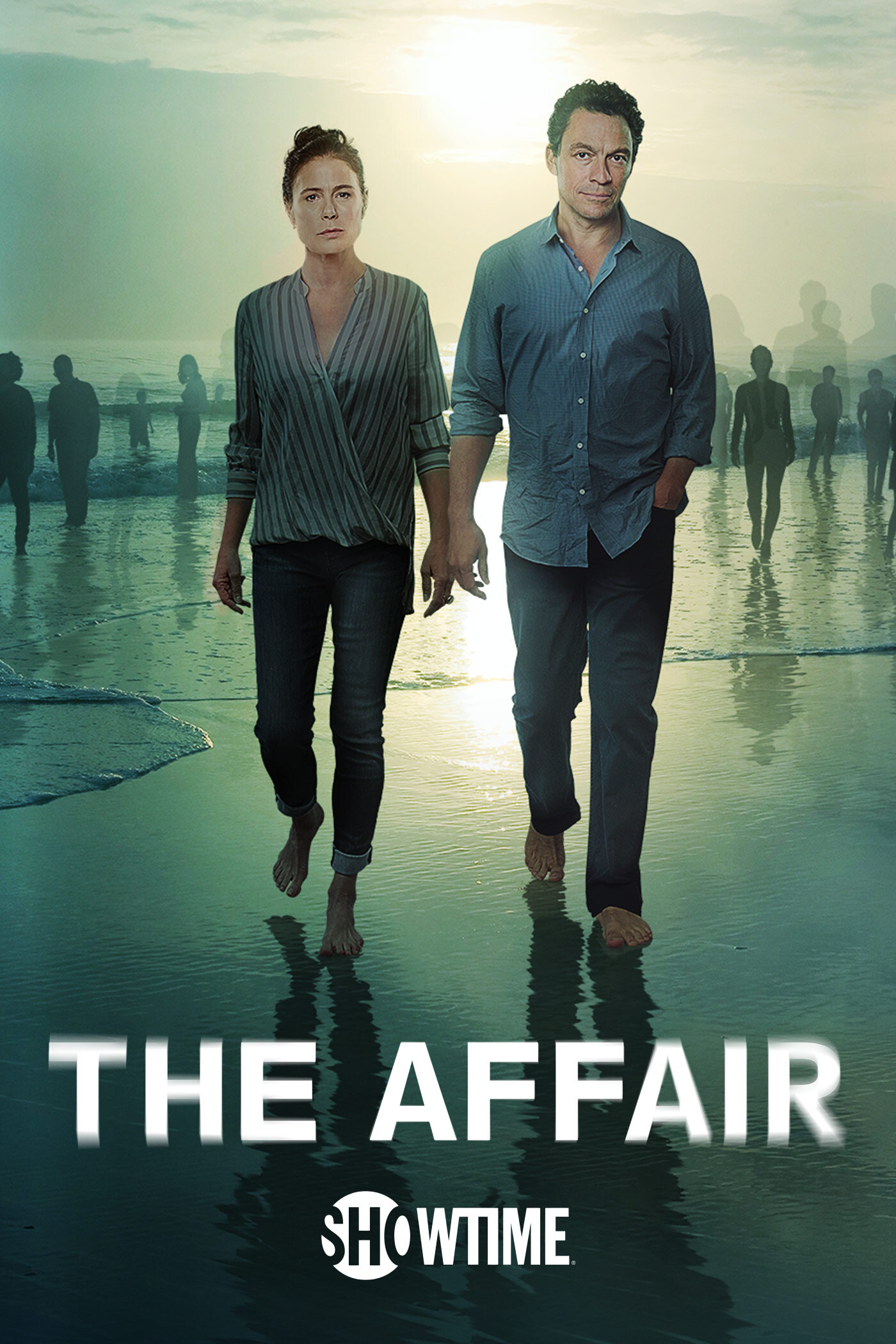
The Affair2014
Everyone's lying, everyone's performing, everyone has a version of events. Same structural DNA—unreliable narrators, shifting perspectives—applied to modern infidelity rather than social climbing, but the moral complexity is identical.
But Contemporary setting in upstate New York; if you're drawn to Vanity Fair specifically for its historical texture, the modern world feels like a step away.
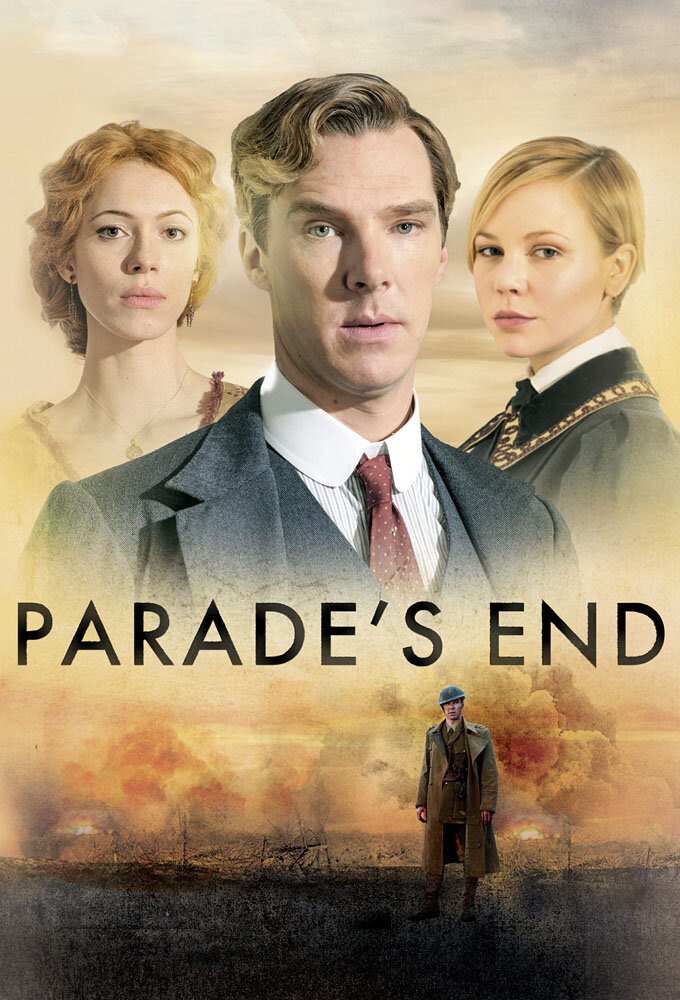
Parade's End2012
Ford Madox Ford's novel about a marriage and infidelity on the eve of the First World War, directed by Susanna White. Becky and Rawdon's relationship has this same quality—beautiful people hurting each other with style and terrible choices.
But More melancholic and introspective; if you're watching for plot propulsion and society-ballroom energy, this is slower and more inward.
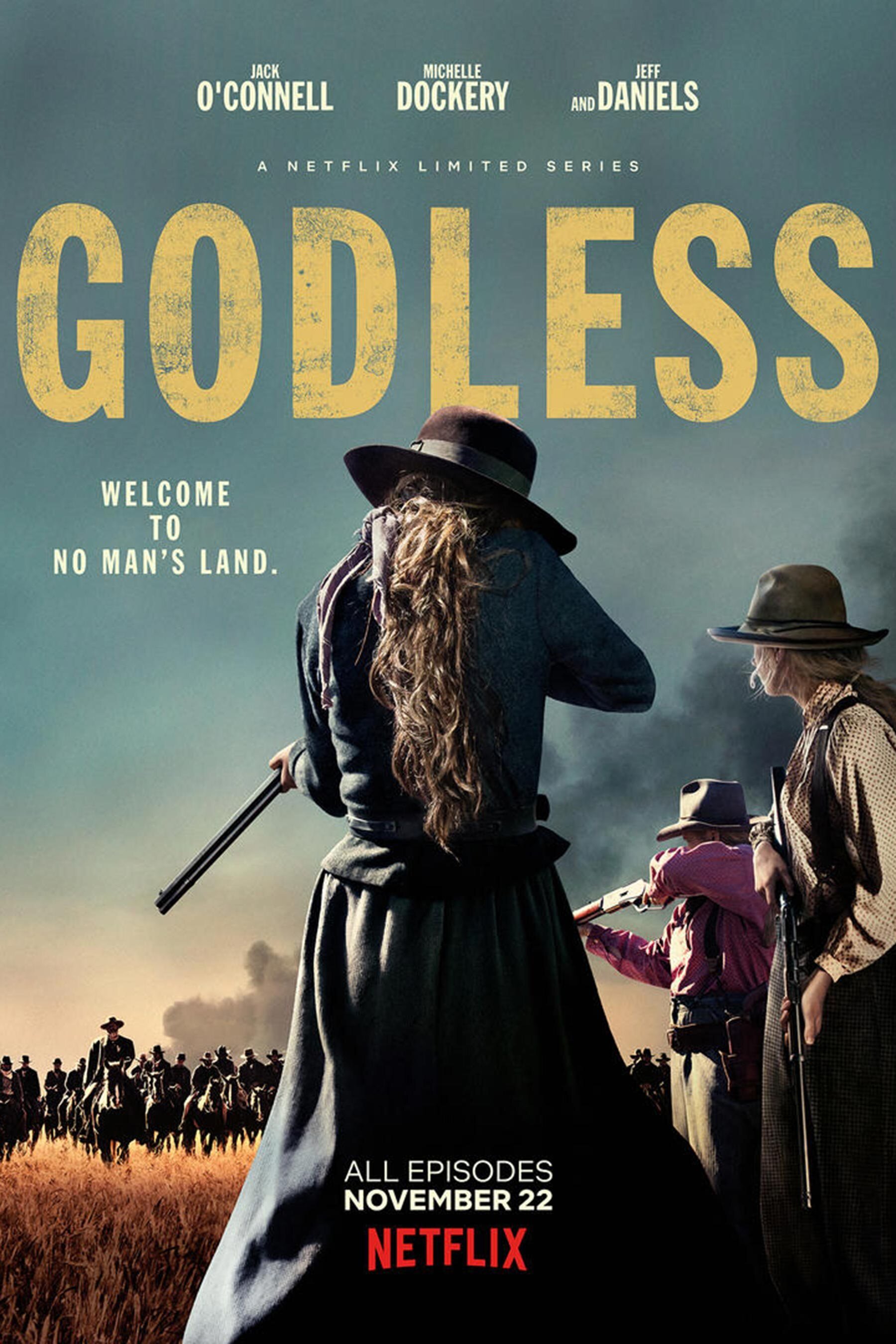
Godless2017
A woman-run town in the Old West, a woman on the run with nothing but cunning and nerve. Michelle Dockery's character operates by a different rulebook. Similar energy of female ambition and reinvention, just in a very different costume.
But Western setting and tone; the lawlessness might feel jarring if you came to Vanity Fair for rigid social structures and what happens within them.
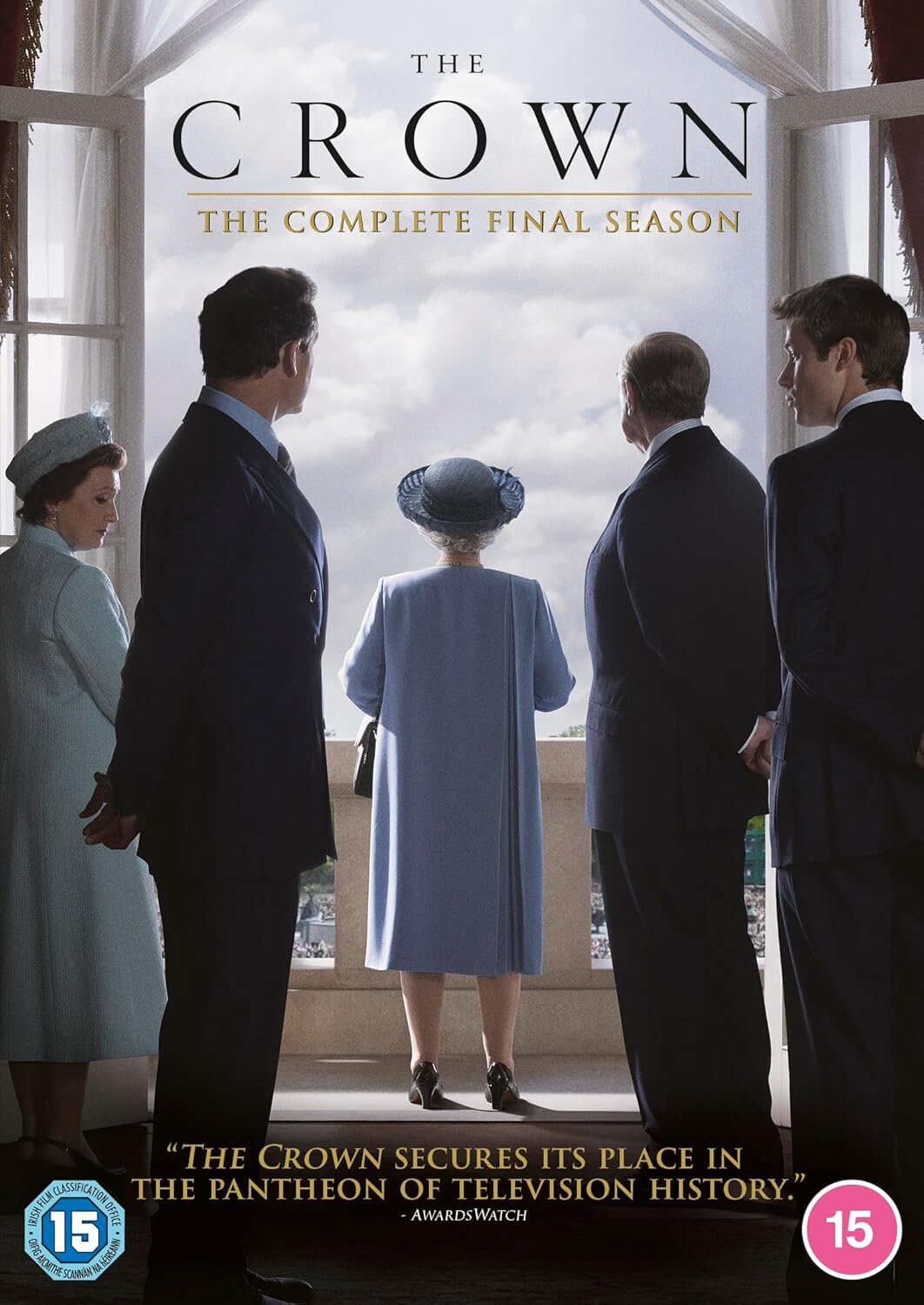
The Crown2016
Politics and performance at the highest level, gorgeous production, actors playing people who are always aware they're being watched. Same interest in how power works and what it costs, applied to a throne rather than a drawing room.
But Sprawls across decades and focuses on monarchy; if you want intimate character drama focused on one woman's arc, this diffuses attention across ensemble and history.
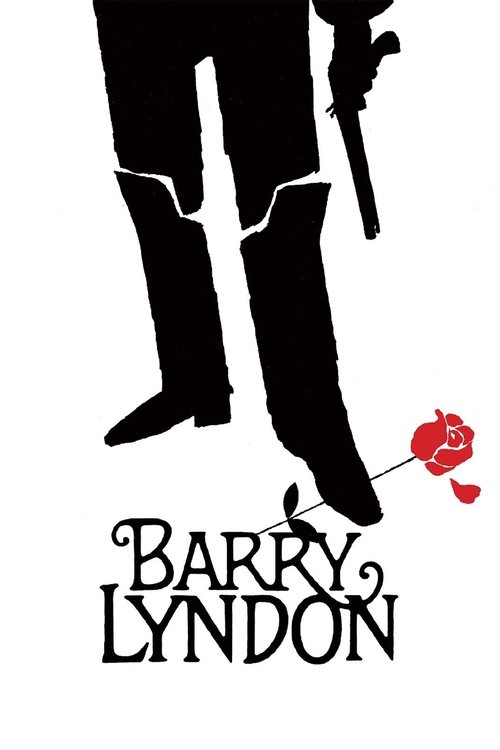
Barry Lyndon1975
Thackeray wrote both novels as studies in roguery and reinvention. This film is the companion piece Vanity Fair deserves—same author, same bones, completely different mood.
Kubrick's film of Thackeray's other novel, which is like Vanity Fair's darker, more cynical twin. A rogue on the make, beautiful cinematography lit like 18th-century paintings, and a camera that watches Redmond Barry with the same cool detachment Becky deserves. It's gorgeous and glacial.
But A three-hour film with a deliberately distant style; the beauty can feel cold, and there's no one to like, which some find exhausting rather than liberating.
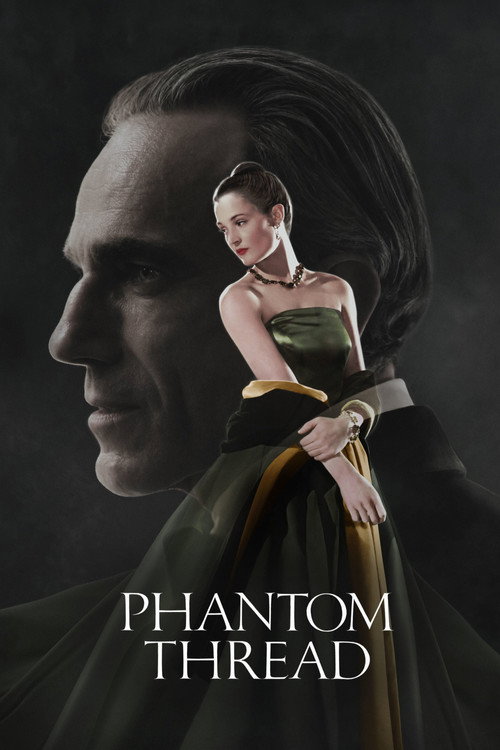
Phantom Thread2017
Both centre on a woman entering a world that doesn't want her, deploying whatever gifts she has to get what she needs. Both are interested in surfaces—costume, beauty, presentation—as genuine expressions of character rather than disguise.
Paul Thomas Anderson's film about a fashion designer and the woman who enters his life in 1950s London. On the surface, it's about haute couture and control; underneath, it's about two people using charm and performance to dominate each other. Becky's scheming, but here both players are equally ruthless.
But Glacially paced, psychological rather than plot-driven, and the final twist is strange enough that some find it precious rather than earned. Not for anyone wanting conventional narrative satisfaction.
People
Cast





Writing
- Gwyneth HughesCreator
Recommended by
Harlots, Sanditon, The Paradise, Cranford, Sense and Sensibility, The Hour, The Buccaneers, The Crimson Petal and the White, Cold Comfort Farm, Aristocrats, A Suitable Boy, The Moonstone, Dickensian, Tess of the D'Urbervilles, Upstairs Downstairs, The Innocents Abroad, Northanger Abbey, Henry VIII