
Television series
The Paradise
Other titles called The Paradise: the 2026 film.
The Paradise is a lush Victorian drama set inside England's first department store, where ambition, class, and desire collide across the shop floor and backrooms. It's a soap opera with real stakes—layoffs, scandals, moral compromise—wrapped in gorgeous costumes and the heady energy of a new world being built. For anyone who loved the specificity of Downton Abbey but craves more workplace intrigue and romantic tension.
Should you watch it?
Watch it if you enjoy slow-building workplace drama where ambition, class and a sharp romance share the same shop floor, and period detail counts for as much as the plot.
Skip it if you want a fast, self-contained plot; this is a patient, sprawling serial whose romance and business rivalries unfold over many hours, and it rarely hurries.
What it asks of you: Sixteen hour-long episodes over two series, so expect a steady commitment rather than one evening, with scenes that breathe and characters who open up slowly.
Not sure? Find tonight's pick in a minute.
If you liked this
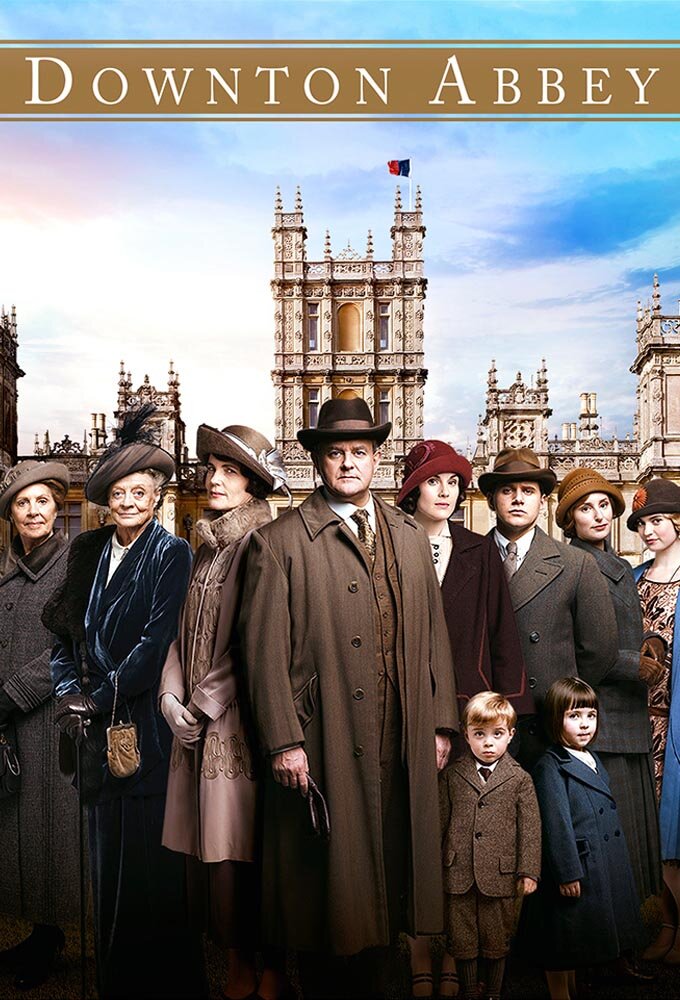
Downton Abbey2010
Both explore rigid social hierarchies collapsing under economic pressure, with ensemble casts where every subplot matters. Downton is grander; The Paradise is more intimate, but the DNA is identical.
But Downton moves slower and demands patience with minor characters whose lives you'll come to cherish. Some find that tedious rather than rewarding.
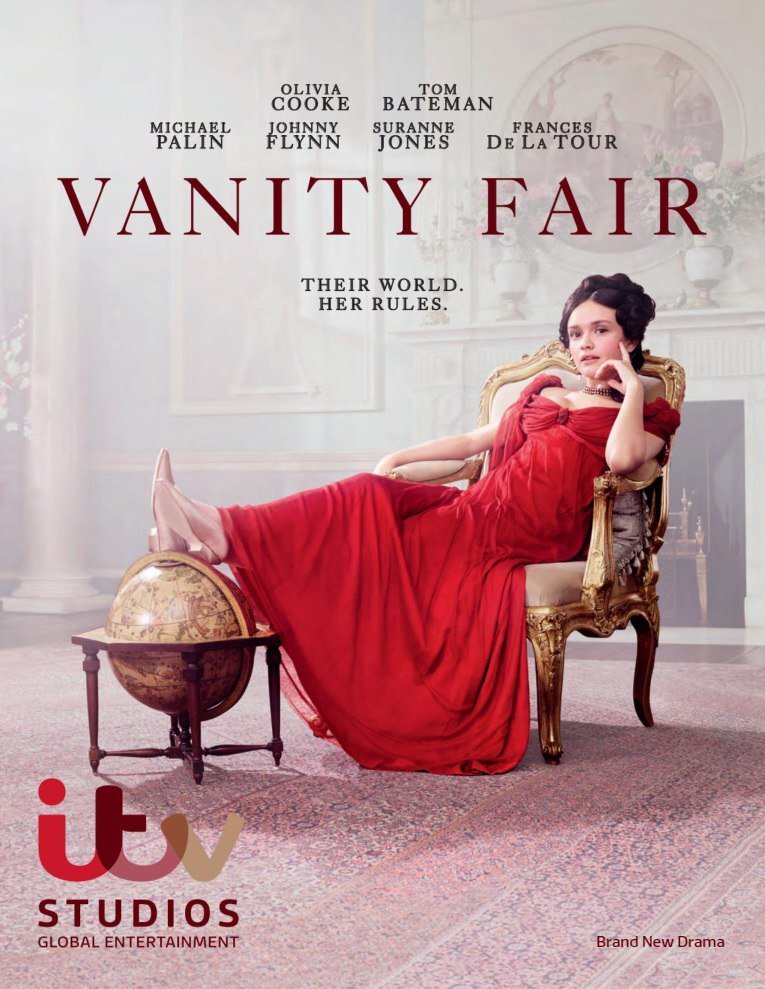
Vanity Fair2018
Becky Sharp's ruthless social climbing mirrors Moray's ambition perfectly, and both shows understand that want—not virtue—drives history. Same era, same moral ambiguity, same gorgeous betrayals.
But The 2018 version is darker and faster-paced than The Paradise. If you loved the show's gentler romance, this will feel cynical.
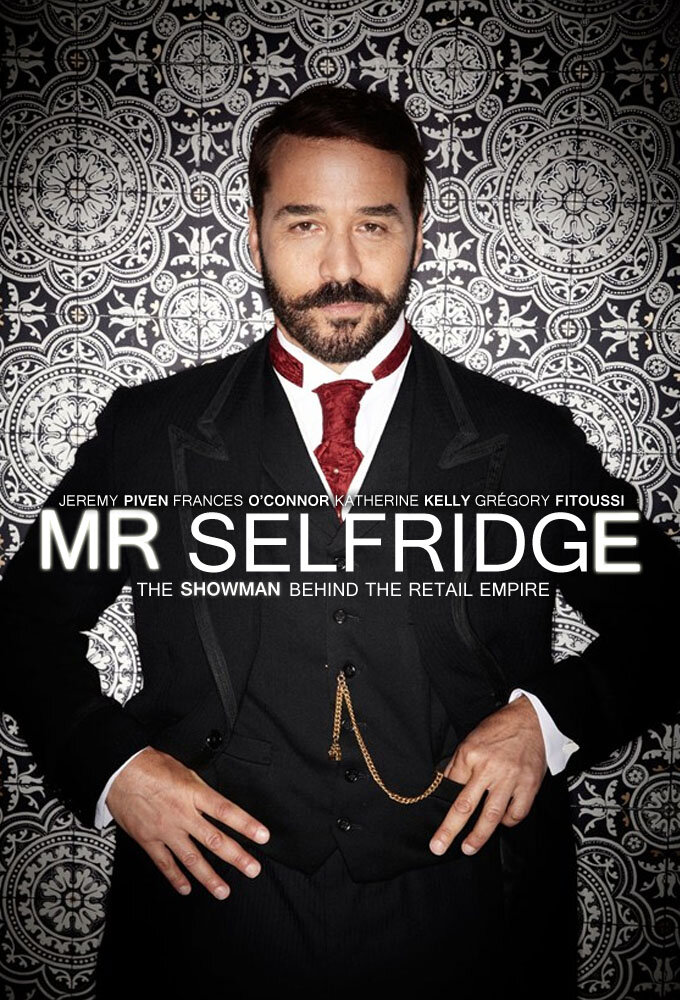
Mr. Selfridge2013
An obvious pairing: both are about the birth of the modern department store, both star charismatic men building empires while their personal lives fracture. It's The Paradise's spiritual sequel, same world a generation later.
But Selfridge himself is less sympathetic than Moray, and the show leans more into vanity and ego. Tonally it's sharper, sometimes colder.
Not sure tonight? Get a pick in a minute, starting from The Paradise
The wildcard
Something you would not have found on your own.
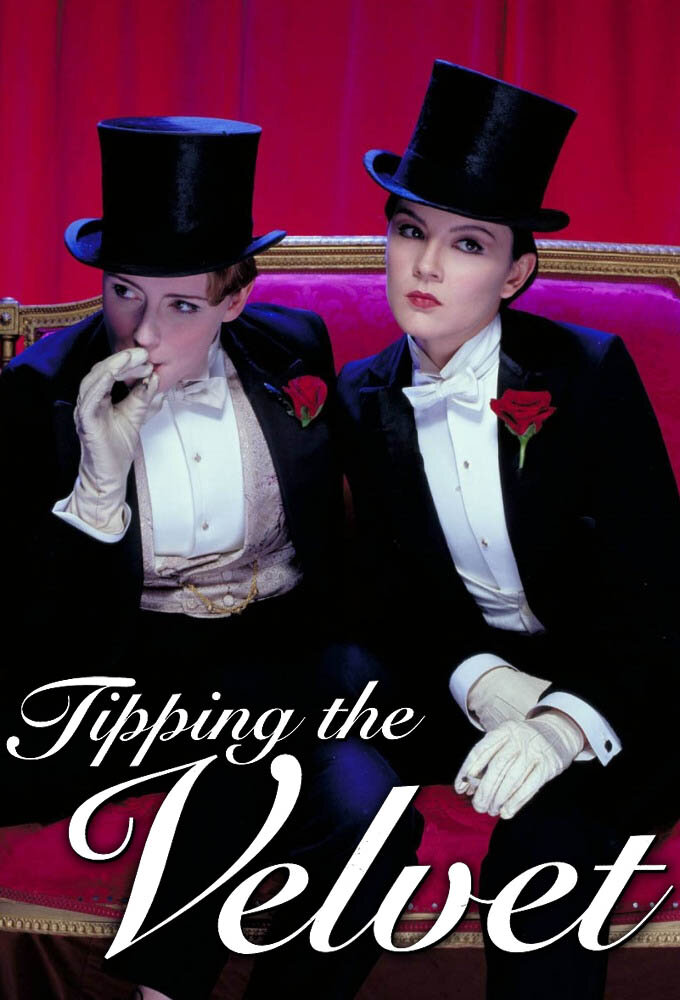
Tipping the Velvet2002
Both follow ambitious young people discovering themselves through work in a new, visually intoxicating world, but Velvet centers queerness and desire where Paradise keeps those themes submerged.
A young woman finds freedom and agency through performance in 1880s theatre—same period as The Paradise, same visual lushness, same sense of an outsider navigating a new world. But it's explicitly queer and unflinchingly sensual in ways The Paradise never was.
But It's considerably more adult and explicit. The Paradise is romantic; this is sexual. And it's three hours total—a completed story rather than a series. If you wanted something ongoing, you'll be disappointed.
More like this (8)
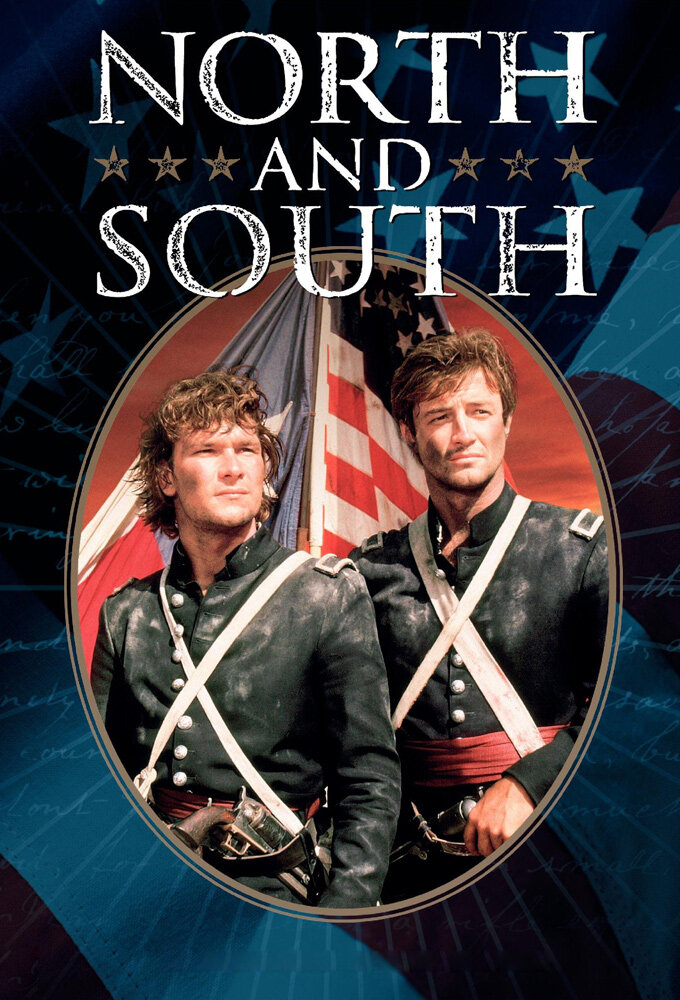
North and South1985
BBC adaptation of industrial-era romance where class collision drives both plot and passion. The same quality of yearning, the same visual richness, the same sense that the world is remaking itself while people fall in love.
But It's more obviously a love story than The Paradise, less plot-driven. If workplace intrigue is what grabbed you, this focuses harder on the central couple.
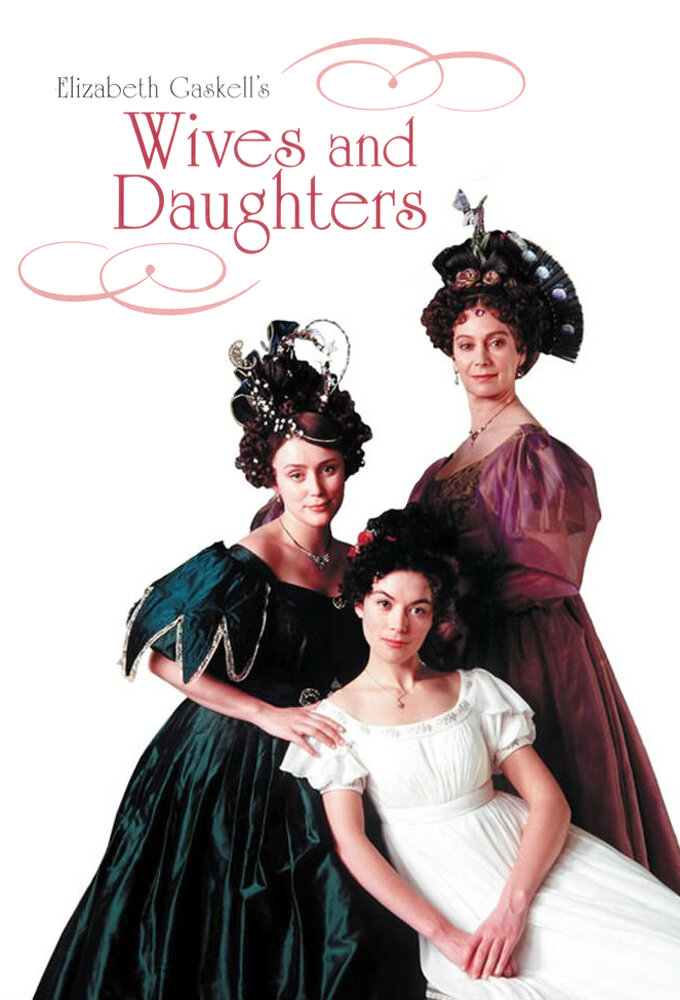
Wives and Daughters1999
Another Gaskell adaptation, another Victorian setting where social position and genuine feeling collide. The ensemble work is exceptional and the pacing is immaculate—every episode earns its space.
But Nothing happens very quickly. It's a slow build that rewards patience but punishes impatience. At four hours total it's also shorter than you'd want if it hooked you.
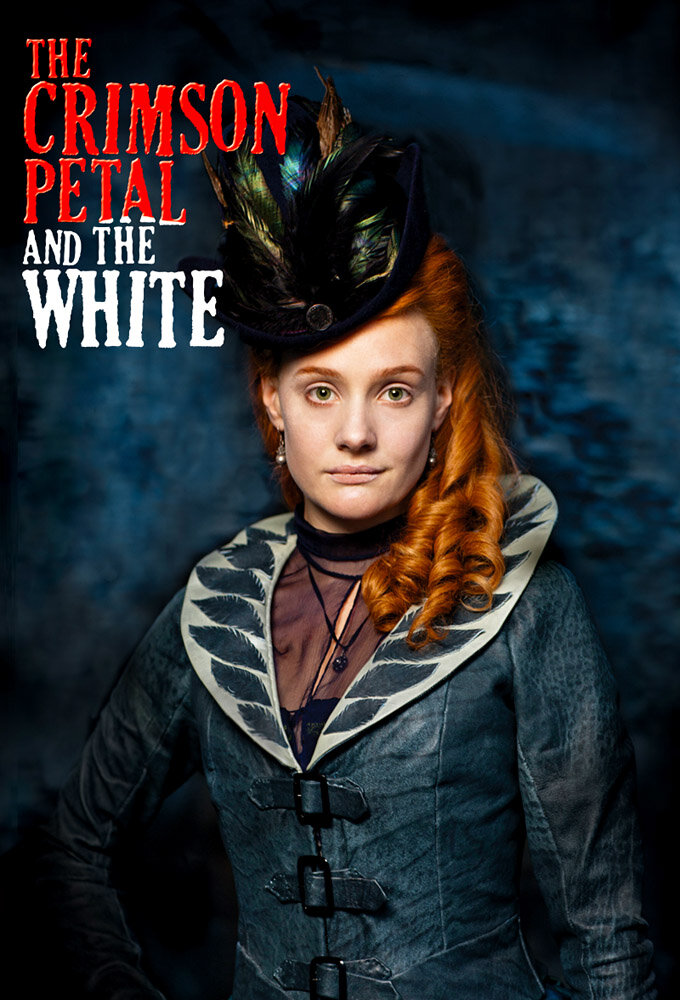
The Crimson Petal and the White2011
Victorian England again, same era as The Paradise, with the same undercurrent of sensuality beneath propriety. A courtesan navigating society's rules offers a wilder take on the same social vertigo.
But It's considerably darker and more adult in content. The Paradise is sometimes frothy; this never is. Some find that refreshing, others wanted the show's lighter touch.
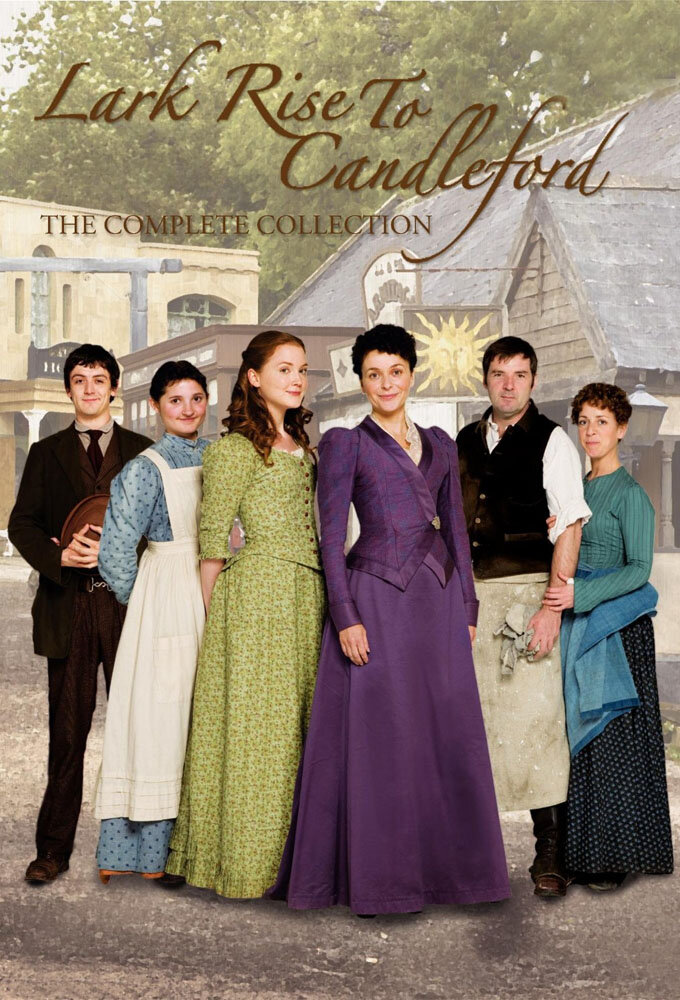
Lark Rise to Candleford2008
Contemporary with The Paradise, equally gorgeous, focused on a rural post office where community and commerce collide. Same ensemble sensibility, same period detail, deeply comforting.
But It's far quieter and more pastoral. There's less romantic drama and fewer genuine stakes. If you watched The Paradise for the office politics, this won't scratch that itch.
The Crown2016
Different world entirely—royal rather than commercial—but the same obsession with power, duty, and desire in constrictive settings. Same cinematic ambition, same sense of watching history pivot on personal moments.
But It's sprawling and sometimes unfocused. The Paradise keeps its world contained; The Crown's scope can feel diffuse. If you loved the intimacy, this can feel overstretched.
The Forsyte Saga2002
Epic family saga across the same era, equally concerned with property, inheritance, and the collision between old money and new ambition. Ian McShane is magnetic, and the supporting cast is just as strong.
But It's slower-paced than modern television and less focused on workplace narrative. Some find it stuffy; others find it perfectly calibrated. You may be one or the other.
Godless2017
Both are about commerce and community in settings built by outsiders, both shot with painterly care, but Godless asks what happens when the idealists actually have to govern.
A Western miniseries where a town run by women must reckon with economics, community, and survival. It has The Paradise's visual beauty and ensemble work, but trades the shop floor for the frontier and asks harder questions about power.
But It's only four episodes and ends decisively. Some find that satisfying; if you wanted something to live in longer, it won't feel substantial enough. Also considerably more violent.
Les Misérables2012
Both are set during industrial upheaval in the 19th century and both believe personal stories matter because history is not abstract—but Les Mis proves it through catastrophe where The Paradise proves it through everyday survival.
A sprawling historical drama where the industrial revolution breaks people and remakes society, shot with the same emotional intensity The Paradise brings to smaller stakes. If you loved the show's sense of history moving through individual lives, this is that magnified.
But It's a three-hour musical with death and revolution and almost no romance in the conventional sense. The Paradise is intimate; this is apocalyptic. Completely different emotional register.
People
Cast










Writing
- Bill GallagherCreator
Production
- Bill GallagherExecutive Producer
- Susan HoggExecutive Producer