
Film
A Good Woman
A frisky 2004 adaptation of Oscar Wilde's comedy of manners, relocated from Victorian London to 1930s Italian sunshine. Helen Hunt plays a divorcée with secrets, Scarlett Johansson a naive young wife, and the whole thing moves with the breeziness of a cocktail hour conversation. It's Wilde for people who want glamour, gossip, and witty repartee without the heavy lifting.
Should you watch it?
Watch it if you love a Wilde-style comedy of manners, where witty barbs and scandalous gossip among idle aristocrats matter more than plot mechanics, and you enjoy a lightly naughty, sun-warmed romp.
Skip it if you want a fast-moving story with real stakes; the wit is polished but the drama stays gentle, and the pace lingers on elegant chatter and posturing more than on surprises.
What it asks of you: Ninety-odd minutes of patience with languid, talky scenes and costume-drama manners, with a light touch throughout and little urgency to keep you hooked.
Not sure? Find tonight's pick in a minute.
If you liked this
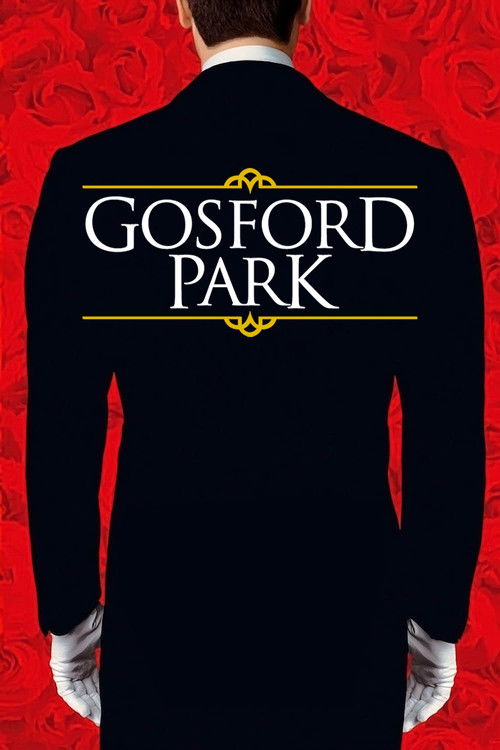
Gosford Park2001
Robert Altman's intricate ensemble comedy-drama about class, secrets, and the delicious mess of aristocratic life. Wickedly funny, beautifully shot, and stuffed with a cast firing on all cylinders. The structure rewards close attention.
But Nearly three hours of overlapping dialogue and subplot-juggling can feel exhausting if you're not in the mood to work for your entertainment.
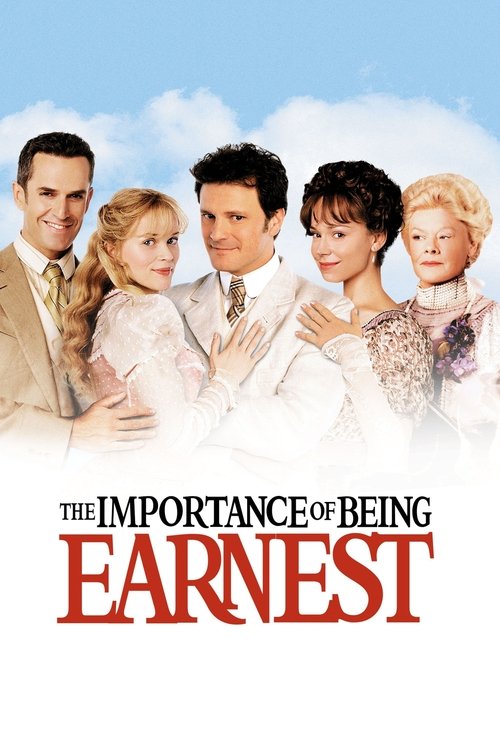
The Importance of Being Earnest2002
Oliver Parker's adaptation of another Wilde masterpiece, equally concerned with mistaken identity, marriage plots, and the absurdity of social convention. Reese Witherspoon and Colin Firth deliver the quips with genuine delight, and the pacing is immaculate.
But If Wilde's particular brand of theatrical wit doesn't land for you, no amount of good casting will fix it.
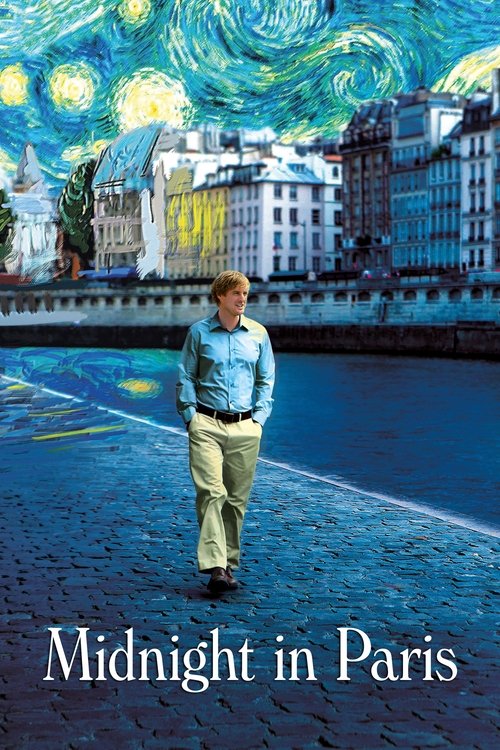
Midnight in Paris2011
Woody Allen's love letter to 1920s Paris and literary history. Like *A Good Woman*, it's fascinated by glamorous expatriates, lost love, and the idea that the past might be more beautiful than the present. Utterly charming and gorgeously shot.
But Allen's whimsy can feel precious, and the film's nostalgic streak might come across as self-indulgent rather than romantic.
Not sure tonight? Get a pick in a minute, starting from A Good Woman
The wildcard
Something you would not have found on your own.
The Remains of the Day1993
Both examine how people perform social roles to hide their true selves; one is comedy, one is tragedy, but the architecture is identical.
James Ivory's masterpiece about duty, repression, and the life unlived. Anthony Hopkins gives a performance of extraordinary restraint, and the film's emotional devastation creeps up slowly. It's Wilde's themes—performance, social masquerade, the gap between what we show and what we feel—treated with absolute seriousness.
But Nearly silent at points, and built on what is *not* said. If you need plot movement and explicit emotion, it will feel glacial and cold.

More like this (8)
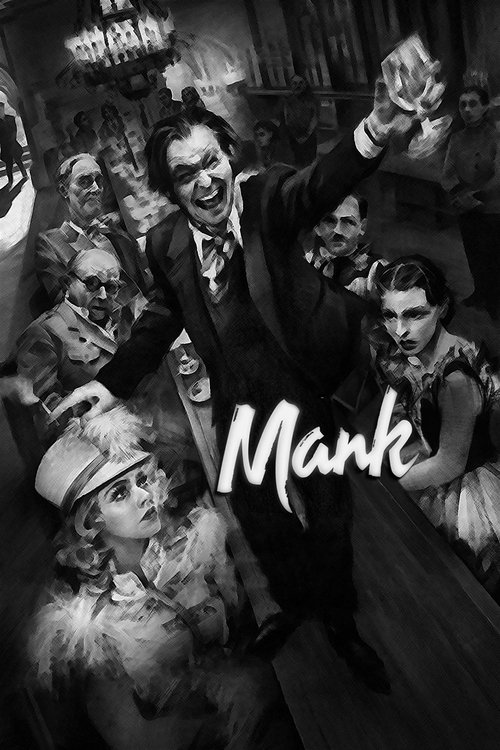
Mank2020
A stylish, dialogue-rich film about old Hollywood and moral compromise. The black-and-white cinematography is stunning, the performances are sharp, and it captures the intoxicating chaos of 1930s creative ambition.
But It's deliberately artificial and stagey, heavy with literary allusion. If you want naturalism and forward momentum, look elsewhere.
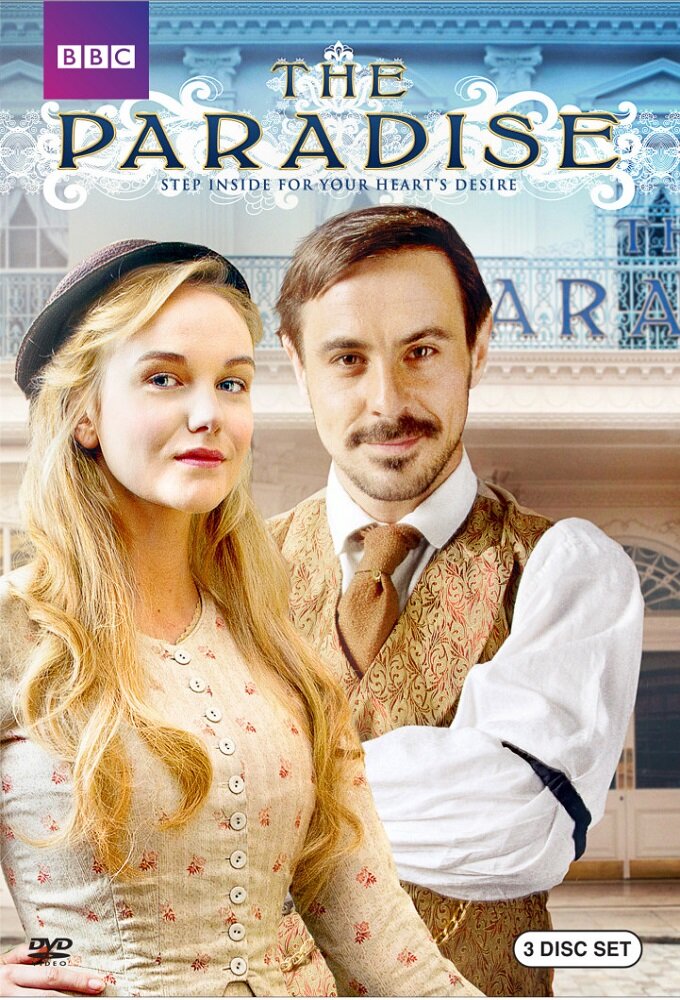
The Paradise2012
A BBC period drama about the birth of the department store as social space. Gorgeous costumes, genuine romantic tension, and a fascination with how people navigate wealth, desire, and moral compromise in modern times.
But Deliberately paced for Sunday-evening comfort viewing. If you want plot momentum over character nuance, it will feel slow.
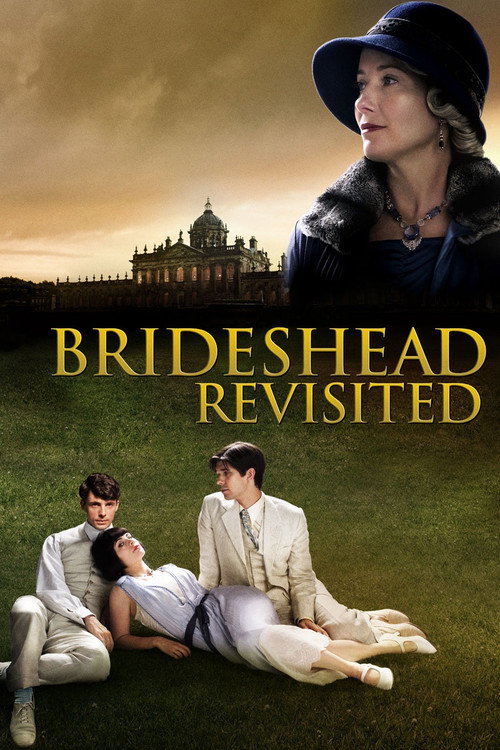
Brideshead Revisited2008
Matthew Goode and Ben Whishaw navigate Waugh's tragic meditation on class, faith, and the pull of an enchanted past. The cinematography is lush, the emotional stakes are real, and it understands why beauty and privilege can be destructive.
But Melancholic and deliberate. There's no rush to the narrative, and some may find it more elegiac than entertaining.
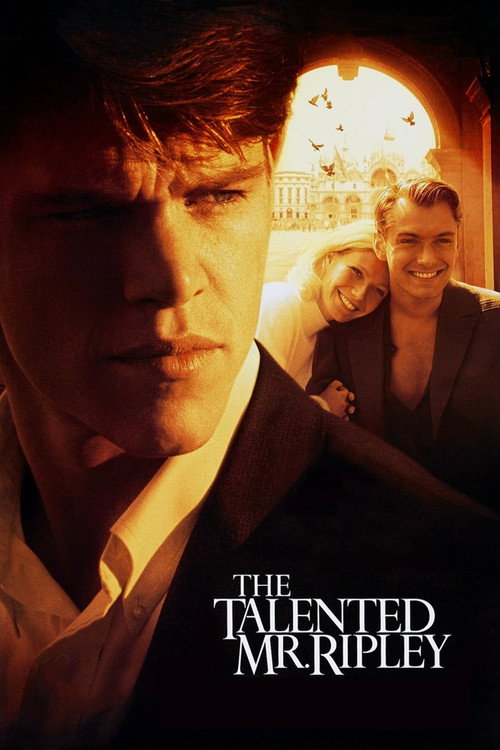
The Talented Mr. Ripley1999
Anthony Minghella's seductive film about ambition, deception, and the intoxication of beautiful places and beautiful people. Matt Damon and Jude Law are magnetic, and it glides through Italian landscapes with genuine style.
But The protagonist is deeply unsympathetic, and the pacing can feel deliberate. Some find it mannered rather than gripping.
Breakfast at Tiffany's1961
The template for charming sophistication: Audrey Hepburn as a woman reinventing herself, New York glamour, witty banter, and the tension between genuine connection and romantic fantasy. Utterly enduring.
But It's a cultural monument, which can make it feel untouchable. The gender politics feel dated, and some moments land as cruel rather than comic.

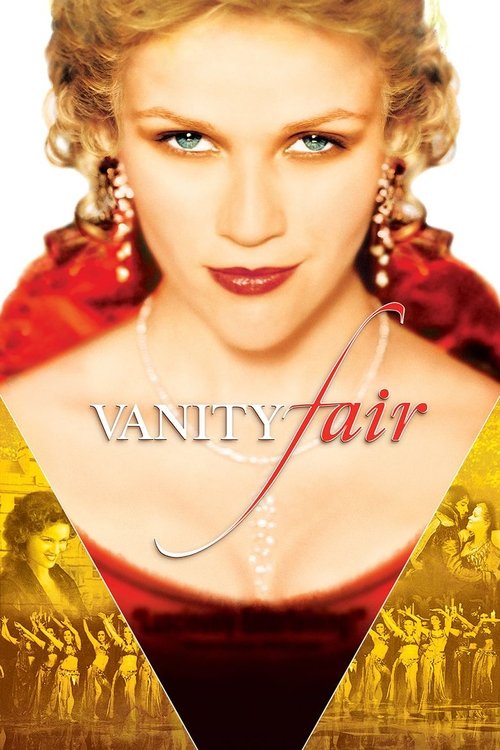
Vanity Fair2004
Reese Witherspoon as Becky Sharp, climbing and scheming through Regency society with ambition and wit. The film is colorful, energetic, and genuinely funny about the lengths people will go for security and status.
But The tonal shifts between comedy and melodrama can feel uneven. Some sequences lean too hard into slapstick.
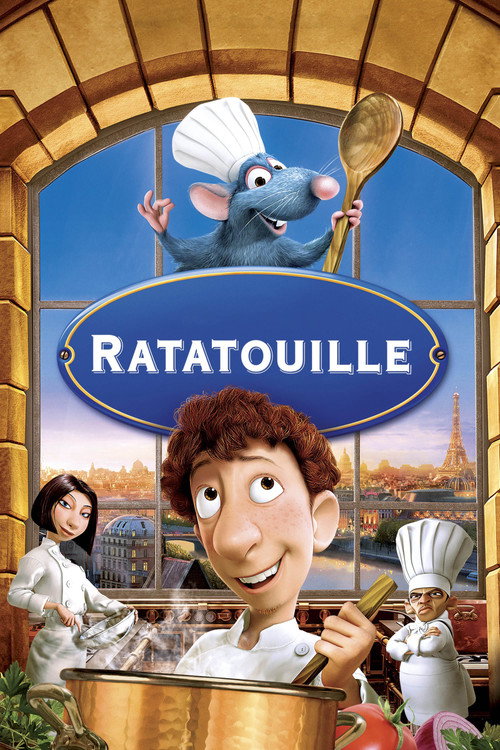
Ratatouille2007
Both center on characters displaced from their world—one social, one geographical—and both understand that transformation comes from accepting who you are rather than performing who others need you to be.
A Pixar film about an outsider trying to fit into a world that doesn't want him, told with visual sophistication and emotional intelligence. It's about ambition, authenticity, and the gap between who people think you are and who you actually are. Genuinely moving beneath the charm.
But It's animated and family-targeted, which may make it feel inconsequential. Some viewers resist animated films on principle.
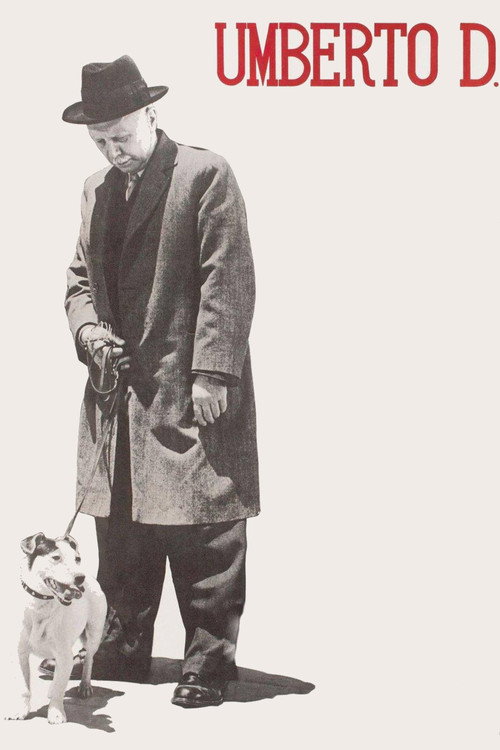
Umberto D.1952
Where *A Good Woman* uses Italian beauty and social intrigue as escape, De Sica shows Italy as a place where desperation and dignity collide; both use the country as setting, but to opposite emotional effect.
Vittorio De Sica's neorealist film about an elderly pensioner barely surviving in Rome, shot on actual streets with non-professional actors. It's the moral inverse of *A Good Woman*'s glamorous escapism—it shows what happens when you have nowhere to escape *to*. Devastatingly human and utterly unsentimental.
But It's slow, black-and-white, and offers no comfort. The suffering is real and unresolved. Very difficult watch.
People
Cast
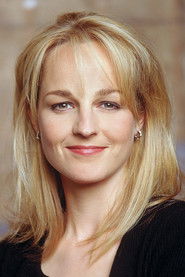 Helen HuntMrs. Stella Erlynne
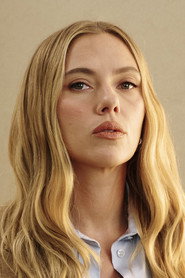 Scarlett JohanssonMeg Windermere
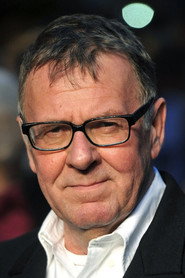 Tom WilkinsonTuppy
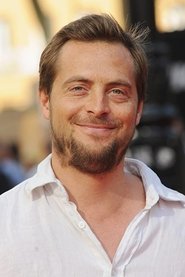 Stephen Campbell MooreLord Darlington
 Mark UmbersRobert Windemere
 Milena VukotićContessa Lucchino
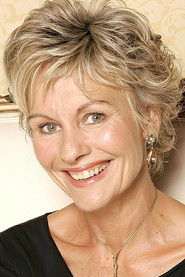 Diana HardcastleLady Plymdale
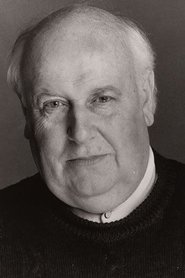 Roger HammondCecil
- Jane HowMrs. Stutfield
- Giorgia MassettiAlessandra
 John StandingDumby
- Shara OranoFrancesca
Directing
- Mike BarkerDirector
Writing
- Oscar WildeAuthor
- Howard HimelsteinScreenplay
Production
- Dan HubbardCasting
- John HubbardCasting
- Lilia TrapaniCasting
- Antonio GuadalupiCo-Producer
- Denise O'DellCo-Producer
- Roberto BessiCo-Producer
- Duncan HopperExecutive Producer
- Hilary DavisExecutive Producer
- Jimmy de BrabantExecutive Producer
- John EvangelidesExecutive Producer
- Liam BadgerExecutive Producer
- Michael DounaevExecutive Producer
- Mikael BorglundExecutive Producer
- Rupert PrestonExecutive Producer
- Alan GreenspanProducer
- Howard HimelsteinProducer
- Jonathan EnglishProducer
- Steven SiebertProducer