
Television series
Harlots
Harlots follows sex workers in 18th-century London with the gravity of a prestige drama and the propulsive energy of a revenge thriller. It's visceral and witty, angry about class and power, and refuses sentimentality. For anyone who wants historical drama with bite and women who scheme, fight, and survive on their own terms.
Should you watch it?
Watch it if you enjoy a sharp, character-driven period drama where ambitious women bargain, scheme and negotiate for power, and you prefer a cool, calculated tone to costume spectacle.
Skip it if you need brisk plot momentum; the pace is measured and many scenes linger on conversation and manoeuvring rather than action.
What it asks of you: Around an hour an episode across three seasons, so it asks for many evenings of steady attention and patience with a web of shifting alliances.
Not sure? Find tonight's pick in a minute.
If you liked this
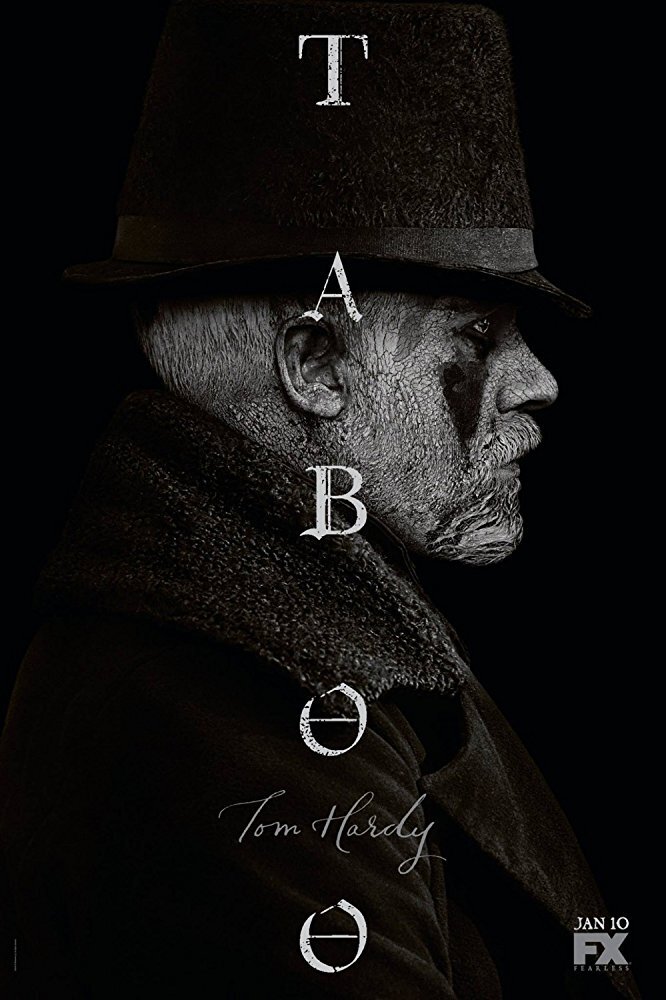
Taboo2017
Stripped-back period thriller with Tom Hardy's feral intensity and a protagonist navigating London's criminal underworld through sheer will and transgression. Equally unafraid of violence and ambiguity.
But Deliberately obscure plotting can feel punishing rather than clever, and the sensationalism sometimes crowds out character. It demands patience.
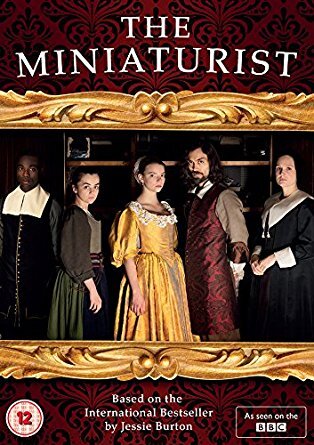
The Miniaturist2017
Dutch golden age Amsterdam, a woman isolated in a marriage to a stranger, secrets unraveling room by room. Gorgeously made and genuinely unsettling, with the same appetite for women's interiority and danger.
But Moves slowly and relies heavily on atmosphere and dread rather than plot momentum. Some find it precious.
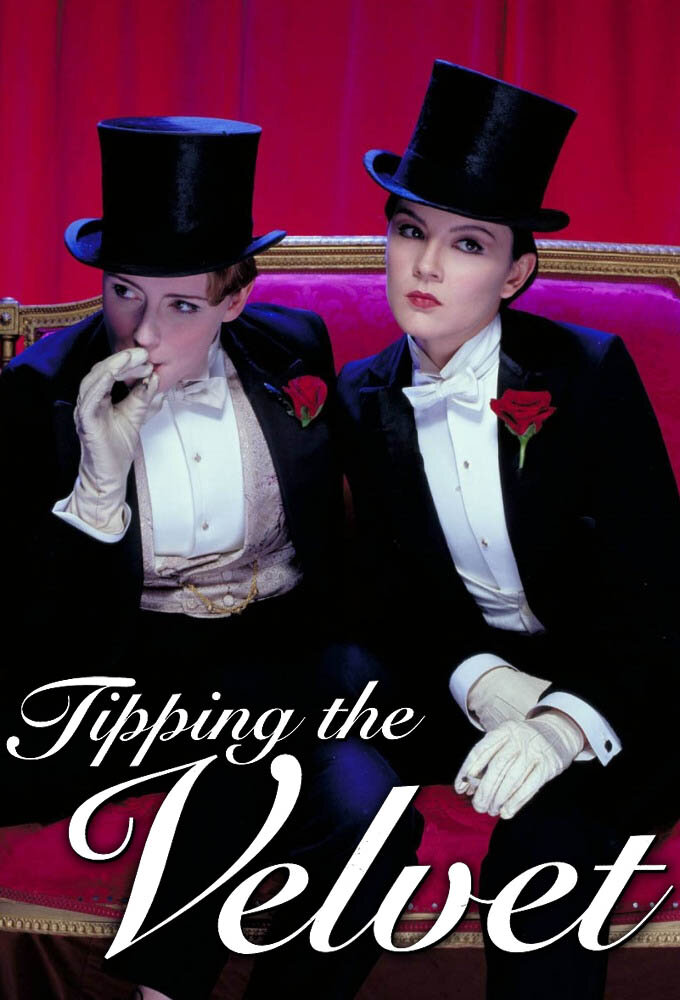
Tipping the Velvet2002
Sarah Waters' Edwardian London through a woman's eyes and body: theatrical, sensual, propulsive. A coming-of-age story that refuses respectability and loves its own narrative excess.
But The production feels dated now, and it's considerably softer in tone than Harlots—less angry, more romantic in its bones.
Not sure tonight? Get a pick in a minute, starting from Harlots
The wildcard
Something you would not have found on your own.
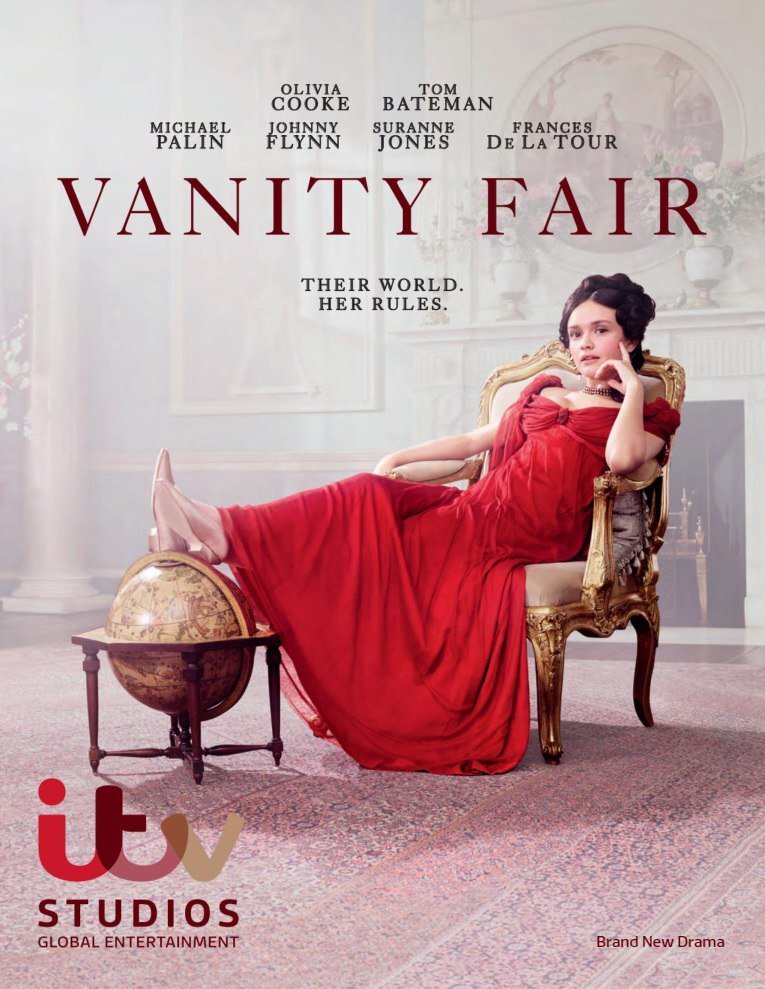
Vanity Fair2018
Both centre on women using sex, wit, and economic calculation as weapons against a society that wants them powerless. Neither flinches from the cost or compromises of that choice.
Thackeray's Becky Sharp in BBC miniseries form: a woman clawing her way up through Georgian London via charm, manipulation, and refusal to accept her assigned place. Same era, same hunger, same unsentimental eye for survival.
But Requires engagement with a dense social world and doesn't always make it easy. Some find Becky too amoral to root for, which is exactly the point.
More like this (7)
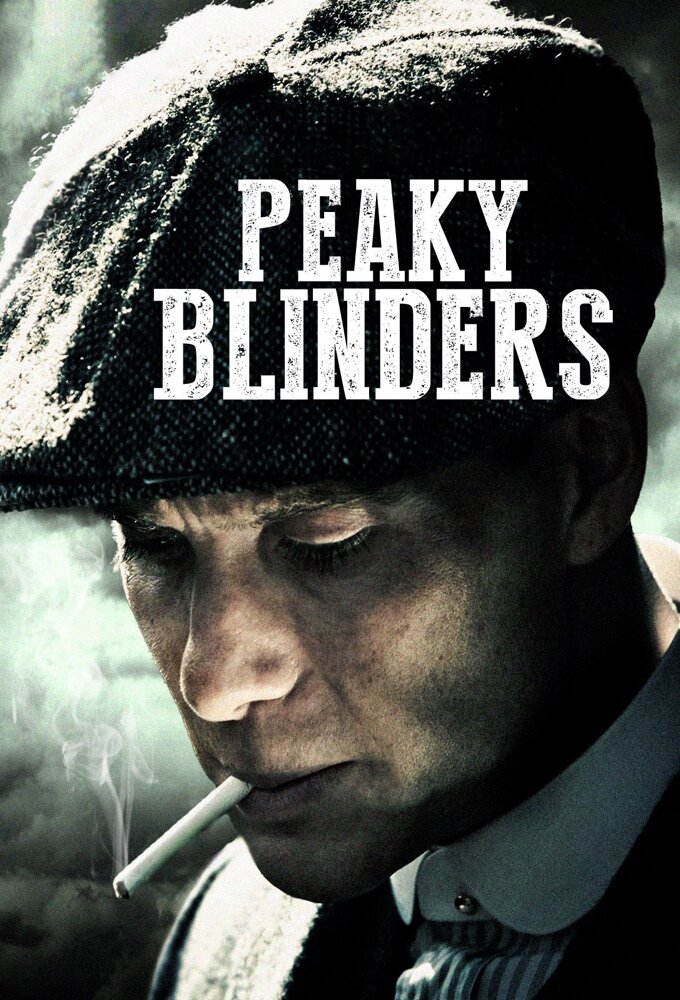
Peaky Blinders2013
Post-war Birmingham's criminal families operate by their own rules with Shakespearean grandeur. Seductive filmmaking, morally compromised characters, and the same appetite for style married to brutality.
But Becomes increasingly self-impressed as it goes on, and the central family dynamics calcify. Early seasons are sharper than later ones.
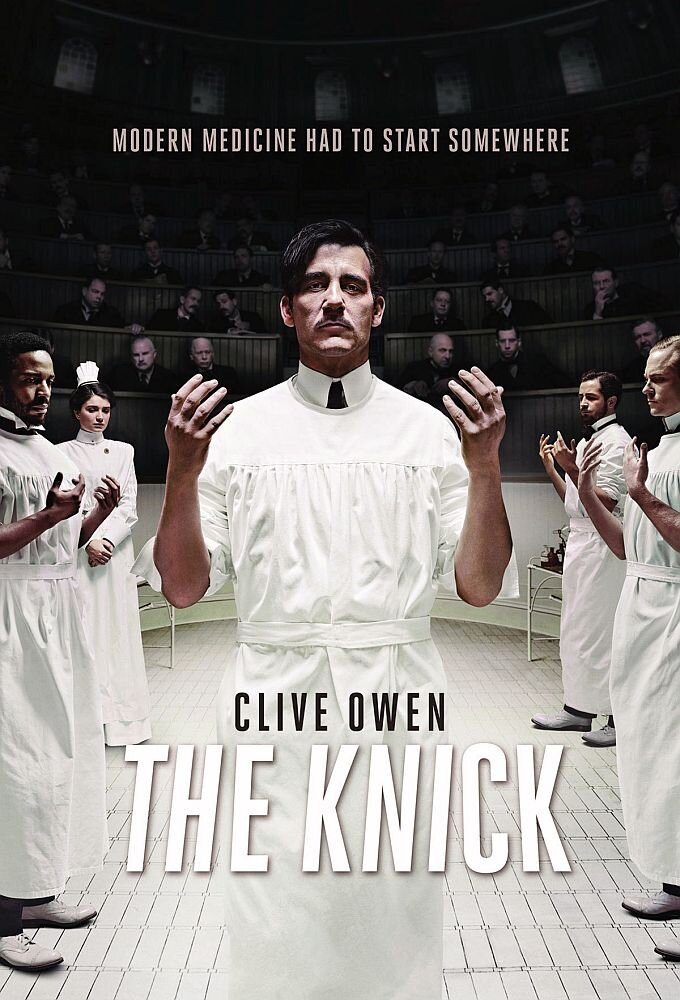
The Knick2014
Steven Soderbergh's New York hospital in the early 1900s, electric and grimy, where class, race, and medicine collide. Visually inventive and never condescending to its setting or characters.
But Cancelled after two seasons on a cliffhanger. The medical cases can feel repetitive, and some storylines don't land.
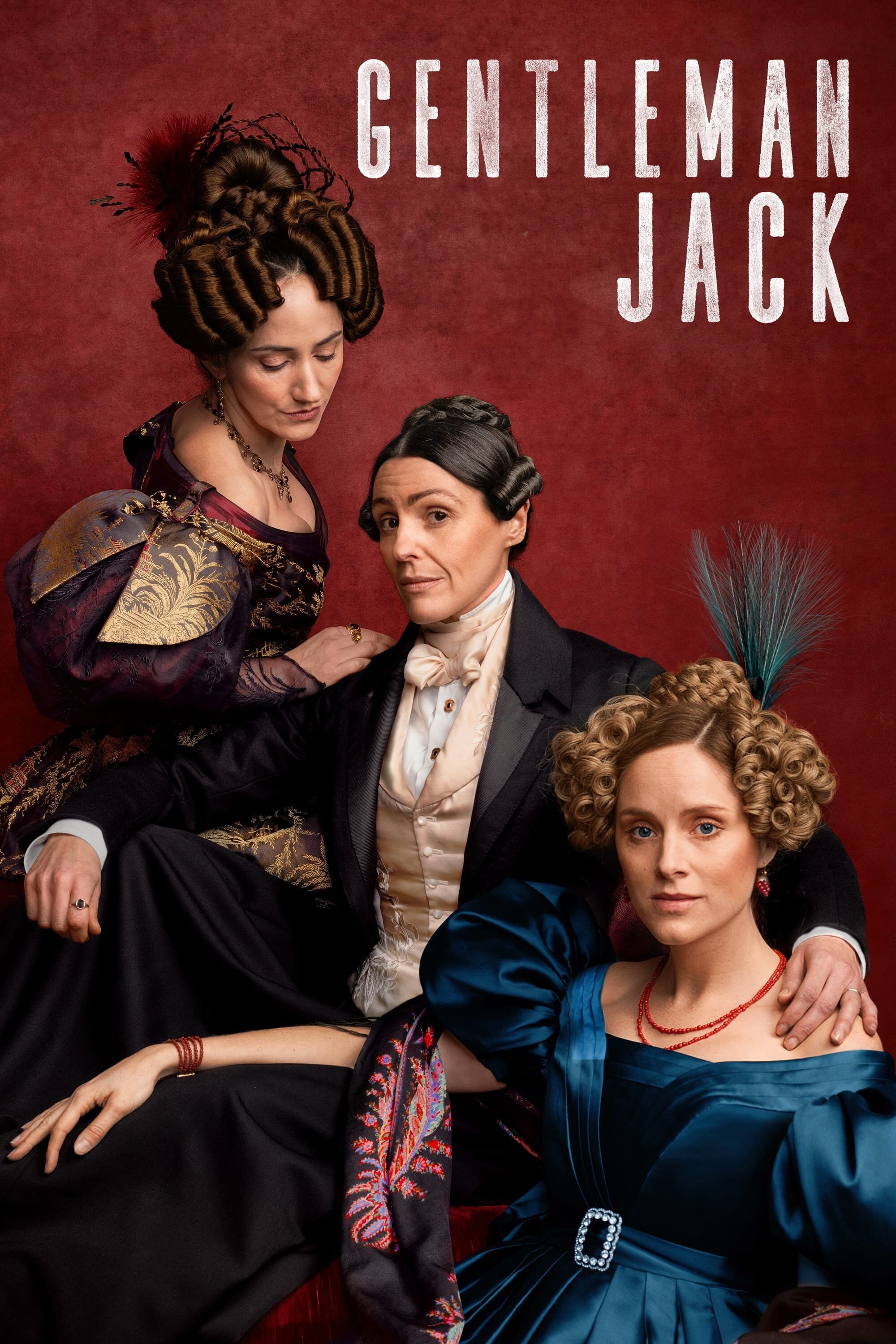
Gentleman Jack2019
Sally Wainwright's Yorkshire landowner in the 1830s, frank about desire and property and survival. Sunny compared to Harlots, but similarly interested in women's agency and economic power.
But The early episodes feel sitcom-adjacent in their pacing. Takes time to find its footing and won't click if you need moral ambiguity.
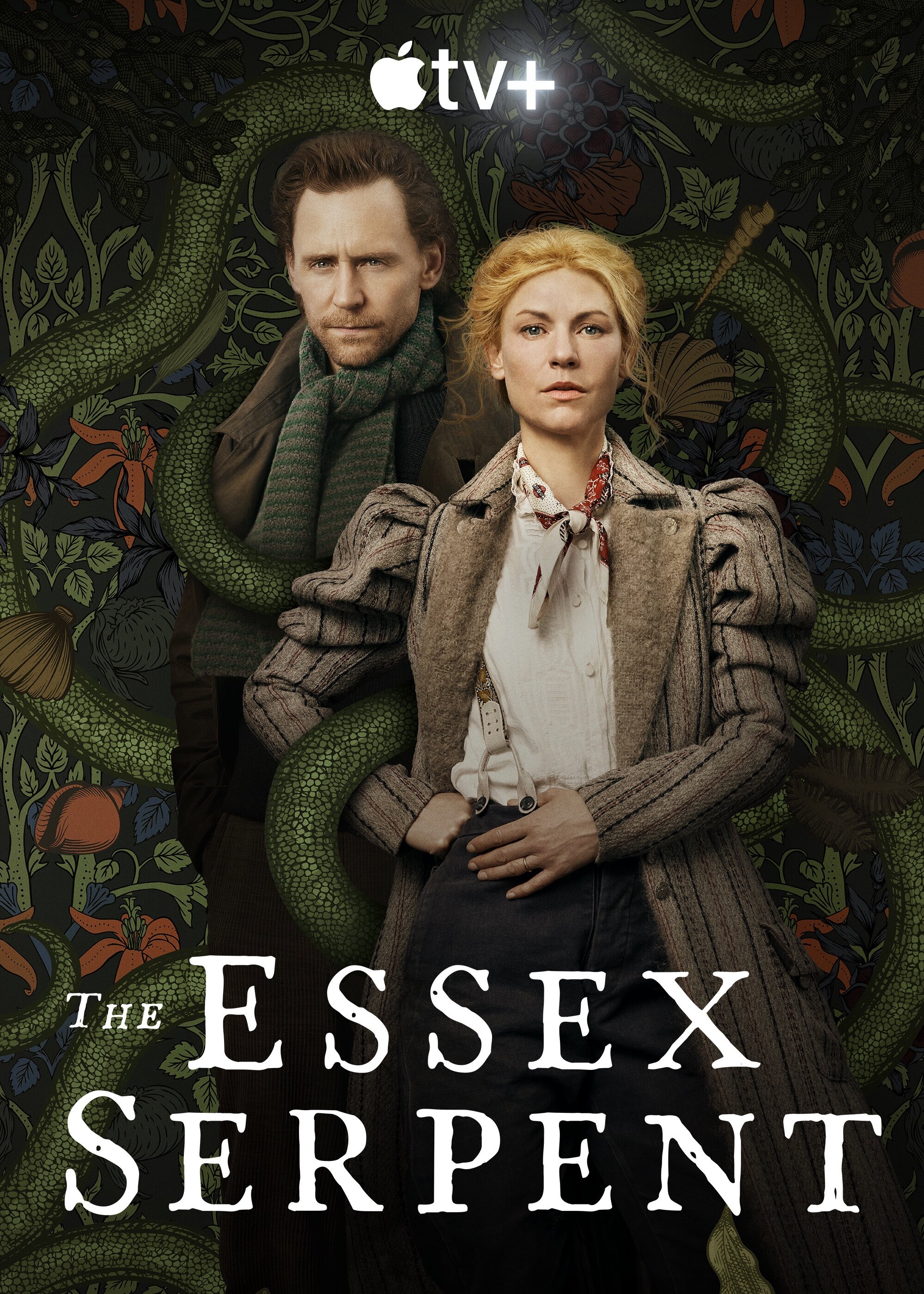
The Essex Serpent2022
Victorian seaside town, a widow finding freedom and desire, local mythology and class resentment. Lush and strange, interested in how women move through the world when given room to.
But Atmospheric and slow; plot takes a backseat to mood. The central romance feels inevitable rather than earned, and some resent that ease.
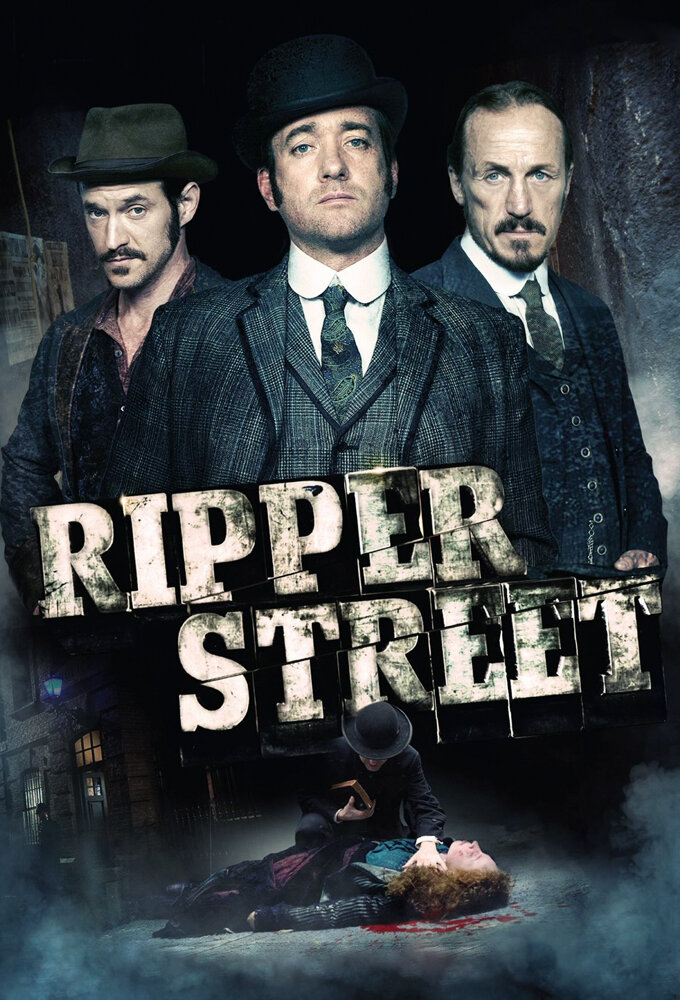
Ripper Street2012
Post-Ripper 1890s Whitechapel through working detectives and the underworld they navigate. Gritty without being precious, focused on the structural inequality that breeds crime.
But Early seasons are stronger; it becomes more serialized and melodramatic. The production quality is occasionally rough.
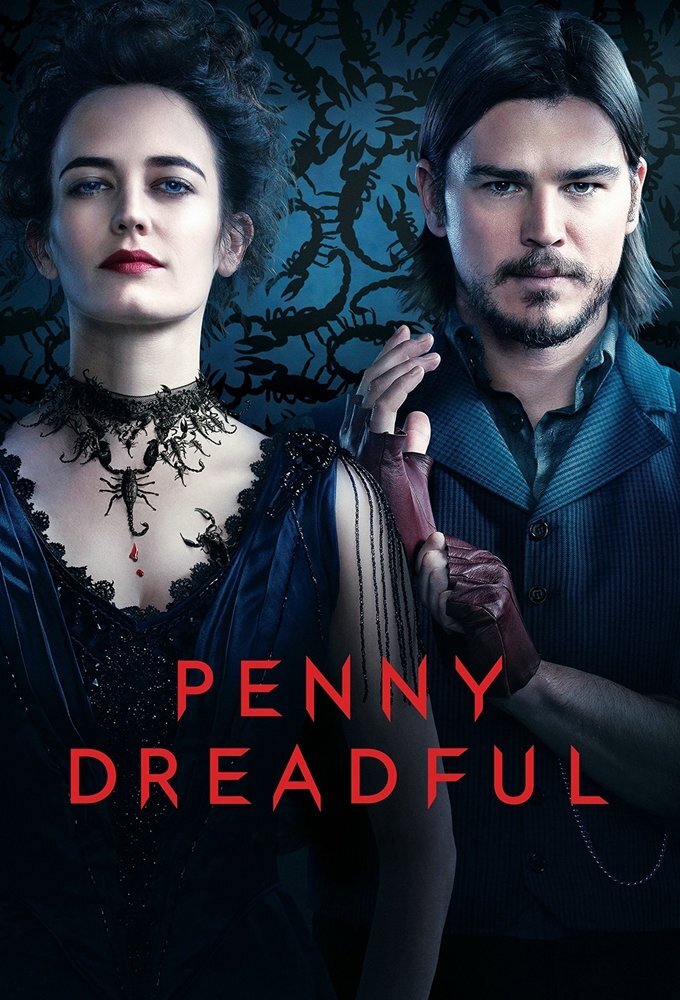
Penny Dreadful2014
Victorian London populated with gothic monsters and damaged people. Theatrical and ambitious, treating pulp source material with genuine psychological weight and formal ambition.
But Unevenly written with some episodes that feel padded. The occult plotting can overwhelm character work, and tonal whiplash is frequent.
Mulholland Drive2001
Both understand that performance—of sex, of femininity, of respectability—is how women navigate worlds that want to consume or discard them. Both are formal about showing the machinery underneath.
Lynch's Los Angeles as a hall of mirrors where women perform identities to survive, where ambition and desire warp perception. Hypnotic, strange, genuinely unsettling about power and performance.
But Deliberately refuses conventional narrative logic. If you need clarity and resolution, this will frustrate you deeply. It's also much more formally avant-garde than Harlots.

People
Cast









Writing
- Alison NewmanCreator
- Moira BuffiniCreator
Production
- Alison CarpenterExecutive Producer
- Alison NewmanExecutive Producer
- Alison OwenExecutive Producer
- Debra HaywardExecutive Producer
- Moira BuffiniExecutive Producer
- Lawrence TillProducer