
Film
Adam Bede
- Period drama
- Slow-burning
This 1992 adaptation of George Eliot's novel is a measured, handsome period drama about rural working life in 18th-century England. It moves at the pace of actual seasons, finding profundity in how ordinary people navigate love, duty, and moral choice. For those who want their romance complicated by class and consequence.
Should you watch it?
Watch it if you love slow-burning period drama where the feeling lives in glances, farm chores and moral small print, and you don't need the plot to rush toward its fireworks.
Skip it if you want brisk plot and a sharp edge, since its pace is unhurried and its feeling restrained enough to test patience.
What it asks of you: Settle in for a leisurely feature-length stretch of just over an hour and a half, with long pauses and close attention to faces rather than action.
Not sure? Find tonight's pick in a minute.
If you liked this
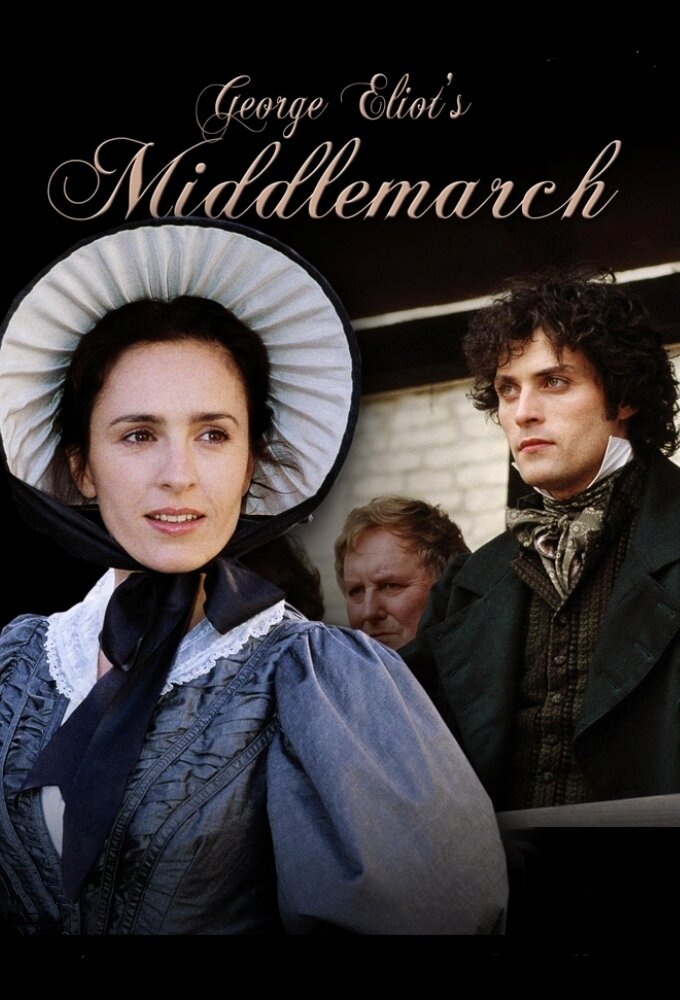
Middlemarch1994
BBC's other George Eliot masterpiece, equally invested in the interior lives of provincial characters. Richly acted, with the same attention to how small choices ripple through communities.
But It's longer and even more densely plotted. Patience required, and a willingness to care about multiple interlocking stories.
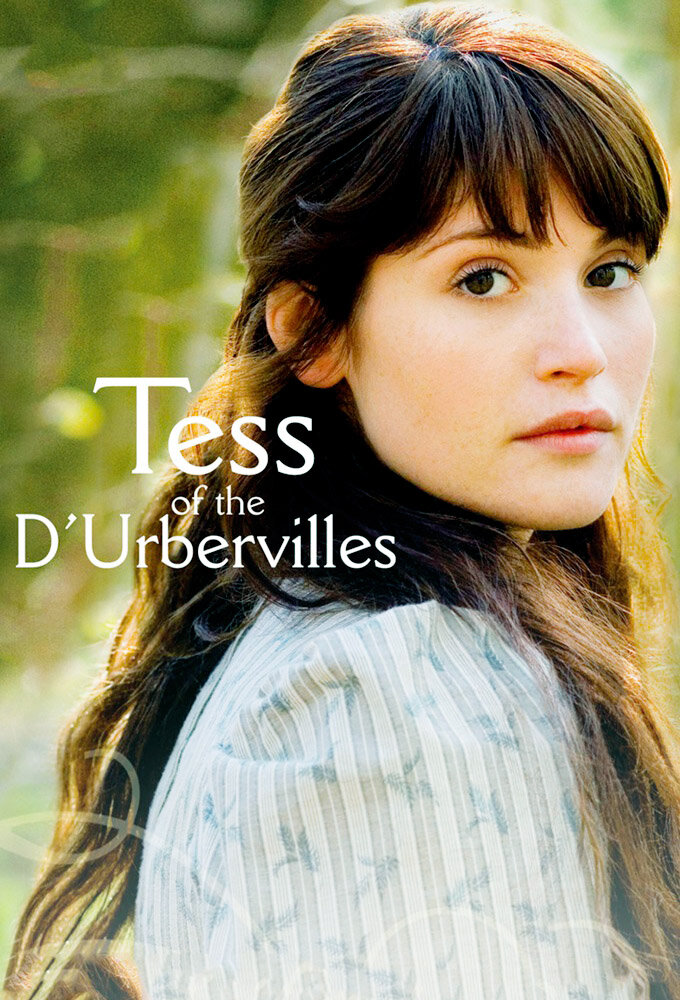
Tess of the D'Urbervilles2008
Roman Polanski adapts Hardy with a similar eye for landscape and sexual vulnerability. Gorgeous cinematography, devastating emotional clarity, and Nastassja Kinski's luminous performance.
But Darker and more explicitly about predation. The ending is genuinely crushing.
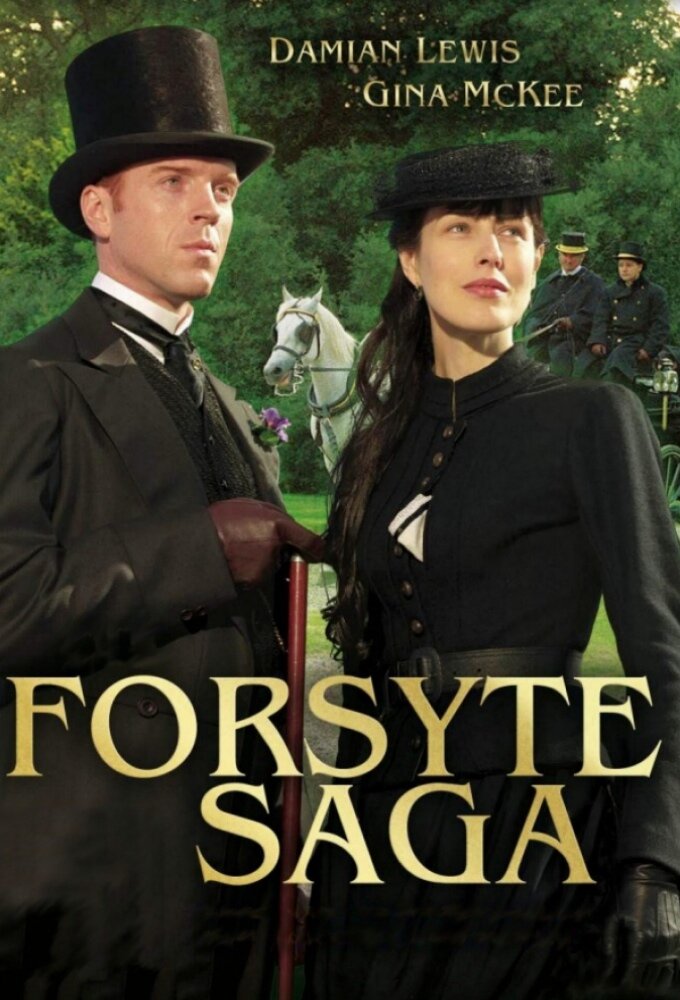
The Forsyte Saga2002
Galsworthy's equally epic family chronicle, meticulously adapted. Spans decades, tracks wealth and desire through generations, has the same patient understanding of human weakness.
But Nearly 15 hours across two series. Commitment required, and the Edwardian setting is less lyrical than Adam Bede's farmland.
Not sure tonight? Get a pick in a minute, starting from Adam Bede
The wildcard
Something you would not have found on your own.
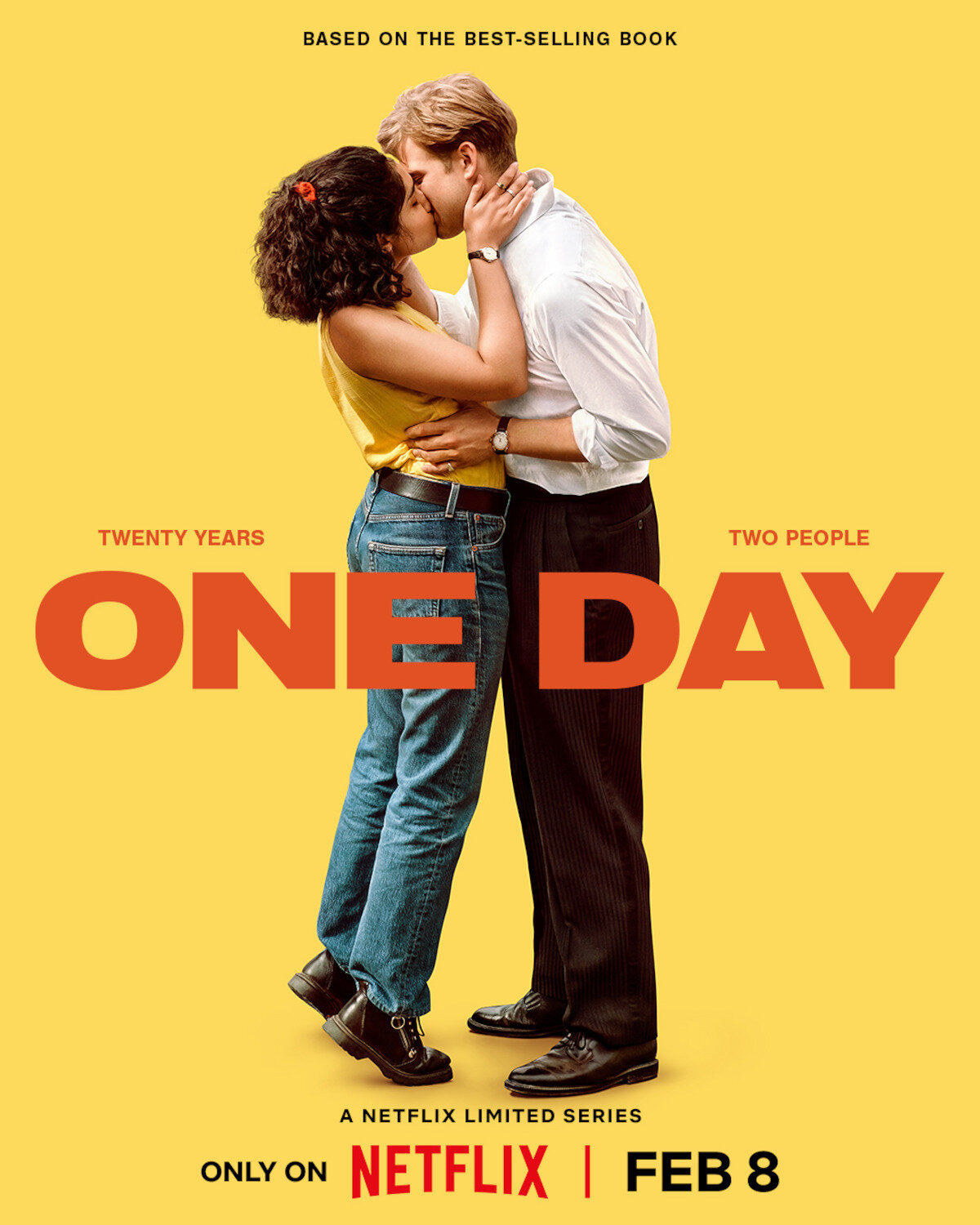
One Day2024
Both find the deep changes in people and places by staying still, watching the same soil with patient eyes. Both believe ordinary life is sufficient tragedy.
A French TV series that follows the same day—May 1st—across 15 different years in the same small town. Eliot's interest in how character is written slowly into human life, but as pure structural poetry rather than narrative. Utterly original.
But No dramatic arc in the traditional sense. It's meditative and cyclical, almost essayistic. Some will find it precious or thin.
More like this (7)
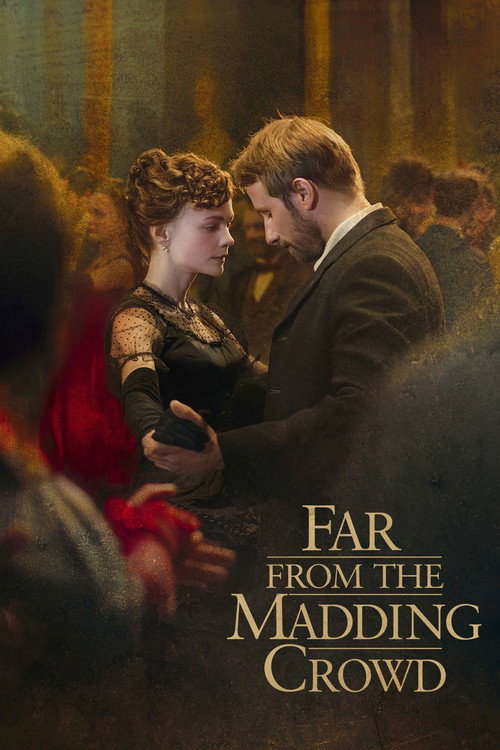
Far from the Madding Crowd2015
Hardy's novel about a woman navigating three suitors and her own ambition. Same era, same moral seriousness, and an Ophelia Colman performance that understands female agency.
But The 2015 version is slicker and faster than Adam Bede. Some prefer their period drama less restless.
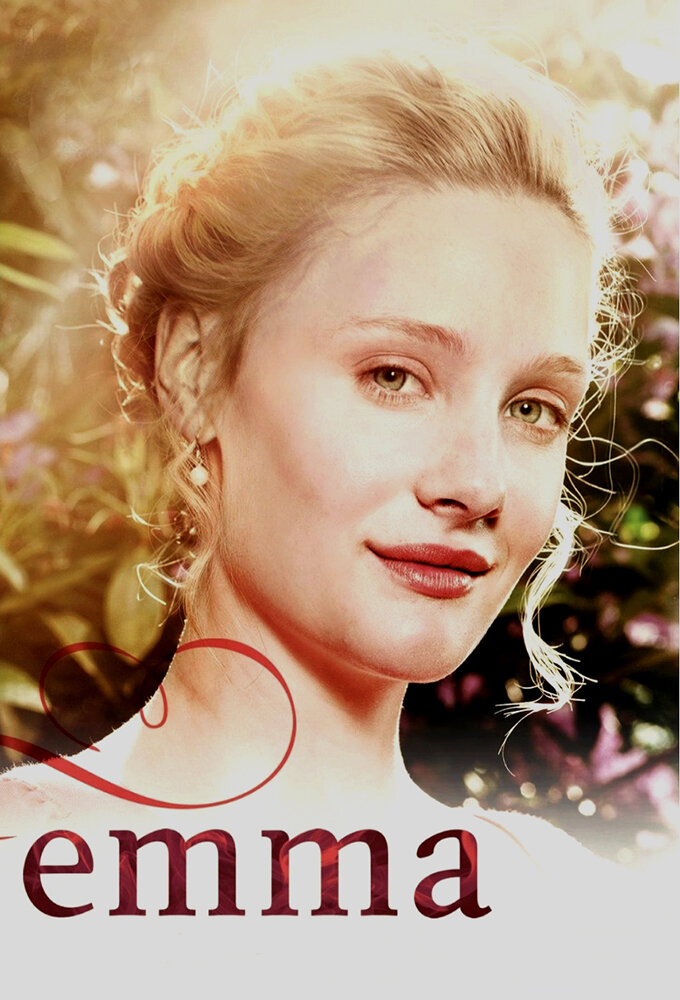
Emma2009
Austen's comedy of manners, but this adaptation (with Kate Beckinsale) has genuine warmth beneath the wit. Class and marriage again, but lighter in tone while remaining intelligent.
But Much funnier than Adam Bede. If you want sustained gravity and moral struggle, Emma's comedy might feel deflating.
The Remains of the Day1993
Iain Glen (who plays Adam) is here too, in a meditation on duty, regret, and repressed feeling. Not romance, but about how good people make choices they'll grieve.
But Quieter still than Adam Bede, and the emotional payoff is existential rather than romantic.

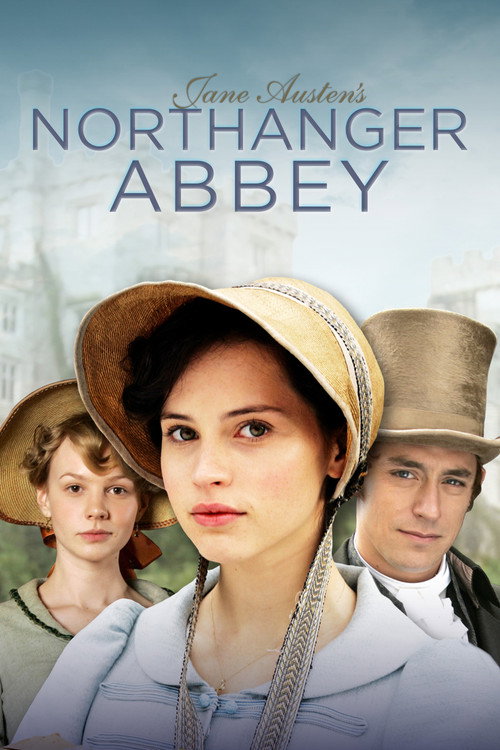
Northanger Abbey2007
Austen again, but lighter and faster, with genuine warmth. Good if you liked Adam Bede's provincial setting but want less tragedy and more humour.
But Fundamentally a comedy of youthful delusion. The register is quite different from the novel you just watched.
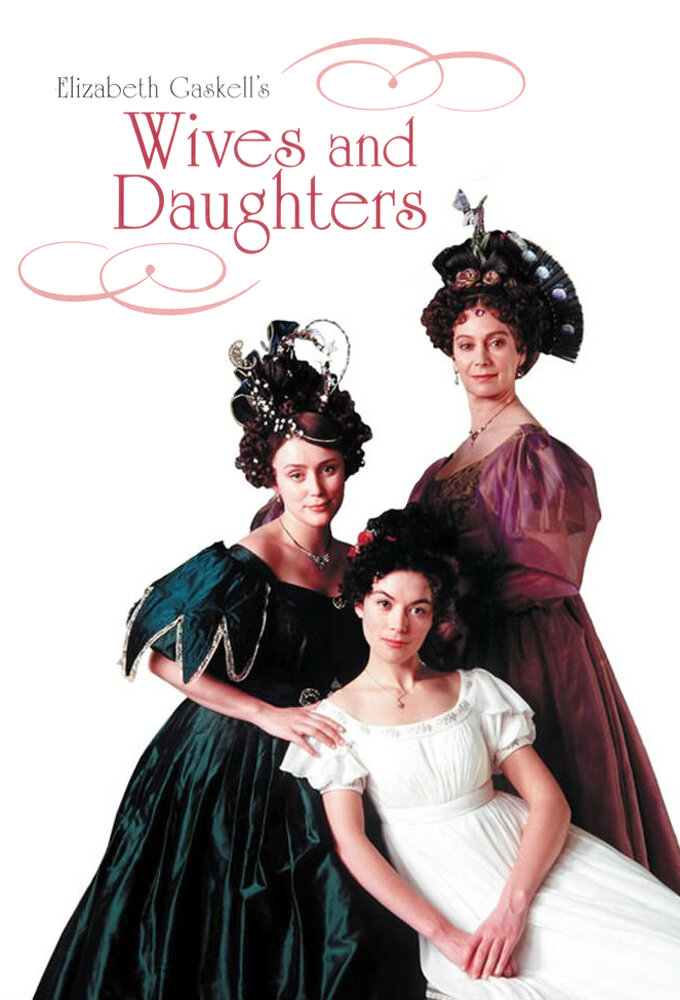
Wives and Daughters1999
Elizabeth Gaskell's novel of small-town domestic life. Warmer than Eliot, but similarly invested in how women navigate marriage, class, and their own worth.
But The tone is considerably gentler. If you want the moral darkness of Adam Bede, this offers more comfort than challenge.
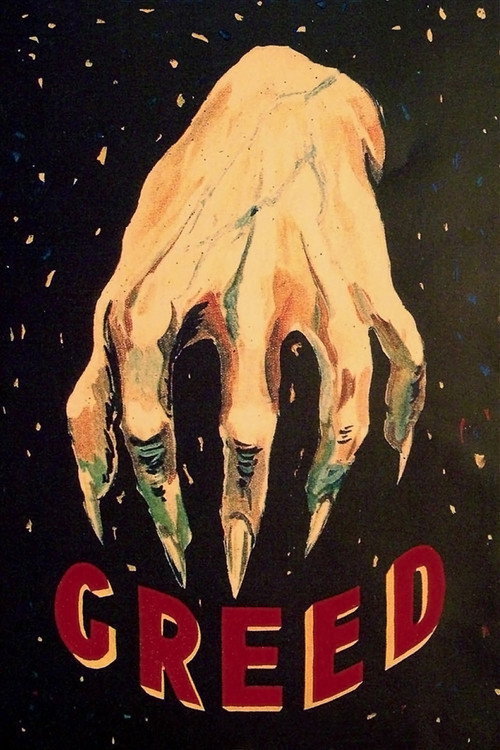
Greed1924
Both are about betrayal within rural or working communities, and both understand that seduction isn't just about romance—it's about a failure of character under pressure. Both are moral tales without preaching.
Erich von Stroheim's silent film about how desire corrodes a marriage. Shot in real locations, brutally unsentimental, and concerned with exactly Adam Bede's theme: how passion betrays both the giver and the innocent.
But Silent film, nearly four hours, and relentlessly grim. The acting style is period, which takes adjustment. Stroheim's vision of human nature is bleaker than even Eliot's.
The Turin Horse2011
Like Adam Bede, it finds the spiritual weight in quiet domestic life and the quiet heroism of staying present to someone else's suffering. Both believe that love, finally, is about tending to what you're responsible for, not what you desire.
Béla Tarr's film about a man caring for a woman in decline, in a horse-drawn cottage on the edge of a dying world. Hypnotic black-and-white cinematography, almost no plot, entirely about devotion and the weight of duty.
But Difficult, spare, Hungarian, and glacially slow. It looks like nothing else you've seen. If you need narrative momentum, this will feel like being becalmed.

People
Cast
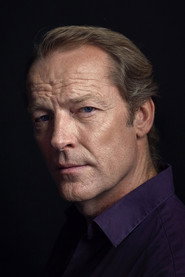 Iain GlenAdam Bede
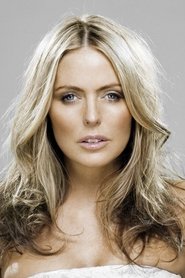 Patsy KensitHetty Sorrel
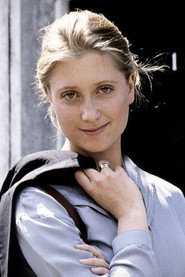 Susannah HarkerDinah Morris
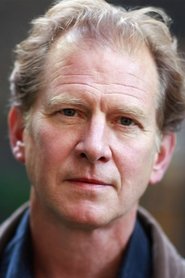 James WilbyArthur Donnithorne
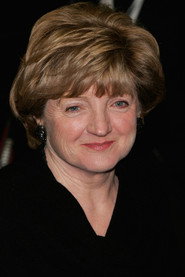 Julia McKenzieMrs. Poyser
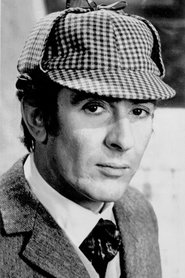 Robert StephensReverend Irwine
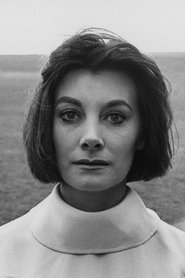 Jean MarshLisbeth Bede
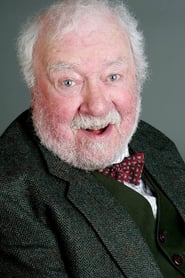 Freddie JonesOld Squire
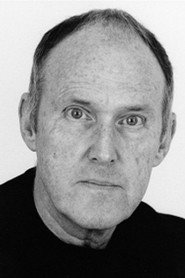 Michael PercivalCourt Official
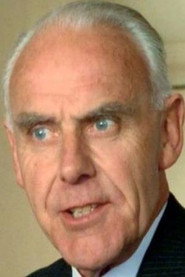 Edward JewesburyJudge
- Brian OsborneJury Spokesman
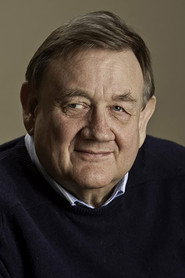 Paul BrookeMartin Poyser
Directing
- Giles FosterDirector
Writing
- George EliotNovel
- Maggie WadeyScreenplay
Production
- Alison GilbyAssociate Producer
- Richard BrokeExecutive Producer
- Peter GoodchildProducer