
Television series
David Copperfield
Other titles called David Copperfield: the 1935 film, the 1974 series (BBC One), the 1999 series (BBC One).
Faithful 1986 BBC serialization of Dickens' sprawling novel, tracing David Copperfield from vulnerable childhood through moral education to adulthood. Handsomely produced, deliberately paced, rich with character and period detail. For viewers who love Victorian literature, ensemble drama, and the pleasure of watching a world built slowly and completely.
Should you watch it?
Watch it if you love the slow accumulation of a Victorian novel, where a long life unspools through a crowd of eccentric relations, cruel schoolmasters and kindly eccentrics, and you are happy to be carried along by the sheer weight of it.
Skip it if you want a story that moves briskly or lands its emotional beats quickly, since this is a stage-bound, dialogue-heavy 1986 costume serial with modest production values and a lot of talking in drawing rooms.
What it asks of you: Ten half-hour episodes, so roughly five hours in total, and it rewards patience: it moves at the pace of its source, with long scenes and a gentle rhythm rather than sharp cliffhangers.
Not sure? Find tonight's pick in a minute.
If you liked this
Bleak House2005
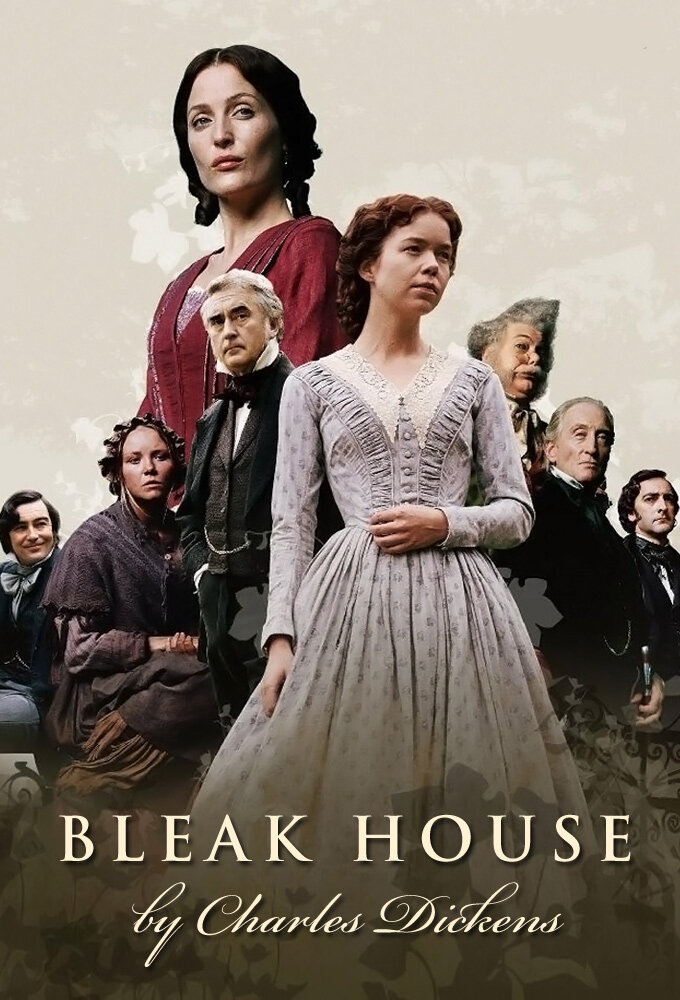
Another BBC Dickens adaptation with the same commitment to fidelity and visual richness. Explores themes of class, injustice, and institutional corruption across a sprawling narrative with an ensemble cast.
But It's even longer and more convoluted than David Copperfield, and the legal plot can feel genuinely tedious at points.
The Remains of the Day1993
James Ivory's restrained drama about duty, regret, and a life half-lived. Like David Copperfield, it's fundamentally about a man's education through experience and the choices that shape who we become.
But Deliberately quiet and internal. If you want sweep and incident, this will feel glacial.

Middlemarch1994
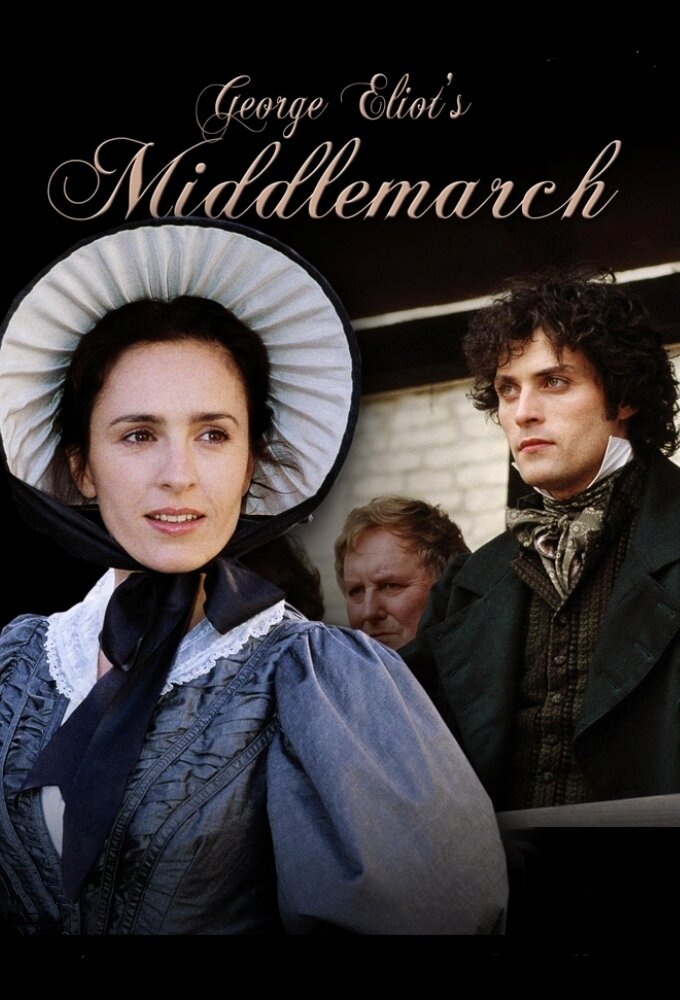
BBC miniseries of George Eliot's masterpiece, with the same loving attention to period detail and psychological realism. Traces multiple lives in interconnection rather than one trajectory, but with similar moral weight.
But The pacing is glacial and the narrative refuses to offer easy resolutions. Early 90s TV production values feel dated now.
Not sure tonight? Get a pick in a minute, starting from David Copperfield
The wildcard
Something you would not have found on your own.
The Singing Detective1986
Both are British miniseries from 1986 exploring how the past shapes the present, but Potter demolishes Dickens' faith in moral education and redemption.
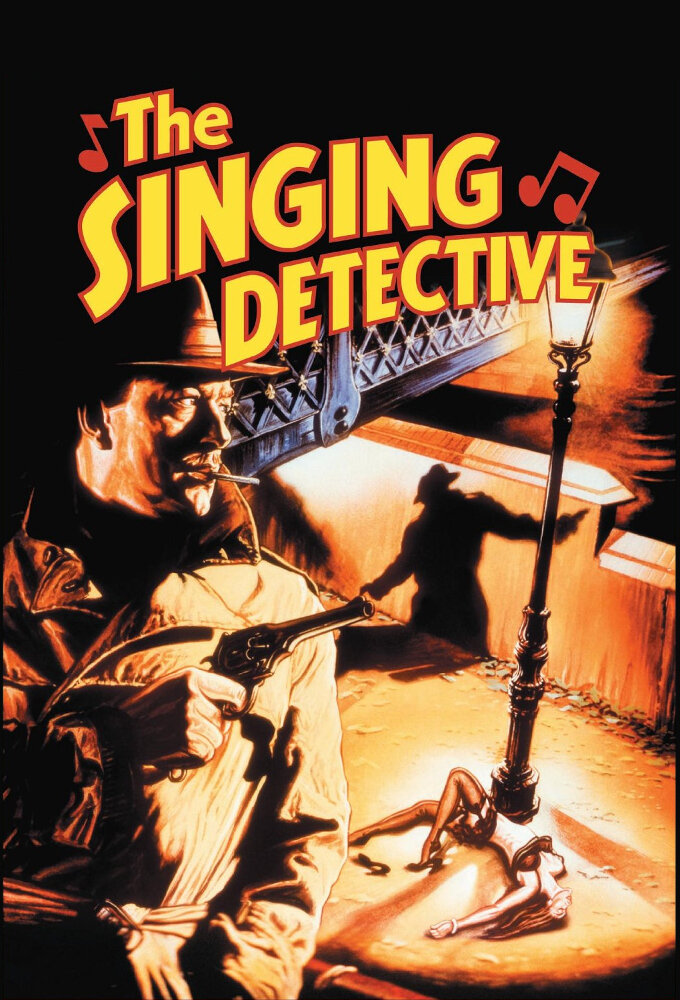
Made the same year as this Copperfield, Dennis Potter's miniseries also traces a life in fragments and flashback, but it's a fever dream of noir, musical theatre, and self-destruction. An experimental companion piece about memory, identity, and suffering.
But Violently non-linear, sexually explicit, and genuinely distressing. If you want straightforward narrative, this will actively frustrate you.
More like this (7)
Pride and Prejudice
The definitive Austen adaptation: six hours of scrupulous fidelity to the novel, with perfect casting and a warm embrace of romance alongside social comedy. Essential viewing for anyone who loves period drama.
But If you find Austen's wit mannered or the romantic arc predictable, the length will test your patience.
North & South2004
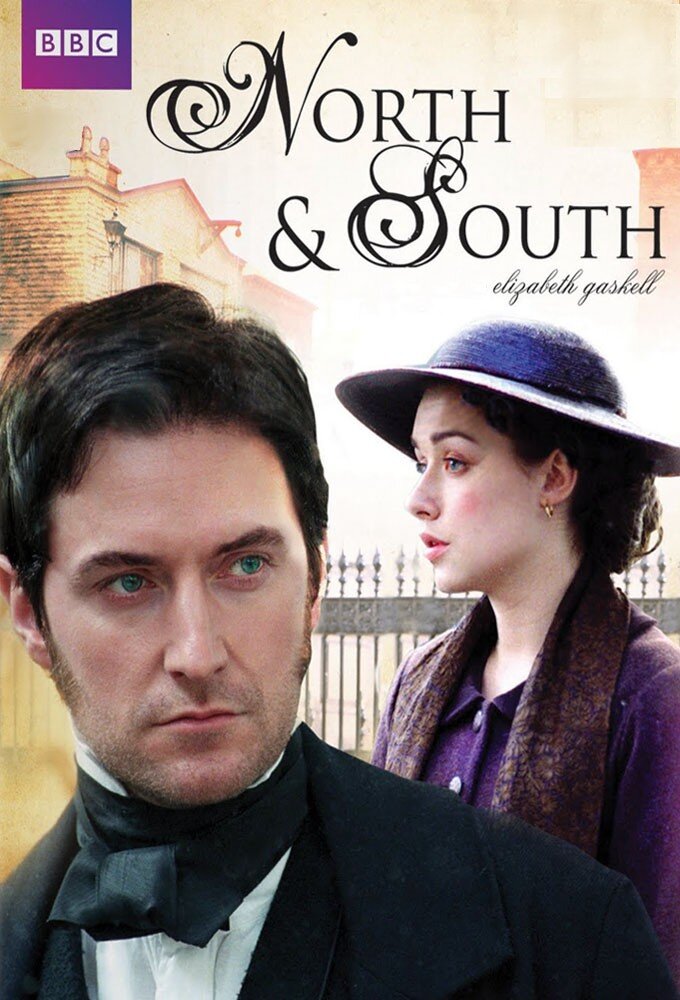
Elizabeth Gaskell's industrial-era novel becomes a gripping miniseries about class, love, and social conscience. Like Copperfield, it follows a protagonist through genuine moral development, with excellent ensemble work.
But The factory politics can feel heavy-handed, and some plot mechanics strain credibility.
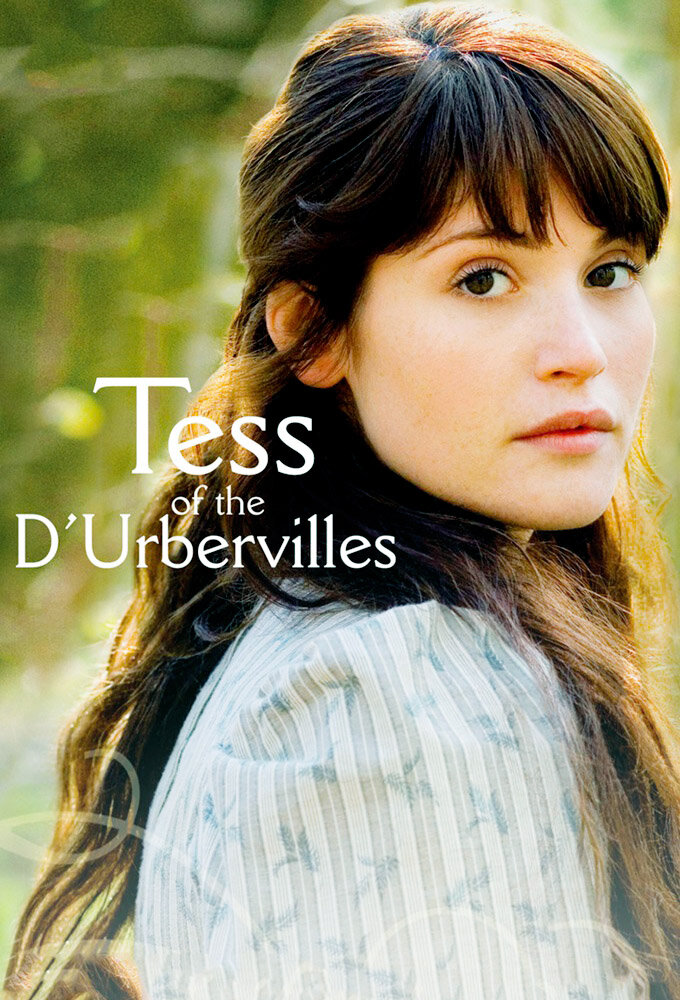
Tess of the D'Urbervilles2008
Hardy's tragic novel adapted with nuance and visual beauty. Shares Copperfield's interest in how circumstance and character collide, though darker in temperament. Alec Fonseca is unsettlingly perfect as the villain.
But Unrelentingly bleak and built on sexual coercion. Not a story about redemption or growth, but about the cruelty of fate.
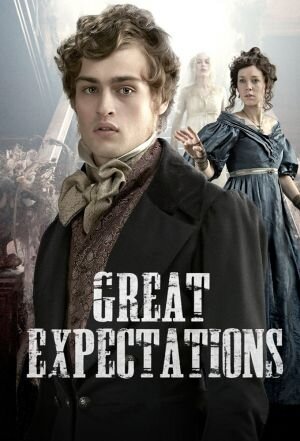
Great Expectations2011
Another Dickens adaptation, fresher and more propulsive than some. Explores similar themes of social aspiration, disappointed hopes, and the question of what actually constitutes self-improvement.
But The compressed narrative loses some of Dickens' digressive pleasure and character richness. Feels more plot-driven than psychologically probing.
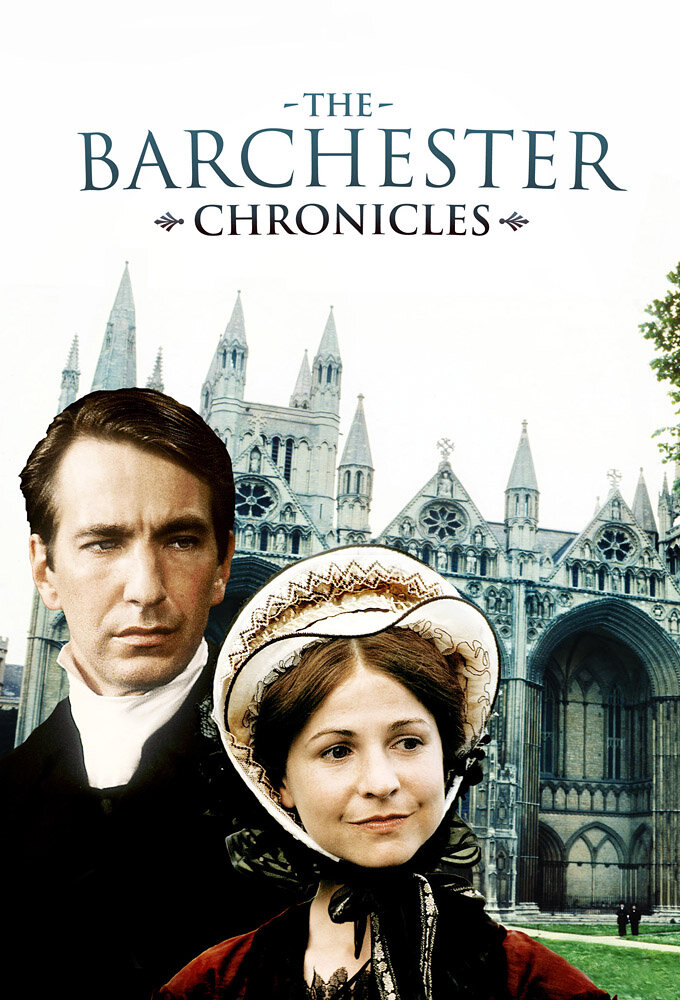
The Barchester Chronicles1982
Trollope's ecclesiastical comedy adapted with warmth and gentle irony. Shares Copperfield's episodic structure and its interest in how ordinary people navigate social hierarchies and personal ambition.
But The stakes feel genuinely small—cathedral politics don't generate dramatic urgency. It's charming rather than gripping.
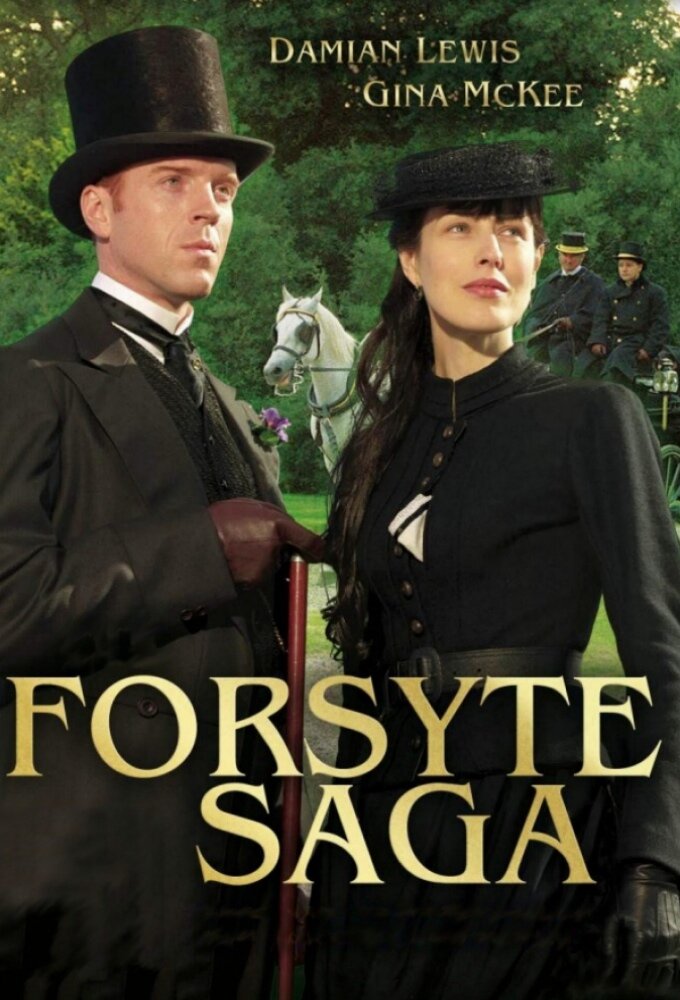
The Forsyte Saga2002
Multigenerational family saga spanning decades and moral transformations. Epic in scope with the same careful pacing and attention to how society shapes individual lives as David Copperfield.
But Extremely long and sometimes repetitive. The first generation's concerns don't always carry into the second, and narrative momentum slackens.
Stalker1979
Both are long meditations on whether we can learn from experience or whether we're condemned to repeat our illusions. Copperfield believes in education; Stalker is not so sure.
Tarkovsky's metaphysical science-fiction film about desire, desire's corruption, and the impossibility of genuine self-knowledge. Like David Copperfield, it traces a journey toward understanding—but concludes that understanding itself might be the trap we lay for ourselves.
But Soviet sci-fi from 1979. The pacing is glacial, the dialogue philosophical, the emotional stakes subliminal. You need enormous patience and tolerance for ambiguity.

People
Recommended by
Penn & Teller: Fool Us, Dynamo: Magician Impossible, Magic for Humans