
Television series
The Singing Detective
A masterwork of television that collapses the boundary between reality and fantasy. Michael Gambon plays a mystery writer hospitalised with a devastating skin condition, trapped in pain and fever while his mind conjures a noir detective—also named Marlow—who inhabits the same narrative space. It's formally audacious, emotionally brutal, and utterly unlike anything else on television.
Should you watch it?
Watch it if you are drawn to stories that bend their form, where a hard-boiled detective yarn and a sickbed drama keep bleeding into each other, and you are happy to follow a fever dream without being handed the map.
Skip it if you want a tidy, linear story with easy sympathy, since the fantasy sequences are dense and the pacing can feel slow.
What it asks of you: Six episodes of roughly seventy minutes each, and it wants you to hold two timelines at once, staying with the ward's discomfort even when the detective's bravado takes over.
Not sure? Find tonight's pick in a minute.
If you liked this
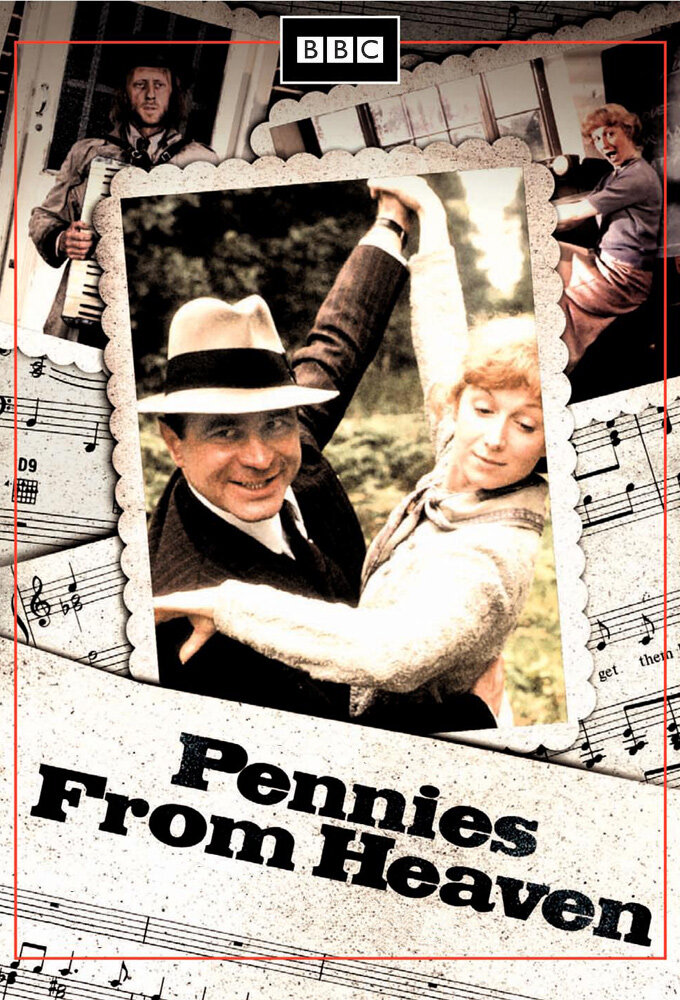
Pennies from Heaven1978
Dennis Potter's prototype for the form: another damaged protagonist whose inner life erupts into song and fantasy. Achingly tender about loneliness and desire, with a visual invention that still astonishes.
But Shot on videotape in a deliberately flat, theatrical style that can feel airless to modern eyes. Emotionally exhausting across six episodes.
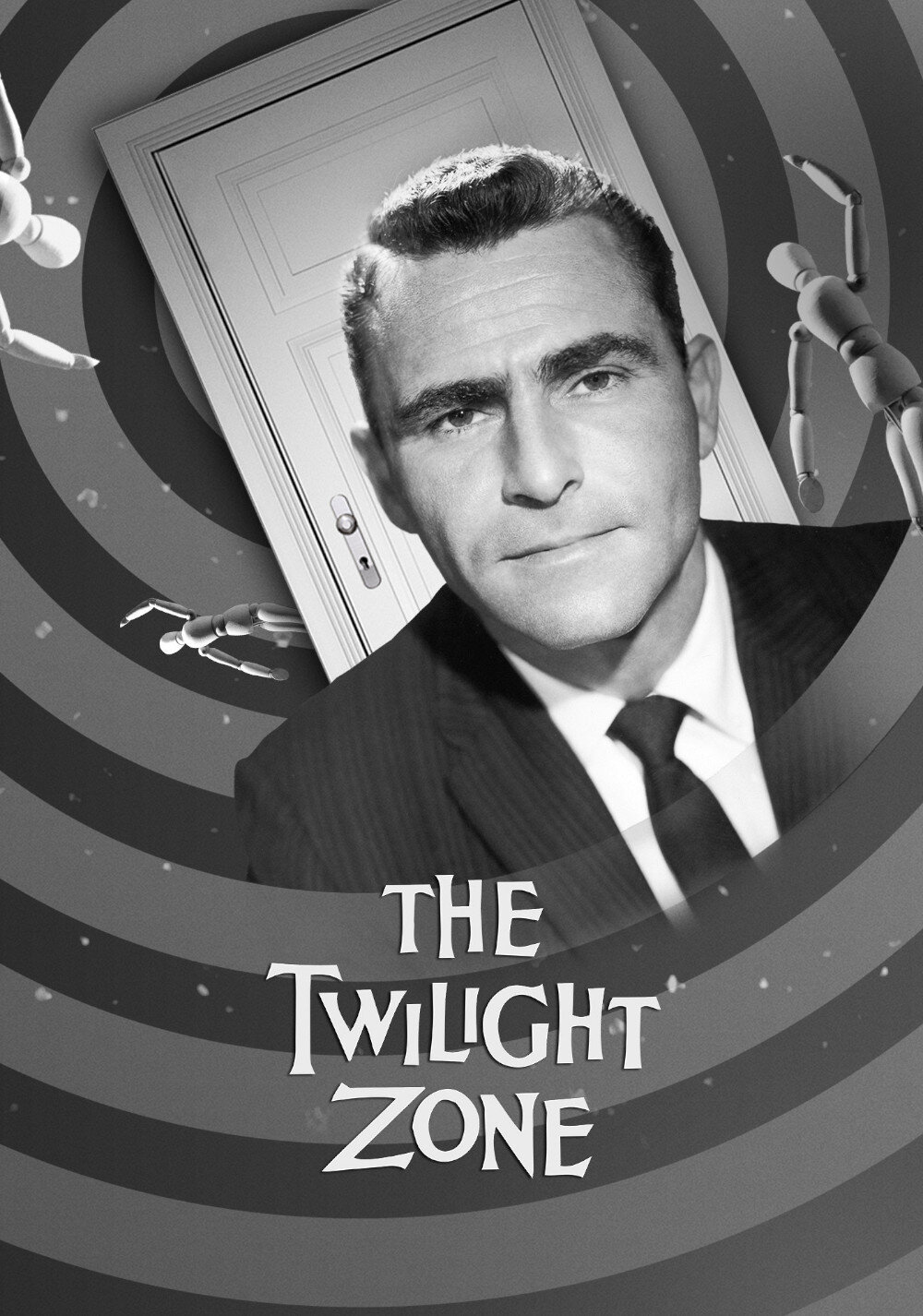
The Twilight Zone1959
Rod Serling's exploration of the space between mind and reality. Episodes like 'The Changing of the Guard' and 'Night Gallery' share The Singing Detective's interest in how consciousness bends the world.
But Episodic and uneven; some feel quaint now. The twist-ending format can overshadow character.
Inland Empire2006
Lynch at his most formally adventurous: a film that collapses narrative, memory, and delusion into one hallucinatory experience. If you loved how The Singing Detective plays with what is real, this goes further.
But Three hours, shot on digital video, often impenetrable. Demands patience and surrender rather than understanding.

Not sure tonight? Get a pick in a minute, starting from The Singing Detective
The wildcard
Something you would not have found on your own.
Synecdoche, New York2008
Both works ask the same question: when your inner life becomes more vivid than the world, who are you? In both, the fantasy is not escape but a way of understanding unbearable reality.
Charlie Kaufman's film is about a theatre director (Philip Seymour Hoffman) whose imagination colonises reality: he builds a replica of New York inside a warehouse, which becomes increasingly indistinguishable from the world outside. Like The Singing Detective, it's about how consciousness reshapes the world and how impossible it is to live inside your own mind.
But Genuinely difficult; it spirals and repeats and denies resolution. Some audiences find it frustrating rather than profound.

More like this (5)
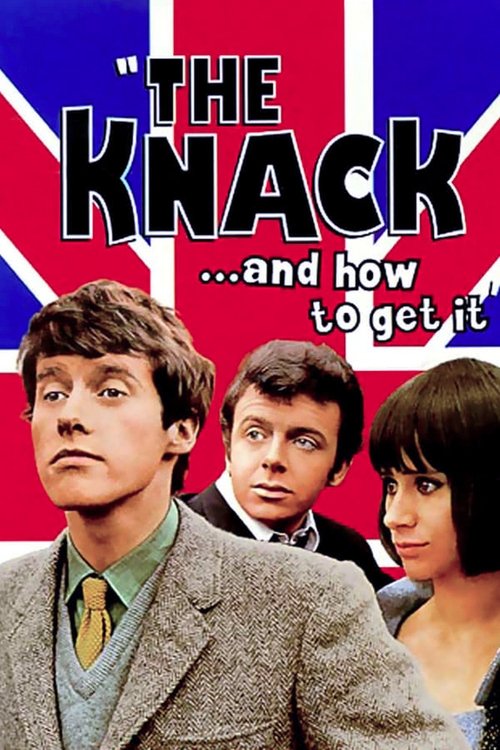
The Knack... and How to Get It1965
Richard Lester's comedy is a riot of style and invention—pop art vitality, genre collision, visual gags that anticipate postmodern play. Young men, London, and fantasy breaking into the frame.
But The 1960s zeitgeist can feel dated. Sexual politics have not aged well. Occasionally precious.
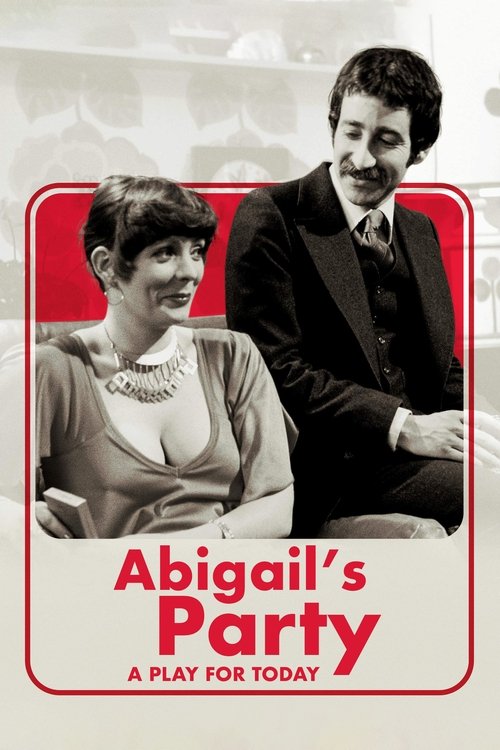
Abigail's Party1977
Mike Leigh's savage comedy about a suburban dinner party. Naturalistic acting and social observation, but with an underlying darkness about class and performance that matches The Singing Detective's moral weight.
But Entirely interior and conversational. Leigh's improvisation method can feel loose if you want a tighter narrative.
The Leopard1963
Visconti's meditation on decay, fantasy, and a man watching his world transform. Gorgeous, melancholic, and intensely interior. Burt Lancaster's performance carries tremendous unspoken suffering.
But Three hours, slow, operatic. The narrative is thin; it's a mood piece, not a plot. Subtitled.

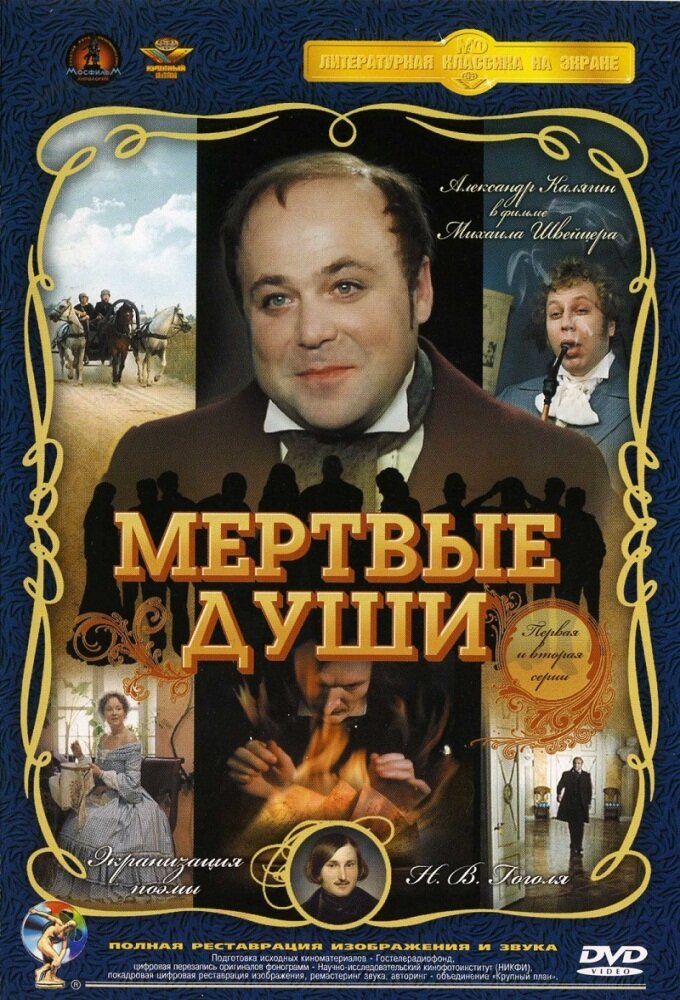
Мёртвые души1984
A dense, literate mystery with echoes of Chandler and the British crime tradition. Strong supporting cast, intricate plotting, and a protagonist at odds with his world.
But Requires attention; the narrative doesn't hand you easy answers. A period piece in style as well as setting.
The Phantom Carriage1921
A hospitalised man whose consciousness fractures into fantasy and accusation. Both films use the hospital as a threshold where the real and the imagined become indistinguishable. Both are about guilt made visible.
Victor Sjöström's silent masterpiece: a man dying in a hospital ward meets a ghostly driver who takes him through his own past and the lives he has ruined. Formal experiment in 1921, emotionally devastating, and deeply interested in how memory and delusion coexist.
But Silent film, 96 minutes that move at their own pace. Black and white, intertitles, and a narrative that requires patience. The supernatural elements are played straight, never explained.

People
Cast
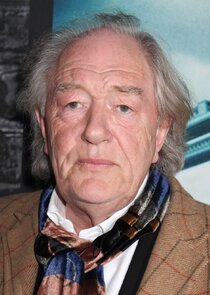





Recommended by
Synecdoche, New York, Pennies from Heaven, Barton Fink, Ashes to Ashes, The Wild Child, My Family, Armchair Theatre, Victoria Wood: As Seen on TV, Complicit, Pennies from Heaven, David Copperfield, Hilary and Jackie, Happy Families, Sapphire and Steel, The Devil's Due, Forbidden Zone, Beyond the Sea, Robinson in Ruins, Play for Today, Days of Hope, Facejacker, The Lenny Henry Show, Immediate Family, The Loretta Young Show, Robinson in Space, The Pickwick Papers, Maigret