
Film
The Wild Child
- Drama
- Slow-burning
Truffaut's patient, luminous account of a feral child found in late-18th-century France and the doctor determined to teach him language and feeling. Spare and unhurried, shot in black-and-white. Gorgeously humane without sentimentality. For anyone who loves cinema that trusts its audience to sit still.
Should you watch it?
Watch it if you are drawn to quiet, observational films about patience and the slow, unglamorous work of teaching, where a small human struggle carries the weight.
Skip it if you need brisk plotting or lots of incident, since this moves at a measured pace and its drama is mostly small lessons repeated with a wild boy who gives little back.
What it asks of you: Patience comes first: long stretches of quiet repetition unfold across a brief eighty-odd minutes, in a tone that stays sober and gentle.
Not sure? Find tonight's pick in a minute.
If you liked this
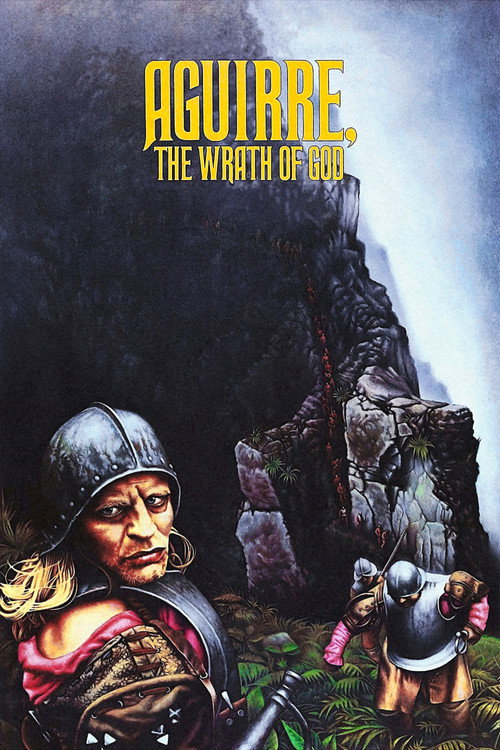
Aguirre, the Wrath of God1972
Herzog's obsessed conquistador mirrors Itard's fixation—both men pursuing an impossible vision through wilderness, driven by conviction that transcends reason. Hypnotic and strange.
But Deliberately paced and cryptic. The logic is dream-logic, not plot-logic. You may never fully understand what you've seen.
Pather Panchali1955
Ray observes childhood and poverty with the same tender, unsentimental eye Truffaut brings to Victor. The texture of daily life becomes profound. A masterpiece about attention itself.
But Slow. No plot to speak of. Requires patience with ambiguity and the small, unremarkable moments of existence.

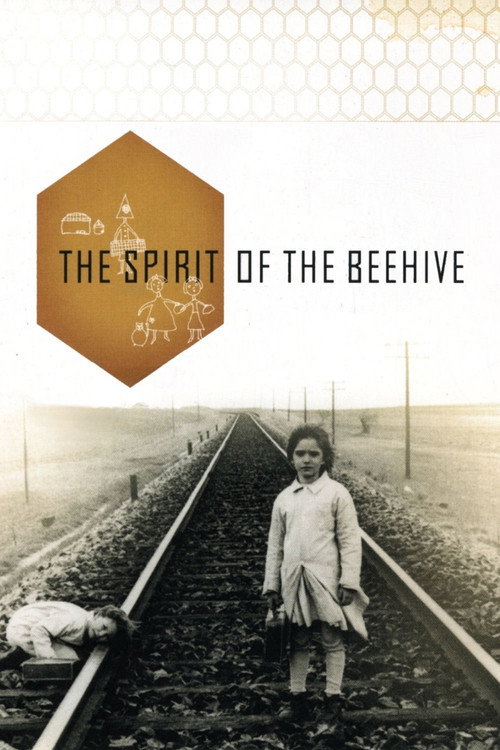
The Spirit of the Beehive1973
Another quietly luminous film about a child's inner life and how the world shapes—or fails to shape—the self. Haunting, mysterious, shot with extraordinary tenderness.
But Very little happens. Spanish cinema of this era moves at its own pace. Some find it glacial rather than meditative.
Not sure tonight? Get a pick in a minute, starting from The Wild Child
The wildcard
Something you would not have found on your own.
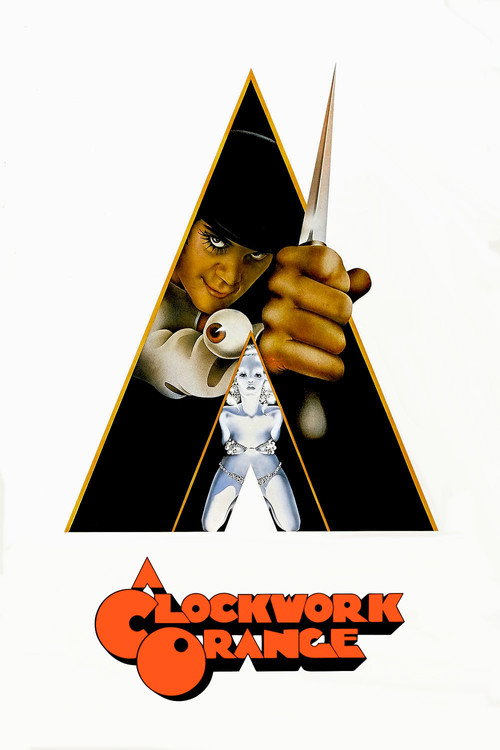
A Clockwork Orange1971
The thematic inverse—same question about human malleability, diametrically opposed answers. Truffaut's gentleness makes Kubrick's brutalism still more shocking.
Kubrick's opposite answer to Truffaut's question: what happens when you try to civilize through force rather than patience? Both explore whether violence or love can remake a human being. Terrifying and brilliant.
But Graphically violent. Deliberately obscene. Designed to repel and provoke. Some find it exploitative rather than philosophical.
More like this (7)
Come and See1985
Elem Klimov's harrowing masterpiece also concerns a boy's consciousness being transformed by forces beyond his control, though here it's war, not civilization. Unbearably powerful.
But Brutally, relentlessly dark. One of cinema's most difficult watches. Emotionally devastating in ways that linger for days.

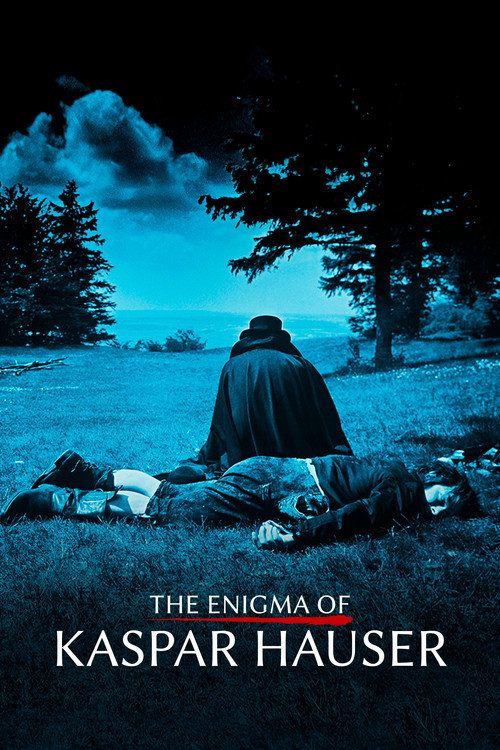
The Enigma of Kaspar Hauser1974
Herzog's other meditation on a mysterious foundling—is he human? Can he ever belong? Similar questions, different texture. Stranger and more metaphysical than The Wild Child.
But Slow, philosophical, deliberately oblique. Less warmth than Truffaut's film; more existential dread. Not a story so much as a question.
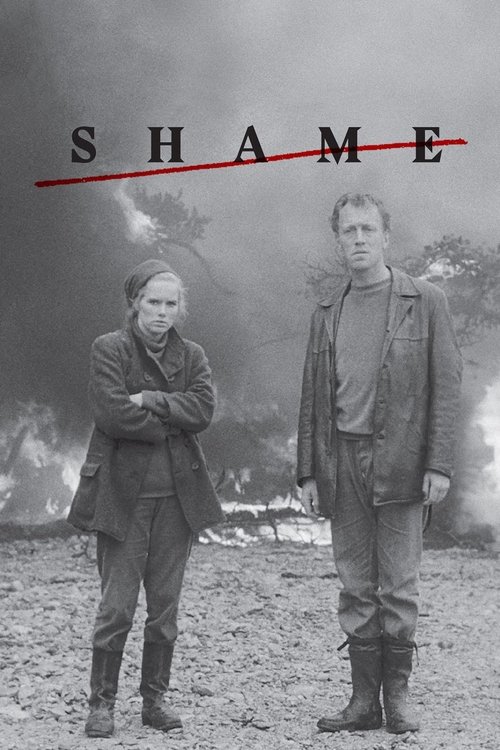
Shame1968
Bergman's study of two people trying to survive on a farm during unspecified war. Shares Truffaut's interest in human connection under pressure, shot with equal intensity and honesty.
But Relentlessly grim. No relief, no beauty to soften the deterioration of the human situation. Demands emotional endurance.
Stalker1979
Tarkovsky's meditation on desire and meaning. Like Itard, the protagonist is driven by belief in something intangible. Both films ask: what does it mean to shape another consciousness?
But Three hours. Hypnotic but glacial. Long, static shots. Some find it transcendent; others find it impenetrably dull.

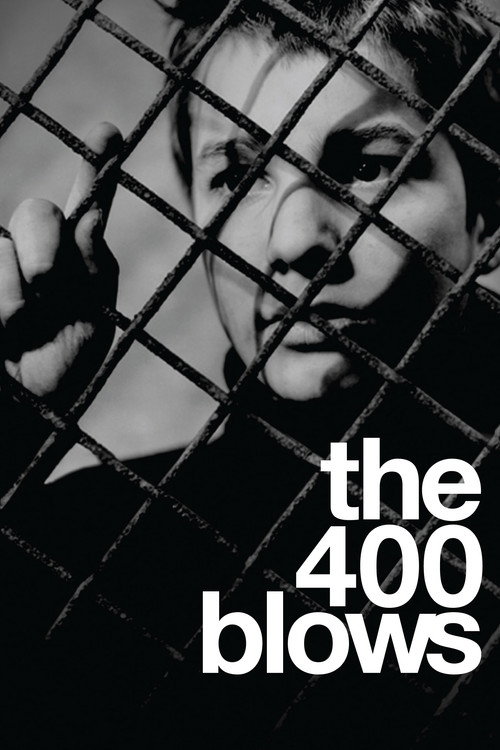
The 400 Blows1959
Truffaut's own masterpiece about a boy adrift in the world. The inverse of The Wild Child—not civilizing a feral child, but watching society fail a vulnerable one.
But Heartbreaking. The helplessness of childhood as a social tragedy. Not comfortable viewing, though utterly human and true.
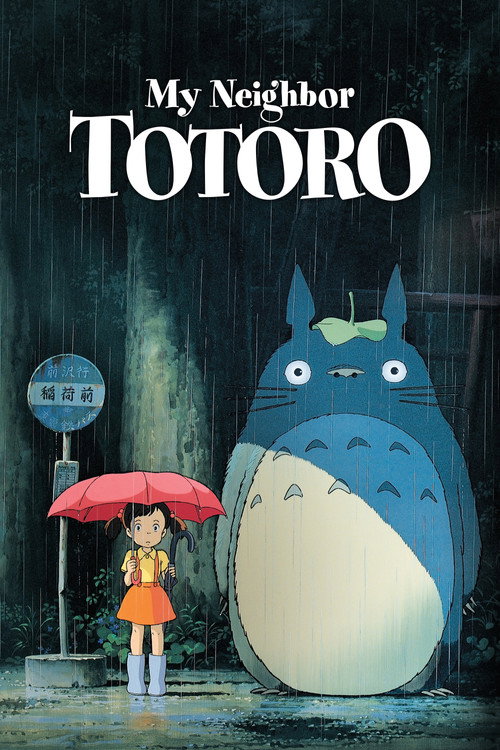
My Neighbor Totoro1988
Miyazaki's gentle study of how children perceive and shape reality. Less about instruction than Truffaut's film, but shares the deep attention to a child's inner world and capacity for wonder.
But Animated. Some viewers dismiss animation outright. Also built from whimsy rather than historical fact, which shifts the entire register.
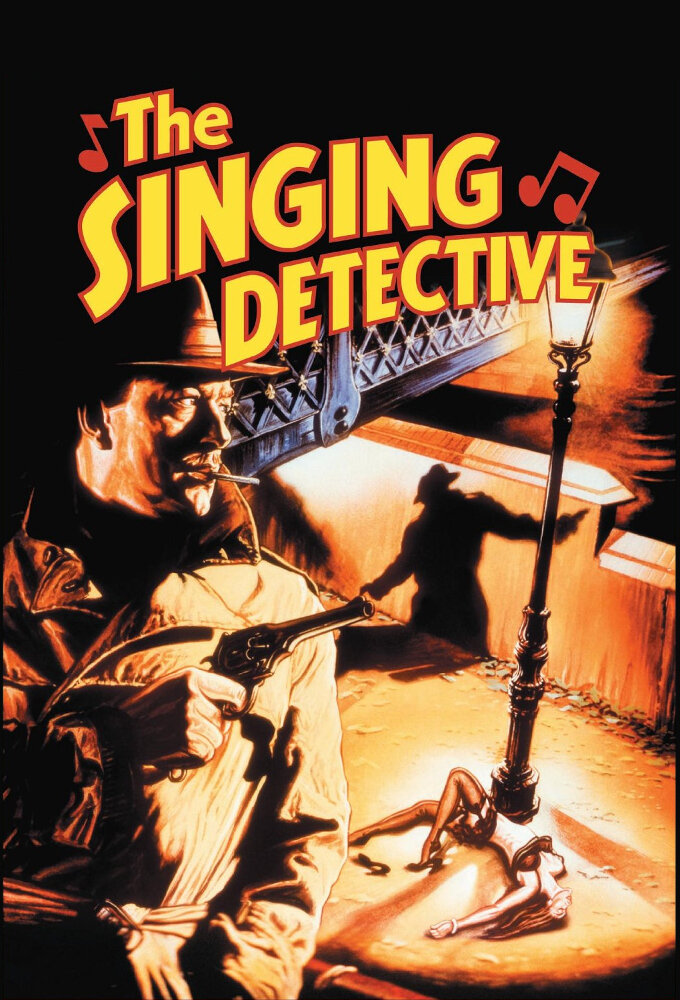
The Singing Detective1986
Both are portraits of one consciousness trying to reach another across an almost unbridgeable distance. Potter's is more formally radical; Truffaut's more humanist. Different media, same hunger.
Dennis Potter's six-hour mystery about a man hospitalized and helpless, trapped in illness. Uses song and fantasy to explore consciousness itself. Like The Wild Child, it's obsessed with how another person gains access to a locked mind.
But Extremely fragmented and formally experimental. Mixes genre constantly. Bleak, painful, and some episodes are nearly unwatchable. British 1980s drama looks cheap by modern standards.
People
Cast
 Jean-Pierre CargolVictor, l'Enfant Sauvage
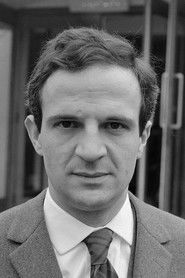 François TruffautLe Dr Jean Itard
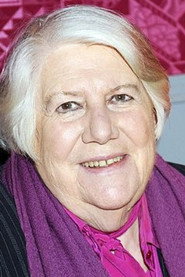 Françoise SeignerMadame Guerin
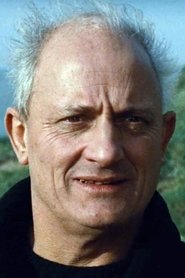 Jean DastéProfessor Philippe Pinel
- Annie MillerMadame Lemeri
 Claude MillerMonsieur Lemeri
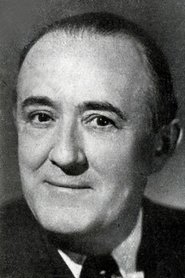 Paul VilléRemy
- Nathan MillerBaby Lemeri
 Mathieu SchiffmanMathieu
 Jean GruaultVisitor at Institute
 Gitt MagriniCountrywoman
 Jean-François StéveninCountryman
Directing
- Suzanne SchiffmanAssistant Director
- François TruffautDirector
- Christine PelléScript Supervisor
Writing
- François TruffautAdaptation
- Jean GruaultAdaptation
- François TruffautDialogue
- Jean GruaultDialogue
- Jean ItardNovel
- François TruffautScreenplay
- Jean GruaultScreenplay
Production
- Armand BarbaultProduction Assistant
- Marcel BerbertProduction Manager
- Claude MillerUnit Manager
- Roland ThénotUnit Manager
Recommended by
Room, The Wolfpack, Santa Claus Conquers the Martians, The Jungle Book, Mädchen in Uniform, Greystoke: The Legend of Tarzan, Lord of the Apes, Let Him Have It, Abuse