
Film
Abuse
A 1983 drama about a teenage boy brutalized by his parents who finds solace with an older film director making a documentary about child abuse. Their relationship deepens into romance, forcing an agonizing choice between love and complicity. Unflinching and morally complex, it refuses easy answers about trauma, desire, and responsibility.
Should you watch it?
Watch it if you want an unflinching drama that treats a battered teenager's inner life with seriousness and refuses easy consolation, and you can stay with a hard subject.
Skip it if you need a mood that lifts between harrowing scenes, since this one rarely lets up for its full ninety-four minutes.
What it asks of you: Ninety-four minutes, unhurried and watchful, with long stretches of quiet observation and few release valves; it wants patience more than plot-driven momentum.
Not sure? Find tonight's pick in a minute.
If you liked this
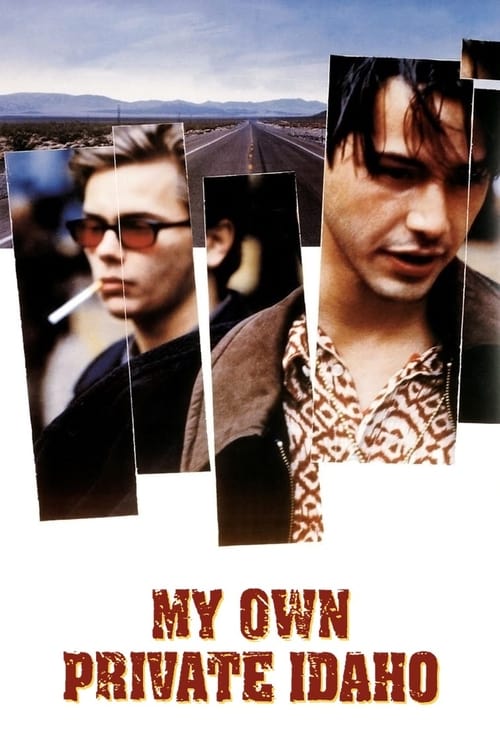
My Own Private Idaho1991
Gus Van Sant's poetic portrait of street life and male hustlers searching for connection and home. Like Abuse, it centers young men surviving exploitation and finding intimacy in unlikely places, with equal tenderness and refusal to sentimentalize.
But The narrative is deliberately loose and dreamlike; some find it more interested in mood than plot. Sexual content and drug use are unflinching.
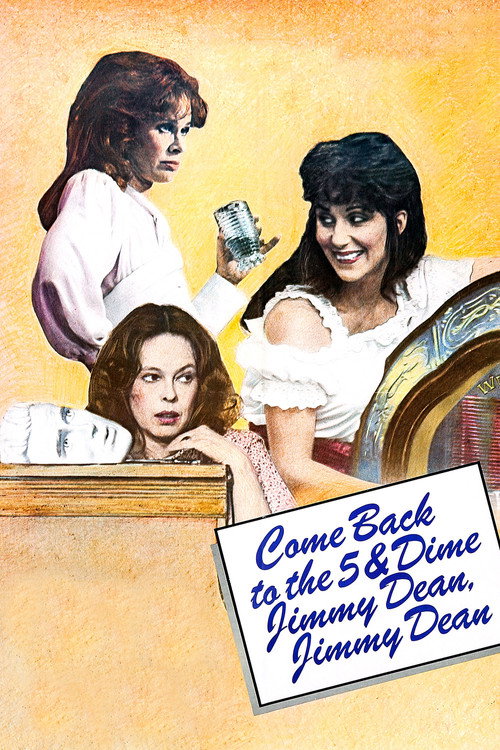
Come Back to the 5 & Dime, Jimmy Dean, Jimmy Dean1982
Robert Altman's chamber play about memory, identity and secrets harbored in small-town America. Like Abuse, it's a character study that digs into psychological damage and the stories we tell to survive, with similar '80s indie sensibility.
But Stagey and dialogue-heavy. Altman's overlapping conversations can feel mannered if you're not in the mood for deliberate artifice.
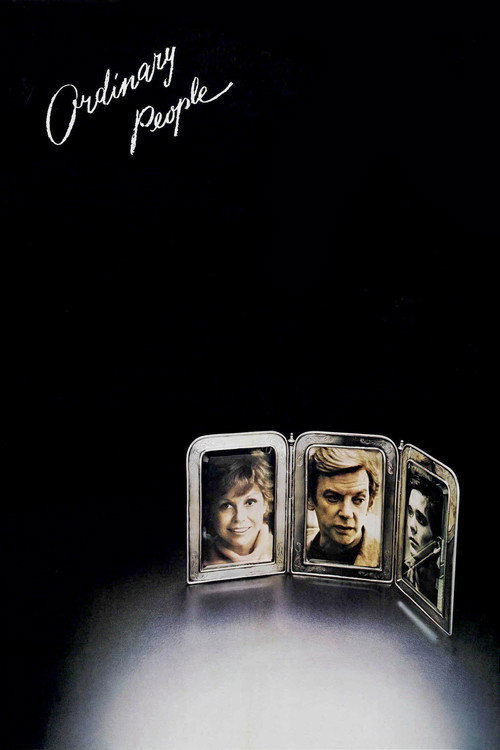
Ordinary People1980
Robert Redford's film about a family fractured by tragedy and the therapy that begins to heal it. Both films take family trauma seriously and refuse to resolve it neatly; both believe in the possibility of witnessing and change.
But It's a mainstream prestige drama that can feel dated. The emotional beats are clear and sometimes telegraphed.
Not sure tonight? Get a pick in a minute, starting from Abuse
The wildcard
Something you would not have found on your own.
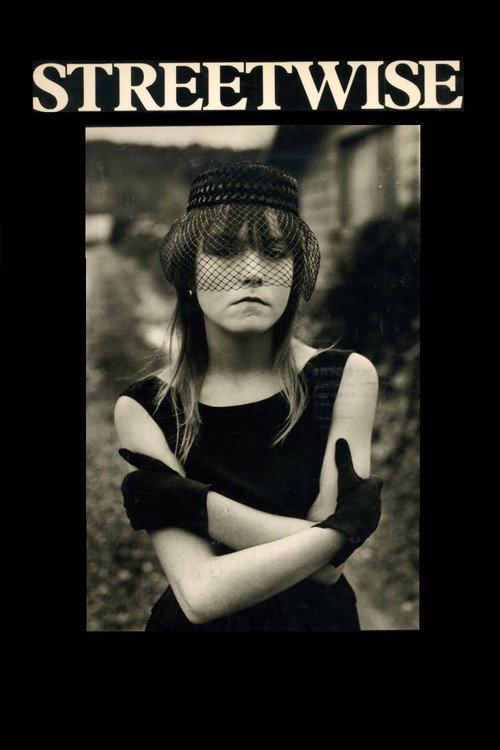
Streetwise1984
Both emerged in the early '80s to bear witness to youth abandonment in America. Both refuse pity and instead offer dignity and attention to those society ignores.
Martin Bell's documentary follows homeless teenagers in Seattle with unflinching compassion. It shares Abuse's refusal to look away from young people in crisis, but through real lives rather than fiction. Equally devastating, more urgent.
But It's a real documentary about real children in genuine danger. The exploitation it documents is not performed. Some find this more difficult than narrative drama.
More like this (6)
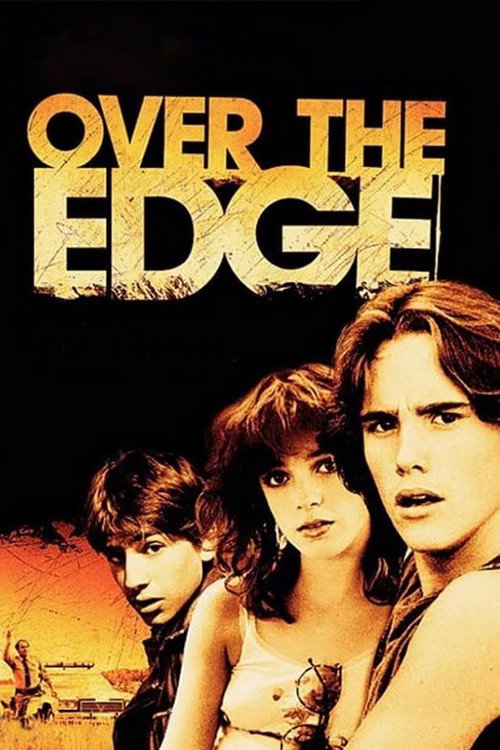
Over the Edge1979
Matt Dillon's debut in a portrait of bored, neglected teenagers in an Arizona town. It captures adolescent desperation and adult indifference with sociological precision, and shares Abuse's interest in how young people navigate abandonment.
But The tone is more satirical than tragic. Some find its 1970s pastiche more amusing than moving.
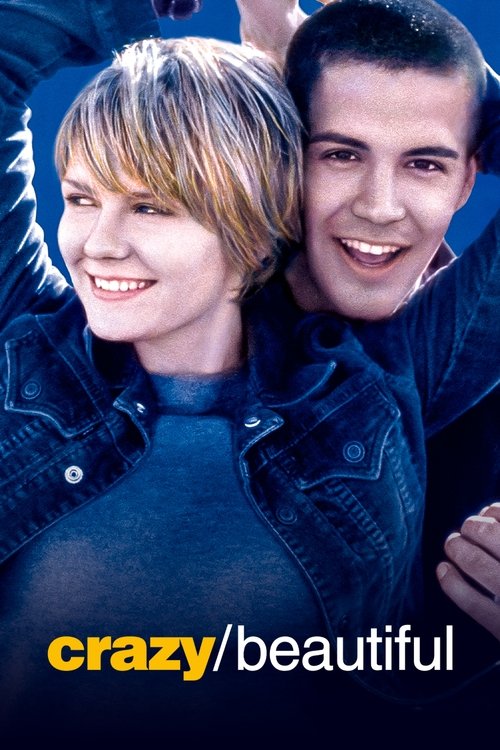
Crazy/Beautiful2001
A modern take on damaged youth and the people who try to reach them. It has similar themes of connection across difference, though gentler than Abuse and aimed at a broader audience.
But It softens everything Abuse insists upon. The romance is more conventional, the critique less sharp.
Requiem for a Dream2000
Darren Aronofsky's brutal portrait of four people destroyed by addiction and desire. Like Abuse, it refuses sentimentality about human wreckage and asks you to sit with unbearable truths.
But Genuinely difficult to watch. The editing, sound design and subject matter accumulate into something punishing.

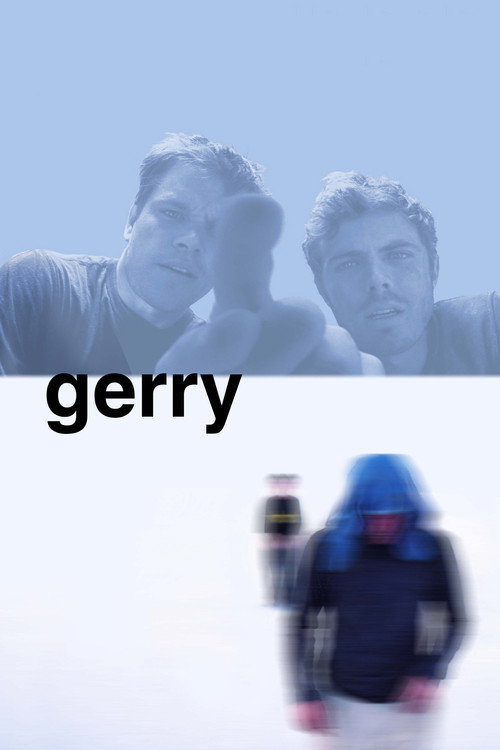
Gerry2002
Gus Van Sant's extended meditation on two young men walking through the desert. It's formally radical and glacially paced, but shares Abuse's commitment to observing quiet suffering and male intimacy without irony.
But Almost entirely wordless and 100 minutes long. If you need plot or conventional emotional payoff, this will exhaust you.
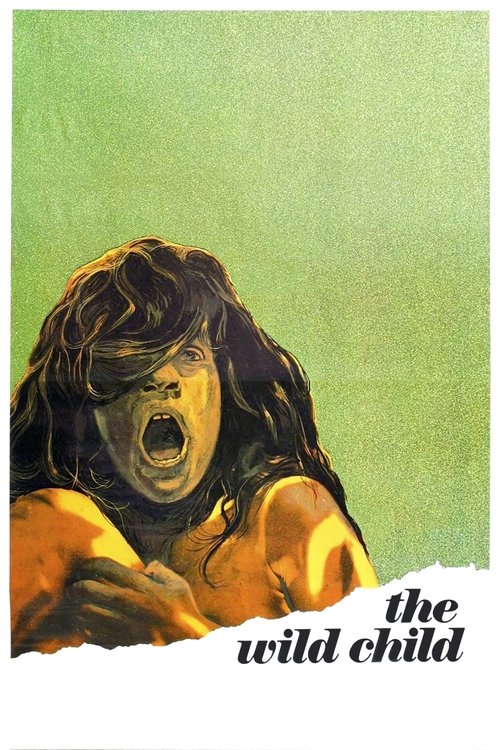
The Wild Child1970
Both center an older man's responsibility toward a younger person in crisis. Both ask: when does help become possession? What does love owe its object?
François Truffaut's film about a feral child brought into civilization and the man attempting to educate him. It's formally beautiful and philosophically precise about the ethics of reshaping another person, especially one dependent and vulnerable.
But It's a period piece from 1970 about the 1790s, and quite slow. The pedagogy can feel cold and distant rather than warm.
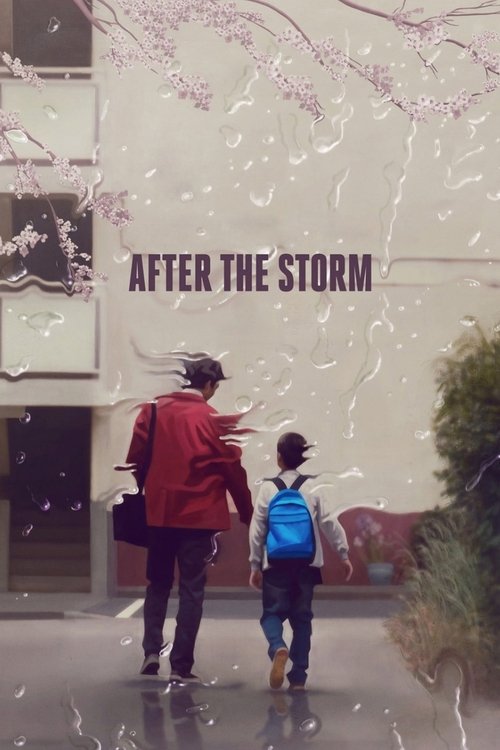
After the Storm2016
Both examine male relationships across generational distance and the harm that comes from unexamined emotion. Both trust viewers to feel what's left unsaid.
Hirokazu Koreeda's film about a man estranged from his son, trying and failing to reconnect. It's tender about male inadequacy and the damage fathers do, but never maudlin. Its register is quieter than Abuse but the moral questions run similarly deep.
But Nothing much happens. It's more interested in small scenes and silences than narrative momentum. Very slow, very Japanese in its restraint.
People
Cast
- Richard RyderLarry Porter
 Raphael SbargeThomas Carroll
 Steve JamesDr. Bennett
- Kathy GerberKathy Logan
- Jack HaltonProf. Rappaport
- Mickey ClarkLaura
- Maurice MassaroMr. Carroll
- Susan SchneiderMrs. Carroll
 Luba MasonSara
- Kathy GiottaElaine
- Tracy VivatAmy
- Billy LuxAaron
Directing
- Arthur J. Bressan, Jr.Director
Writing
- Arthur J. Bressan, Jr.Writer
Production
- Steven McMillinProducer