
Film
Come Back to the 5 & Dime, Jimmy Dean, Jimmy Dean
Robert Altman's 1982 chamber piece traps six women in a five-and-dime store to confront memory, myth and who they've become since James Dean died. It's deliberately theatrical, mirror-lined and claustrophobic—a film about the stories we tell ourselves curdling into something stranger. For those who love actors and conversation over plot.
If you liked this
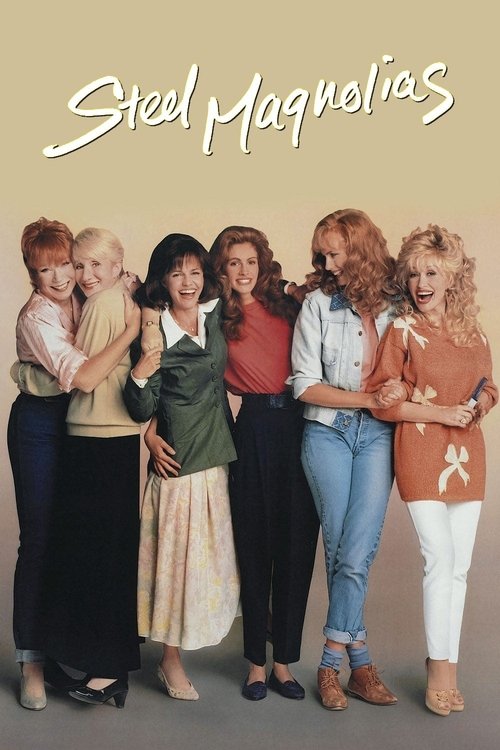
Steel Magnolias1989
Six women bound by geography and circumstance, with genuine warmth beneath the banter. It has the same ensemble spirit and understanding that female friendship is its own narrative engine.
But It's more conventionally moving and less interested in delusion and theatre, so it may feel safer than what you're looking for.
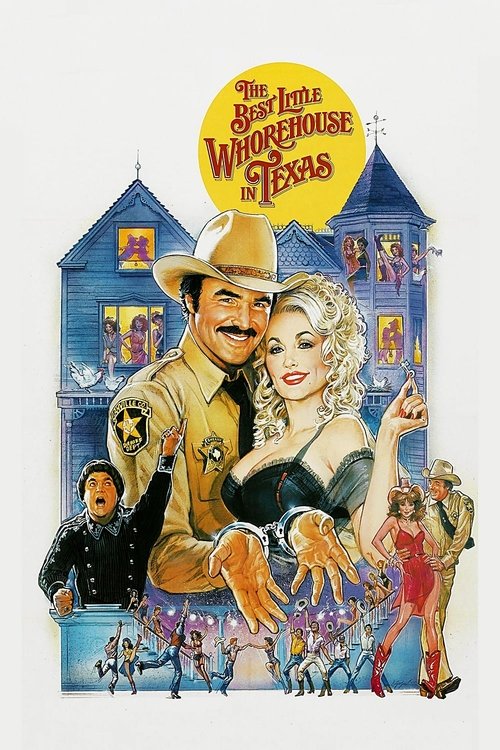
The Best Little Whorehouse in Texas1982
Released the same year, another Altman film about a community's relationship with a myth (and each other). Theatrical, ensemble-driven, concerned with performance and small-town self-deception.
But It's lighter and broader in tone—more musical, less psychologically unsettling than the mirror-game intensity here.
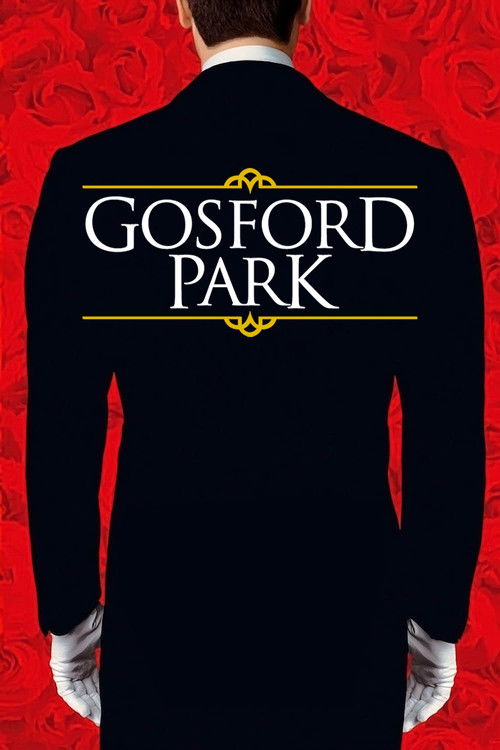
Gosford Park2001
Altman at his most intricate, weaving multiple characters across a single space while excavating class, performance and what people hide. Same director, same obsession with overlapping voices and hidden depths.
But Larger cast, country-house mystery structure—it's more plot-driven than the raw emotional archaeology of Jimmy Dean.
Not sure tonight? Get a pick in a minute, starting from Come Back to the 5 & Dime, Jimmy Dean, Jimmy Dean
The wildcard
Something you would not have found on your own.
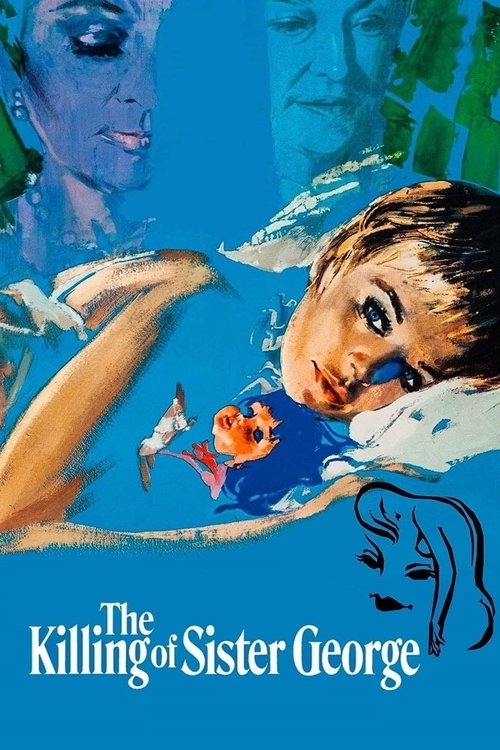
The Killing of Sister George1968
Both films are about women whose entire identity has calcified around performance and mythmaking, and both understand that the mirror they're staring into is a trap of their own making.
A television actress confronts the end of her career and her identity as the role she plays. Uses theatre and performance in the same way—the boundary between person and character evaporates, and what's left is brutal and true.
But It's suffocated by 1960s lesbian coding and shame. The emotional texture is bleak rather than darkly comic, and it doesn't soften.
More like this (8)
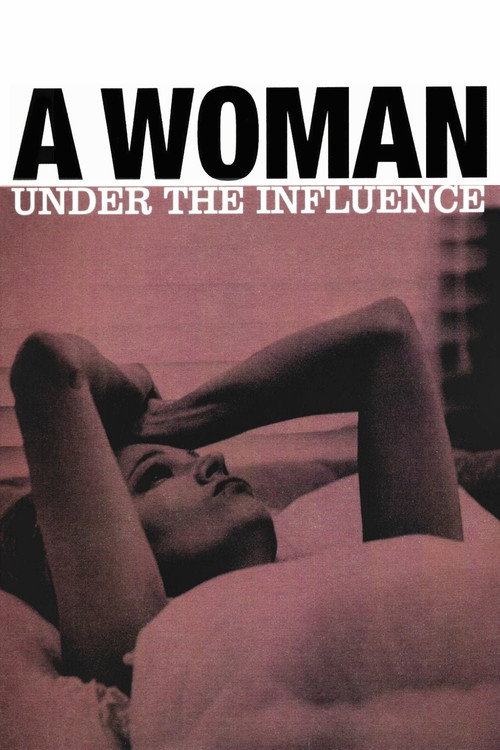
A Woman Under the Influence1974
Cassavetes watches a woman unravel in an ordinary domestic space. Raw, performative, cruel to its subject in a way that feels true. About the stories families tell about each other.
But It's even more claustrophobic and exhausting, and the pain is relentless rather than darkly funny.
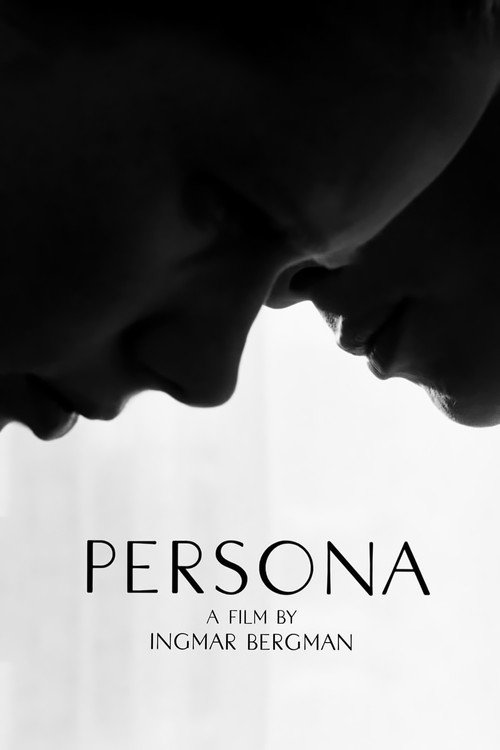
Persona1966
Two women in an enclosed space, identity bleeding into identity, performance and silence as weapons. Bergman's meditation on who we are behind closed doors and whether we can ever really know someone.
But It's an art film in the fullest sense—cryptic, visual, deliberately difficult to parse. Not comforting company.
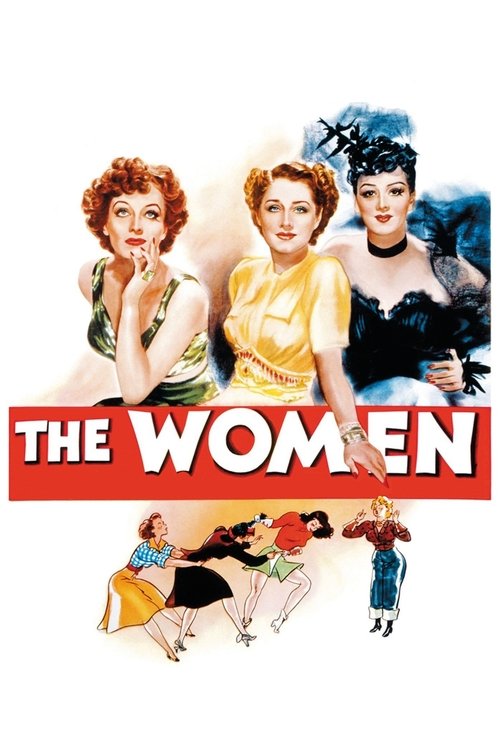
The Women1939
All-female cast, all cattiness and alliance and survival. A direct ancestor to this film's interest in how women perform themselves for each other. Funny and genuinely vicious.
But It's from 1939 and shows its era in attitudes and style. The humour and stakes will feel distant unless you're already fond of screwball comedy.
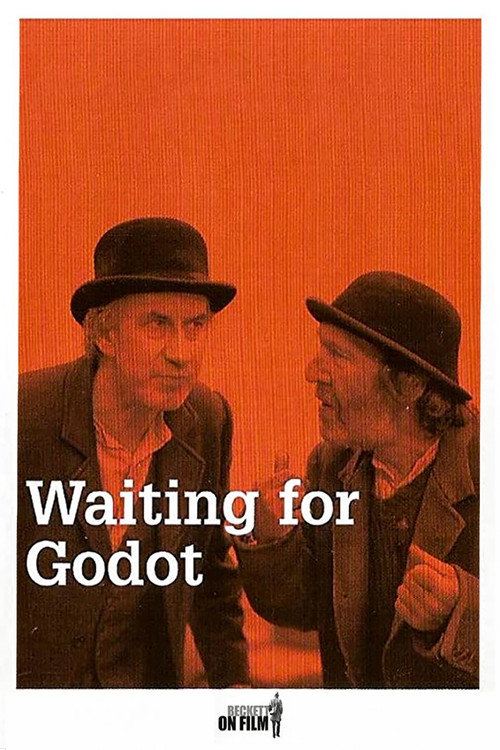
Waiting for Godot2001
Not a play adaptation but a filmed play. Two people in an empty space talking about nothing much while time circles. Same theatrical DNA as Jimmy Dean—the theatre itself becomes the subject.
But It's abstract, static, and profoundly patient with emptiness. If you want narrative momentum, this will feel like waiting for a bus that may never come.
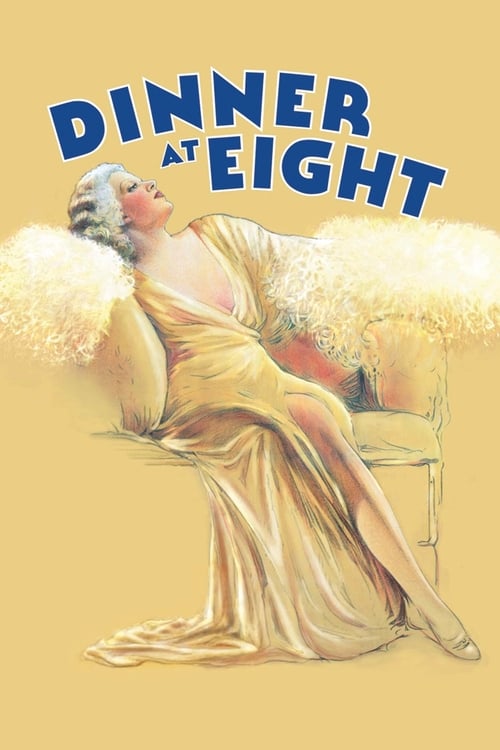
Dinner at Eight1933
Eight people converging for an evening, personal catastrophe hidden beneath manners. Cukor's ensemble work is sharp and attentive to how people perform their lives for each other.
But Pre-Code Hollywood stylishness and distance—it's clever rather than genuinely unsettling, and the concerns feel dated.
Mulholland Drive2001
Two women, Hollywood mythology, identity collapse, and the question of who you really are when the mirror breaks. Lynch shares Altman's interest in performance as a way of avoiding truth.
But It's deliberately incoherent and demands (or refuses) interpretation. If you want clarity, this will frustrate you into a brick wall.

The Queen of Versailles2012
Both watch people trapped by their own mythmaking. In Jimmy Dean it's James Dean; here it's the American dream. Both films understand that delusion is a performance, and performance becomes delusion.
A documentary following a real couple building a dream mansion during the 2008 crash. Accidental theatre—the subjects perform themselves without knowing the camera is capturing their delusion. The same collision between reality and the story we tell about ourselves.
But It's a documentary, so it's fragmented and unglamorous. It's also mean-spirited in a way that might feel like cruelty without catharsis.

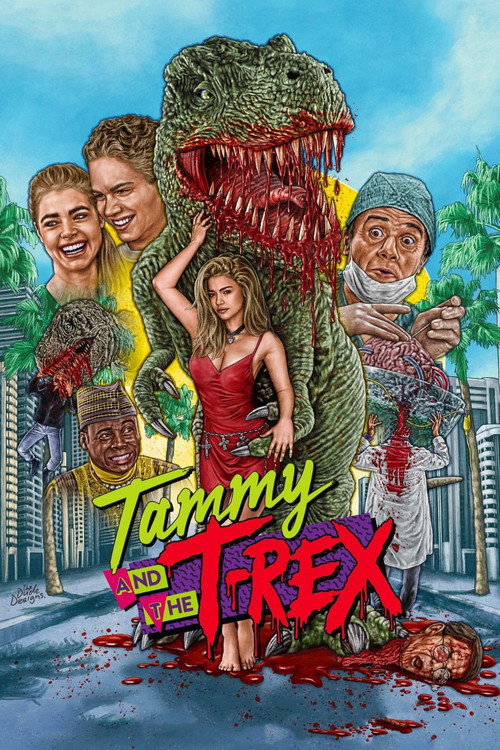
Tammy and the T-Rex1994
Both films are about women married to myths they cannot see clearly. In Jimmy Dean it's tragic; in Tammy it's absurd. Both commit completely to the emotional truth of the delusion, regardless of its object.
A teenage girl falls in love with a T-Rex that happens to be a reanimated dinosaur with her dead boyfriend's brain. Completely sincere, completely insane, and entirely unconcerned with whether anyone believes the story. Pure devotion to a ridiculous myth.
But It's a cult film from 1994, genuinely peculiar, and not interested in being good in conventional ways. If you want polish, you will not find it.
People
Cast
 CherSissy
 Sandy DennisMona
 Karen BlackJoanne
 Sudie BondJuanita
 Kathy BatesStella Mae
 Marta HeflinEdna Louise
 Mark PattonJoe Qualley
 Caroline AaronTeenager
- Gena RamselTeenager
 Ann RisleyTeenager
 Dianne Turley TravisTeenager
- Ruth MillerTeenager
Directing
- Robert AltmanDirector
- Sonja WebsterFirst Assistant Director
- Luca KoumelisScript Supervisor
- Marlene ArvanSecond Assistant Director
- John BriglebStage Director
Writing
- Edward GraczykScreenplay
- Edward GraczykTheatre Play
Production
- Giraud ChesterExecutive Producer
- Scott BushnellProducer
- Doug ColeProduction Coordinator
- Peter NewmanProduction Executive
- Sonja WebsterProduction Manager
Recommended by
Nuts, A Dangerous Woman, The Sitter, Crimes of the Heart, Ironweed, The V.I.P.s, The Road Builder, Abuse, Sentimental Journey, Six Characters in Search of An Author