
Film
Ironweed
- Social drama
- Slow-burning
Ironweed follows a broken man returning to his hometown after years of wandering, colliding with the ghosts of his past—literal and figurative. It's a tender, unflinching portrait of poverty and redemption, anchored by Nicholson and Streep at their most vulnerable. For viewers who want real stakes and genuine emotion, not catharsis.
Should you watch it?
Watch it if you want a slow, sorrowful character study where the craft lives in two wounded actors sharing long silences and rough-edged scenes of a city's underside.
Skip it if you need momentum or a clear plot to carry you, since its two-plus hours move through mud at a deliberately funereal pace.
What it asks of you: Settle in for close to two and a half hours of unhurried, grim quiet, with long lingering scenes of hardship that unfold slowly rather than building toward quick payoffs.
Not sure? Find tonight's pick in a minute.
If you liked this
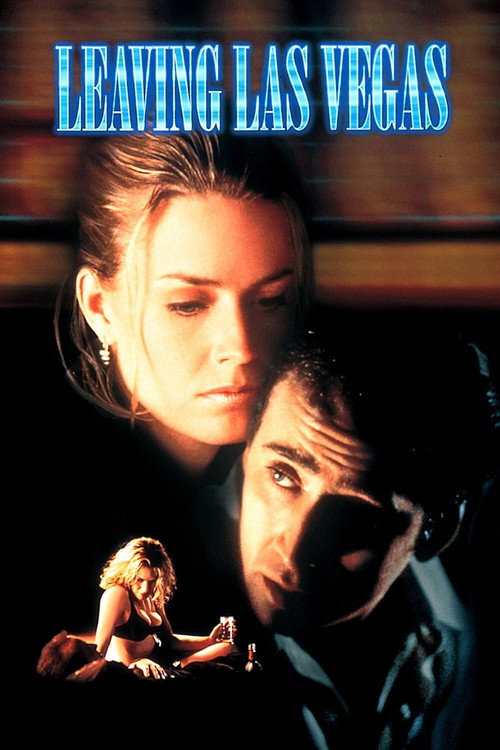
Leaving Las Vegas1995
Nicolas Cage's career-defining performance as a self-destructing alcoholic searching for oblivion. Like Ironweed, it refuses to sanitize addiction or offer easy redemption. The camera stays close, watching everything.
But It's relentlessly bleak and the degradation is graphic. There's no moment of grace to rest on—just the slow, terrible logic of self-harm.
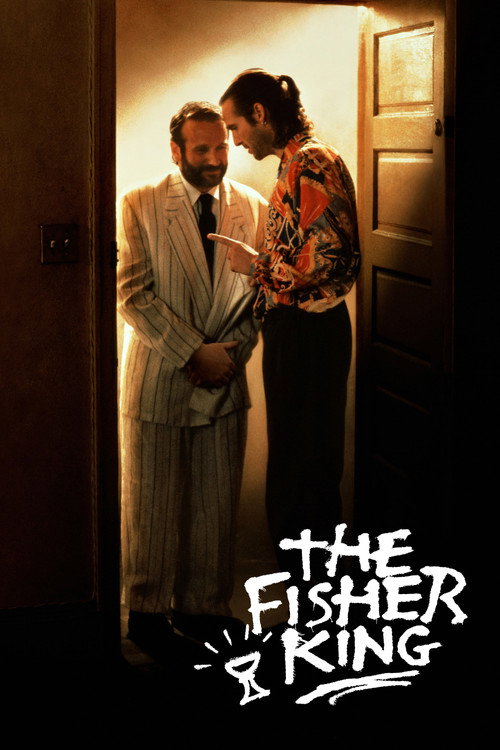
The Fisher King1991
Terry Gilliam's fever dream about homelessness, trauma, and unlikely connection. Macabre and tender in the same breath, with Jeff Bridges and Robin Williams finding light in urban ruins without denying how dark things are.
But It's visually baroque and tonally chaotic. The whimsy can feel at odds with the serious subject matter if you're not in the mood for Gilliam's particular vision.
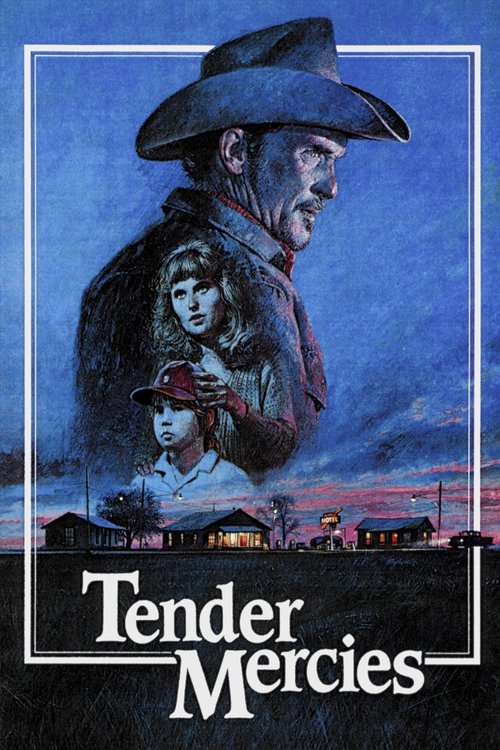
Tender Mercies1983
Robert Duvall as a washed-up country singer rebuilding his life in rural Texas. Quieter than Ironweed but cut from the same cloth—about shame, grace, and the daily work of becoming human again. Genuinely moving.
But The pace is glacial and nothing dramatic happens. If you need plot momentum or a rousing climax, this will feel like stalling.
Not sure tonight? Get a pick in a minute, starting from Ironweed
The wildcard
Something you would not have found on your own.
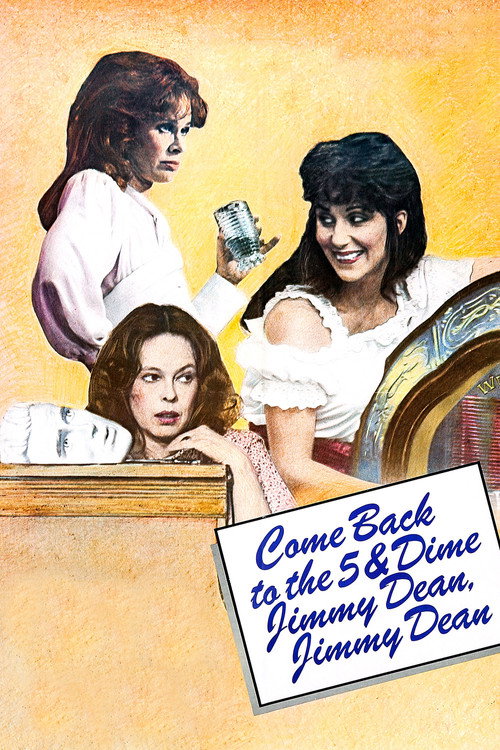
Come Back to the 5 & Dime, Jimmy Dean, Jimmy Dean1982
Both films trap their characters in a single location during a homecoming, forcing them to reckon with the gap between who they were and who they've become. Both are interested in how places hold memory and how memory holds us hostage.
Robert Altman's chamber piece: five women reunite at a shrine in a Texas diner thirty years later, and buried shame and disappointment pour out. It's a Brechtian play-on-film about small-town disappointment and the ghosts we carry. Absolutely hypnotic.
But It's stagy and cramped. The film looks like filmed theater, the performances are heightened, and if you're looking for naturalism Altman will irritate you.
More like this (8)
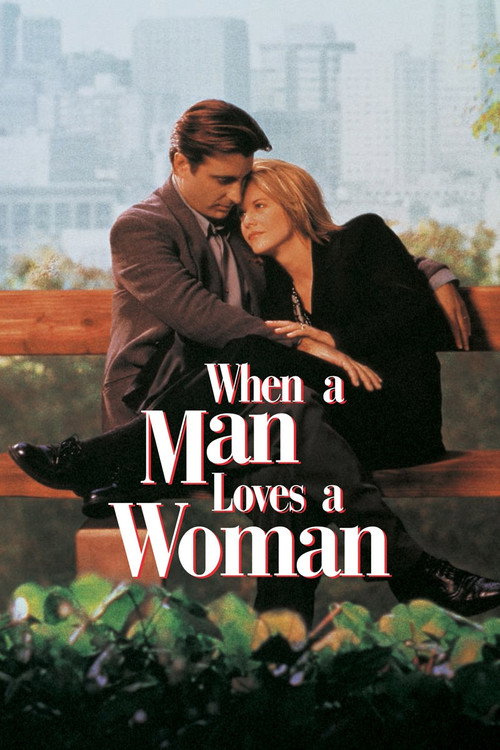
When a Man Loves a Woman1994
Andy Garcia and Meg Ryan as a couple surviving alcoholism and its wreckage. It takes the disease seriously without descending into self-pity. The marriage drama is incidental; the reckoning is the story.
But The romantic-movie packaging sometimes undercuts the material. It occasionally wants to be a tearjerker when it's most powerful as something harsher.
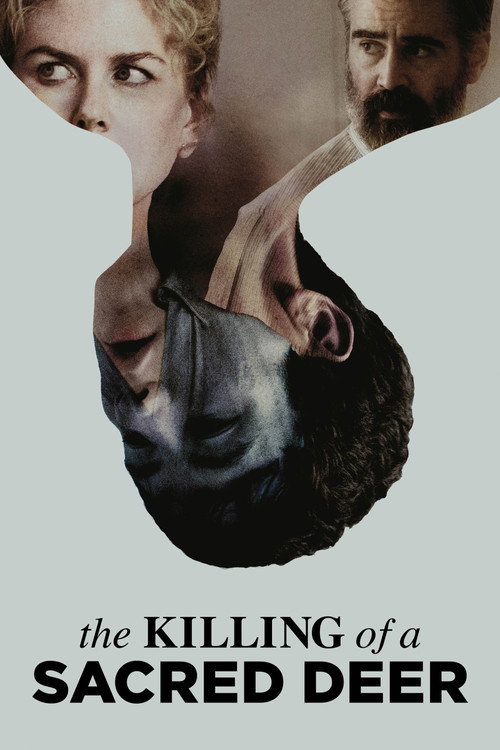
The Killing of a Sacred Deer2017
Colin Farrell as a man haunted by a debt he can't repay, facing impossible moral math. The guilt and the inescapability mirror Ironweed's themes, though Yorgos Lanthimos renders it as psychological horror rather than naturalism.
But It's coldly stylized and deliberately artificial. The distance Lanthimos keeps can feel clinical when what you want is warmth or identification.
Drugstore Cowboy1989
Gus Van Sant's study of petty criminals and their hollow routines. Matt Dillon and his crew drift through the 1970s Pacific Northwest in a haze. The film's empathy for small, broken people is its greatest strength.
But It moves in languorous stretches and the crime-spree plot is incidental. Some will find it self-indulgent; others will see that as the whole point.

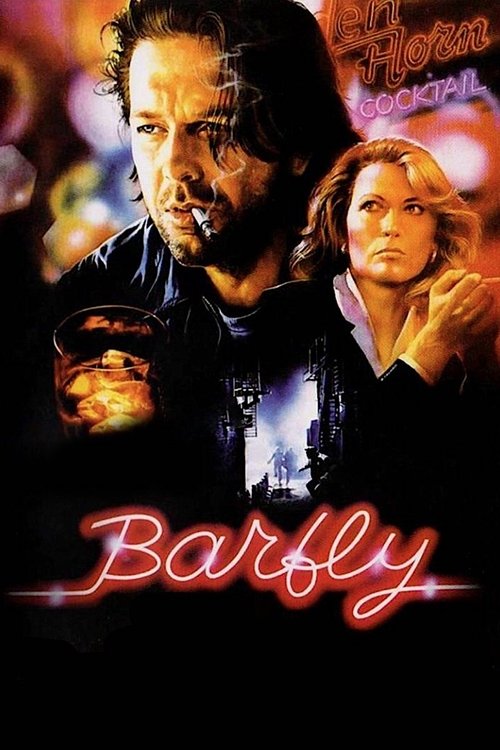
Barfly1987
Charles Bukowski's own screenplay, with Mickey Rourke and Faye Dunaway as two drunks finding poetry in bars and flophouses. Tender, funny, and thoroughly unsentimental about the people everyone else looks past.
But The reverence for skid-row life can read as romantic posturing. It's stylized in a way that keeps real suffering at arm's length.
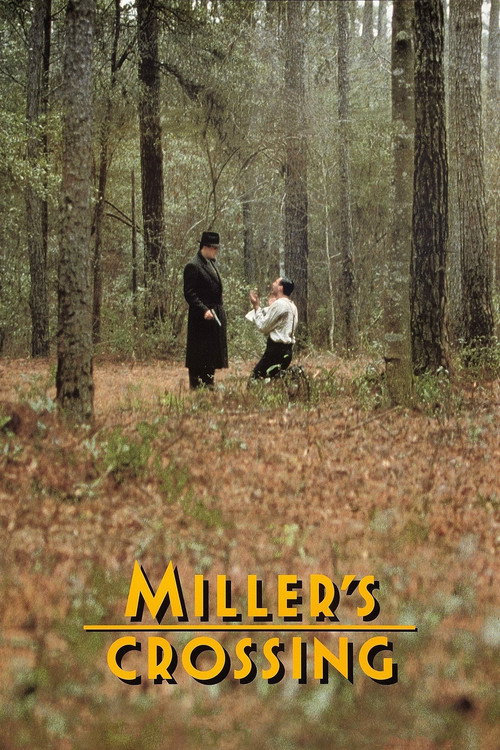
Miller's Crossing1990
The Coen Brothers' Prohibition-era gangster film, verbally dazzling and emotionally acute. Gabriel Byrne carries an impossible moral complexity. It's formally immaculate and unexpectedly moving about loyalty and dissolution.
But The plot is baroque and the period setting means it glances past rather than examines contemporary poverty. Some dialogue is difficult to parse.
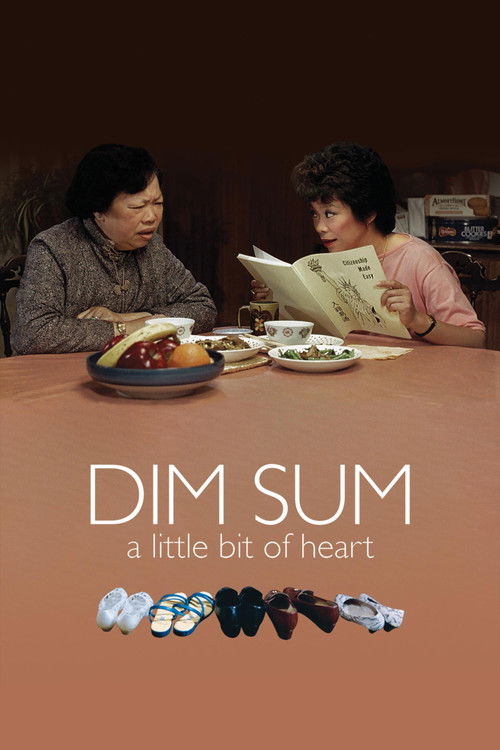
Dim Sum: A Little Bit of Heart1985
Wayne Wang's quiet, funny observation of a Chinatown family held together by an immigrant mother's will. It's about duty, love, and generational rift. The warmth is real and the stakes are intimate.
But The structure is episodic and domestic. Nothing catastrophic happens—if you need external conflict to feel invested, this will seem like a sketch.
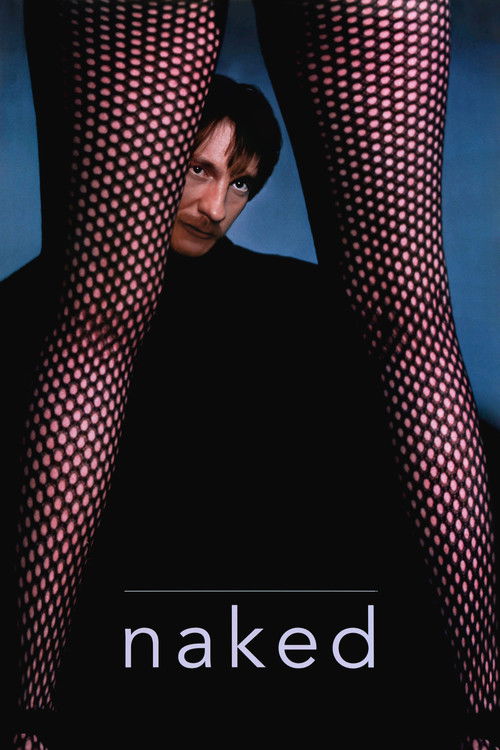
Naked1993
A man adrift in a city, haunted by his own choices, moving through spaces that feel hostile or indifferent. Both films refuse to make homelessness or alienation visually poetic—they're interested in what it actually feels like from the inside.
Mike Leigh's sprawling night in London with David Thewlis as a brilliant, misanthropic drifter. It's savage and darkly funny, a masterpiece about alienation and the varieties of human damage. Thewlis is magnificent—wounded and cruel and achingly intelligent.
But It's long, ugly, and the protagonist is contemptible. Leigh never softens anything, and the relentless grimness can feel like punishment. Not cathartic, just bleak.
The Last Temptation of Christ1988
Both are ultimately about redemption and whether grace is earned or given. Both center on men sunk in shame trying to reckon with what they've done. Both treat the spiritual not as comfort but as anguish.
Scorsese's adaptation of Kazantzakis, with Willem Dafoe as a Jesus wrestling with doubt, flesh, and the weight of being chosen. It's spiritual and physical, visionary filmmaking about redemption and the cost of grace. Formally stunning and genuinely spiritual.
But Calling it blasphemous is underselling how uncomfortable it is. It demands patience with ambiguity and refusal of easy answers. Many will object on grounds of faith.
People
Cast
 Jack NicholsonFrancis Phelan
 Meryl StreepHelen Archer
 Carroll BakerAnnie Phelan
 Michael O'KeefeBilly
 Diane VenoraPeg
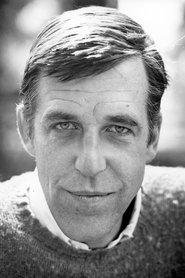 Fred GwynneOscar Reo
 Margaret WhittonKatrina
 Tom WaitsRudy
 Jake DengelPee Wee
 Nathan LaneHarold Allen
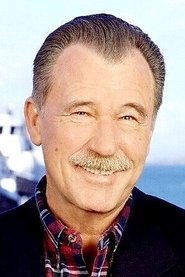 James GammonReverend Chester
 Laura EstermanNora
Directing
- Héctor BabencoDirector
- Cornelia 'Nini' RoganScript Supervisor
Writing
- William KennedyNovel
- William KennedyScreenplay
Production
- Bonnie TimmermannCasting
- Keith BarishProducer
- Marcia NasatirProducer