
Film
Dim Sum: A Little Bit of Heart
A tender, unglamorous portrait of three generations in a San Francisco Chinese family navigating duty, love, and the quiet rituals that bind them. Shot in naturalistic tones with genuine affection for its characters' smallness and complexity, it's a film that finds profound stakes in whether someone gets married or takes a trip. For anyone who's felt caught between family obligation and personal desire.
Should you watch it?
Watch it if you like quiet, observational family comedy where small kitchen-table exchanges carry more weight than plot, and warmth comes from watching people who love each other argue about nothing much.
Skip it if you need momentum or a clear through-line, since it drifts between household moments, several scenes feel loosely sketched, and its 87 minutes can feel thin.
What it asks of you: It asks for patience with a slow, unhurried shape, a loose run of household days that stays lightly comic on the surface and quietly melancholy underneath, with little urgency.
Not sure? Find tonight's pick in a minute.
If you liked this
The Farewell2019
A daughter returns to China when her grandmother is diagnosed with cancer, and like Dim Sum, it mines comedy and heartbreak from the gap between what families say and what they mean. Lulu Wang's direction is precise and tender.
But It's more visually polished and narratively tidy than Dim Sum's deliberately unglamorous style. If you want rougher edges, this will feel a touch refined.

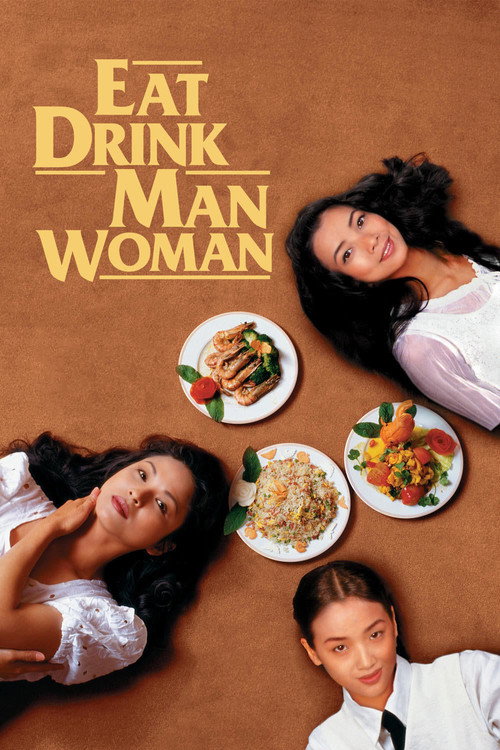
Eat Drink Man Woman1994
Ang Lee's film about a retired chef and his three unmarried daughters in Taipei shares Dim Sum's preoccupation with family meals, generational friction, and the weight of expectation. The food scenes are rapturous and the emotional logic is ruthless.
But It's more lavishly composed and its problems feel more elegantly solved. Dim Sum is messier, which is part of its truth.
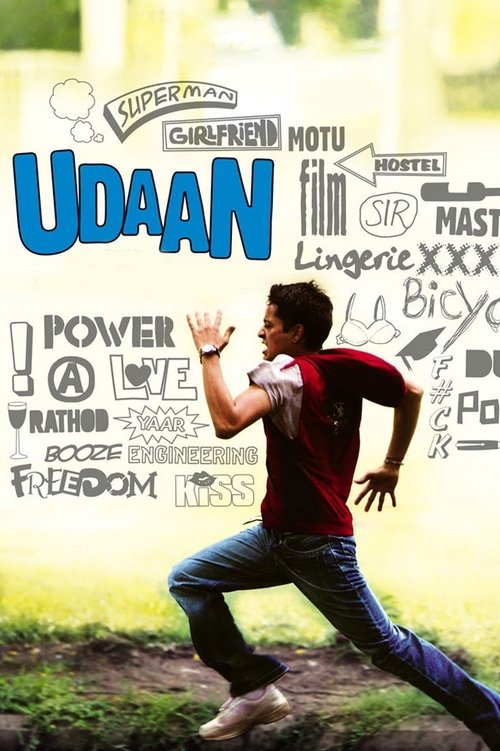
Udaan2010
A son returns from boarding school to find his widowed father controlling and bewildering. Like Dim Sum, it's a chamber piece about duty versus desire, filmed with patience for small gestures and long silences. Understated and devastating.
But It's set in India and is considerably darker in mood. Dim Sum has more lightness, even tenderness, in how it handles the same conflicts.
Not sure tonight? Get a pick in a minute, starting from Dim Sum: A Little Bit of Heart
The wildcard
Something you would not have found on your own.
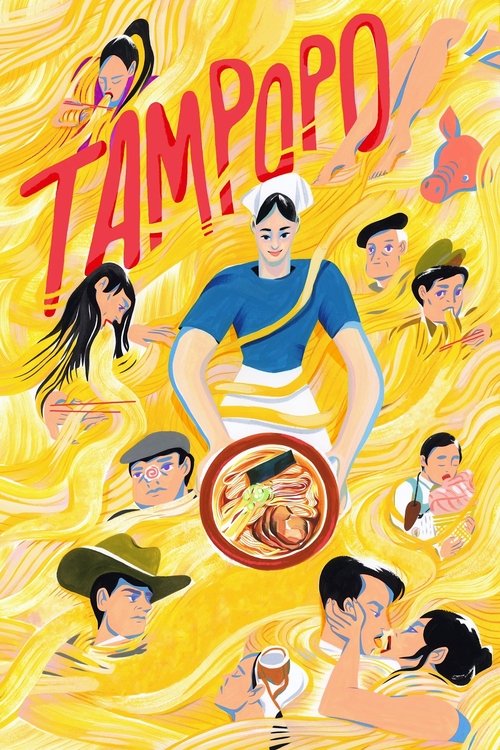
Tampopo1985
Both films from 1985 that use food and meals as the language families speak when words fail them; both skeptical of plot, trusting in accumulation.
Released the same year as Dim Sum, Ramen Girl riffs on food, family, and obsession through wildly imaginative vignettes. It's formally experimental and tonally bizarre—nothing like Dim Sum's naturalism—but both films ground emotional truth in the rituals of eating together.
But It's deliberately surreal and formally playful. If you want sustained narrative and emotional realism, this is a bewildering detour into pastiche and comedy.
More like this (8)
Always Be My Maybe2019
A rom-com built on San Francisco's Asian-American community with real specificity and warmth. It knows the texture of these lives and loves them. Funny, romantic, and unashamed about immigrant family structures.
But It's much broader, more mainstream-comedy in shape. Dim Sum is quieter and less interested in wrapping things up neatly.

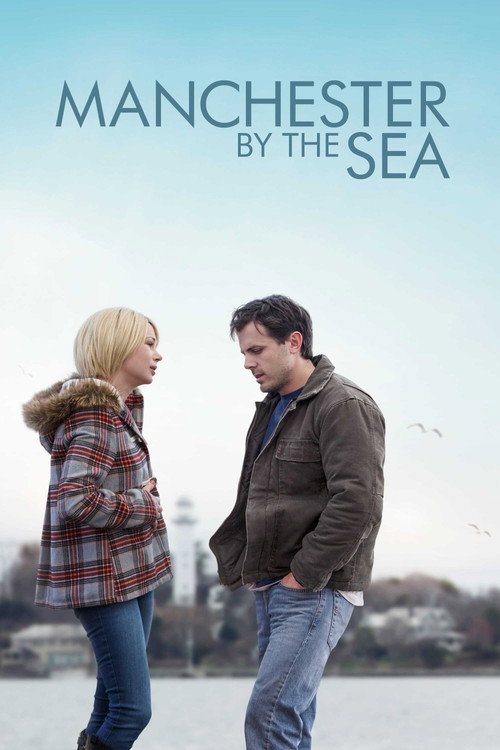
Manchester by the Sea2016
Kenneth Lonergan's film about a man reluctantly raising his nephew captures that same tension between what you owe someone and what you can bear. Gravely acted and shot through with New England quiet.
But It's relentlessly bleak and masculine in tone. Dim Sum finds light and life even in its sadness, and is firmly centered on women's inner lives.
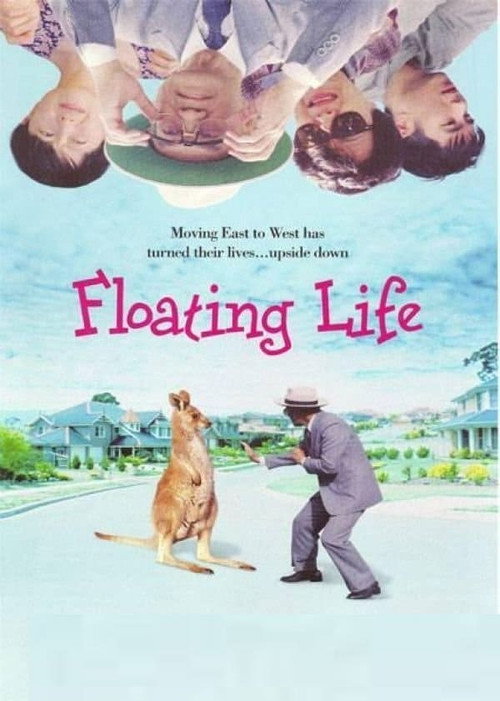
Floating Life1996
Clara Law's film follows an aging Chinese couple and their children across continents, mapping displacement and the impossible dream of return. It has Dim Sum's episodic, observational style and the same ache beneath the surface.
But It's more fragmented and abstract in its storytelling. Dim Sum is gentler and more conventionally warm, even at its most uncertain.
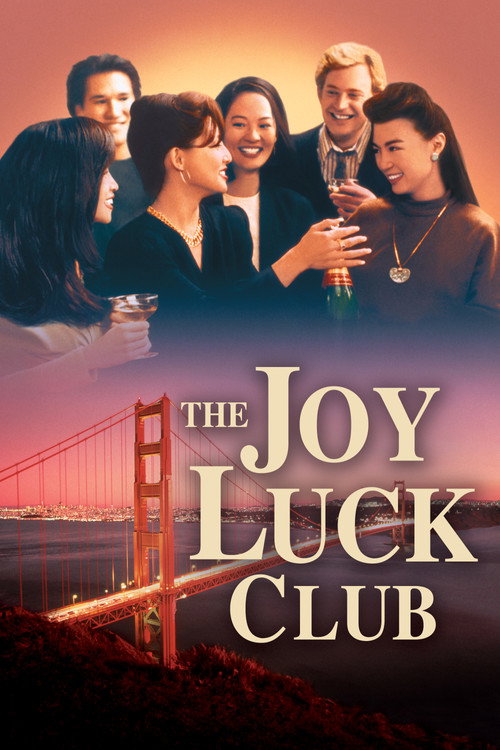
The Joy Luck Club1993
Four Chinese mothers and their American daughters tell interwoven stories about what gets lost and found across generations. It's built on the same scaffolding as Dim Sum: family, obligation, the restaurant, the impossible conversation.
But It's broader, more explicitly about cultural translation. Dim Sum stays inside one family's small world; this jumps around and explains itself more.
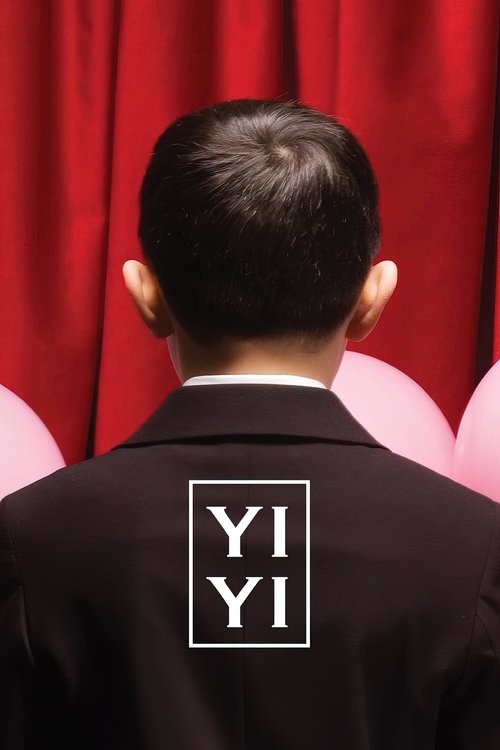
Yi Yi2000
Edward Yang's three-hour Taiwanese family epic finds comedy and tragedy in the mundane: a son's wedding, a father's infidelity, a grandmother's declining mind. Shot with documentary precision and unbearable humanity.
But At three hours, it demands patience. Dim Sum is a swift 87 minutes; this unfolds like life, which means it's sometimes slow and repetitive on purpose.
Shoplifters2018
Hirokazu Kore-eda's film about a family held together by theft and small kindnesses shares Dim Sum's focus on how families actually function—through meals, through touch, through the daily work of staying together. Devastating and warm.
But It's darker and more morally complicated. Dim Sum is rooted in gentleness; this film insists you sit with uncomfortable complicity.

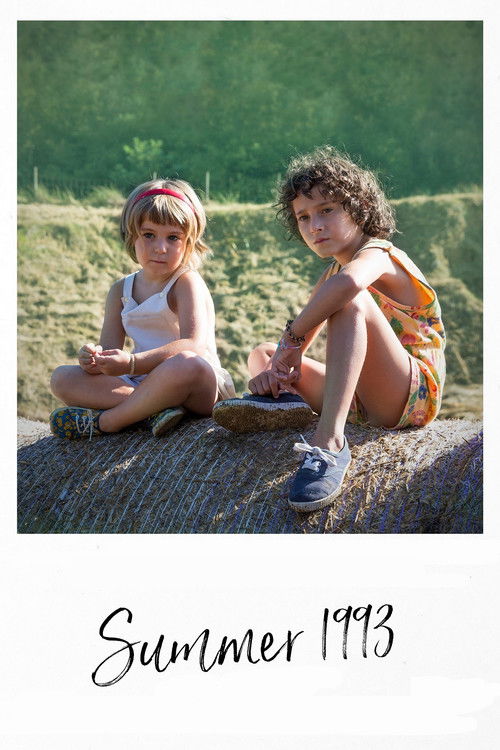
Summer 19932017
Both films trust children and elders to carry moral and emotional weight without explanation; both prefer observation to drama; both find everything in half-conversations and what's left unsaid.
Carla Simón's quietly radical film about a young girl's summer after her parents' death is shot almost like documentary, letting small moments—a bicycle ride, a family meal, a misunderstanding—accumulate into something unbearably tender. It moves at Dim Sum's pace.
But It's in Catalan, subtitled, and shot in extreme close-up. The emotional register is grief rather than comedy. It's slow in a way that requires real surrender.
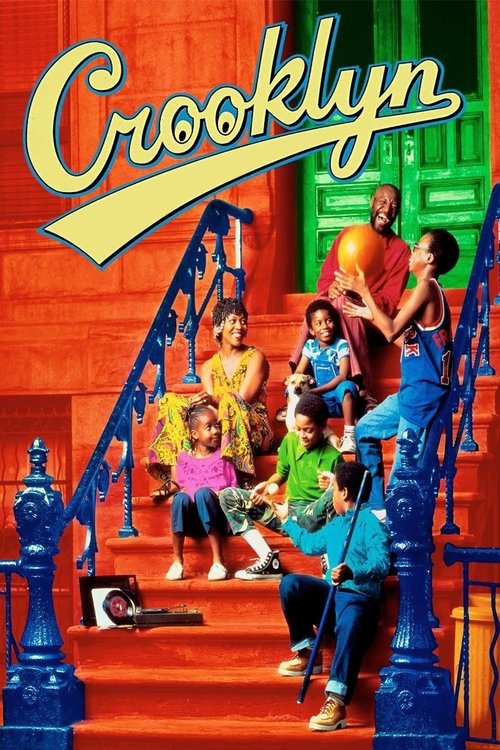
Crooklyn1994
Both films center on a girl observing her family with patient, unsentimental affection; both prize the ordinary and specific over the universal; both are formally brave in service of their characters, not as a style choice.
Spike Lee's film about a young girl in 1970s Brooklyn captures the texture of a specific community and family life with the same unsentimental warmth as Dim Sum. It's formally playful—shot in Academy ratio to suggest memory—and funny, sad, and alive to detail.
But It's about African-American Brooklyn, which means the cultural specificity is very different. If you're drawn to Dim Sum specifically for its Chinese-American representation, this won't scratch that itch.
People
Cast
 Laureen ChewGeraldine Tam
- Kim ChewMrs. Tam
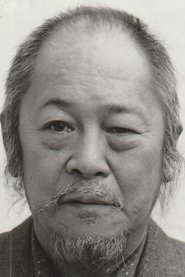 Victor WongUncle Tam
- Ida F.O. ChungAuntie Mary
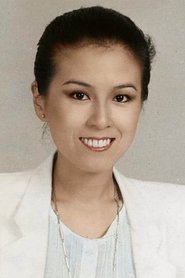 Cora MiaoJulia
- John NishioRichard
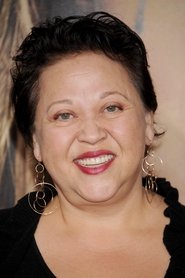 Amy HillAmy Tam
- Keith ChoyKevin Tam
 Joan ChenYoung M.J. Player
- Mary ChewOld m.j. player
- Nora LeeOld m.j. player
- Rita YeeYoung m.j. player
Directing
- Chris LeeAssistant Director
- Christopher P. LeeAssistant Director
- Wayne WangDirector
Writing
- Terrel SeltzerWriter
Production
- Emily LeungAssociate Producer
- Vincent TaiExecutive Producer
- Danny YungProducer
- Tom SternbergProducer
- Wayne WangProducer
- Emily LeungProduction Manager